_1762768699969.webp)



Corrugated Aluminum Sheets






Name:Corrugated Aluminum Sheets
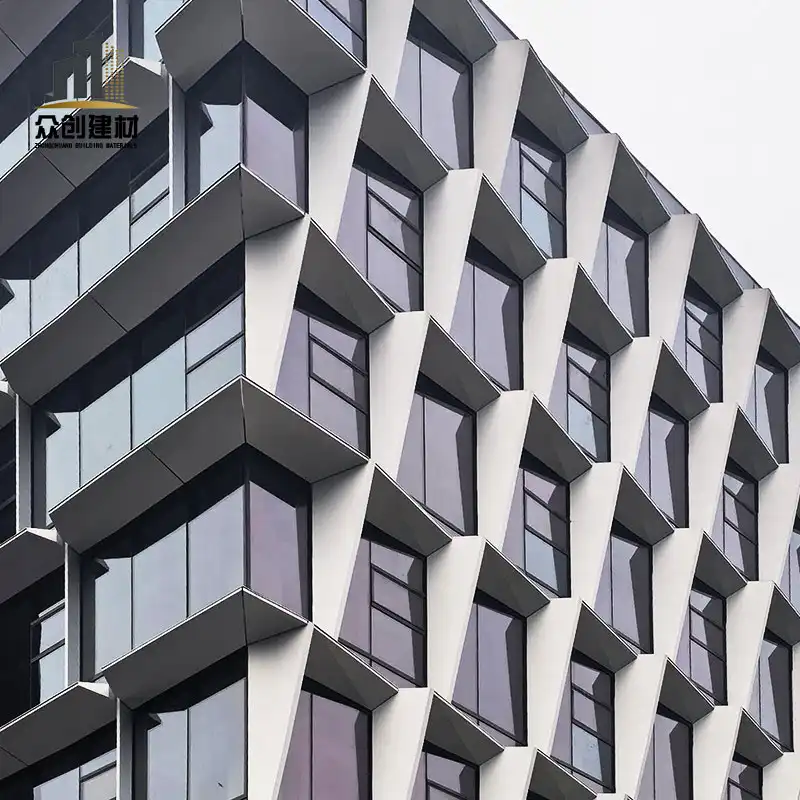
Application scenarios:shopping malls, hotels, airports, high-speed rail stations, office buildings, etc
Thickness:1.0-5.0mm
Material:1100, 3003, 5005, 6063, etc
Surface treatment:PVDF/PE
Supply capacity:50000 ㎡/month
Service life:30-year warranty
Minimum Order Quantity (MOQ):30㎡
Color:RAL and other customized colors
Size:Customized size
Feature:Durable, easy to install, environmentally friendly, high-quality
Certificate:CE,UL,SASO,ISO 12944-6
Delivery time:15-20 days
Installation Guide:Provide detailed construction drawings
Place of Origin:Guangdong, China
- Product Description
1. Overview
Corrugated aluminum sheet, also known as aluminum tile, profiled aluminum panel, or corrugated aluminum alloy sheet, is a specialized profiled product manufactured by shaping flat aluminum sheets into regular wave patterns through roll forming and cold bending processes. Its unique corrugated structure enhances the material’s strength and rigidity while retaining aluminum’s inherent lightweight property, making it a versatile material widely used in architectural, industrial, and decorative fields. Compared with traditional building materials like corrugated steel, it boasts superior corrosion resistance, especially in harsh environments such as coastal areas or high-rainfall regions.
2. Core Characteristics
Lightweight yet High Strength: The alternating ridge and trough structure formed during the roll-forming process significantly improves the strength-to-weight ratio. It is much lighter than steel, reducing transportation and installation costs, while its wave design ensures excellent load-bearing capacity and overall structural stability, making it suitable for projects that require both resilience and light weight.
Excellent Weather Resistance: The surface of corrugated aluminum sheets can be treated with PVDF coating, anodizing, or powder coating, which provides long-lasting color stability (over 95% saturation retention after five years) and outstanding resistance to UV rays, rain, wind, and other harsh weather conditions. Naturally, aluminum forms a protective oxide layer, further enhancing its corrosion resistance and durability for outdoor use.
Versatile Performance: It integrates multiple functions, including sound insulation, heat insulation, and anti-slip properties, adapting to various application scenarios from roofing to interior decoration. Additionally, it is non-combustible and meets common building fire safety standards, adding an extra layer of safety to construction projects.
Easy Fabrication and Installation: Corrugated aluminum sheets can be easily cut, bent, welded, or shaped according to different processing needs, allowing for flexible customization. Their lightweight feature also simplifies on-site installation, improving construction efficiency, especially for large-scale projects like industrial plants and public facilities.
Sustainability: Aluminum is 100% recyclable, and many manufacturers offer low-carbon corrugated aluminum sheets made from recycled materials and renewable energy sources, aligning with modern green building and environmental protection concepts.

3. Technical Specifications
Thickness Range: Generally 0.8 – 6.0 mm, with 0.8 – 2.5 mm being the most common for construction purposes; roofing applications typically use 0.8 – 2.0 mm, while wall cladding uses 0.4 – 1.2 mm, and special applications may require 1.5 – 3.0 mm.
Wave Types and Sizes: Common wave types include 7/8 inch, 2.5 inch, and 4 inch, with wave spacing and height adjustable to meet specific stiffness requirements (e.g., 4-inch rib pitch for industrial roofing needing higher strength). The standard wave crest height is around 18 mm, and wave patterns can be sine wave, arc wave, or other customized shapes.
Alloy Types: Common alloys include 3003 (for general roofing), 5052 (for coastal areas with higher corrosion resistance), 5005 (anodizing-friendly), and 1050/1060/1100 for general-purpose cladding; tempers are usually H14, H24, H32, with O temper available on request.
Width and Length: Standard width ranges from 150 mm to 1000 mm, and length can be customized from 3 ft up to 45 – 52 ft according to profile and packaging requirements; custom widths up to 2650 mm are also available.
Standards Compliance: Complies with international standards such as ASTM B209, GB/T 3880, and ISO 9001, ISO 14001 for quality and environmental management.
4. Surface Finishes
Mill Finish: The natural silver-gray metal luster of aluminum, simple and practical, suitable for industrial scenarios with low decorative requirements.
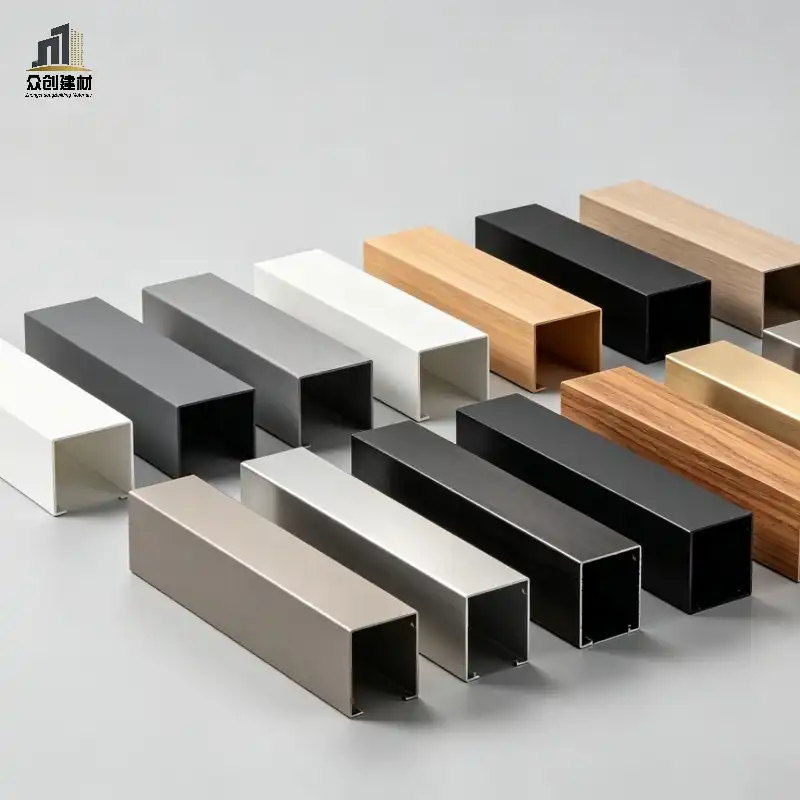
Coated Finish: Includes PVDF coating, PE coating, and powder coating, available in various RAL standard colors (e.g., silver gray, bronze, matte black) and custom gradient colors, with excellent color retention and wear resistance.
Anodized Finish: Forms a dense oxide layer on the surface, enhancing corrosion resistance and offering a sleek, uniform appearance; suitable for architectural and decorative applications requiring a high-end look.
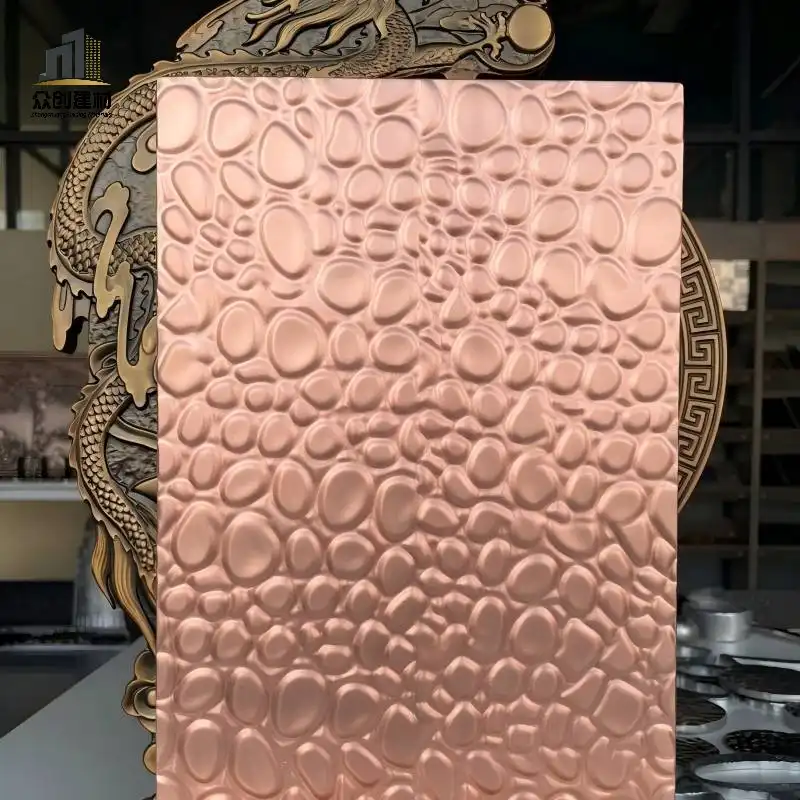
Custom Finishes: Wood grain transfer, brushed finish, and concave-convex granular texture are available to meet diverse aesthetic needs of modern architecture and interior design.
5. Wide Applications
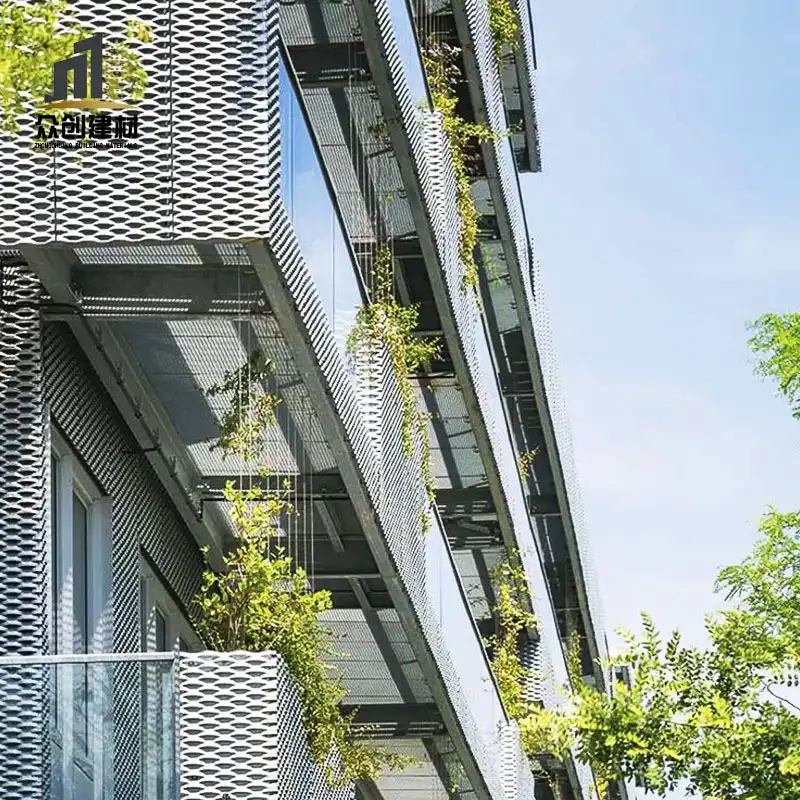
Architectural Field: Widely used for roofing and wall cladding of industrial plants, commercial complexes, residential buildings, public facilities, and modern industrial parks; also suitable for curtain walls, interior partitions, ceilings, and decorative walls, adding visual depth and modern aesthetics to buildings.
Industrial Field: Applied in factory walls, cold storage facilities, production workshops, equipment enclosures, pipeline insulation, chimneys, and ventilation systems, thanks to its durability, corrosion resistance, and anti-slip properties.
Transportation Sector: Used for vehicle interiors, truck bodies, marine structures, and transportation infrastructure, as its lightweight feature contributes to energy efficiency and fuel savings while ensuring durability.
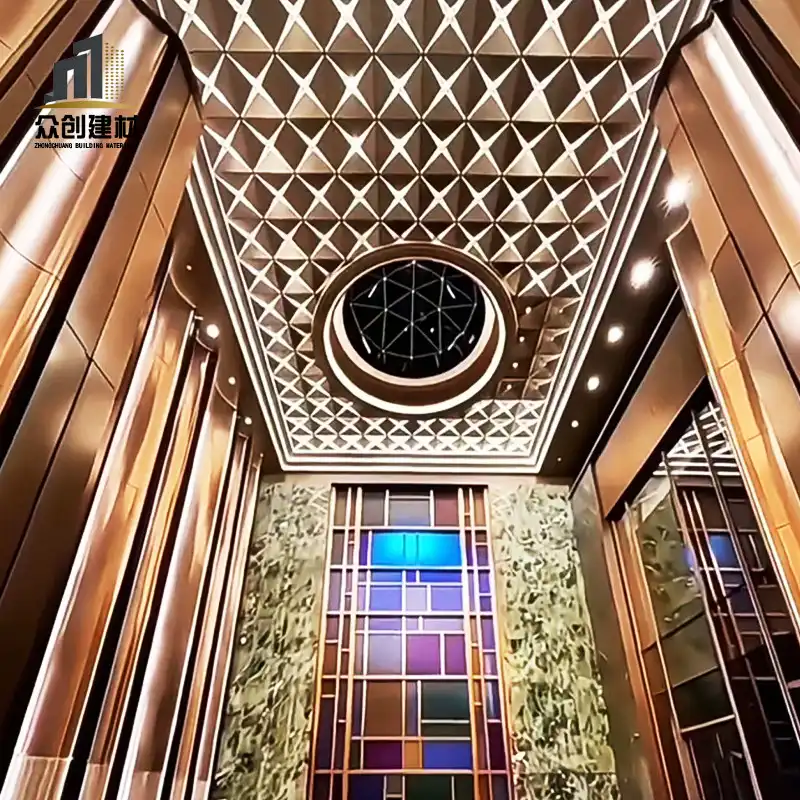
Decorative and Artistic Applications: Adopted in hotels, restaurants, exhibition halls, and art installations; also used in modern furniture design (tables, chairs, screens) and landscape projects (sculptures, flower boxes), showcasing its versatility in aesthetic creation.
Agricultural and Auxiliary Applications: Suitable for agricultural buildings, warehouses, fences, and portable buildings, providing weather resistance and quick installation convenience.
6. Pros and Cons
6.1 Advantages
Superior corrosion resistance, especially in coastal and high-rainfall areas, outperforming corrugated steel.
Lightweight and high strength, reducing construction and transportation costs and improving installation efficiency.
Long service life, low maintenance costs, and excellent weather resistance, ensuring long-term stability and cost-effectiveness in the long run.
Flexible customization in size, wave pattern, and surface finish, adapting to diverse design and functional needs

_1782530506402.webp)
(1)_1783045836766.webp)
_1786157639392.webp)
(1)_1780970038980.webp)