_1762768699969.webp)

_1782530506402.webp)
(1)_1783045836766.webp)
_1786157639392.webp)
(1)_1780970038980.webp)
7 Key Advantages of Aluminum Cladding for Villa Exteriors
Introduction
When choosing exterior materials for a custom villa or residential renovation, homeowners traditionally default to stone, tile, stucco or exterior paint — often without considering aluminum cladding as a premium alternative. Long associated only with commercial buildings, high-end PVDF aluminum siding has rapidly grown in popularity for luxury residential use over the past five years, as homeowners discover its unique combination of aesthetic flexibility, long-term durability and ultra-low maintenance.
This guide breaks down the proven advantages of aluminum cladding for villa exteriors, compares it to traditional residential exterior materials, and covers the hidden benefits most homeowners overlook during the material selection process.

7 Core Advantages of Aluminum Cladding for Villa Exteriors
4x Longer Service Life Than Traditional Exterior Paint
Premium PVDF fluorocarbon coated aluminum panels deliver 20-30 years of consistent color and finish in outdoor environments, compared to just 5-7 years for high-quality exterior paint and 8-12 years for stucco. There is no fading, chalking, cracking or peeling, eliminating the cycle of repainting every few years that comes with traditional wall finishes.
70% Lower Long-Term Maintenance Costs
The smooth, non-porous PVDF surface resists dirt, mold and staining far better than porous stone, stucco or wood. Maintenance requires only an annual pressure wash to look brand new, with no need for repainting, crack repair, grout cleaning or waterproof re-sealing. Over a 20-year period, total exterior maintenance costs are roughly 70% lower than stone or stucco exteriors.
Ultra-Lightweight Eliminates Structural Risk
Weighing only 3-5kg per square meter, aluminum cladding is roughly 1/8 the weight of natural stone and 1/3 the weight of ceramic tile. This means no structural reinforcement is required for most villa walls, and there is zero risk of heavy tiles or stone slabs falling off the facade over time — a critical safety consideration for multi-story residential buildings.
Superior Thermal & Acoustic Insulation Performance
When paired with optional rock wool or polyurethane insulation backing, aluminum wall systems improve wall thermal performance by 40% compared to standard brick or stucco walls, reducing annual heating and cooling costs by 15-20%. The panel structure also reduces external noise transmission by 25-30dB, creating a quieter interior environment for private homes.
Unlimited Custom Aesthetic Options
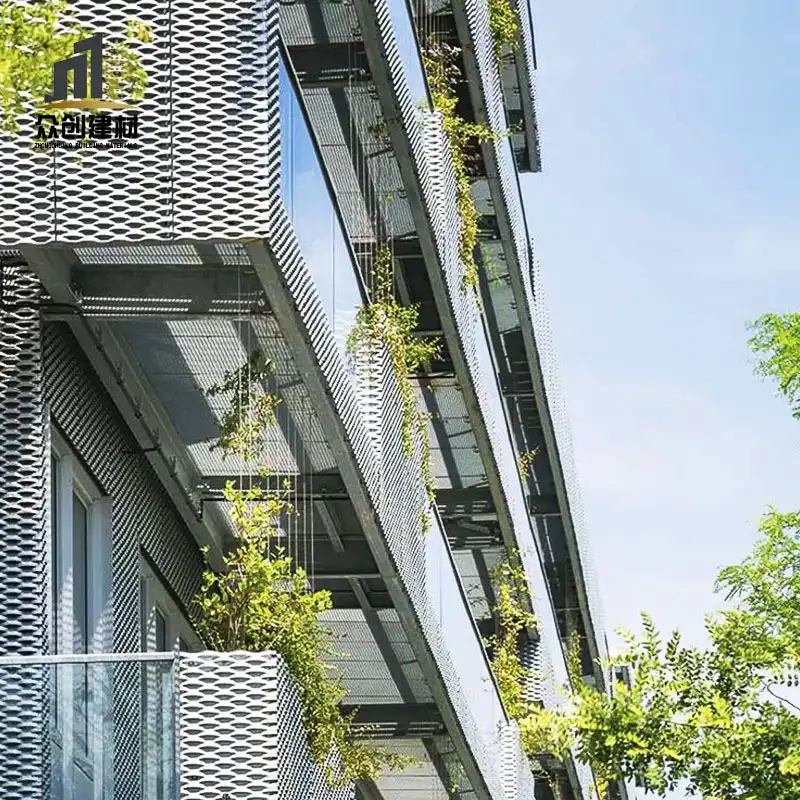
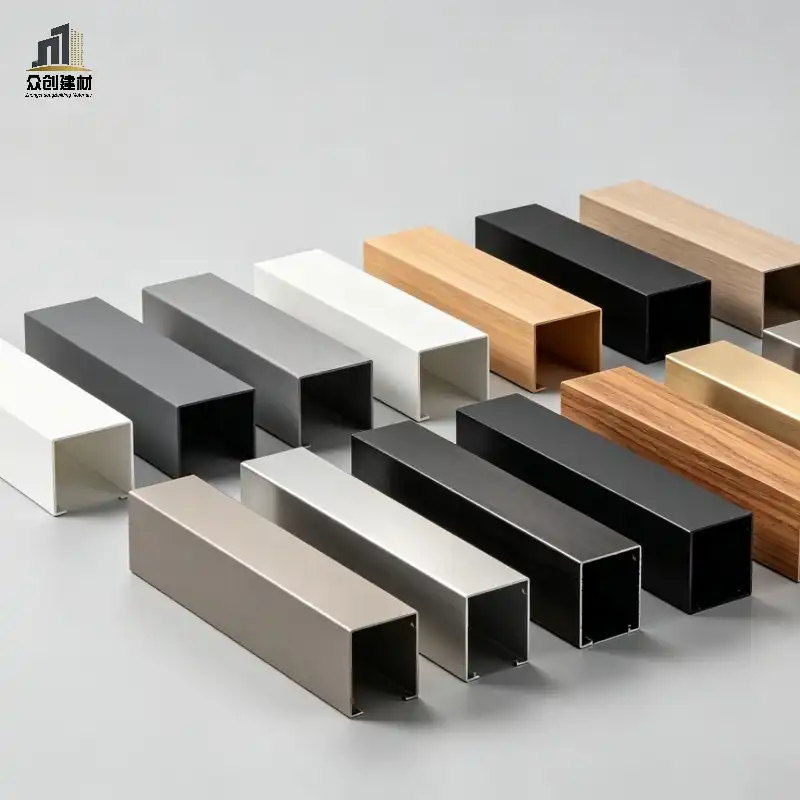
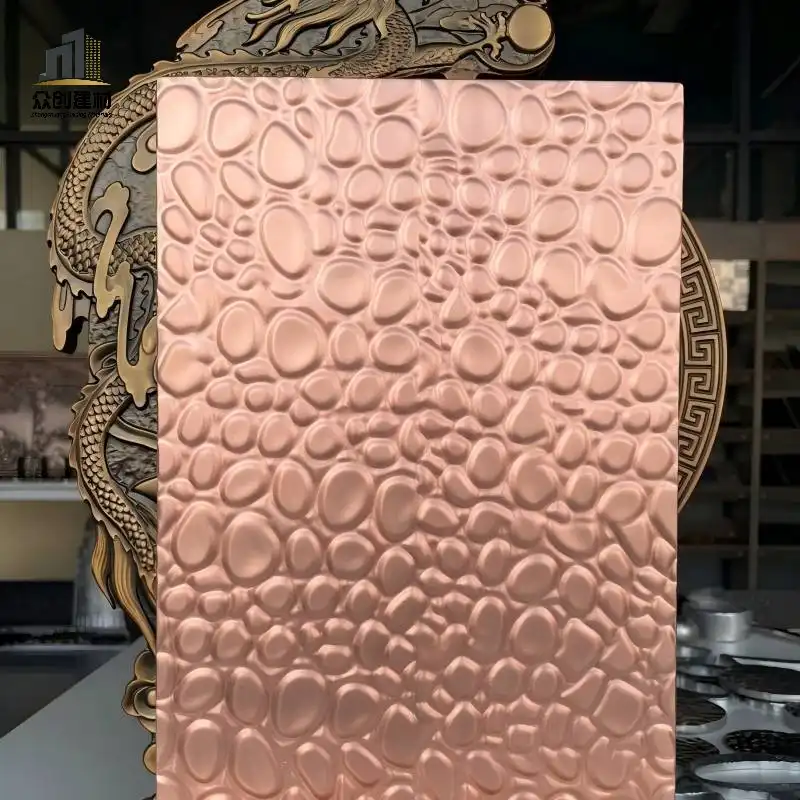
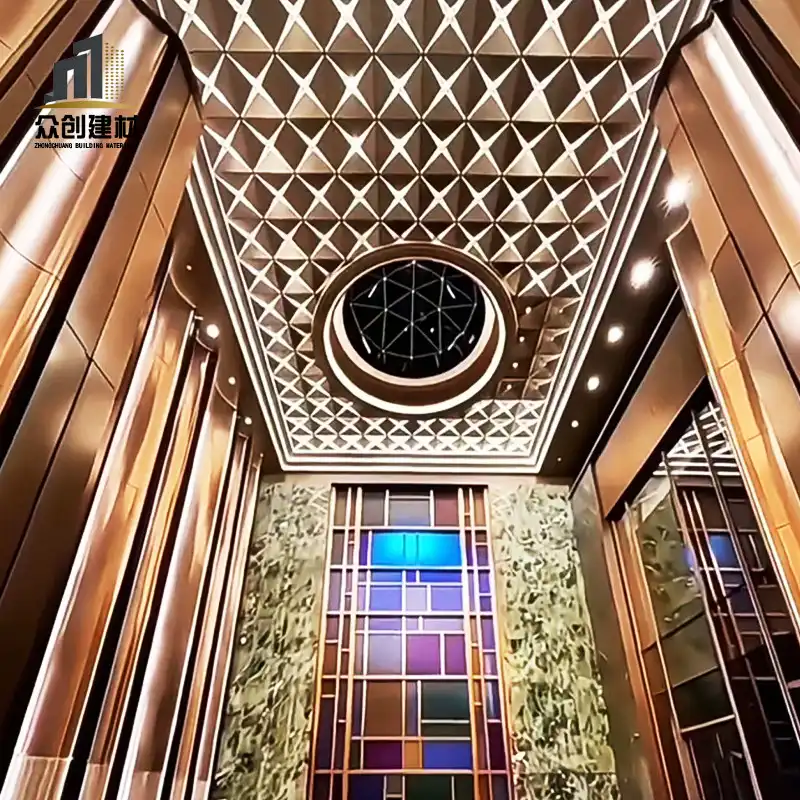
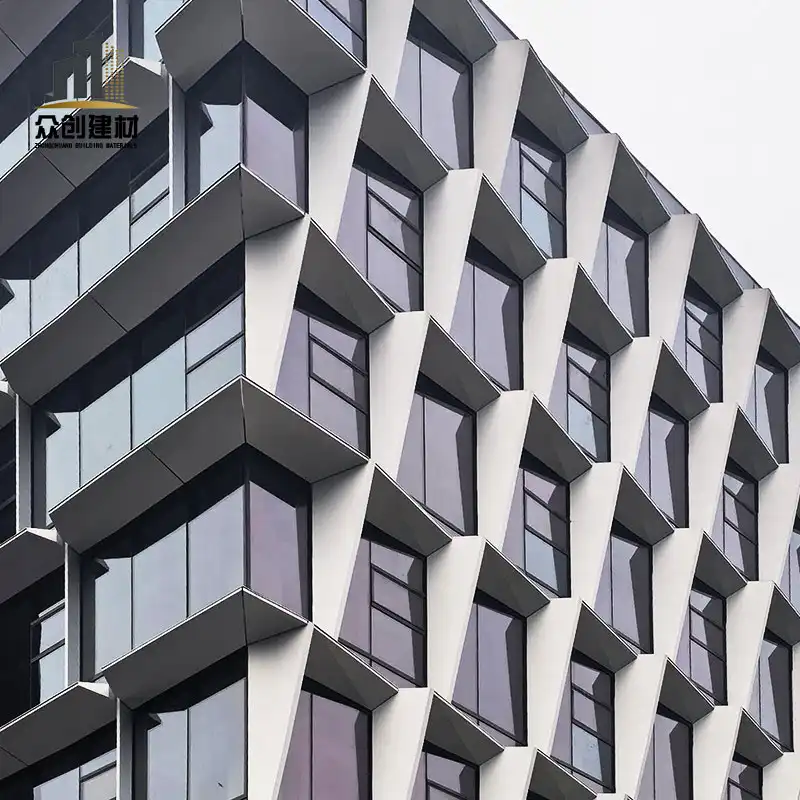
Modern aluminum cladding is not limited to the flat industrial look many homeowners imagine. It is available in hundreds of solid colors, realistic wood grain, natural stone texture, metallic finishes and custom perforated patterns. Panels can be fabricated into flat, curved, angled and shaped designs to match any architectural style from modern minimalist to classic European and new Chinese.
Complete Waterproof & Crack-Free Performance
The interlocking panel system creates a continuous waterproof exterior layer that eliminates the cracking, water seepage and efflorescence issues common with brick, stucco and tile exteriors. The system performs reliably across extreme temperature ranges from -40°C to 80°C, with no freeze-thaw damage in cold climates or thermal expansion cracking in hot regions.
A2 Class Fire Safety for Residential Peace of Mind
Aluminum is non-combustible with an A2 fire rating, making it far safer than vinyl, wood or foam-based exterior cladding materials. It will not burn or release toxic fumes in a fire, providing an extra layer of safety for family homes — particularly important for villas with wood structure interiors or located in wildfire-prone areas.
Aluminum vs. Traditional Villa Exterior Materials: Full Comparison
| Material | Service Life | Annual Maintenance Cost | Weight (kg/sqm) | Fire Rating | Design Flexibility | 20-Year Total Cost |
|---|---|---|---|---|---|---|
| PVDF Aluminum Cladding | 20-30 years | Very Low (annual wash only) | 3-5 | A2 Non-Combustible | Very High | Medium |
| Natural Stone | 15-20 years | High (sealant + grout repair) | 25-40 | A1 Non-Combustible | Medium | Very High |
| Ceramic Tile | 10-15 years | Medium (grout repair) | 12-18 | A1 Non-Combustible | Low | Medium-High |
| Exterior Stucco / Paint | 5-7 years | High (repaint every 5 years) | 2-4 | A2 Non-Combustible | Low | High (repeated repainting) |
| Vinyl / PVC Siding | 8-12 years | Medium | 1.5-2 | Flammable | Medium | Medium-Low |
While natural stone has a high-end appearance, its 20-year total cost is nearly double that of aluminum cladding when installation, maintenance and eventual replacement costs are included.
Hidden Benefits Most Homeowners Overlook
Increases Property Resale Value
Homes with modern aluminum exteriors sell for 4-7% more on average than comparable homes with painted or stucco exteriors, according to residential real estate data. Buyers perceive aluminum cladding as a premium, low-maintenance upgrade that saves them future renovation costs.
Ideal for Renovation Without Demolition
Aluminum panels can be installed directly over existing brick, tile or stucco walls without demolition, cutting renovation time by 60% and reducing construction waste by 80% compared to full exterior replacement. Homeowners can stay in the house during the renovation process.
Fully Recyclable & Eco-Friendly
Aluminum is 100% recyclable with no loss of material quality, making it a far more sustainable choice than single-use vinyl, composite or stucco materials. The long service life also reduces lifecycle environmental impact from repeated renovation waste.
Consistent Finish Across All Exterior Elements
Aluminum panels can be used for walls, gates, boundary walls, window frames, eaves and terrace parapets with exactly matching color and finish, creating a fully unified, high-end exterior look that is impossible to achieve with mixed materials.
Which Villa Types Benefit Most From Aluminum Siding?
Aluminum cladding delivers the highest value for these villa types:
- Coastal seaside villas: Salt-spray resistant PVDF coating eliminates the corrosion and rust issues that damage steel and stone exteriors in coastal areas
- Large luxury custom villas: Reduces long-term maintenance burden for large wall surfaces, with consistent premium finish quality
- Aging villa renovation: Fast, demolition-free installation transforms old exteriors with minimal disruption
- Vacation rental villas: Low maintenance and durable finish withstands frequent tenant turnover with minimal upkeep
- Wildfire-prone area homes: A2 non-combustible rating provides critical fire safety for high-risk regions
Common Misconceptions About Residential Aluminum Cladding
Misconception 1: "Aluminum siding looks cold and industrial"
This was true for old-style corrugated industrial aluminum panels, but modern residential aluminum cladding comes in realistic wood grain, stone texture and matte color finishes that are visually indistinguishable from high-end stone or wood from normal viewing distance.
Misconception 2: "Aluminum cladding is more expensive than other options"
While upfront material cost is higher than paint or basic vinyl, the 20+ year service life and near-zero maintenance costs make total lifecycle cost lower than stone, stucco or tile when calculated over the full time you own the home.
Misconception 3: "Aluminum walls are noisy in the rain"
With proper insulation backing installed, rain noise on aluminum cladding is actually quieter than rain on tile or metal roofs. The air gap between the panel and wall plus insulation layer absorbs impact sound effectively.
Frequently Asked Questions
Q: Will aluminum cladding rust on my villa?
A: No. High-quality 3003 or 5052 aluminum alloy naturally forms a protective oxide layer that prevents rust and corrosion. PVDF coated aluminum panels are specifically designed for outdoor use with zero rust risk, even in coastal areas.
Q: Can hail damage aluminum exterior panels?
A: Standard 2mm thick aluminum panels resist hail damage from most common hailstorms. For severe hail-prone areas, 2.5mm or 3mm thick panels are available that withstand even large hail without denting.
Q: Does aluminum cladding make a house colder in winter?
A: No. When installed with insulation backing, aluminum cladding actually improves wall insulation performance, keeping homes warmer in winter and cooler in summer compared to standard uninsulated brick or stucco walls.