_1762768699969.webp)

_1782530506402.webp)
(1)_1783045836766.webp)
_1786157639392.webp)
(1)_1780970038980.webp)
Aluminum Wall Panel Thickness Guide: How to Choose the Right Gauge for Your Project in 2026
Choosing the wrong aluminum wall panel thickness is one of the most costly mistakes for cladding projects: selecting panels too thin leads to deformation, wind noise, water leakage and shortened service life; over-specifying thickness wastes 15-25% of material cost for no practical benefit. With 18 years of experience supplying aluminum cladding for 1000+ projects across 56 countries, we created this practical, engineering-backed guide to help contractors, designers and project owners select the optimal thickness for every scenario, matching international building standards including EN 1999 (EU), AS/NZS 1664 (Australia/New Zealand) and ASTM E136 (US).
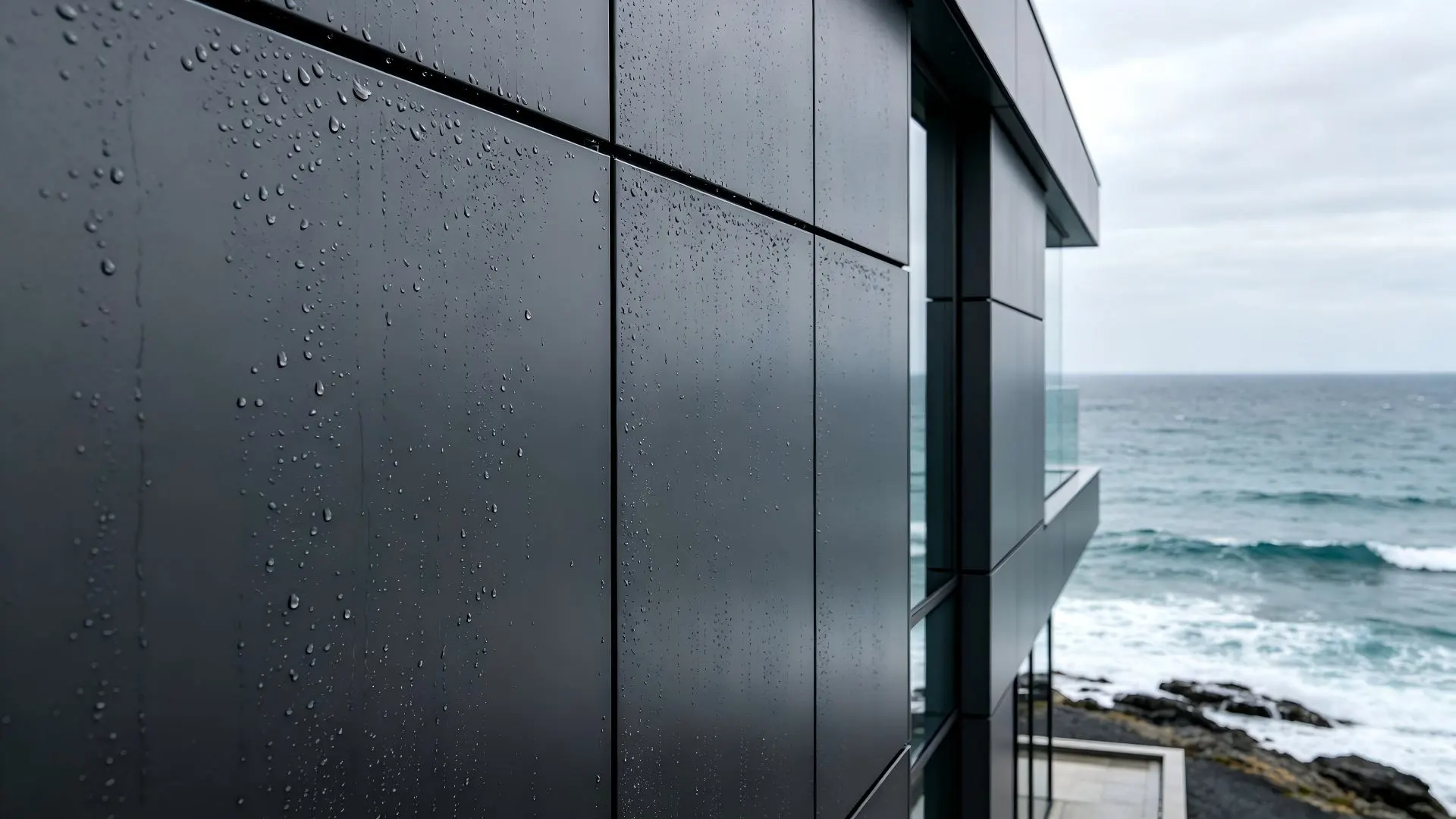
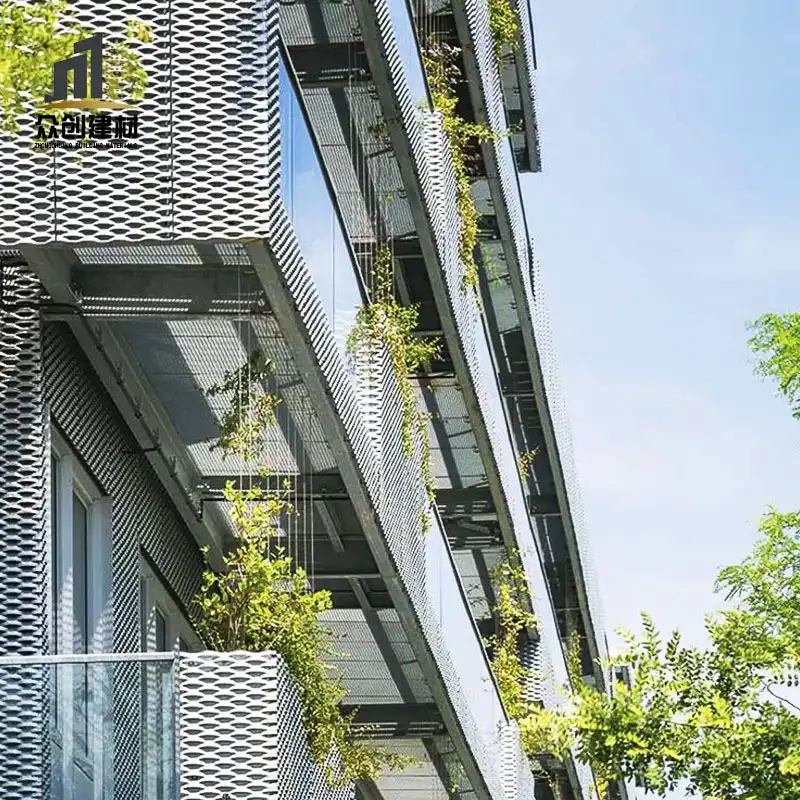
3.0mm aluminum facade, coastal project salt spray resistance close-up
5 Key Factors That Determine Aluminum Wall Panel Thickness
Thickness selection is never "one size fits all". These 5 engineering factors define the right specification for your project:
Project Height & Wind Load (Most Important) Wind pressure increases exponentially with building height. A panel that works perfectly for a 3-story low-rise building will deform and fail on a 30-story high-rise. For areas with typhoons, hurricanes or high wind speeds, thickness must be increased even for low-rise projects.
Application Environment Coastal projects within 1km of the ocean require thicker panels with higher-grade alloy (5005 instead of 3003) to resist salt spray corrosion; indoor projects with no wind load can use thinner panels to save cost; high-humidity areas (swimming pools, saunas) also require slightly thicker panels with heavy-duty coating.
Single Panel Size Larger panels have higher risk of deflection under wind load and temperature change. Panels wider than 1500mm or longer than 3000mm require additional thickness or welded stiffener ribs to maintain flatness.
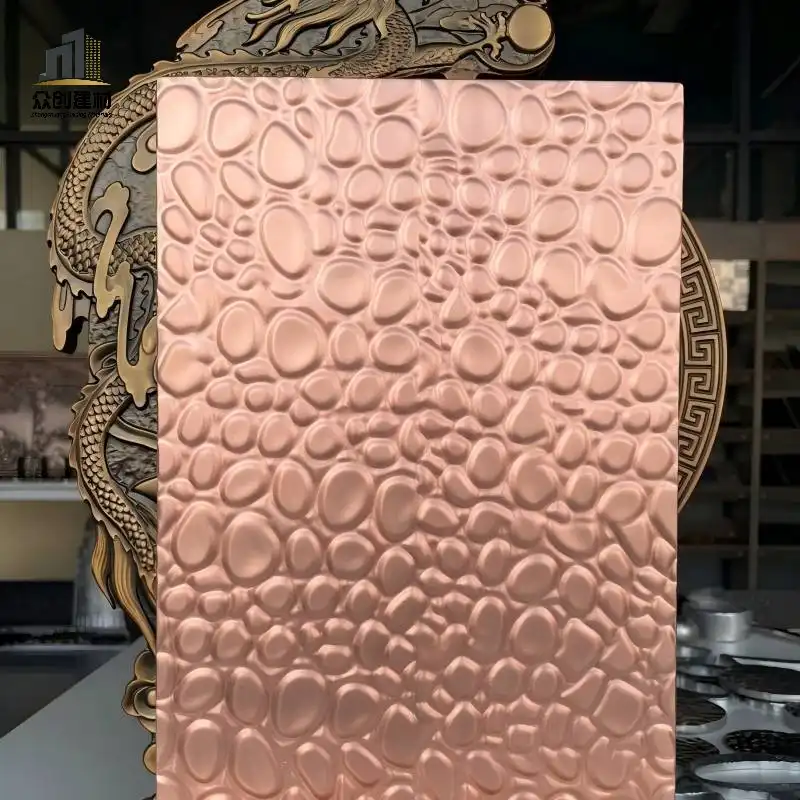
Custom 3D / Shaped Panels 3D geometric, carved, curved or special-shaped panels require 0.5mm additional thickness compared to flat panels, as forming processes create stress points that thinner material cannot support.
Keel / Installation System Spacing Wider keel spacing requires thicker panels to avoid sagging between fixing points. Standard 600mm keel spacing works with thinner panels; 1200mm spacing requires minimum 2.5mm thickness.
Aluminum Wall Panel Thickness Quick Selection Chart
| Thickness | Alloy Recommendation | Suitable Scenarios | Wind Load Standard | Warranty | Notes |
|---|---|---|---|---|---|
| 1.5mm | 3003-H24 | Interior walls, ceilings, partition screens, indoor decorative panels, low-rise interior atriums | No wind load | 10 years interior | Not suitable for any outdoor use |
| 2.0mm | 3003-H24 | Low-rise building facades (≤3 floors), interior feature walls, non-coastal commercial signage, canopy ceilings | ≤1.0 kPa wind load | 15 years outdoor | Add stiffeners for panels over 2500mm long |
| 2.5mm | 3003-H24 / 5005-H14 | Mid-rise facades (4-20 floors), standard commercial projects, non-coastal high-rises, general outdoor cladding | ≤1.5 kPa wind load | 20 years outdoor | Most popular standard thickness for global projects |
| 3.0mm | 5005-H14 | High-rise facades (≥20 floors), coastal projects within 1km of ocean, typhoon/hurricane zones, large format panels over 3000mm, 3D custom shaped panels | ≤2.5 kPa wind load | 25 years outdoor | Recommended for Middle East, Southeast Asia coastal and Caribbean projects |
| 4.0mm+ | 5052-H32 | Super high-rise (≥50 floors), extreme wind load zones, heavy-duty structural cladding, special load-bearing applications | ≥2.5 kPa wind load | 30 years | Custom produced per project engineering calculation |
5 Costly Thickness Selection Mistakes to Avoid
We have seen all of these mistakes cost project owners tens of thousands of dollars in rework:
"Thicker is always better": Many suppliers recommend 3.0mm for all projects to increase their profit, but for standard 10-floor non-coastal projects, 2.5mm provides identical performance for 18% lower material cost.
Using interior 1.5mm panels for outdoor canopies: This is a common cost-cutting trick from unqualified suppliers, leading to panel deformation within 2-3 years and full replacement cost.
Forgetting stiffeners for large thin panels: 2.0mm panels over 3000mm long will bow and deform even on low-rise buildings if no stiffener ribs are welded to the back.
Using 3003 alloy for coastal projects with 2.5mm thickness: Even with correct thickness, standard 3003 alloy will corrode 2x faster than 5005 alloy in salt spray environments, regardless of coating.
Ignoring local building codes: EU, US, Australia and Middle East regions have mandatory wind load requirements; selecting thickness without calculating local code requirements will fail inspection.
30-Second Thickness Decision Tree
Is the panel for indoor use? → 1.5mm
Outdoor, ≤3 floors, non-coastal? → 2.0mm
Outdoor, 4-20 floors, non-coastal? → 2.5mm
Outdoor, ≥20 floors / coastal / typhoon zone / 3D shaped / panels over 3m? → 3.0mm
Super high-rise / extreme wind? → Contact us for free engineering calculation.
Frequently Asked Questions
Is 2mm aluminum panel OK for exterior use? Yes, for low-rise buildings (≤3 floors) in non-coastal, low-wind areas with keel spacing ≤600mm. It is not recommended for mid/high-rise or coastal projects.
What is the most popular thickness for commercial projects? 2.5mm is the global standard for most commercial aluminum cladding projects, balancing cost, durability and installation convenience, with 20 years outdoor warranty.
Do I need thicker panels for curved or 3D shaped walls? Yes, add 0.5mm thickness for curved, carved or 3D geometric panels, as the forming process creates additional stress on the material.
Can I use thinner panels if I add more keels? Yes, reducing keel spacing from 1200mm to 600mm allows you to reduce panel thickness by 0.5mm, though you will need to calculate if the keel cost saving outweighs the panel cost saving.
Do you provide thickness calculation for projects? Yes, we provide free engineering wind load calculation and thickness recommendation for all project inquiries, with formal calculation sheets matching local building codes.
Get Free Expert Thickness Advice
Choosing the right thickness saves you money while ensuring 20+ years of performance. Send your project drawings and location to our engineering team for a free, no-obligation thickness recommendation and quote:
WhatsApp: +86 18870727253 | Email: [email protected]