_1762768699969.webp)

_1782530506402.webp)
(1)_1783045836766.webp)
_1786157639392.webp)
(1)_1780970038980.webp)
Exterior Carved Aluminum Panel: Complete Guide to Technology, Selection & 2026 Industry Trends
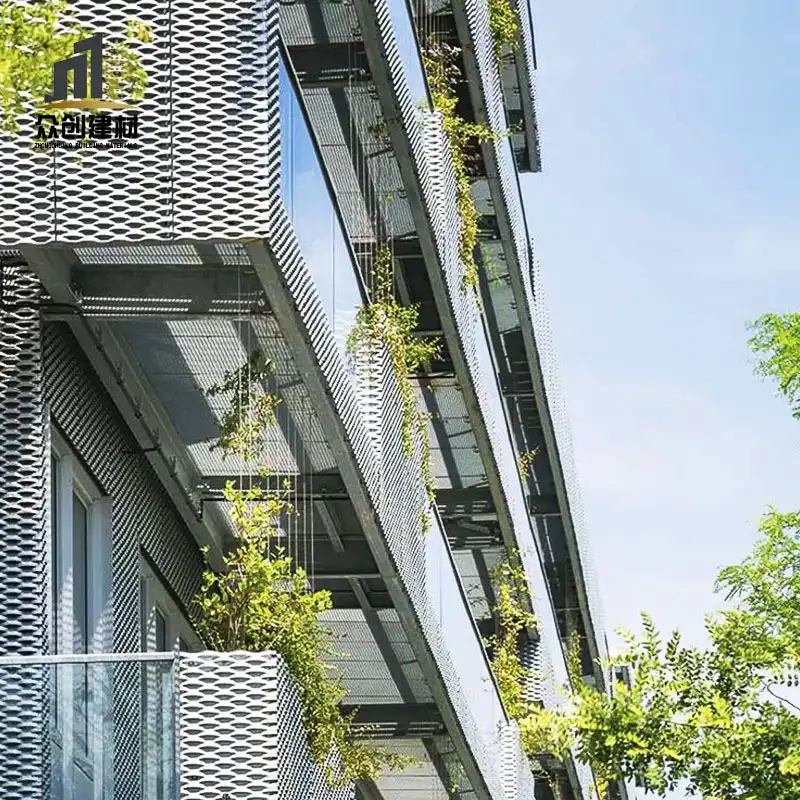
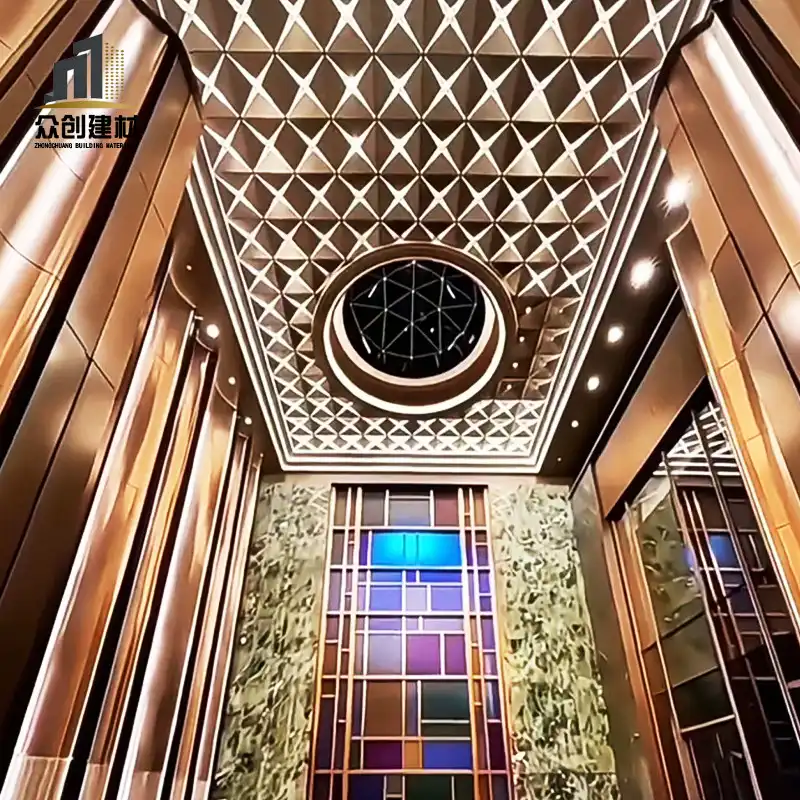
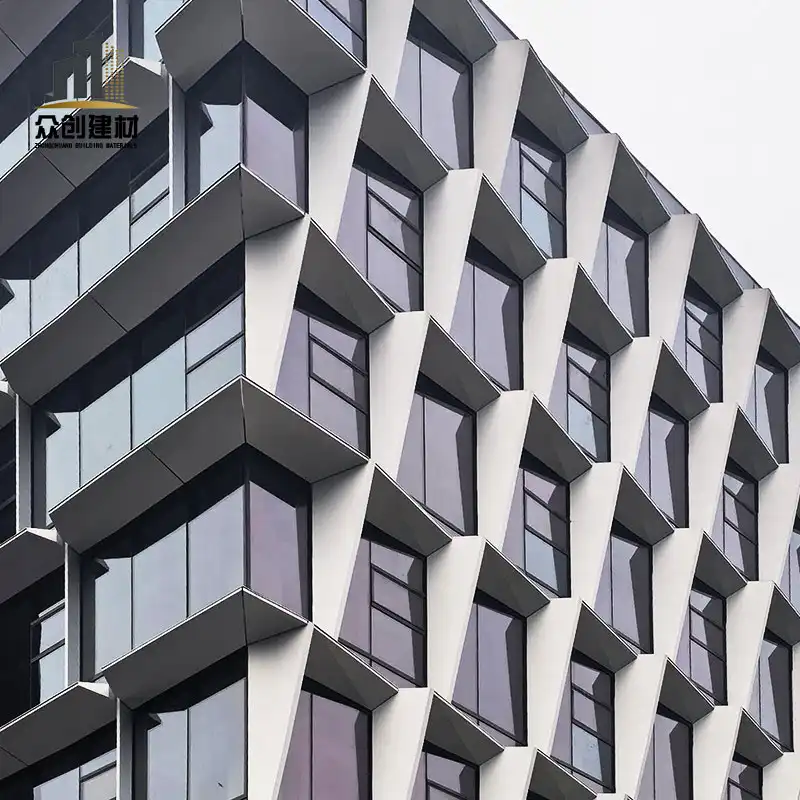
In the past decade, architectural facades have evolved from simple protective enclosures to important carriers of artistic expression and cultural identity. Exterior carved aluminum panel, as a revolutionary facade material, has redefined the possibilities of building skin design with its unique combination of artistic flexibility and functional superiority. From iconic cultural landmarks to commercial centers and residential buildings, it has become an indispensable element in modern architecture.
This article will systematically introduce the core technologies, performance advantages, selection guidelines, installation standards and future development trends of exterior carved aluminum panels, providing a comprehensive reference for architects, engineers and project owners.
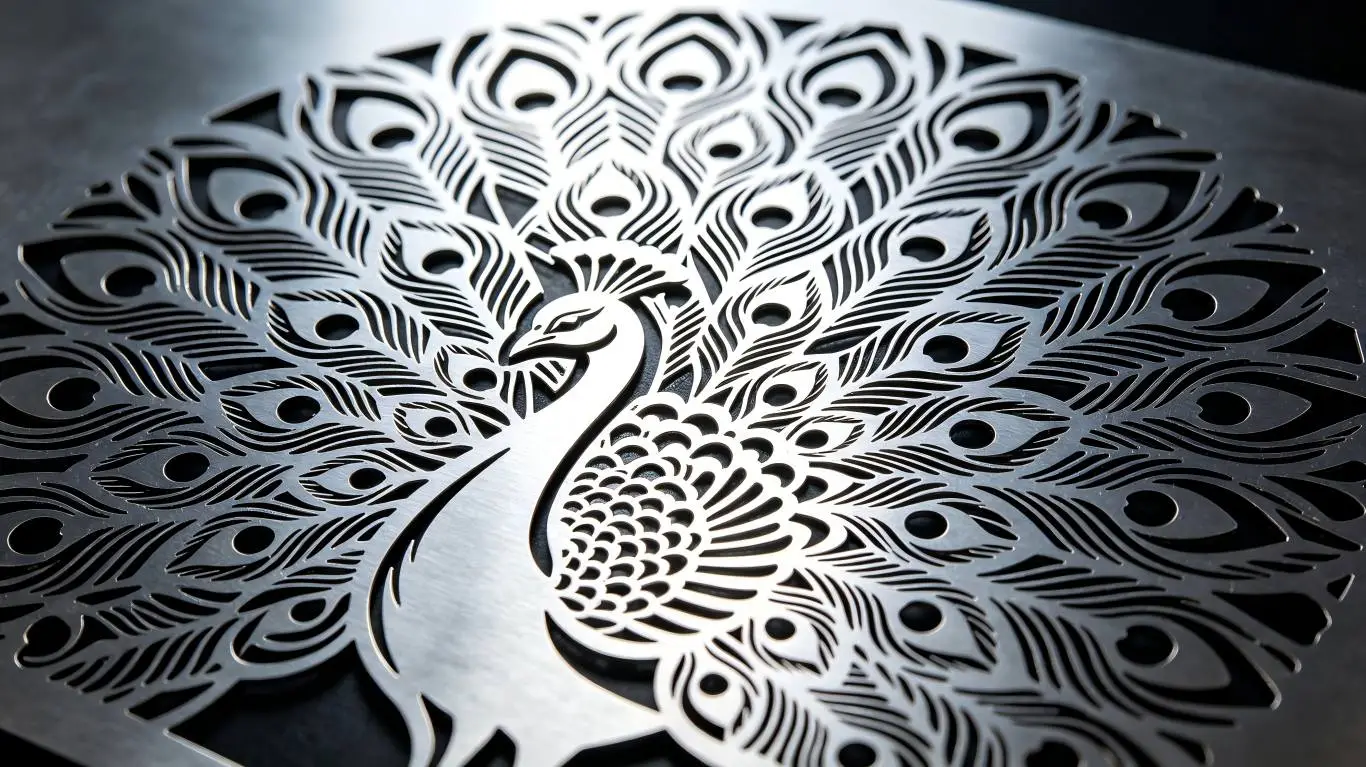
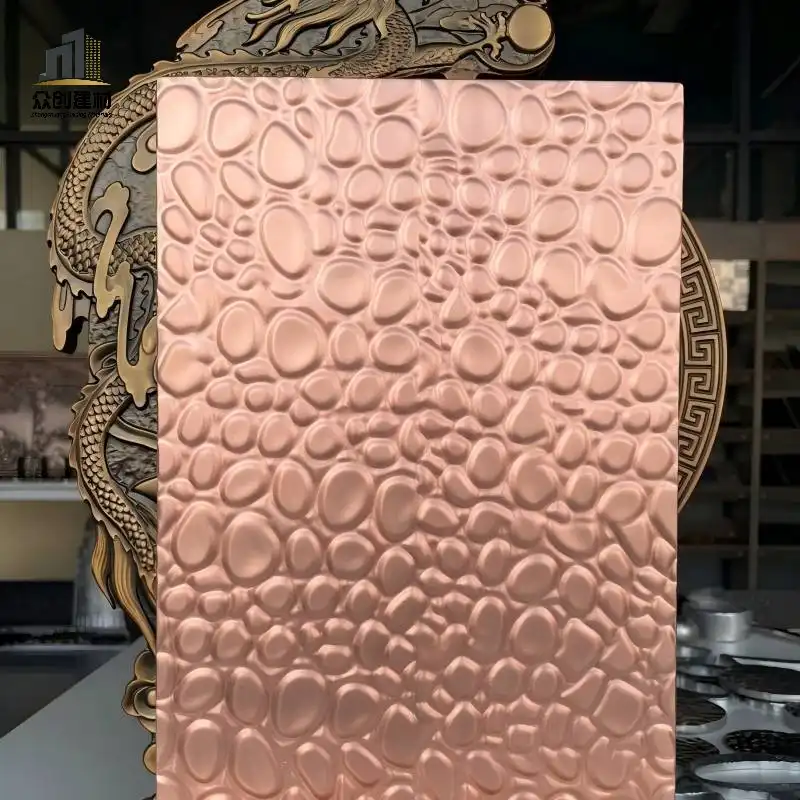
Laser engraving of aluminum plate patterns
1. Core Technologies of Carved Aluminum Panels
There are three main processing technologies for modern carved aluminum panels, each with its own characteristics and application scenarios:
- Laser Cutting: Uses high-energy laser beams to cut aluminum plates. Features high precision (±0.1mm), smooth edges, no burrs, and is suitable for fine hollow patterns and complex geometric designs.
- CNC Routing: Uses rotating cutting tools to remove material. Can create 3D relief effects, beveled edges and deep engravings, adding tactile depth to the facade.
- Chemical Etching: Uses chemical solutions to etch patterns on the aluminum surface. Suitable for large-area uniform texture processing and fine surface details.
2. Comparison with Traditional Facade Materials
| Material Type | Artistic Expression | Weight | Weather Resistance | Fire Rating | Maintenance Cost | Service Life |
|---|---|---|---|---|---|---|
| Carved Aluminum Panel | Excellent (Unlimited Patterns) | Light | Excellent (25+ Years) | A2 Non-combustible | Very Low | 30+ Years |
| Natural Stone | Good | Very Heavy | Good | A1 | High | 50+ Years |
| Glass Curtain Wall | General | Medium | Good | B1 | Medium | 15-20 Years |
| Ceramic Tile | Poor | Heavy | Good | A1 | Medium | 20-30 Years |
| GRC Panel | Good | Medium | Poor | A2 | High | 10-15 Years |
3. Professional Selection Guidelines
- Project Type: For cultural landmarks and high-end commercial buildings, prioritize 3D relief carved panels with complex patterns. For office buildings and residential projects, choose simple geometric patterns to balance aesthetics and cost.
- Environmental Conditions: For coastal areas and industrial zones, select AA5052 aluminum alloy and enhanced PVDF coating to improve corrosion resistance. For high wind areas, increase panel thickness and reinforcement density.
- Functional Requirements: If shading and ventilation are required, design appropriate hollow rate and hole size. If night lighting effect is needed, reserve space for LED lighting systems during design.
- Budget Consideration: Laser cutting is more cost-effective for large-area simple patterns, while CNC routing is more suitable for small-area high-precision 3D designs.
4. Installation & Quality Control Standards
- Installation Requirements: Use galvanized steel or aluminum alloy keel system to ensure structural stability. Reserve 5-10mm expansion joints between panels to accommodate thermal expansion and contraction. The installation error of panel flatness should not exceed 2mm/m.
- Quality Control: Before installation, inspect the panel surface for scratches, color differences and coating defects. After installation, conduct a pull-out test on the hanging system to ensure safety.
- Maintenance: Clean the surface regularly with neutral detergent and soft water. Avoid using sharp tools to scratch the panel surface. Check the tightness of the hanging system every 5 years.
5. 2026 Industry Development Trends
- Parametric & Generative Design AI and parametric design software will be widely used to create complex, organic patterns that were previously impossible to achieve manually.
- Integration of Function and Art Carved aluminum panels will be integrated with solar panels, energy storage systems and smart lighting to become multi-functional building skins.
- Sustainable Manufacturing The use of recycled aluminum and low-carbon production processes will become industry standards. More products will obtain green building certifications.
- Large-scale 3D Printing 3D printing technology will be applied to the production of complex-shaped carved aluminum panels, further expanding design possibilities.
- Cultural Expression More projects will use carved aluminum panels to convey local cultural characteristics and historical memories, creating buildings with regional identity.
Conclusion
Exterior carved aluminum panel has transformed from a simple decorative material into a comprehensive solution that integrates art, technology and function. As architectural design continues to pursue innovation and sustainability, carved aluminum panels will play an increasingly important role in the future of building facades, helping architects create more iconic and environmentally friendly buildings.