_1762768699969.webp)

_1782530506402.webp)
(1)_1783045836766.webp)
_1786157639392.webp)
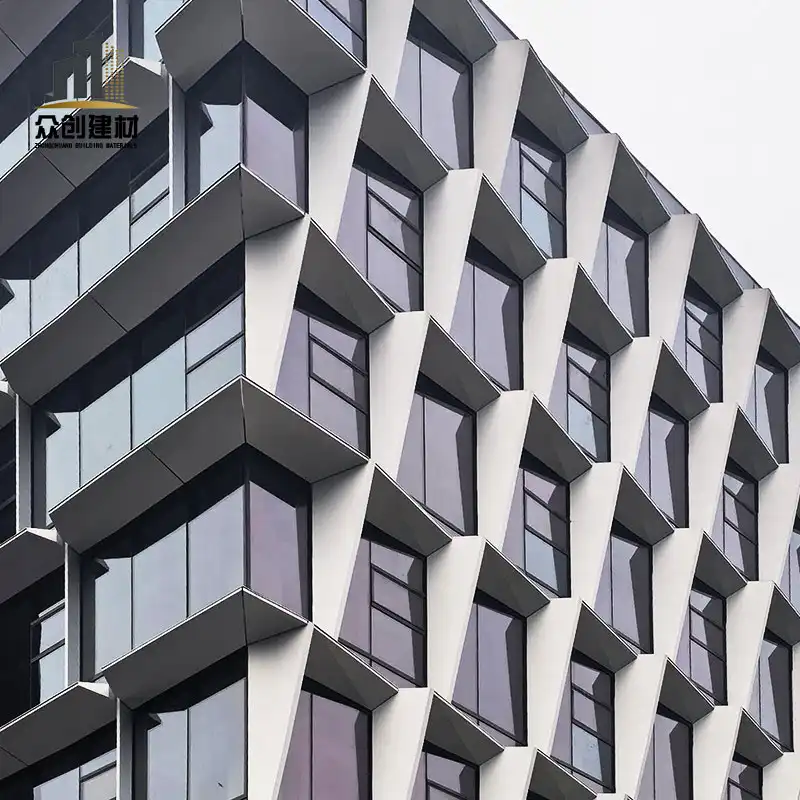
(1)_1780970038980.webp)
Mall Decorative Aluminum Panels: The Ultimate Guide for 2026 Commercial Projects
In the competitive world of retail, the design and ambiance of a shopping mall play a crucial role in attracting customers and enhancing their shopping experience. Today's shoppers expect more than just a place to buy things – they want an immersive, memorable experience that engages all their senses.
Decorative aluminum panels have emerged as the preferred material for modern shopping mall design, offering an unbeatable combination of aesthetics, durability, functionality and sustainability. This comprehensive guide will explore everything you need to know about using decorative aluminum panels in shopping malls, including their key benefits, different types, latest design trends, installation tips and cost considerations.
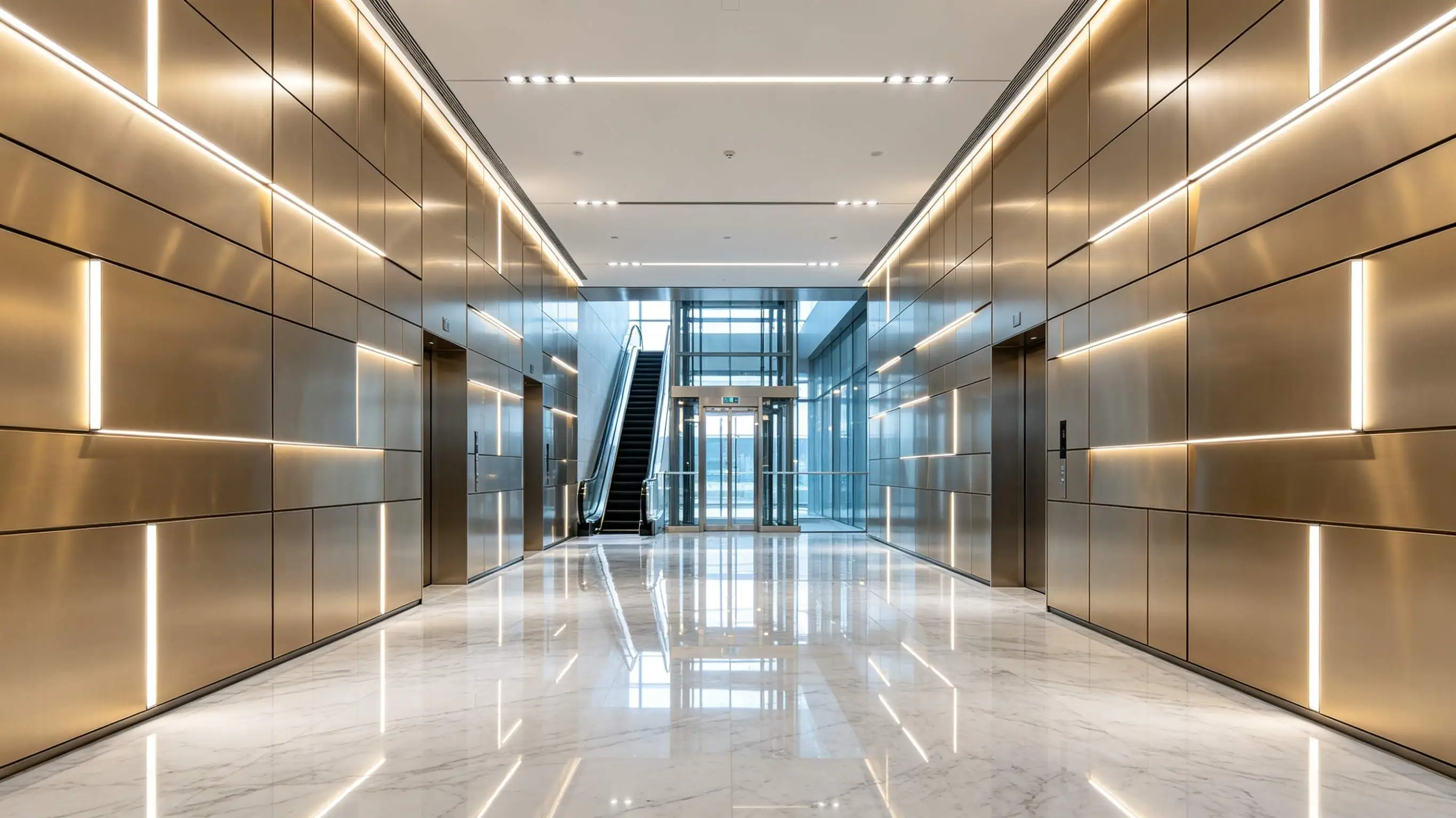
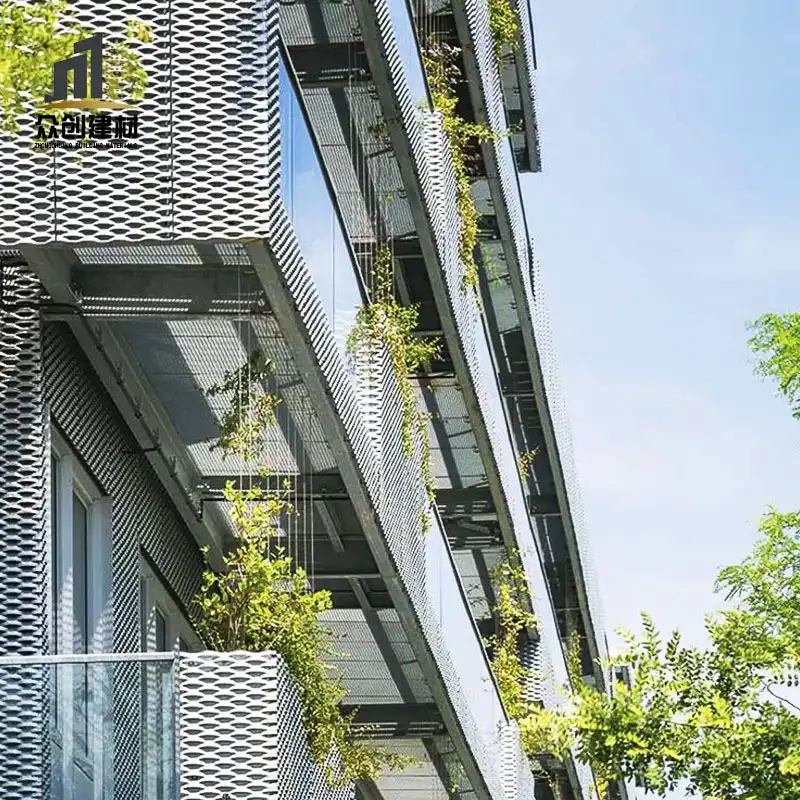
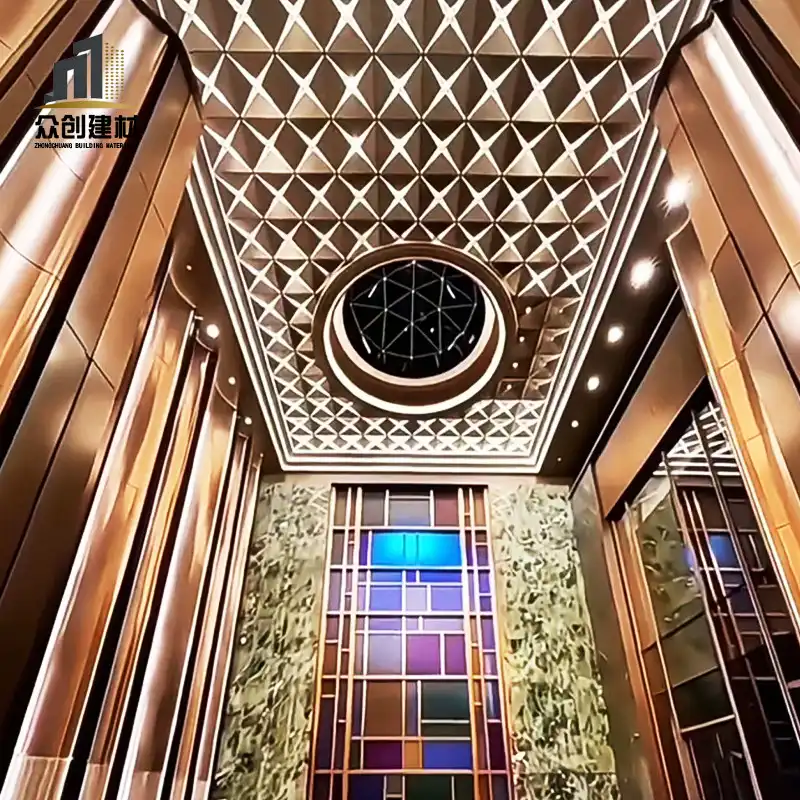
Decorative aluminum panels shopping mall case
Why Aluminum Panels Are Perfect for Shopping Malls
Aluminum panels offer numerous advantages that make them ideal for shopping mall applications:
| Benefit | Description |
|---|---|
| Design Flexibility | Can be fabricated into any shape, size or pattern, allowing for unlimited creative possibilities |
| Durability | Resists scratches, impacts, stains and corrosion, perfect for high-traffic areas |
| Fire Safety | A1 fire-rated, non-combustible, essential for public buildings |
| Low Maintenance | Easy to clean and requires no painting or sealing |
| Sustainability | 100% recyclable and made from up to 85% recycled aluminum |
| Cost Effective | Lowest total lifecycle cost of any decorative material |
| Fast Installation | Modular system allows for quick installation and easy repairs |
Types of Decorative Aluminum Panels for Malls
There are several different types of decorative aluminum panels available, each with its own unique characteristics and applications:
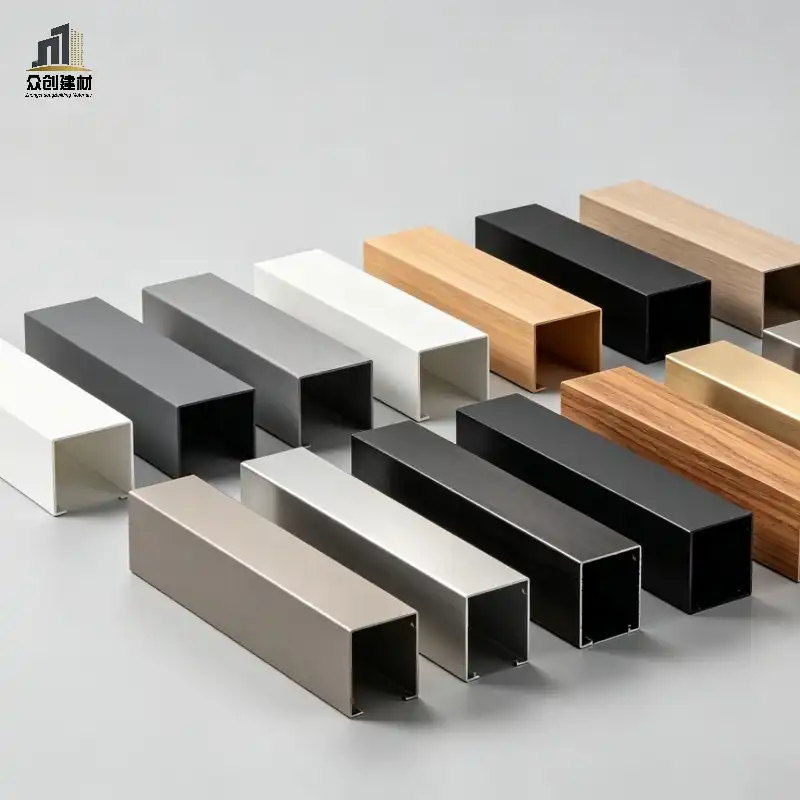
- Solid Aluminum Panels: The most common type, made from solid aluminum sheet. Available in various thicknesses and finishes. Ideal for walls, ceilings and facades.
- Perforated Aluminum Panels: Feature small holes that allow light and air to pass through. Can be used to create unique visual effects and improve acoustics.
- Laser-Cut Aluminum Panels: Allow for intricate, custom patterns and designs. Perfect for feature walls and decorative elements.
- Curved Aluminum Panels: Can be formed into any curved shape, allowing for organic, flowing designs.
- Composite Aluminum Panels: Consist of two thin aluminum sheets bonded to a core material. Lightweight and cost-effective.
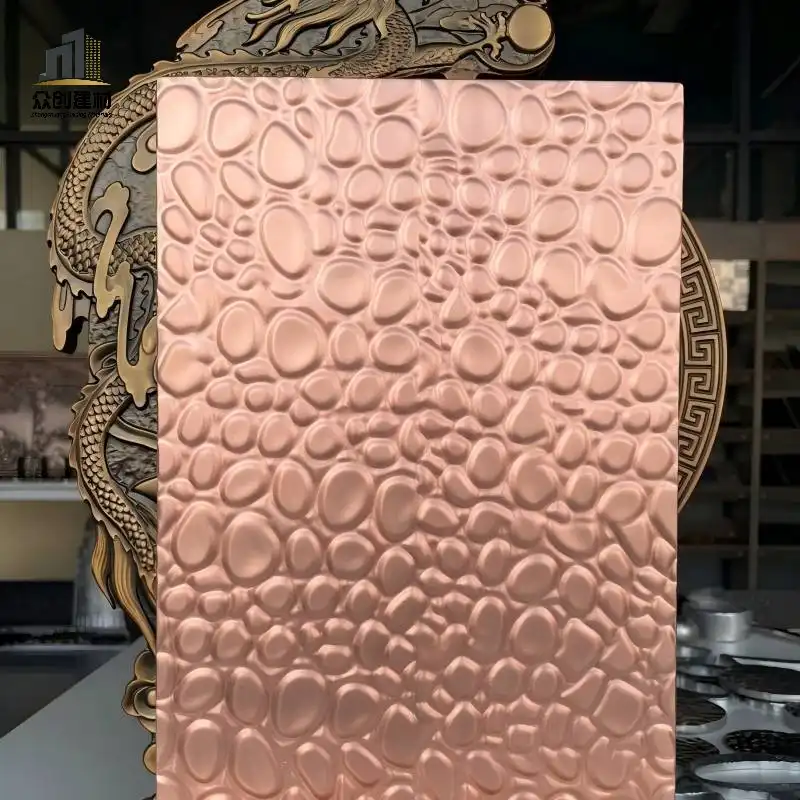
- 3D Aluminum Panels: Add depth and dimension to walls and ceilings with raised or embossed patterns.
2026 Design Trends for Mall Aluminum Panels
Several key trends are shaping the use of decorative aluminum panels in shopping malls in 2026:
- Biophilic Design: Wood grain and stone grain finishes are extremely popular as designers incorporate natural elements into commercial spaces. Living walls combined with aluminum panels create a harmonious blend of nature and modernity.
- Dynamic Lighting Integration: Aluminum panels are being designed to integrate seamlessly with LED lighting systems, creating dynamic, color-changing effects that enhance the shopping experience.
- Perforated and Patterned Panels: Architects are using perforated and laser-cut panels to create unique visual effects, control light and ventilation, and improve acoustics.
- Brand-Centric Design: Custom panels with brand logos, patterns and colors are being used to create cohesive, immersive brand experiences throughout the mall.
- Sustainable Materials: There is a growing demand for aluminum panels made from recycled content and with low-VOC coatings.
- Mixed Materials: Aluminum panels are being combined with other materials such as glass, wood and stone to create interesting textural contrasts.
Installation Best Practices
To ensure optimal performance and aesthetics of your mall aluminum panels, follow these best practices:
- Work with an Experienced Installer: Aluminum panel installation requires specialized skills and equipment. Always work with certified professionals.
- Proper Subframe Installation: The subframe must be perfectly level and square to ensure panels fit together seamlessly.
- Allow for Thermal Expansion: Leave a small gap between panels to accommodate thermal expansion and contraction.
- Use High-Quality Fasteners: Always use stainless steel fasteners to prevent corrosion.
- Protect Panels During Installation: Keep panels in their protective packaging until they are ready to be installed to prevent damage.
- Clean Panels After Installation: Remove any construction debris and clean panels with a mild detergent and water.
Cost Considerations
The cost of mall decorative aluminum panels varies depending on several factors:
- Panel thickness: Thicker panels are more expensive but more durable
- Surface finish: PVDF coatings are more expensive than powder coatings
- Customization: Custom shapes, patterns and finishes add to the cost
- Installation complexity: Curved and 3D panels are more difficult to install
- Project size: Larger projects typically qualify for volume discounts
While the initial cost of aluminum panels may be higher than some other materials, their long lifespan and low maintenance requirements make them the most cost-effective option over the long term.
Conclusion
Decorative aluminum panels have revolutionized shopping mall design by providing a perfect combination of aesthetics, durability, functionality and sustainability. Their unlimited design flexibility allows architects to create unique, memorable shopping environments that attract customers and keep them coming back.
As we move through 2026, we can expect to see even more innovative uses of aluminum panels in shopping malls, with a particular focus on biophilic design, integrated lighting and sustainable materials. Whether you are planning a new mall construction or a renovation project, decorative aluminum panels should be at the top of your list of materials to consider.