_1762768699969.webp)

_1782530506402.webp)
(1)_1783045836766.webp)
_1786157639392.webp)
(1)_1780970038980.webp)
Perforated Aluminum Honeycomb Panel: Selection Guide, Functional Advantages & 2026 Industry Trends
In the field of modern architectural decoration, traditional single decorative materials can no longer meet the dual needs of building aesthetics and functional comfort. As a new type of multifunctional composite building material, perforated aluminum honeycomb panel integrates decoration, sound absorption, ventilation, fire protection and anti-corrosion functions. It has gradually replaced traditional perforated plates and solid honeycomb panels, and has become the preferred material for public building ceilings, acoustic walls and ventilated curtain walls in 2026.
This article comprehensively analyzes the core knowledge of perforated aluminum honeycomb panels, including functional principles, material advantages, engineering selection standards, installation specifications and future industry development trends, providing professional reference for architects, engineering purchasers and construction teams.
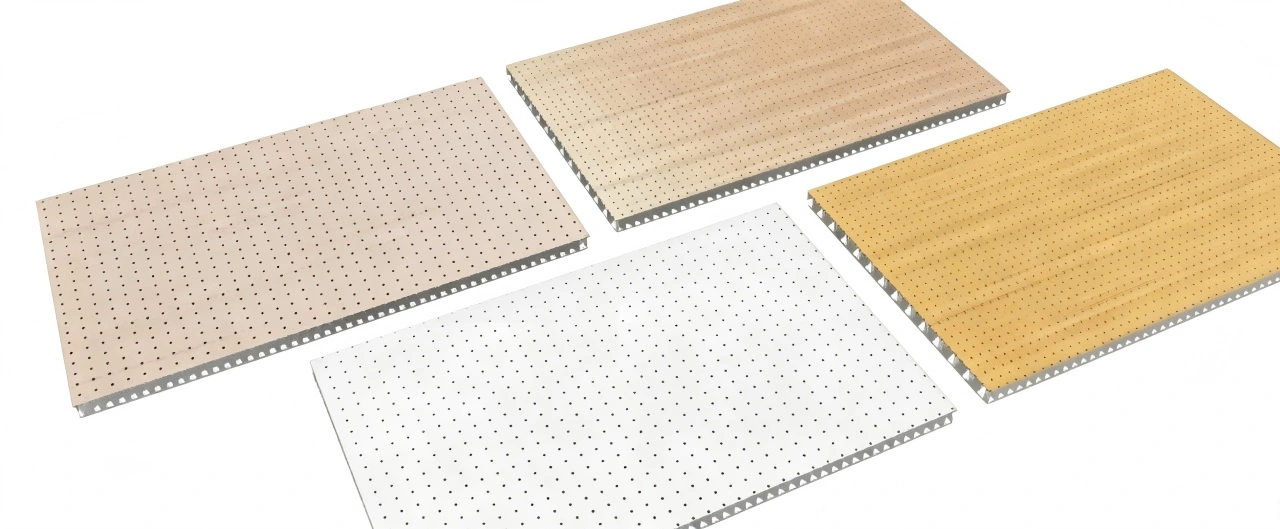
Perforated honeycomb aluminum panel
1. What Is Perforated Aluminum Honeycomb Panel?
Perforated aluminum honeycomb panel is a high-performance sandwich composite panel composed of three parts: precision perforated aluminum face sheet, hexagonal aluminum honeycomb core and solid aluminum back sheet. Different from ordinary solid honeycomb panels, its unique microporous structure forms a physical acoustic absorption system, which can effectively reduce indoor noise and improve space comfort.
The product retains the ultra-light, high-flatness and high-strength characteristics of traditional honeycomb panels, and adds active ventilation and noise reduction functions. With A1 fire resistance, strong weather resistance and customizable appearance, it is a rare multi-functional integrated building decoration material in the current architectural market.
2. Core Advantages Compared With Traditional Perforated Materials
|
Material Type |
Sound Absorption |
Ventilation Performance |
Flatness |
Fire Rating |
Service Life |
|---|---|---|---|---|---|
|
Perforated Aluminum Honeycomb Panel |
Excellent (NRC 0.6-0.95) |
Good Permeability |
Ultra-high Flatness |
A1 Non-combustible |
20+ Years |
|
Ordinary Perforated Aluminum Veneer |
Weak |
General |
Easy to Deform |
A1 Non-combustible |
10-15 Years |
|
Perforated Wood Panel |
Good |
General |
Poor |
B1 Combustible |
5-8 Years |
|
Perforated Iron Plate |
Weak |
Good |
General |
A1 Non-combustible |
Easy to Rust |
3. Professional Engineering Selection Standards
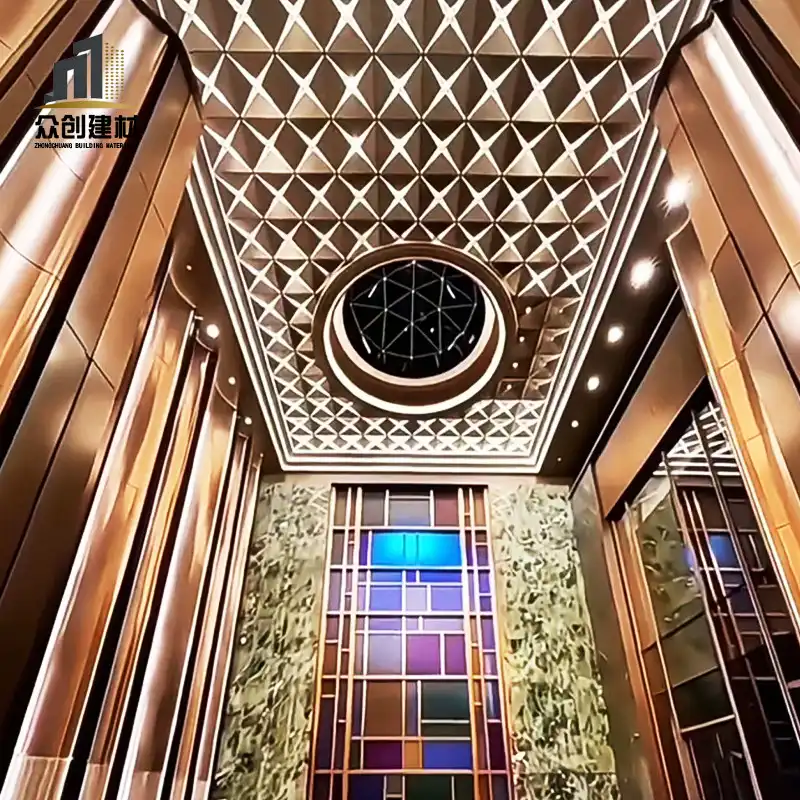
Public Acoustic Spaces (Theater, Library, Office): Prioritize medium and high perforation rate panels with NRC above 0.8, matched with conventional powder coating, focusing on sound absorption and environmental comfort.
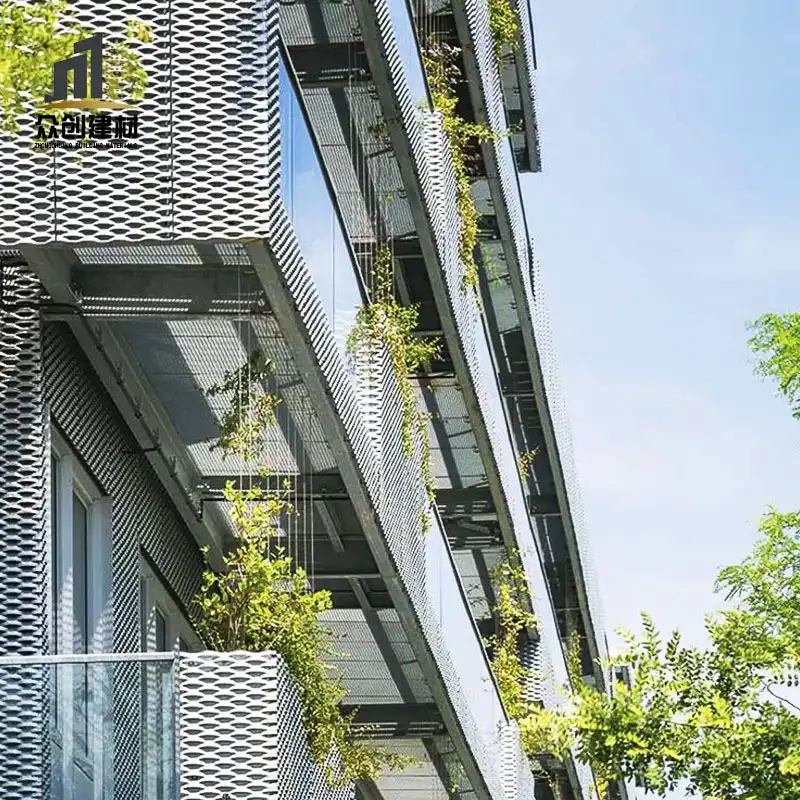
Outdoor Ventilated Curtain Wall Projects: Select PVDF fluorocarbon coated perforated honeycomb panels with low and medium perforation rate to ensure weather resistance and structural stability while meeting ventilation and heat dissipation needs.
Coastal & Marine Projects: Choose AA5052 marine-grade aluminum substrate with enhanced salt spray resistance to avoid corrosion and aging in high-salt and high-humidity environments.
Large-format Ceiling Projects: Adopt ultra-flat large-size honeycomb panels to reduce splicing gaps and realize integrated and minimalist decorative effect.
4. Installation & Maintenance Guidelines
Installation Standards: Adopt aluminum alloy keel hidden installation system to ensure firm fixation. Reserve reasonable expansion gaps between panels to prevent thermal expansion and contraction deformation. Ensure uniform perforation direction and neat overall layout during construction.
Daily Maintenance: Clean surface dust with soft cloth or clean water regularly. Avoid sharp objects scratching the coating and hole edges. Do not use strong acid and alkali detergents. Check keel firmness and panel flatness quarterly to ensure long-term stable use.
5. 2026 Industry Development Trends
Functional Integration Becomes Mainstream: Single decorative materials are gradually eliminated, and multifunctional materials with sound absorption, ventilation, fire protection and decoration integration have become the first choice for high-end architectural engineering.
High Weather Resistance & Marine Grade Popularization: With the increase of coastal city renovation and waterfront construction projects, marine-grade anti-corrosion perforated honeycomb panels will be widely used in extreme environment projects.
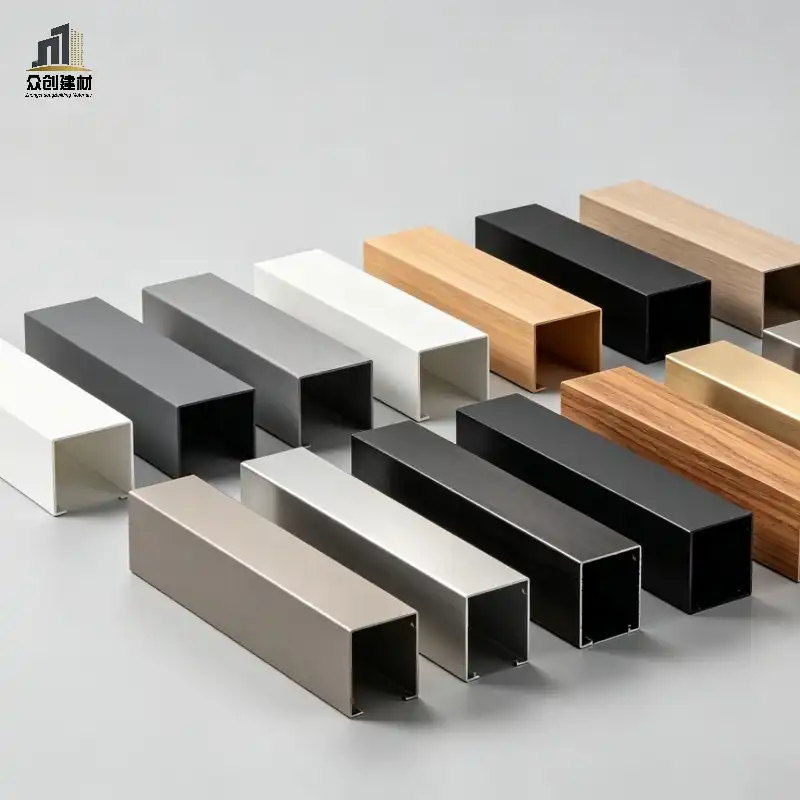
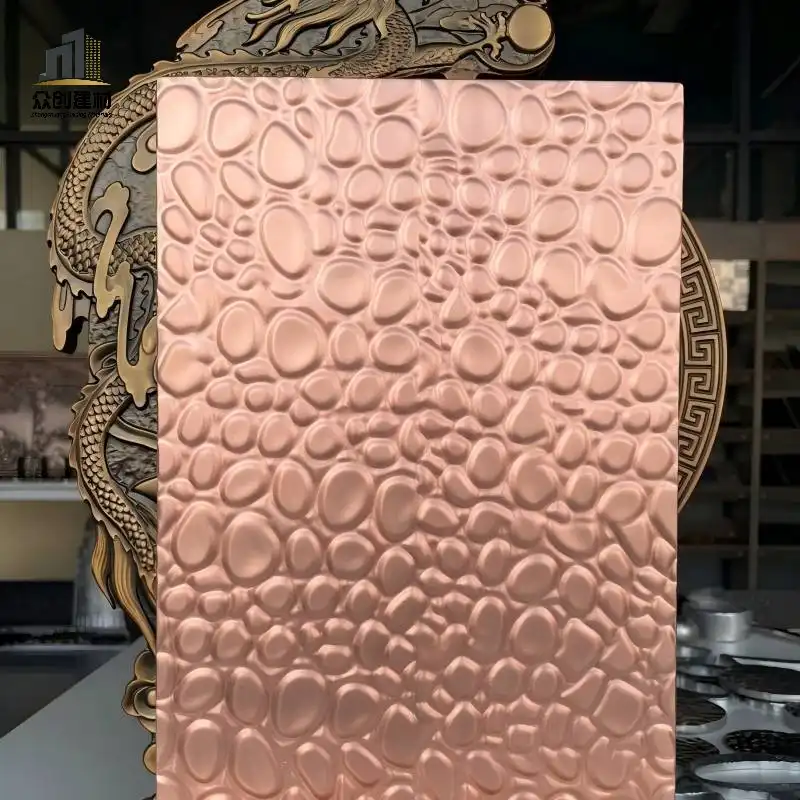
Artistic Customization Upgrade: Personalized artistic perforation, LOGO hollow and special-shaped hole patterns are increasingly favored by designers, realizing exclusive customized architectural space expression.
Green & Low-carbon Development: Recycled aluminum materials and low-VOC environmental coatings are fully popularized, conforming to the global green building and energy-saving development trend.
Conclusion
Perforated aluminum honeycomb panels break the functional limitation of traditional single building materials, and perfectly balance architectural aesthetics, space comfort and building safety. With the continuous upgrading of public building functional standards, customized, high-functional and high-weather-resistance perforated aluminum honeycomb panels will become the core mainstream material in the field of modern architectural decoration in the next few years.