_1762768699969.webp)

_1782530506402.webp)
(1)_1783045836766.webp)
_1786157639392.webp)
(1)_1780970038980.webp)
PVDF Coated Aluminum Expanded Mesh Facades: The Complete Guide for 2026
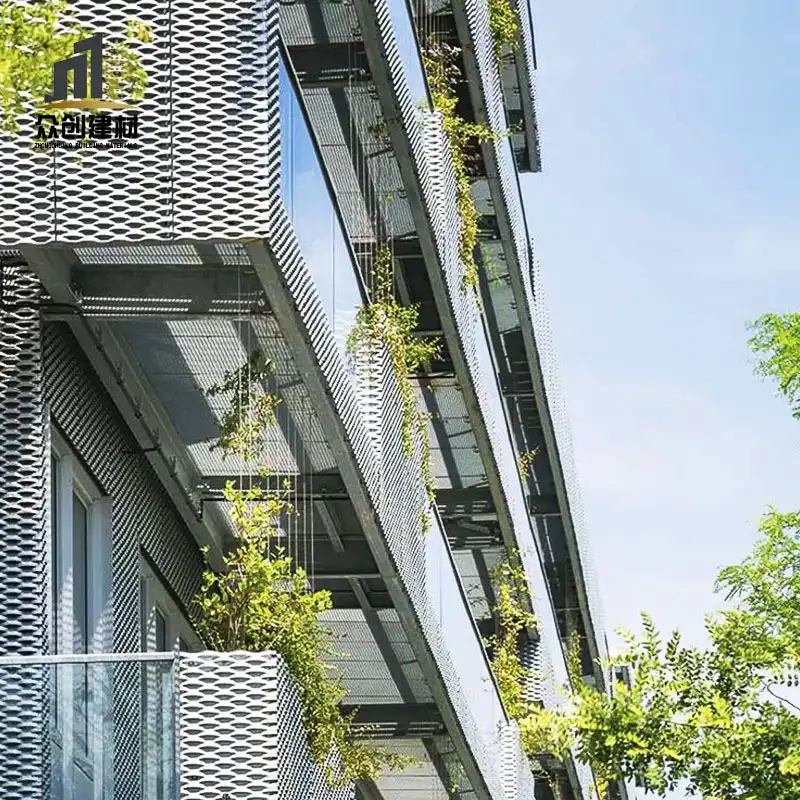
In recent years, PVDF coated aluminum expanded mesh has emerged as one of the fastest-growing facade materials in the world. Its unique combination of aesthetics, performance, and sustainability has made it the preferred choice for architects and designers looking to create modern, dynamic building exteriors.
This comprehensive guide will explore everything you need to know about PVDF coated aluminum expanded mesh facades, including their key benefits, different types, cost comparison with other materials, installation process, maintenance requirements, and the latest trends shaping the industry in 2026.
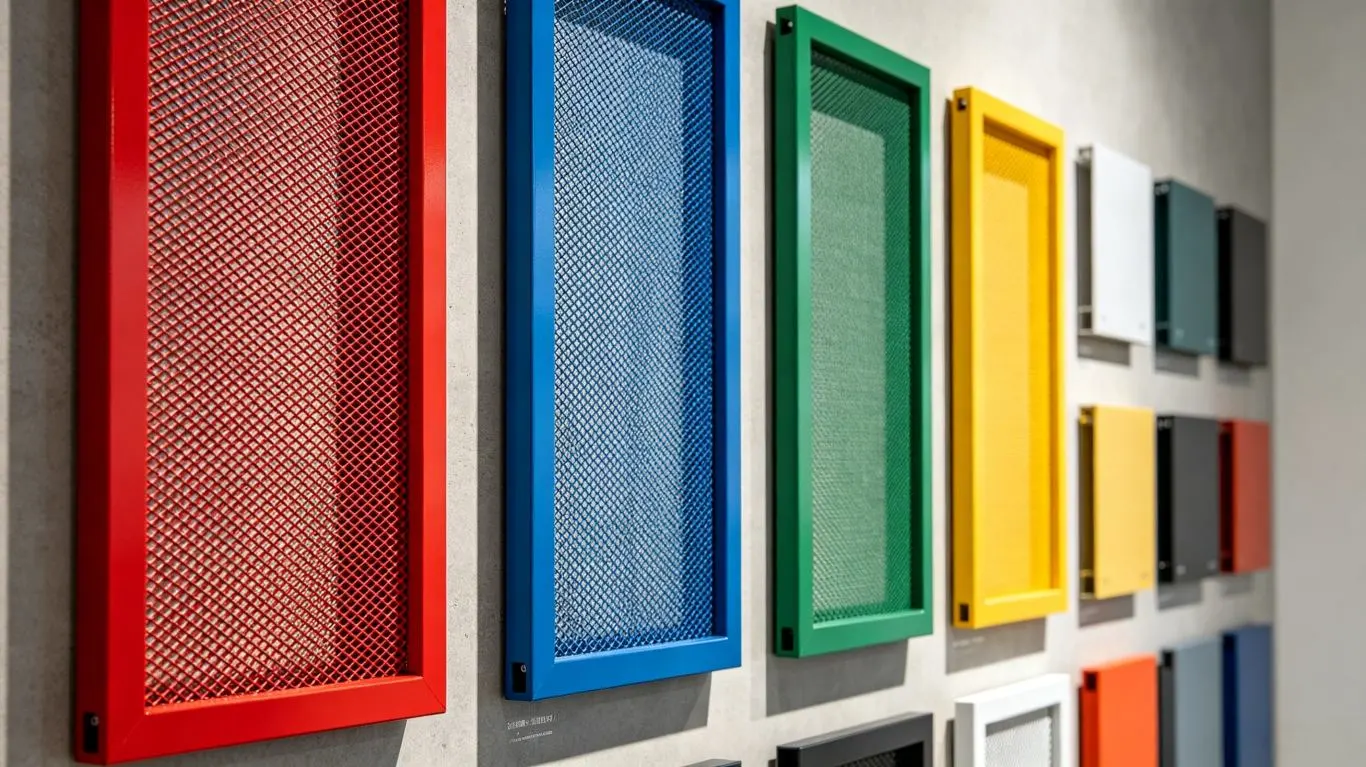
What Is PVDF Coated Aluminum Expanded Mesh?
Aluminum expanded mesh is a type of metal mesh made by punching and stretching a single sheet of aluminum alloy. Unlike woven or welded mesh, expanded mesh has no joints or welds, creating a continuous, seamless structure that is stronger and more durable.
PVDF (Polyvinylidene Fluoride) coating is a high-performance fluoropolymer coating that provides exceptional weather resistance, UV protection, and color retention. When applied to aluminum expanded mesh, it creates a facade material that is both beautiful and extremely durable, making it ideal for exterior applications.
Key Benefits of PVDF Coated Aluminum Expanded Mesh Facades
| Benefit | Description |
|---|---|
| Unique Aesthetics | Creates a dynamic, semi-transparent appearance that changes with light |
| Exceptional Durability | Lasts 50+ years with minimal maintenance |
| Superior Weather Resistance | Resists UV radiation, corrosion, and extreme temperatures |
| Lightweight | Reduces structural load by 60% compared to solid panels |
| Energy Efficient | Provides natural ventilation and solar shading |
| Fire Safety | A1 fire-rated, non-combustible |
| Sustainability | 100% recyclable and made from up to 85% recycled aluminum |
| Design Flexibility | Available in unlimited patterns, sizes, and colors |
Aluminum Expanded Mesh vs. Other Popular Facade Materials
To help you make an informed decision, here's how aluminum expanded mesh compares to other popular facade materials:
| Material | Initial Cost | Lifespan | Maintenance | Fire Rating | Sustainability | Aesthetics |
|---|---|---|---|---|---|---|
| Aluminum Expanded Mesh | Medium | 50+ years | Very Low | A1 | Excellent | Excellent |
| Solid Aluminum Panel | High | 50+ years | Low | A1 | Excellent | Good |
| Glass Curtain Wall | Very High | 25-30 years | High | B | Fair | Excellent |
| Brick | High | 100+ years | Medium | A1 | Good | Fair |
| Stucco | Medium | 30-50 years | High | A1 | Fair | Poor |
| Vinyl Siding | Low | 20-30 years | Medium | C | Poor | Fair |
As you can see, aluminum expanded mesh offers the best overall balance of performance, aesthetics, and cost. It is significantly lighter and more affordable than solid aluminum panels and glass curtain walls, while offering superior durability and lower maintenance than brick and stucco.
Different Types of Aluminum Expanded Mesh Facades
There are several different types of aluminum expanded mesh facades available, each with its own unique characteristics:
- Standard Diamond Mesh: The most common type, featuring a classic diamond pattern. Available in various sizes and open areas.
- Hexagonal Mesh: Creates a more organic, honeycomb-like appearance. Popular for modern and contemporary designs.
- Fish Scale Mesh: Features overlapping scales that create a unique, textured appearance. Perfect for creating dynamic, flowing designs.
- Custom Pattern Mesh: Can be customized to create any pattern, including logos, images, and artistic designs.
- Multi-Layer Mesh: Uses multiple layers of mesh to create complex, three-dimensional visual effects.
Installation Process
The installation process for aluminum expanded mesh facades typically involves the following steps:
- Surface Preparation: The existing wall surface is cleaned and prepared.
- Subframe Installation: A metal subframe is attached to the building structure.
- Insulation Installation: Insulation is installed between the subframe and the wall (if required).
- Panel Installation: The aluminum expanded mesh panels are mounted to the subframe using hidden fasteners.
- Joint Sealing: Joints between panels are sealed with weather-resistant silicone (if required).
- Final Cleaning: The panels are cleaned and inspected.
The entire process is typically 2-3 times faster than installing traditional brick or stucco facades.
Maintenance Requirements
One of the biggest advantages of PVDF coated aluminum expanded mesh facades is their extremely low maintenance requirements:
- Annual Cleaning: Simply wash the panels with water and a mild detergent once a year.
- Inspection: Inspect the panels and joints annually for any signs of damage.
- Repairs: Damaged panels can be easily replaced without removing adjacent panels.
Unlike wood or stucco, aluminum expanded mesh never needs to be painted, stained, or sealed.
2026 Industry Trends
Several key trends are shaping the aluminum expanded mesh facade market in 2026:
- Enhanced Corrosion Resistance: As demonstrated by Zhongchuang's new product, marine-grade aluminum expanded mesh with 10000-hour salt spray resistance is becoming increasingly popular for coastal projects.
- Integrated Lighting: More and more projects are integrating LED lighting directly into the mesh facade system, creating dynamic, color-changing effects at night.
- Custom Artistic Designs: Advances in digital manufacturing have made it easier and more affordable to create custom mesh patterns and artistic designs.
- Sustainability: With growing emphasis on green building standards, manufacturers are increasingly using recycled aluminum and developing more sustainable production processes.
- Smart Facades: Aluminum expanded mesh is being combined with smart technologies to create facades that can adjust their transparency and shading based on weather conditions.
Conclusion
PVDF coated aluminum expanded mesh has revolutionized modern facade design by providing a perfect combination of stunning aesthetics, exceptional performance, and sustainability. Its unique semi-transparent appearance creates dynamic, ever-changing building exteriors, while its lightweight, durable construction ensures long-term performance with minimal maintenance.
As technology continues to advance, we can expect to see even more innovative uses of aluminum expanded mesh in building facades, with a particular focus on enhanced performance, custom design, and smart integration. Whether you are designing a commercial building, public facility, or residential project, PVDF coated aluminum expanded mesh should be at the top of your list of facade materials to consider.