_1762768699969.webp)

_1782530506402.webp)
Exterior Aluminum Fluted Cladding: 2026 Complete Specifier & Installation Guide
Introduction
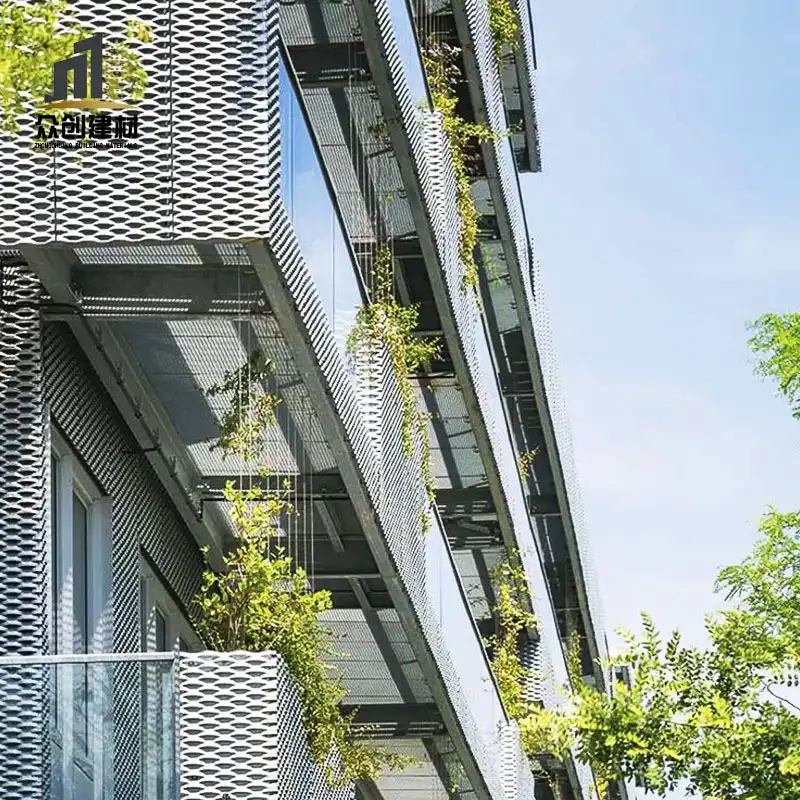
Linear, textured facades are one of the biggest trends in modern architecture over the past three years, and exterior aluminum fluted cladding (also called ribbed aluminum siding or 3D grooved aluminum facade panels) has fast become one of the most popular decorative exterior materials. Unlike flat aluminum panels, the 3D ribbed profile adds depth, linear rhythm and dynamic shadow to building exteriors, while retaining all the durability and low maintenance benefits of aluminum.
However, many specifiers and project teams make the mistake of treating exterior fluted panels the same as interior fluted panels, leading to issues with water penetration, wind damage, color fading and fastener corrosion. This guide covers everything you need to know to specify, install and maintain exterior aluminum fluted cladding for long-term performance.

Why Exterior Aluminum Fluted Cladding Is Growing in Popularity
Architects and developers are increasingly choosing fluted aluminum for exterior projects for five key reasons:
- Modern linear aesthetic: The vertical or horizontal ribs create clean, contemporary lines that add visual interest without busy ornamentation, matching modern minimalist and industrial design styles.
- Dynamic shadow effect: The 3D profile creates changing shadows throughout the day as the sun moves, giving the facade a dynamic, living appearance that flat panels cannot match.
- Superior durability: Aluminum fluted panels will not rot, warp, crack or suffer insect damage, with 20-30 year service life in exterior conditions.
- Fast installation: Pre-finished panels install quickly with hidden clip systems, reducing facade construction time by 30% compared to masonry or site-built finishes.
- Low lifecycle cost: No painting, staining or sealing required, with only annual cleaning needed. Total 20-year maintenance cost is 70% lower than wood or fiber cement siding.

Key Performance Requirements for Exterior Fluted Panels
Unlike interior fluted panels, exterior rated panels must meet strict performance requirements to withstand outdoor conditions:
- Coating performance: Must use 70% PVDF fluorocarbon coating, not polyester or interior powder coat. PVDF resists UV fading, chalking, acid rain and salt air, with 20+ year color retention.
- Panel thickness: Minimum 1.5mm thickness for low-rise residential, 2.0mm+ for commercial and high-rise projects, with internal stiffeners for panels over 3m long to resist wind load.
- Wind load resistance: Panels and fixing systems must be engineered for local wind speeds, with pull-out testing for fasteners in high-wind and coastal areas.
- Water management: The ribbed profile must be designed to drain water freely, with no horizontal flat areas that hold standing water. Hidden clip systems must include integrated drainage gaps behind panels.
- Fire rating: A2 class non-combustible rating for all commercial and multi-story projects, meeting international facade fire standards.
- Thermal expansion allowance: Fixing systems must allow for aluminum thermal expansion and contraction to prevent panel buckling in extreme temperatures.
Exterior vs Interior Fluted Panels: What’s the Difference
Using interior fluted panels for exterior projects is one of the most common and costly mistakes. The key differences are:
| Feature | Exterior Rated Fluted Panels | Interior Fluted Panels |
|---|---|---|
| Minimum Thickness | 1.5mm (residential) / 2.0mm (commercial) | 0.7mm – 1.2mm |
| Coating | PVDF fluorocarbon, UV resistant | Polyester / standard powder coat |
| Fixing System | Heavy duty hidden clips with expansion allowance | Light duty clips or glue |
| Waterproof Design | Integrated drainage, EPDM gaskets | No waterproofing design |
| Wind Load Engineering | Project specific structural calculation | No structural rating |
| Typical Warranty | 20-30 years exterior | 5-10 years interior only |
| Salt Air Resistance | Marine grade 5052 aluminum available | Not suitable for coastal areas |
Most Popular Exterior Application Scenarios
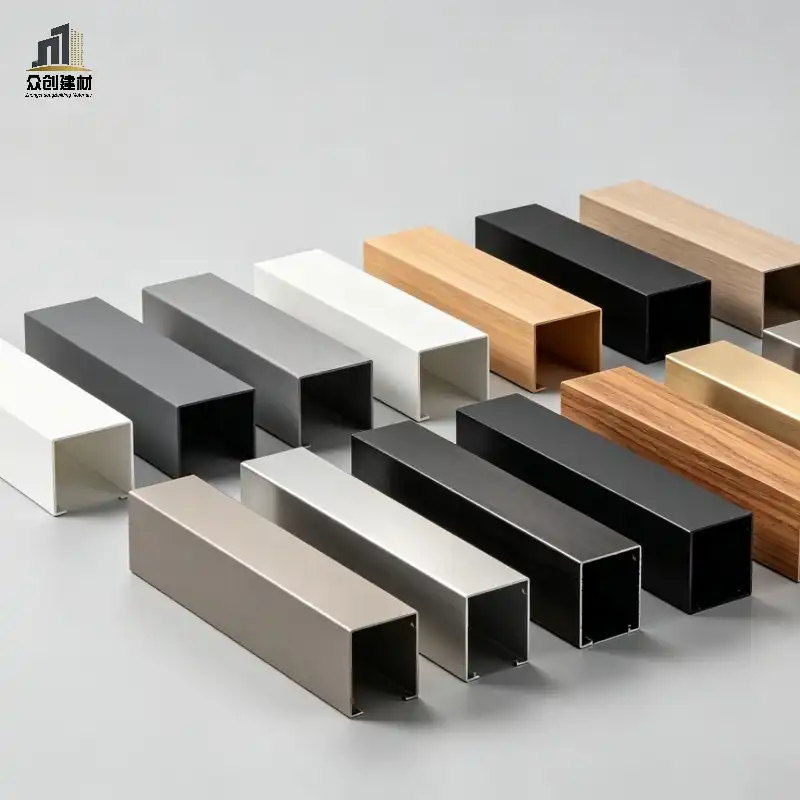
- Modern villa & residential exteriors: Vertical fluted panels in wood grain, dark gray or black create a clean modern look, used for full facades or accent walls.
- Commercial building facades: Large scale horizontal or vertical fluted cladding for office buildings, retail centers and hotels, often combined with flat panels and glass.
- Storefronts & retail frontages: Fluted panels create high-visibility, modern storefronts that stand out on street fronts, with durable finish that withstands high traffic and weather.
- Industrial park & factory facades: Large ribbed fluted panels provide a clean, modern look for industrial buildings at lower cost than custom facade systems, with fast installation.
- Facade accents & sun shading: Fluted panels used as horizontal or vertical accent bands, window surrounds and brise soleil add texture while providing partial sun shading.
- Balcony & terrace cladding: Waterproof fluted panels clad balcony walls and parapets, with a finish that will not stain or degrade from rain and weather.
Common Mistakes When Specifying Exterior Fluted Cladding
- Using interior panels for exterior: Thin interior polyester panels will fade, chalk and warp within 2-3 years outdoors, and will not meet building code fire requirements.
- Specifying too thin material: Panels under 1.5mm will bend and rattle in wind, especially on high-rise buildings. Always use minimum 2.0mm for anything over two stories.
- Ignoring water drainage: Horizontal fluted panels installed without proper slope will hold standing water in the ribs, leading to staining, coating degradation and possible water penetration.
- No expansion gap: Butting panels tight together with no room for thermal expansion will cause buckling and oil-canning in hot weather.
- Using standard steel screws: Carbon steel screws will rust and stain the panel surface within a few years. Always use stainless steel 304 or 316 fasteners.
- Visible fasteners on exterior: Drilling screws through the panel face creates water entry points and ruins the clean look; always use hidden clip systems for exterior projects.
Installation Best Practices for Exterior Projects
- Use hot-dip galvanized or aluminum keels: Do not use untreated steel studs, which will rust and stain the facade over time.
- Install panels vertically for best drainage: If using horizontal ribs, ensure 2-3 degree slope to drain water, and include drain holes at low points.
- Leave 1-2mm expansion gap between panels: Use color-matched EPDM gaskets in joints to allow movement while keeping water out.
- Install breathable waterproof membrane behind panels: This provides a second line of defense against water penetration.
- Use neutral cure silicone sealant: Do not use acid cure silicone, which will stain panel finishes and corrode aluminum.
- Test pull-out strength of fasteners: For high-rise and coastal projects, test fastener pull-out on site to ensure wind load resistance.
Long-Term Maintenance Tips for Exterior Fluted Facades
- Annual cleaning: Wash panels with mild detergent and low-pressure water once per year to remove dirt and pollution buildup, especially in coastal and industrial areas.
- Inspect sealants annually: Check joints and sealant every year, replace any cracked or peeling sealant before water penetration occurs.
- Check fasteners after extreme weather: After major storms or high wind events, inspect panels for loose clips or fasteners.
- Avoid abrasive cleaning: Do not use abrasive pads or harsh chemicals, which will scratch and damage the PVDF coating.
- Coastal area maintenance: Rinse panels with fresh water every 3 months in coastal areas to remove salt residue, which can accelerate coating wear.
Frequently Asked Questions
Q: How long do exterior aluminum fluted panels last?
A: PVDF coated 3003 aluminum panels last 20-25 years in standard climates. For coastal areas, 5052 marine grade aluminum with super durable PVDF coating lasts 25-30 years.
Q: Will fluted panels leak water?
A: When installed correctly with hidden clips, proper drainage and gaskets, fluted aluminum facades are fully waterproof. Leaks only occur from poor installation detail.
Q: Can fluted panels be installed horizontally?
A: Yes, but horizontal ribs must be installed with slight slope and drain holes to prevent standing water. Vertical installation is always preferred for exterior applications for best drainage.
Q: Are fluted aluminum panels more expensive than flat aluminum panels?
A: Material cost is 10-15% higher than flat aluminum panels, but the 3D finish eliminates the need for additional decorative elements, often resulting in lower total facade cost.
Q: Can I install exterior fluted panels over existing brick or siding?
A: Yes. The clip and keel system can be installed directly over existing masonry or siding, making fluted aluminum ideal for building renovation projects.