_1782530506402.webp)
Illuminated Perforated Aluminum Panels for Brand Display in Real Estate Marketing Centers
The real estate marketing center, or sales showroom, is the first touchpoint for a property project to reach potential clients. Its interior design directly shapes customers’ perception of project quality and influences purchase decisions. Modern marketing centers have evolved far beyond simple sales functions. They have become comprehensive exhibition spaces integrating brand presentation, project experience and cultural communication. For spaces with high standards for quality, design aesthetics and brand identity, integrated illuminated perforated aluminum panels stand out as a favoured decorative material thanks to their refined metallic texture, versatile lighting performance and flexible customisation capability. This article explores application scenarios and design value of illuminated perforated aluminum panels in real estate marketing centers.

Illuminated perforated aluminum panels have diverse applications inside marketing centers.
First, brand feature walls, the most common application. Upon entering the center, visitors first notice the brand wall. Developer logos and project names can be formed by perforated illuminated aluminum panels. In daytime, it delivers a delicate metallic wall surface; after dark, internal light shines through perforations to highlight the brand with a sophisticated look. Compared with traditional painted walls fitted with separate light-up letters, perforated illuminated panel walls create a seamless, high-end design language, and the metallic texture reinforces the premium positioning of the development.
Second, project introduction and construction method display zones. Marketing centers usually house sand tables, unit models and construction showcase areas. Illuminated perforated aluminum panels can act as background walls for these zones. Combined with internal lighting, they accentuate product highlights and selling points. Gradient perforation patterns under soft lighting create layered, atmospheric display surroundings.
Third, backdrops for reception desks and bar counters. The reception area is a key functional zone. An illuminated perforated aluminum panel backdrop becomes a strong visual focal point and elevates the premium feel of the reception area.
Fourth, sculpted ceiling systems. In entrance lobbies, sand table zones and negotiation zones, illuminated perforated aluminum panels can be fabricated into custom ceiling forms. Built-in lighting generates distinctive overhead visual effects and enhances the luxurious aesthetic of the space.
Fifth, partitions and screens. Between functional zones, such as negotiation areas and VIP rooms, or display zones and lounge areas, perforated illuminated aluminum panels serve as dividers. They separate zones while retaining visual permeability and ambient atmosphere.
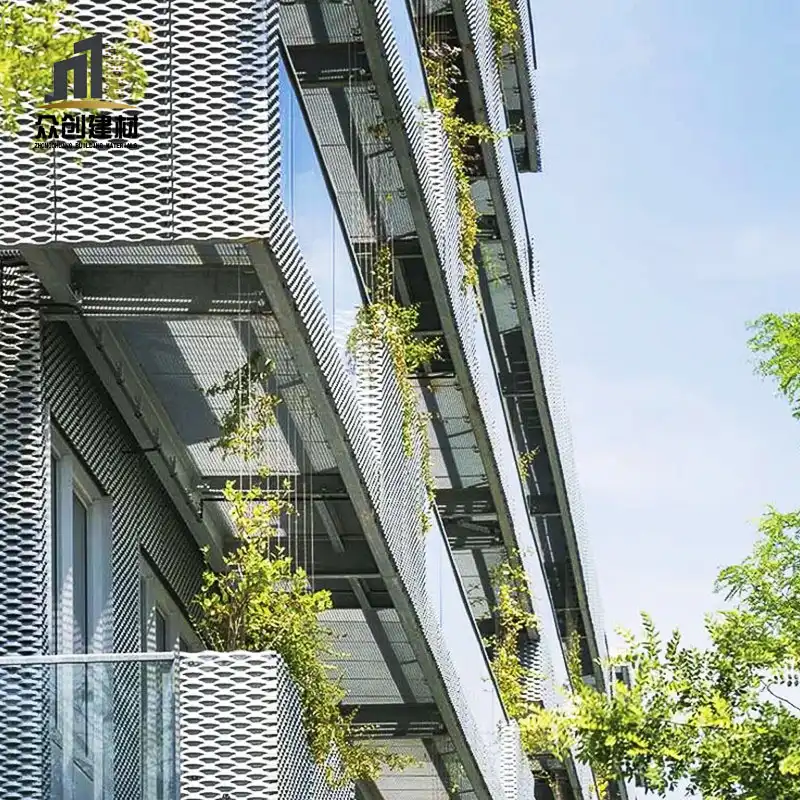
Sixth, exterior facades and entrance canopies. The outer facade and main entrance of the marketing center frequently adopt this material. It forms a prominent brand surface by day, and turns eye-catching after dark when lit up, attracting passers-by and supporting brand exposure.

The value of illuminated perforated aluminum panels in marketing center design lies in five key aspects.
Firstly, quality uplift. Real estate projects sell quality and perceived value. The refined metallic texture and uniform glowing effect of perforated illuminated panels instantly upgrade the space, letting customers feel the high-end positioning the moment they step in. The impression of refinement, premium quality and meticulous craftsmanship aligns perfectly with the brand identity the developer wants to establish.
Secondly, design uniqueness. Patterns and lighting schemes are fully customisable. Each project can have exclusive perforation layouts and lighting effects to avoid generic showroom designs and reflect design originality. For projects rooted in cultural or regional themes, perforation patterns can echo the core concept, adding depth and memorable features to the space.
Thirdly, atmosphere creation. Real estate sales heavily rely on spatial ambiance. Warm, premium lighting puts customers in a relaxed mood to explore the project and increases purchase intention. The gentle glow from perforated panels, paired with supplementary lighting, builds a sophisticated, inviting atmosphere that positively impacts visitors’ experience.
Fourth, multi-functional integration. The panel works simultaneously as decorative cladding, lighting component and brand carrier. Multiple functions are consolidated into one modular system, delivering a clean, unified design.
Fifth, fast construction. Marketing center projects usually have tight schedules. Illuminated perforated aluminum panels are prefabricated in factory as modular units, enabling fast on-site installation to achieve high-quality finishes within a short timeline, ideal for fast-track showroom projects.
Design solutions should be matched to the project positioning. For luxury residential developments, the design tends to be subtle and refined: fine micro perforations, bronze or champagne metallic finishes and soft warm lighting to convey understated luxury. For contemporary-style projects, simple geometric perforation patterns, silver or black surfaces and cool white lighting are preferred to express modernity and technological sensibility. For culturally themed developments, traditional motifs and local symbolic elements can be embedded into perforation layouts and emphasised by lighting. For commercial real estate, bolder colours and dynamic lighting sequences can be deployed to create a vibrant, fashionable vibe. Regardless of positioning, the core principle is design that serves the brand. All material choices, patterns and lighting should support the brand message and value proposition, rather than using the material for decorative effect alone. Only in this way can illuminated perforated aluminum panels maximise their value and improve perceived quality and customer experience.
As the real estate market matures and customer aesthetic standards rise, design requirements for marketing centers keep upgrading. Having seen countless showrooms, clients demand higher space quality and stronger design character. Against this backdrop, integrated illuminated perforated aluminum panels, which combine premium texture, design flexibility and practical functions, will play an increasingly important role in real estate display design. Beyond marketing centers, this material can also be used in show flats, residential entrance lobbies, community lobbies and elevator halls, forming a consistent brand experience from pre-sales to handover. It is predictable that illuminated perforated aluminum panels will become a standard feature for real estate display spaces and continuously boost project quality and customer experience.