_1762768699969.webp)

_1782530506402.webp)
Pattern Design and Architectural Aesthetic Expression of Artistic Perforated Aluminum Panels
Artistic perforated aluminum panels are the high-end category of perforated aluminum panels. They break through the traditional design ideas of perforated aluminum panels focusing mainly on function, elevating perforation from a technical means to an architectural artistic expression language. By designing and processing various patterns, text, and images on the aluminum panel surface, artistic perforated aluminum panels can present rich visual effects on translucent metal walls, becoming important materials in modern architecture that combine decoration, artistry and functionality. From cultural expression in public buildings to brand building in commercial spaces, and to artistic atmosphere creation in indoor spaces, artistic perforated aluminum panels are showing their unique aesthetic value in more and more projects.
The design methods of artistic perforated aluminum panels mainly include the following types. The first is geometric abstract pattern design: using regular or irregular geometric figures, lines, and grids to combine into abstract artistic patterns. This design method is the most commonly used and easiest to achieve industrial production. Geometric abstract patterns can create rhythmic and dynamic visual effects by adjusting the size, density, and arrangement direction of holes, and are very suitable for modernist style and minimalist style buildings. The second is gradient density pattern design: by changing the perforation rate in different areas, a gradient effect from dense to sparse or from sparse to dense is formed on the panel surface. This design can create subtle light and shadow changes and spatial layering, presenting rich visual layers under natural light or artificial light. Gradient density design is especially suitable for sunshade components on building facades, which can meet sunshade functions while creating rhythmic facade effects. The third is halftone image design: drawing on the halftone technology in the printing industry, holes of different sizes or different densities are used to simulate the brightness and darkness layers of grayscale images, able to present photo-level realistic image effects on aluminum panels, such as portraits, landscape scenes, city skylines, etc. Halftone image design has high requirements for processing precision and design level, but can create stunning visual effects, and is the most expressive design form in artistic perforated aluminum panels. The fourth is thematic narrative pattern design: around specific cultural themes, corporate brands or project concepts, design narrative perforation patterns such as corporate LOGOs, regional cultural symbols, natural element patterns, etc., making building facades the carrier of conveying brand and culture.

The creative process of artistic perforated aluminum panels usually includes the following steps. The first is the concept conception stage: designers determine the theme and style direction of the perforation pattern according to the building style, spatial positioning, cultural connotation and other factors of the project, forming an initial design concept. The second is the pattern design stage: designers use vector graphics software (such as Adobe Illustrator, CorelDRAW) or parametric design tools (such as Rhino+Grasshopper) for pattern design, transforming creative concepts into processable hole arrangement graphics. At this stage, it is necessary to consider the balance between the visual effect of the pattern and the processability of the holes, and avoid designing patterns that cannot be processed or have excessively high processing costs. The third is the process docking stage: designers and perforated aluminum panel manufacturers carry out technical docking, adjust and optimize the design pattern according to process conditions such as sheet thickness, perforation process, hole diameter range, and perforation rate limit, to ensure that the design scheme can be smoothly realized in the factory. The fourth is the sample production stage: before large-area production, make a 1:1 physical sample, verify the visual effect of the pattern under actual lighting conditions, and fine-tune the design according to the sample effect. The fifth is the mass production stage: after sample confirmation, mass production and processing are carried out according to the confirmed design files.
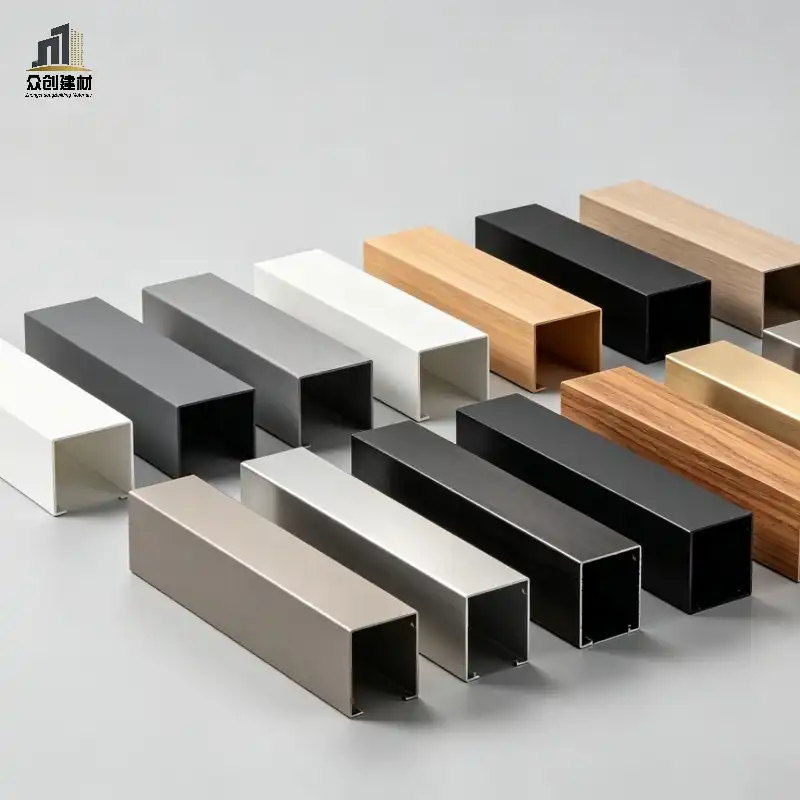
The material expression of artistic perforated aluminum panels is an important part of its aesthetic value. In addition to the design beauty of the hole pattern itself, the material, color and surface treatment process of the aluminum plate also have an important impact on the final visual effect. In terms of material, commonly used aluminum alloy materials include 3003 aluminum-manganese alloy, 5005 aluminum-magnesium alloy, etc., and different alloys have slightly different texture and processing performance. In terms of color, commonly used colors include white, silver gray, black, bronze, gold, etc., and aluminum plates of different colors will present completely different visual effects under different light. In terms of surface treatment processes, different processes such as powder coating, fluorocarbon coating, anodizing, brushing, and polishing bring different surface textures: powder coating surface is delicate and uniform, suitable for most projects; fluorocarbon coating surface is smooth and weather-resistant, suitable for outdoor use; anodizing surface has metallic luster and matte texture, with strong sense of luxury; brushed surface has directional texture with rich details. Reasonable material and color selection can complement the perforation pattern and jointly enhance the overall aesthetic effect of artistic perforated aluminum panels.

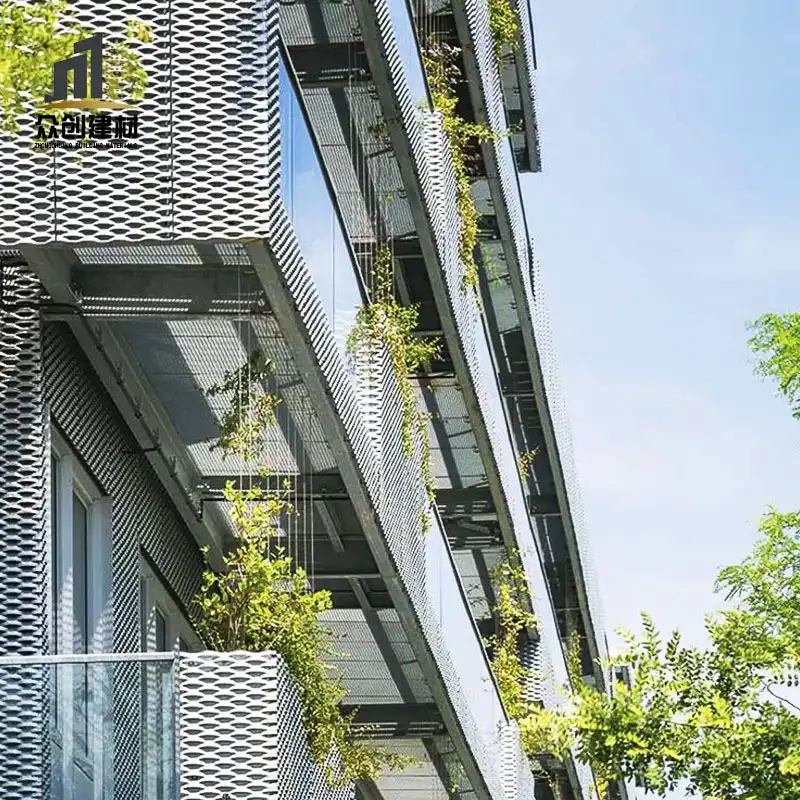
In architectural applications, artistic perforated aluminum panels have become the design highlight of many landmark buildings. In building exterior facades, artistic perforated aluminum panels are often used in building sunshades, facade decorative panels, entrance canopies, atrium enclosures and other parts. Through the rich light and shadow projected by the perforation pattern under sunlight, they add dynamic visual effects to the building facade. For example, the facades of many cultural buildings adopt artistic perforation patterns related to building themes, making the building itself a large-scale artwork. In indoor spaces, artistic perforated aluminum panels are often used in ceilings, walls, partitions, reception desk background walls and other parts, creating indoor spaces with artistic atmosphere through the coordination of perforation patterns and lighting. Especially at night, when the internal light projects outward through the perforated aluminum panel, the visual effect of the pattern will be more prominent, making the building also have strong visual attractiveness at night. In addition, artistic perforated aluminum panels are also widely used in billboards, wayfinding signs, display walls and other fields as visual media to convey brand image and information.
With the continuous development of parametric design tools and CNC processing technology, the design freedom and production precision of artistic perforated aluminum panels will continue to improve. Parametric design allows complex non-linear patterns and gradient density patterns to be automatically generated through algorithms, greatly reducing design complexity; CNC laser cutting technology allows any shape and arrangement of holes to be precisely processed, and design is no longer limited by processing technology. In the future, artistic perforated aluminum panels will play a more important role in architecture, becoming an important bridge connecting architectural function, architectural aesthetics and cultural expression. For architectural designers and material procurement personnel, in-depth understanding of the design methods and aesthetic value of artistic perforated aluminum panels can better exert the potential of this material in projects and create excellent architectural works that combine functionality and artistry.