_1762768699969.webp)

_1782530506402.webp)
(1)_1783045836766.webp)
_1786157639392.webp)
(1)_1780970038980.webp)
Installation Technology and Quality Control of Aluminum Veneer Curtain Wall
2026-04-19 16:03:24
The installation and construction of aluminum veneer curtain wall is the core link that determines the final appearance, safety performance and service life of the curtain wall. Its construction technology must strictly comply with the current national specifications such as Technical Code for Metal and Stone Curtain Wall Engineering (JGJ 133) and Code for Acceptance of Construction Quality of Building Decoration and Finishing Works (GB 50210, aligned with ISO 12944 for corrosion protection and ASTM E119 for fire resistance). The safety, aesthetics and durability of the curtain wall project are ensured through the whole-process standardized construction and refined quality control.
Standardized Full-Process Installation Technology
- Pre-construction PreparationOn the technical side, complete drawing deepening, node design, technical disclosure, and clarify the core technical requirements such as panel division, keel layout, connection nodes, fire protection and waterproofing. On the site side, complete the erection and acceptance of construction scaffolding/hanging baskets, construction power supply layout, and handover of on-site survey reference points. At the same time, inspect and accept the incoming aluminum veneer panels, keels, connectors, sealants and other materials in terms of specifications, models and performance to ensure that the materials meet the design and specification requirements.
- Surveying and Setting OutBased on the reference axis and elevation line of the main building structure, use high-precision instruments such as total station, laser plummet, and level to complete the setting out of the vertical keel positioning line, elevation horizontal line, and in-out control line of the curtain wall. The structural deviation of the main building is evenly distributed to each grid interval to avoid error accumulation. After the setting out is completed, recheck and acceptance must be carried out to ensure that the axis deviation is ≤2mm and the elevation deviation is ≤3mm, laying an accurate foundation for subsequent construction.
- Installation of Embedded Parts and ConnectorsRecheck and clean the embedded parts of the main structure. If the deviation of the embedded parts exceeds the standard, chemical post-installed anchors shall be used for supplementary installation. The anchors must undergo on-site pull-out tests to ensure that the bearing capacity meets the design requirements. The connectors adopt hot-dip galvanized angle steel/stainless steel angle brackets, fixed with embedded parts by bolts. The connectors must have three-dimensional adjustment capacity with an adjustment range of no less than ±30mm to ensure the adjustable accuracy of keel installation.
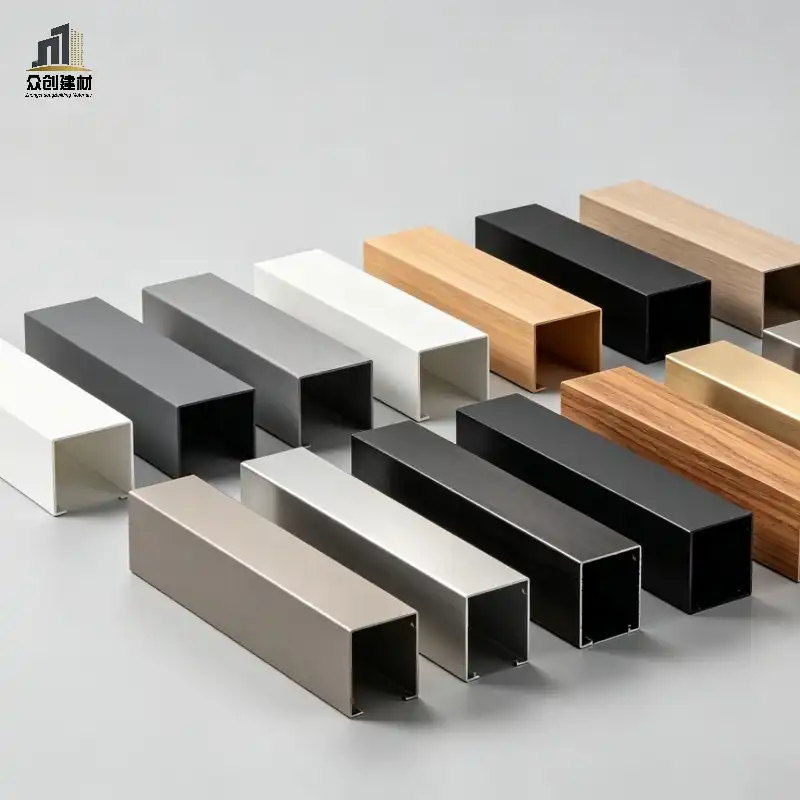
- Keel Installation and ConstructionThe keel system usually adopts the layout of vertical main keel + horizontal secondary keel. The main keel adopts hot-dip galvanized square steel/channel steel, fixed with connectors by stainless steel bolts. During installation, strictly control the verticality, flatness and spacing. The verticality deviation of a single main keel is ≤2mm/m, the full-height verticality deviation is ≤10mm, and the spacing deviation of adjacent keels is ≤2mm. The horizontal secondary keel and the main keel are connected by welding or bolts. After welding, two coats of anti-rust paint must be applied to the weld to ensure that the anti-corrosion performance meets the standard.
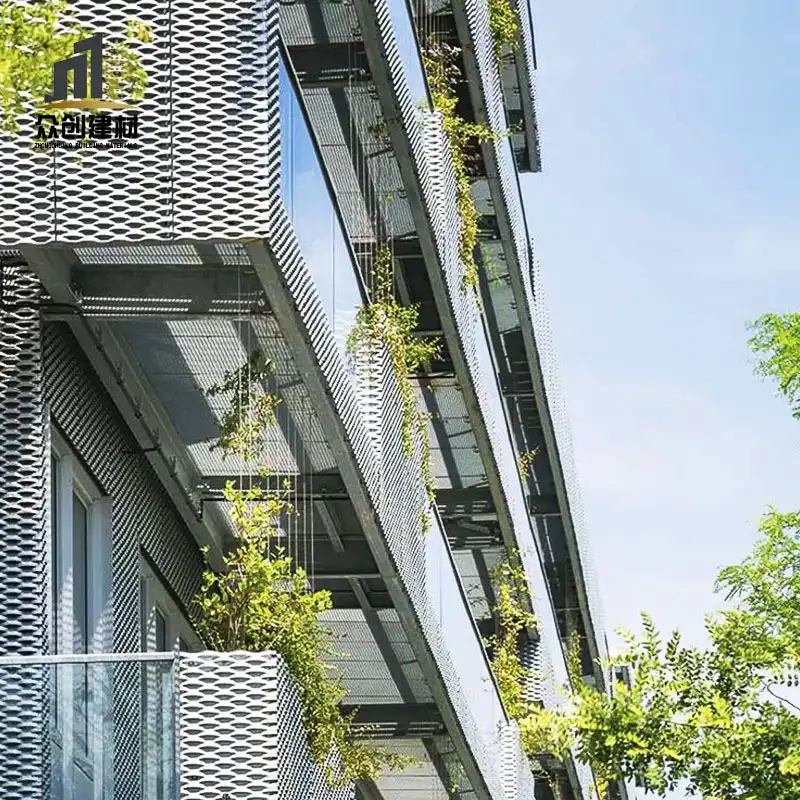
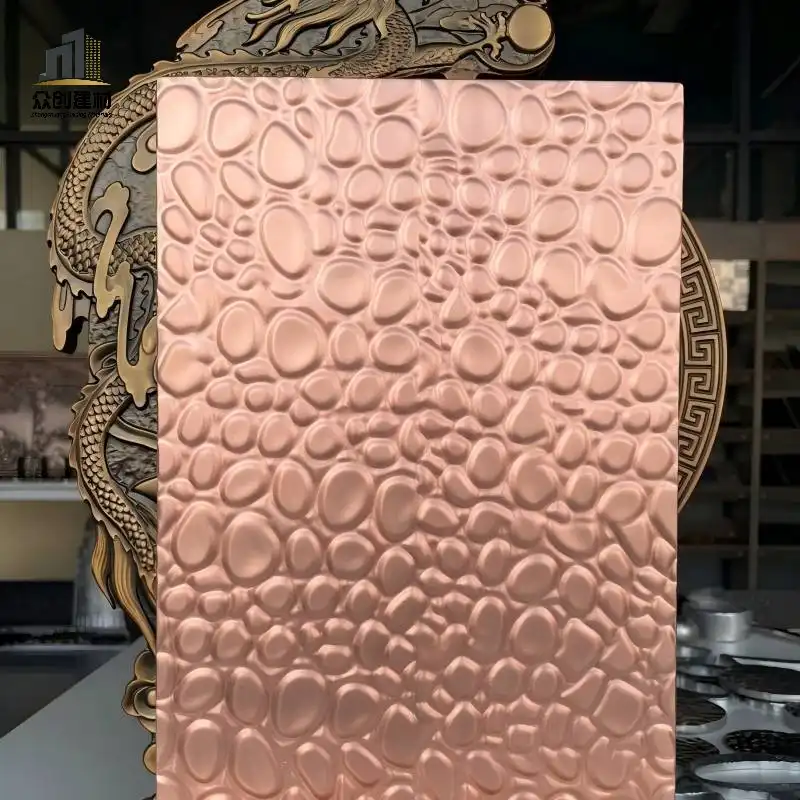
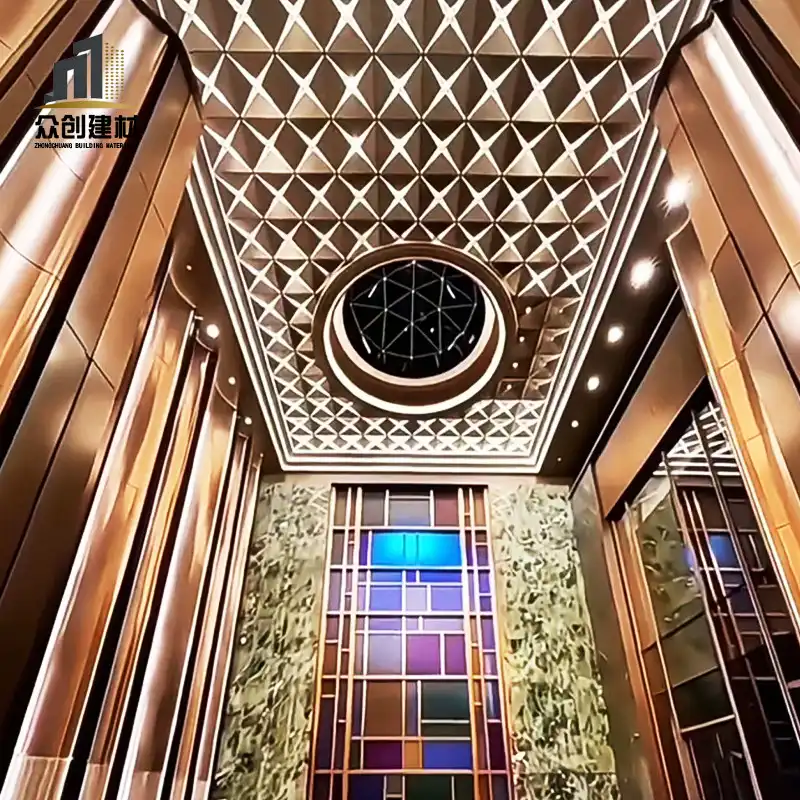
- Aluminum Veneer Panel InstallationAfter the aluminum veneer panels are prefabricated in the factory, they are transported to the site according to the serial number, and installed by manual + mechanical cooperation. The panels are fixed to the keel with stainless steel bolts through the mounting brackets on the back. During installation, the construction is strictly carried out in accordance with the typesetting serial number to ensure that the flatness of the panels, joint height difference, and gap width meet the design requirements. A reasonable expansion gap must be reserved during panel installation to avoid panel deformation caused by thermal expansion and cold contraction. During installation, the panel protective film is well protected to avoid scratches and bumps.
- Sealing Gluing and Cleaning FinishingAfter the panel installation is accepted, the joint sealing treatment is carried out. First, clean the dust and oil in the panel joint, insert the foam rod matching the joint width to ensure uniform depth of the foam rod, and then use neutral silicone weather sealant for gluing construction. During gluing, ensure that the glue joint is full, continuous and smooth, without bubbles, breaks or glue leakage. The width and thickness of the glue joint must meet the design requirements to ensure the waterproof and sealing performance. After gluing is completed, when the glue layer is cured, tear off the panel protective film, fully clean the panel surface, and do a good job in finished product protection.
Core Points of Whole-Process Quality Control
- Raw Material Quality Control: All incoming materials must have factory qualification certificates and performance test reports. The base material thickness, coating performance, dimensional accuracy of aluminum veneer, material and wall thickness of keel, mechanical properties of anchors and bolts, and compatibility and bonding performance of sealant must all meet the design and specification requirements. Unqualified materials are strictly prohibited from entering the site.
- Measurement and Installation Accuracy Control: Strictly implement the surveying and setting out recheck system to ensure accurate positioning. The verticality, flatness and spacing of keel installation, and the flatness, joint height difference and gap width of panel installation must be strictly controlled within the allowable deviation range of the specification, and out-of-tolerance phenomena are prohibited.
- Structural Safety Control: Chemical post-installed anchors must undergo on-site pull-out tests, weld quality must be inspected by flaw detection, and all connection nodes must be constructed in strict accordance with the design drawings to ensure that the bolts are fastened in place, no missing welding or false welding, and eliminate potential safety hazards from the root.
- Appearance and Waterproof Quality Control: Strictly control panel scratches, bumps and deformations. Glue joint construction must be strictly implemented in accordance with the process to ensure that the waterproof and sealing performance meets the standard and eliminate leakage risks. At the same time, strictly control the panel color difference. The same facade must use panels produced in the same batch and installed in the order of serial numbers to avoid color difference problems.
- Finished Product Protection Control: During construction, the panel protective film is well protected. It is strictly prohibited to carry out cutting and welding operations on the installed panels to avoid panel pollution and damage. Before the completion acceptance, special personnel shall be arranged for finished product care to avoid finished product damage caused by cross construction.
share:






YOU MAY LIKE