_1762768699969.webp)

_1782530506402.webp)
(1)_1783045836766.webp)
_1786157639392.webp)
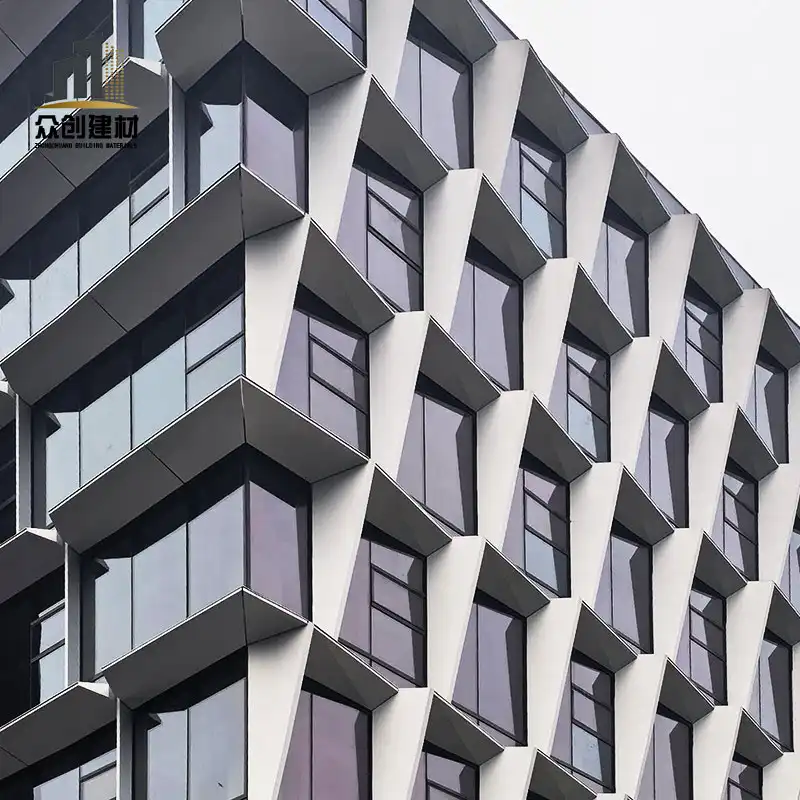
(1)_1780970038980.webp)
Performance and Application Advantages of PVDF Aluminum Veneer Curtain Wall
PVDF aluminum veneer curtain wall is a high-end building exterior envelope and decoration system. It uses high-grade AA3003/AA5005 aluminum alloy as the base material, formed through precision CNC bending, welding and other processing, with a surface coating of polyvinylidene fluoride (PVDF) fluorocarbon resin. It has become the mainstream material of choice for the exterior walls of global high-rise landmarks, commercial complexes, and municipal public buildings.
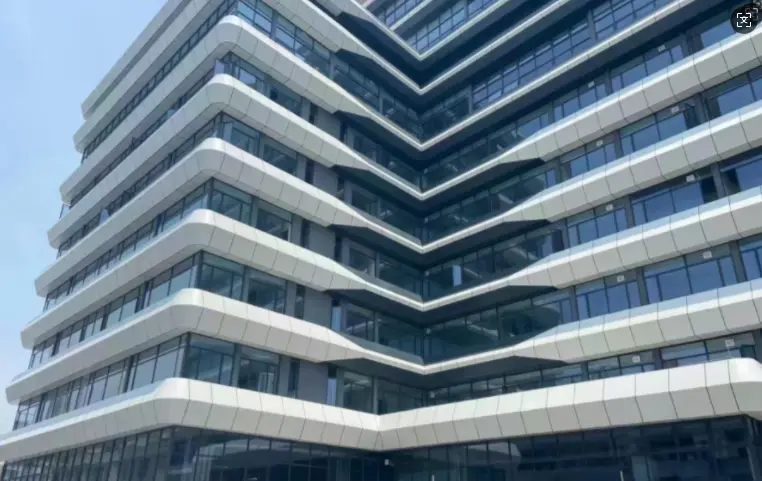
Detailed Core Performance
Superior Weather and Corrosion ResistanceThe molecular structure of PVDF fluorocarbon resin contains high-bond-energy C-F chemical bonds, which can effectively resist erosion from UV rays, ozone, acid rain, and various pollutants. It complies with the AAMA 2605 standard (the highest international specification for architectural coatings from the American Architectural Manufacturers Association). Under normal outdoor conditions, it can maintain no obvious fading, chalking or cracking for more than 20 years, with a color and gloss retention rate of over 80%. For extreme environments such as coastal high-salt-spray areas, industrial high-corrosion zones, and regions with severe cold and heat, a customized 4-coat 2-bake PVDF process can be used to further improve the anti-corrosion and weather resistance grade, perfectly adapting to the building needs of all climate zones.
Stable and Excellent Mechanical PropertiesThe aluminum alloy base material has light weight, high rigidity, and excellent deformation and impact resistance after bending forming and matching stiffener design. It is suitable for processing and installation of large-span and large-size panels. The base material itself meets the national Class A non-combustible fire protection standard (aligned with ASTM E84 Class A), releases no toxic fumes, and fully meets the fire safety requirements of various buildings. It also has excellent wind pressure resistance and seismic performance, adapting to the special performance requirements of high-rise buildings, high-intensity seismic zones, and typhoon-prone areas.
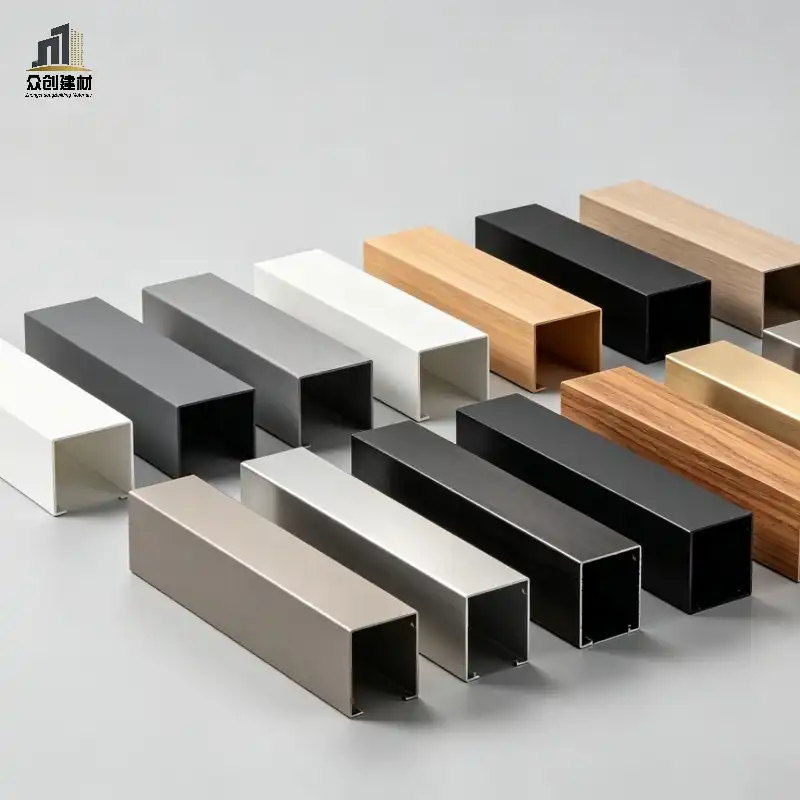
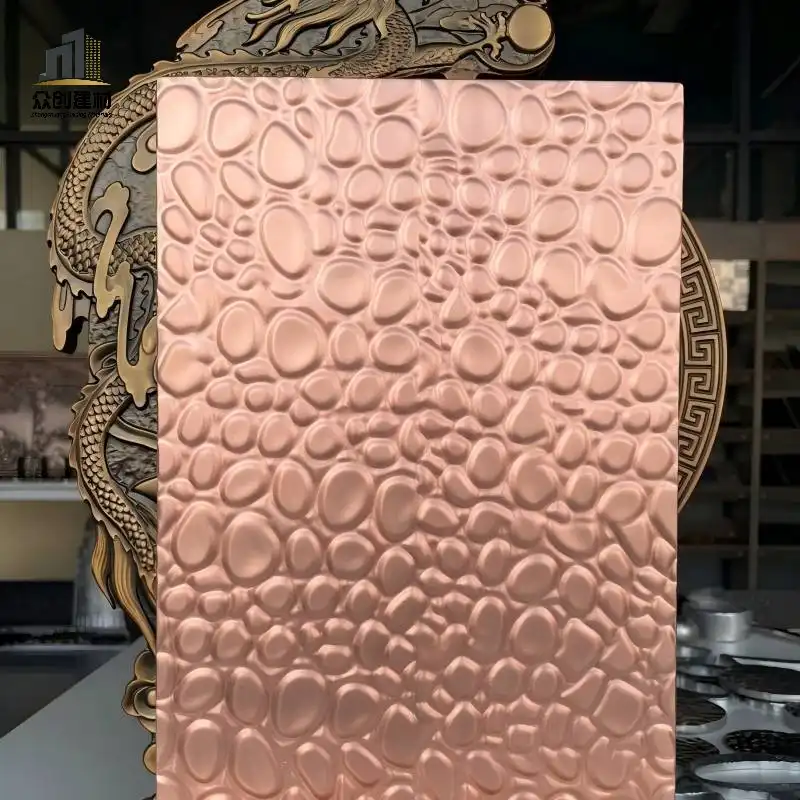
Extremely Flexible Decorative PerformanceIt supports full-category processing and forming, including CNC bending, stamping, welding, curved, hyperbolic, and special-shaped designs, which can perfectly realize various creative shapes of designers. The coating supports full color system customization, including hundreds of surface effects such as matte, high-gloss, metallic, pearlescent, stone-like, and wood-grain finishes, with high color saturation and uniform texture. It can perfectly match the design styles of different buildings, and realize the in-depth integration of architectural aesthetics and urban style.
Green and Sustainable PerformanceThe entire production process complies with national environmental protection standards, with no formaldehyde or harmful volatile substance emissions. The aluminum alloy base material is 100% recyclable, with no construction waste generated. At the same time, it can be integrally processed with a thermal insulation layer, which greatly improves the energy-saving performance of the building envelope, reduces the energy consumption and carbon emission during the whole life cycle of the building, and fully meets the development requirements of green buildings under the global carbon neutrality goals.

Core Application Advantages
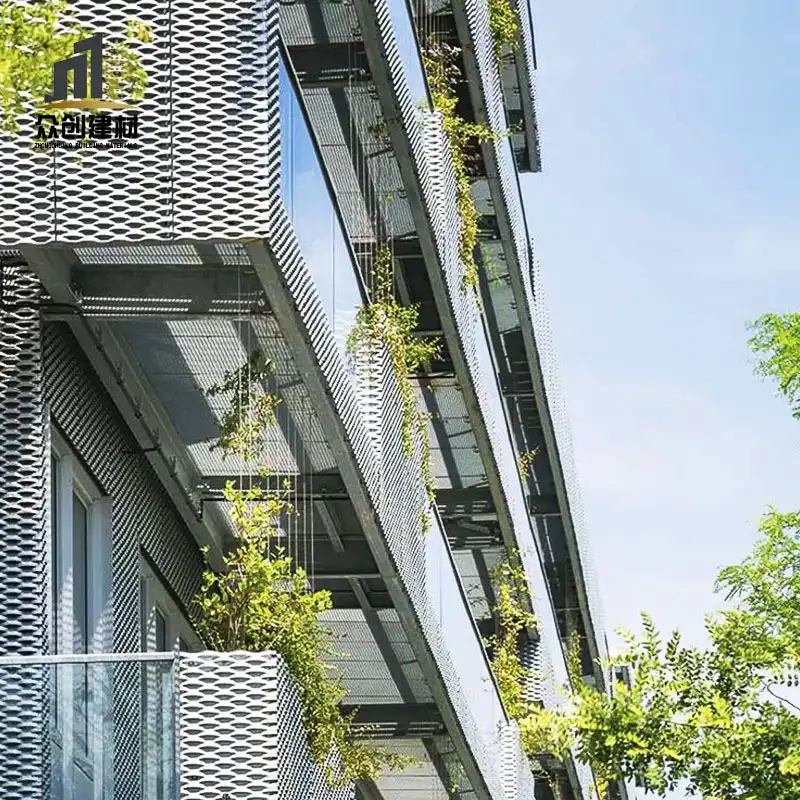
Strong Design Adaptability: It breaks the shape limitations of traditional curtain walls, and can realize various complex shapes such as flat, curved, hyperbolic, hollowed, and perforated designs, adapting to the personalized and customized design needs of modern buildings.
Efficient Construction and Maintenance: Factory prefabricated production and on-site modular installation greatly shorten the construction period. A single panel can be disassembled and assembled independently, making later maintenance and renovation convenient without overall demolition, which greatly reduces operation and maintenance costs.
High Cost-Effectiveness in Whole Life Cycle: Although the initial investment is higher than traditional exterior wall materials, its ultra-long service life and extremely low maintenance cost make its comprehensive cost much lower than traditional materials such as paint, stone, and ceramic tiles during the building's service life of more than 20 years.
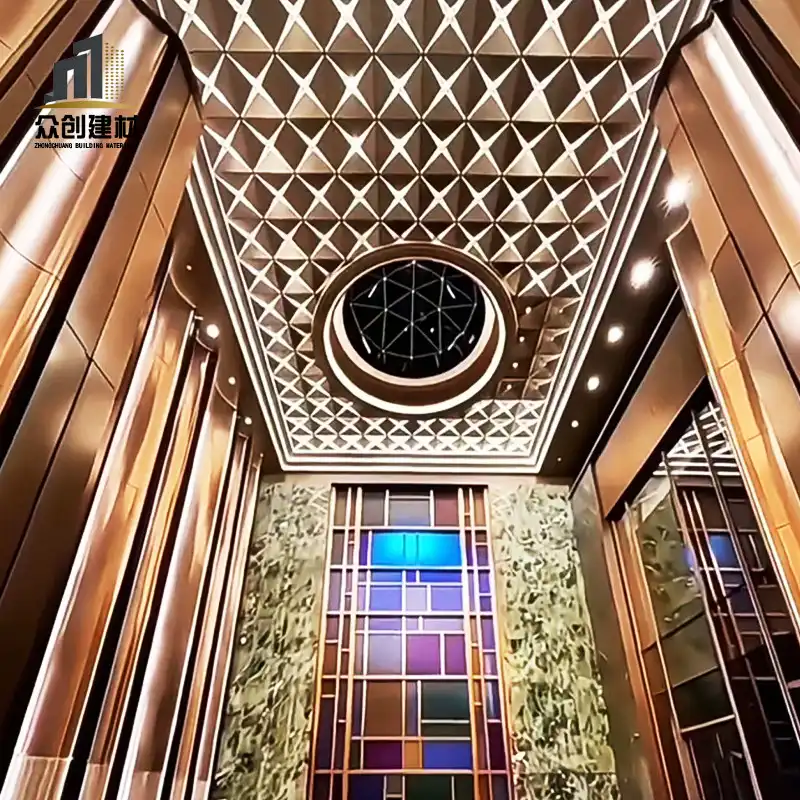
Full Scenario Adaptability: It can be widely used in various public and civil buildings such as high-rise office buildings, commercial complexes, airports, high-speed railway stations, convention and exhibition centers, stadiums, hospitals, schools, and municipal buildings. It is the most widely used high-end material in the field of building exterior wall decoration.