_1762768699969.webp)

_1782530506402.webp)
(1)_1783045836766.webp)
_1786157639392.webp)
(1)_1780970038980.webp)
Aluminum Curtain Wall vs Glass Curtain Wall: Which to Choose?
As more shopping shopping centers, inns, air terminals, tall speed rail stations, and office towers embrace smooth building envelopes, creators are regularly torn between an aluminum window ornament divider and a glass shade divider. Both frameworks make a non stack bearing “skin” around the structure, but they perform in an unexpected way in terms of vitality productivity, appearance, and fetched. This article compares aluminum window ornament divider and glass shade divider frameworks, clarifies how decorative aluminum wall panels are utilized in present day exteriors, and gives commonsense direction so you can choose which choice superior fits your project.
What Is an Aluminum Curtain Wall and How Does It Compare to a Glass Curtain Wall?
Basic Definition and Components of an Aluminum Curtain Wall
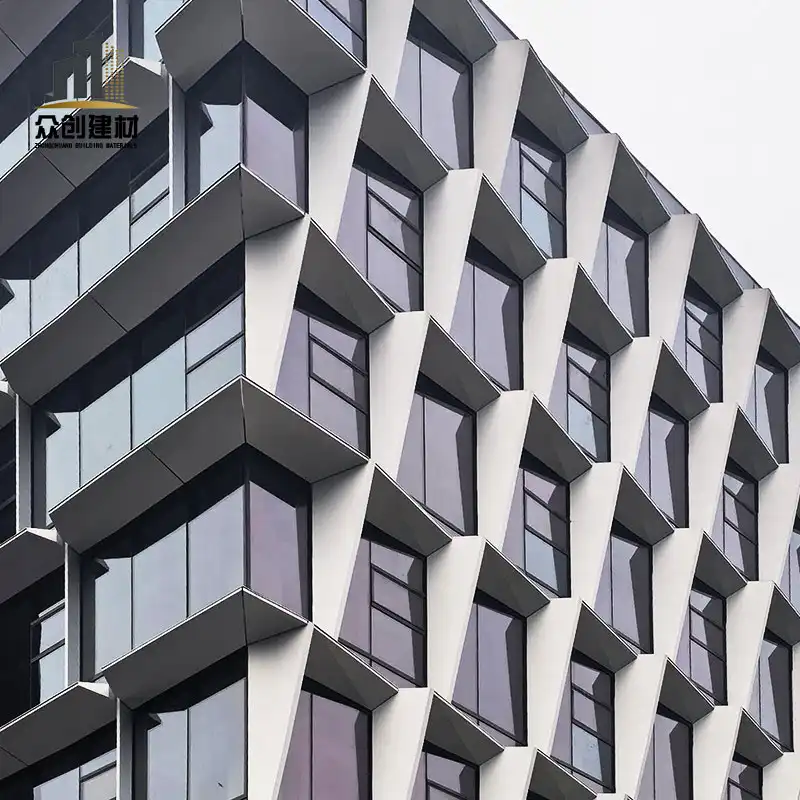
An aluminum shade divider is a lightweight outside walled in area framework made from aluminum amalgam profiles and infill boards. In numerous cutting edge ventures, the aluminum shade divider employments aluminum divider boards (ordinarily 1.5–5.0 mm thick) as the primary cladding, combined with glass, stone, or other enhancing materials. The boards are as a rule manufactured from amalgams such as 1100, 3003, 5005, or 6063, at that point wrapped up with strong PVDF or PE coatings in RAL or custom colors. By differentiate, a glass window ornament divider employments glass as the essential obvious surface, with aluminum mullions and transoms as supporting outlines. Whereas both frameworks are non auxiliary and hung from the fundamental building outline, an aluminum shade divider emphasizes strong metal or composite surfaces, while a glass window ornament divider centers on huge coated zones and transparency.
Key Performance Features of Aluminum Curtain Wall Systems
An aluminum window ornament divider is outlined to convey great wind, rain, and affect resistance whereas keeping the façade lightweight. Since aluminum divider boards, including decorative aluminum wall panels, are generally light compared with stone or concrete cladding, they decrease the in general stack on the structure and make establishment quicker. The combination of strong aluminum profiles and progressed coatings such as PVDF gives tall erosion resistance, indeed in coastal or mechanical situations. This is one reason aluminum shade divider frameworks frequently come with long benefit life ensures, such as a 30 year guarantee. Glass window ornament dividers can moreover perform well, but strong aluminum boards offer especially solid basic solidness and airtightness, which makes a difference improve inhabitant consolation and diminish invasion. When legitimately point by point, an aluminum shade divider permits planners to coordinated operable windows, shadow boxes, and cover layers to reach requesting execution targets without relinquishing visual appeal.
Typical Applications of Aluminum Curtain Walls vs Glass Curtain Walls
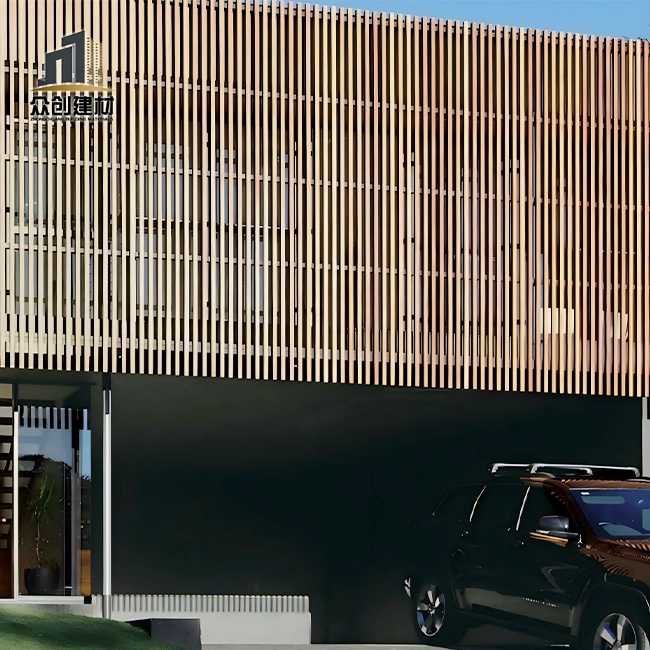
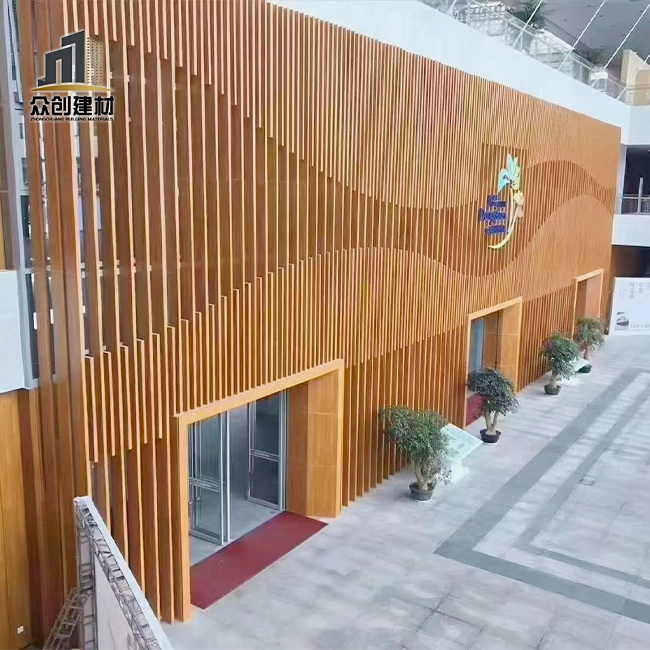
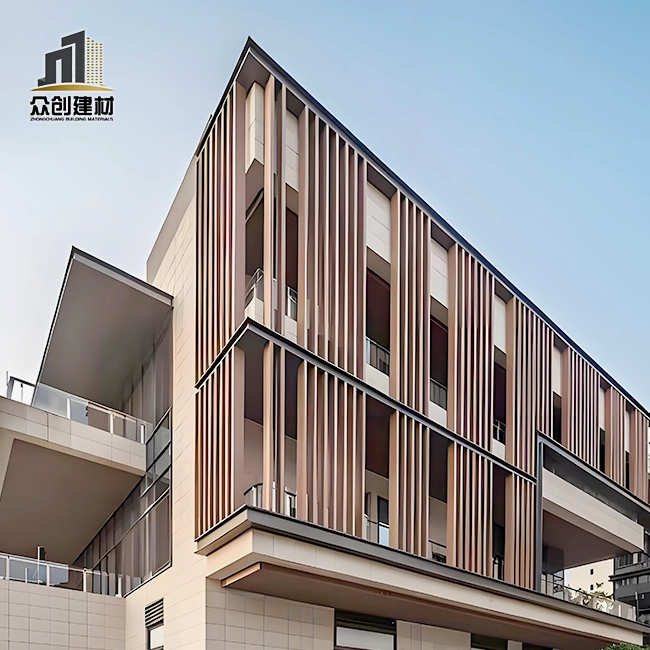
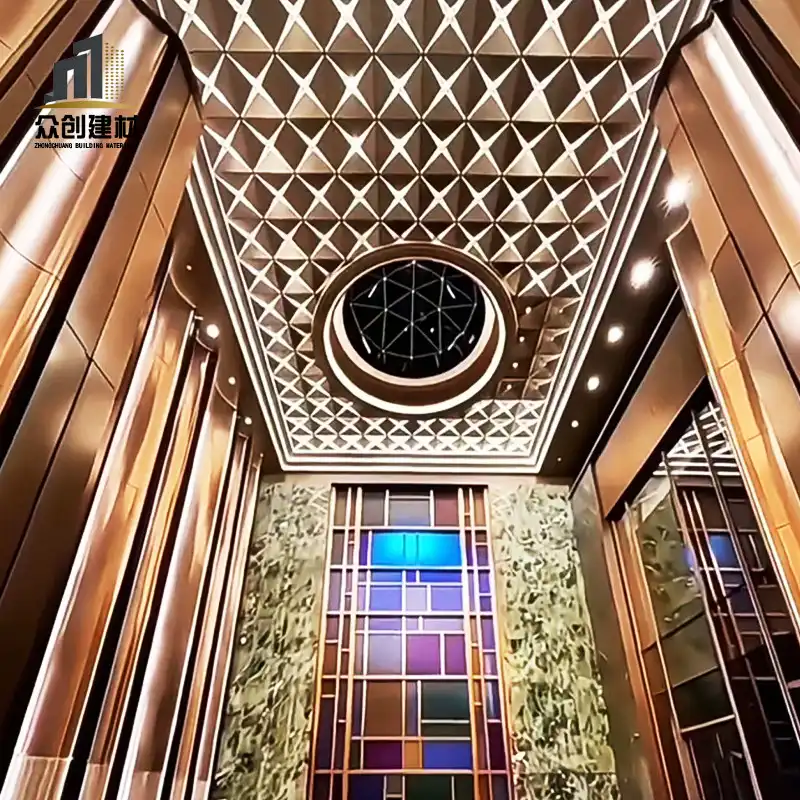
You will see an aluminum shade divider on numerous sorts of present day buildings: shopping shopping centers, lodgings, airplane terminals, tall speed rail stations, and office towers are all common applications. In these ventures, an aluminum shade divider can be combined with strips of coating to adjust strong and straightforward regions, or combined with stone and other boards to make a wealthier, more layered façade. A glass window ornament divider, on the other hand, is regularly chosen for halls, showrooms, and corporate base camp where greatest straightforwardness and sees are the need. In hone, most huge buildings utilize a blend of both: strong zones wrapped up in aluminum shade divider boards for back of house regions, centers, or vitality touchy façades, and glass window ornament divider frameworks for include heights. Since aluminum divider boards can be manufactured in customized sizes, colors, and shapes, they make it simple to move between diverse materials whereas keeping a coherent structural language.
Is an Aluminum Curtain Wall System Energy-Efficient and Durable for Modern Buildings?
Thermal Performance and Energy Efficiency
Energy execution is a key reason numerous originators favor an aluminum window ornament divider for today’s commercial ventures. Whereas glass can be protects with twofold or triple coating, huge all glass surfaces still permit critical sun oriented pick up and warm misfortune. An aluminum shade divider, utilizing protects backing and legitimately point by point joints, makes a nonstop, air proof envelope with less exceedingly straightforward regions. This makes a difference diminish cooling loads in hot climates and warming requests in cold districts. Behind the aluminum divider boards, creators can put mineral fleece or unbending separator to accomplish tall R values, whereas warm breaks in the aluminum profiles constrain conductive warm exchange. By specifically combining aluminum shade divider boards with tall execution coating where sees are most imperative, it gets to be simpler to meet strict vitality codes and green building benchmarks without compromising engineering intent.
Durability, Weather Resistance, and Service Life
Durability is another solid contention for indicating an aluminum shade divider. Tall quality frameworks utilize combinations such as 3003, 5005, or 6063 with demonstrated mechanical execution and erosion resistance. These materials are at that point treated with progressed PVDF or PE coatings that give great color maintenance, UV security, and resistance to chalking or peeling. When matched with tried profiles and embellishments that comply with measures like ISO 6362 6:2025 and ASTM B210, an aluminum window ornament divider can withstand decades of wind weight, rain, and temperature cycles whereas keeping up a clean, present day appearance. Numerous producers back this execution with a 30 year guarantee on the aluminum divider board wraps up, including decorative aluminum wall panels. In climates with solid sun, wind driven rain, or marine conditions, this vigorous climate resistance gives building proprietors certainty that the façade will proceed to perform with generally negligible support compared with more fragile materials.
Sustainability and Environmental Benefits of Aluminum Curtain Walls
From a maintainability point of view, an aluminum window ornament divider offers a few points of interest that adjust with green building objectives. Aluminum is profoundly recyclable; a expansive parcel of the fabric utilized in aluminum divider boards can be made from reused substance, and the boards stay completely recyclable at the conclusion of the building’s life. The lightweight nature of an aluminum shade divider decreases auxiliary loads, which can permit for more proficient establishments and surrounding, in a roundabout way bringing down the epitomized carbon of the venture. At the same time, the capacity to coordinated nonstop cover behind the aluminum window ornament divider and to plan shading profiles or punctured boards makes a difference decrease operational vitality utilization. When indicated from a capable producer that takes after quality frameworks and worldwide benchmarks, an aluminum shade divider gets to be an naturally inviting façade alternative that bolsters long benefit life, moo squander, and a tall quality indoor environment.
How Do You Choose Between an Aluminum Curtain Wall and a Glass Curtain Wall for Your Project?
Design Goals, Aesthetics, and Brand Image
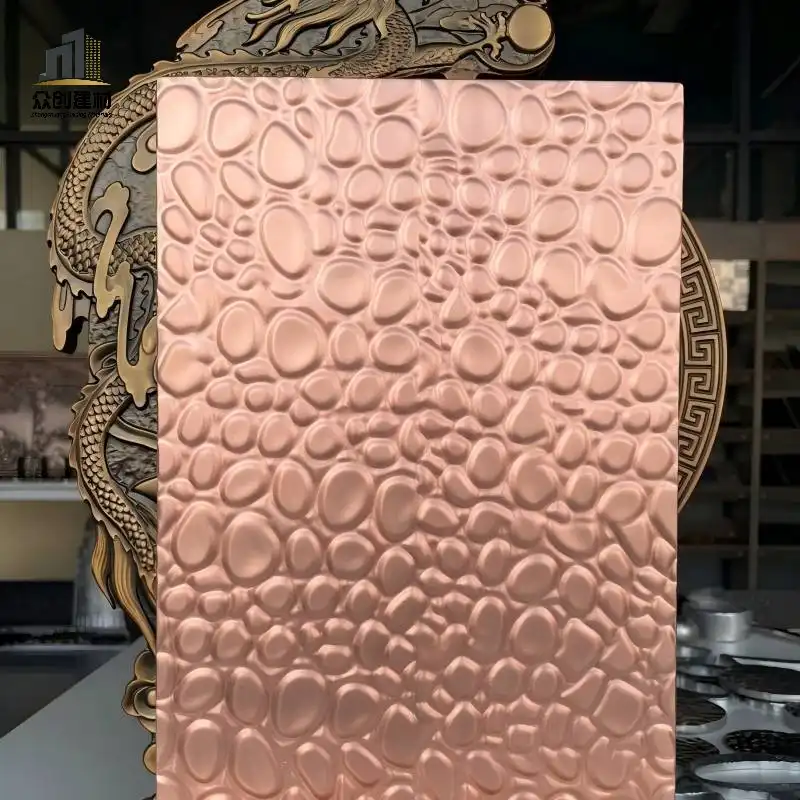
Your design intent is often the first filter when choosing between an aluminum curtain wall and a glass curtain wall. If you want a sleek, sculptural exterior with strong lines, bold colors, and varied textures, aluminum wall panels mounted on an aluminum curtain wall framework can deliver exactly that. Panels can be shaped into curves, folds, or three dimensional patterns, and finished in any RAL color or custom shade to reflect a brand’s identity. At the same time, an aluminum curtain wall can incorporate bands of glass or large framed openings to connect interiors with the outside. When pure transparency is critical—such as for a flagship retail store or a panoramic office façade—a glass curtain wall may play a larger role. In many successful projects, designers combine the two: aluminum curtain wall for solid zones and framing, and glass curtain wall systems for statement areas, achieving a balanced composition that highlights the building’s character while maintaining comfort and performance.
Budget, Construction Schedule, and Long-Term Value
Budget and program are equally important when evaluating an aluminum curtain wall versus a glass curtain wall. An aluminum curtain wall using standardized aluminum wall panels, including decorative aluminum wall panels, can be highly cost effective because panels are efficient to fabricate, transport, and install. With a strong supply capacity—such as 50,000 m² per month—and typical delivery times of about 15–20 days, manufacturers can support tight project schedules. Minimum order quantities around 30 m² also make aluminum curtain wall solutions practical for both large façades and smaller renovation projects. Over the building’s life, the durability and low maintenance of aluminum wall panels, together with their 30 year warranty, help reduce operating costs and extend replacement cycles. Glass curtain walls can provide high perceived value through transparency and prestige, but they may require specialized cleaning and more frequent component upgrades. A balanced façade design that strategically uses aluminum curtain wall panels in less visible or highly exposed zones can therefore deliver excellent long term value.
Working With a Professional Aluminum Curtain Wall Manufacturer
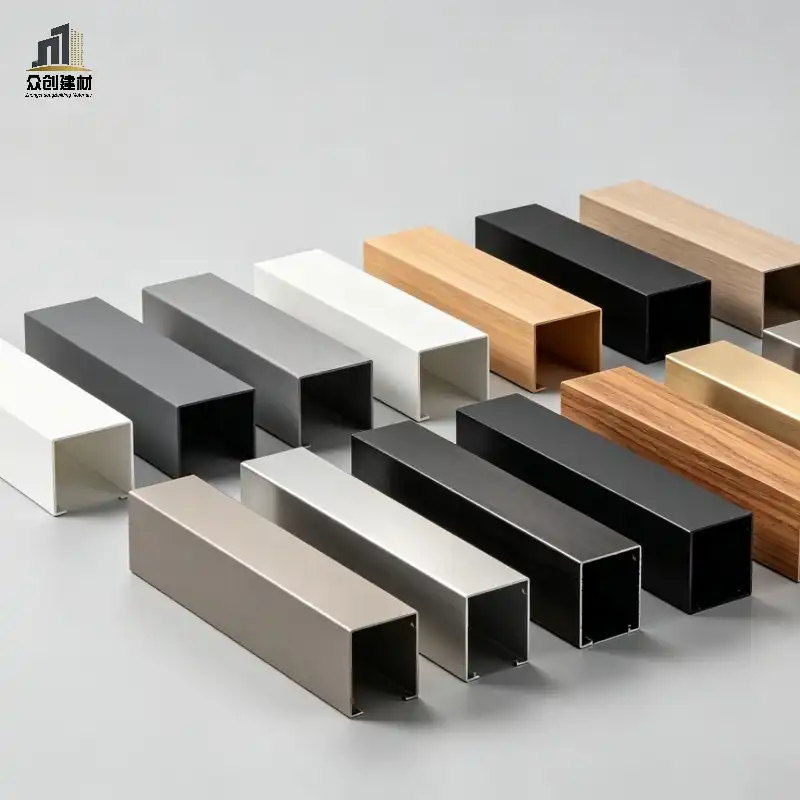
The quality of your façade depends heavily on the expertise of the supplier, especially when you choose an aluminum curtain wall system tailored to your design. A professional manufacturer will provide detailed construction drawings, installation guidance, and engineering support to ensure that the aluminum wall panels and supporting profiles perform as intended. This includes optimizing panel thickness (for example, between 1.5 and 5.0 mm), selecting the right alloy (1100, 3003, 5005, or 6063), and recommending appropriate PVDF or PE coatings based on the project’s environment. A reliable partner can also customize sizes, shapes, and colors to match complex architectural concepts while maintaining structural stability and installation efficiency. In Guangdong, China, manufacturers with extensive experience in decorative aluminum materials are able to integrate aluminum curtain wall panels with aluminum square tubes, honeycomb panels, and other elements to deliver complete façade packages. Choosing such a partner helps ensure your aluminum curtain wall is not just visually striking, but also coordinated, easy to install, and built to last.
Conclusion
Choosing between an aluminum curtain wall and a glass curtain wall ultimately depends on your project’s energy goals, aesthetic vision, and budget. A well designed aluminum curtain wall—using durable aluminum wall panels, including decorative aluminum wall panels, tested alloys, and high performance PVDF coatings—offers excellent strength, weather resistance, and design flexibility for malls, hotels, airports, offices, and more. Guangdong Zhongchuang Building Decoration Materials Co., Ltd., established in 2010 with rich experience in aluminum wall panels, square tubes, and honeycomb panels, focuses on quality, service, and innovation. If you are planning a new façade or renovation and need professional support, contact us at [email protected] to discuss your aluminum curtain wall solution.
FAQ
Q: What is the main difference between an aluminum curtain wall and a glass curtain wall?
A: An aluminum curtain wall primarily uses aluminum wall panels as the visible surface, while a glass curtain wall uses glass as the main façade material. Both rely on aluminum framing but create different visual and performance outcomes.
Q: Can an aluminum curtain wall be combined with glass?
A: Yes. Most modern façades mix aluminum curtain wall panels with glazed areas, allowing solid insulated zones for energy efficiency and transparent zones for views and daylight.
Q: Is an aluminum curtain wall suitable for high-rise buildings?
A: Yes. The system is lightweight, structurally stable, and resistant to wind and rain, making it ideal for high rise commercial buildings, hotels, and office towers.
Q: How long does an aluminum curtain wall last?
A: With quality alloys and PVDF/PE coatings, an aluminum curtain wall can offer a service life backed by a 30 year warranty, assuming proper design and maintenance.
Q: What project information is needed to design an aluminum curtain wall?
A: Designers typically provide building geometry, wind load data, thermal requirements, desired colors and finishes, and any integration with glass, stone, or other materials so the manufacturer can engineer a suitable aluminum curtain wall system.
References
1. G. Tamboli, Curtain Wall Design Guide. American Institute of Architects, 2019.
2. S. Szokolay, Introduction to Architectural Science: The Basis of Sustainable Design Routledge, 2014.
3. S. P. Corgnati, M. Fabrizio, “Energy Performance of Curtain Wall Systems in Office Buildings,” Energy and Buildings, vol. 42, no. 10, 2010.
4. J. L. Clarke (ed.), Structural Design of Tall Steel Buildings. Council on Tall Buildings and Urban Habitat, 2015.
5. A. H. Buchanan, A. Abu, Structural Design for Fire Safety. Wiley Blackwell, 2017.
6. C. G. Granadeiro et al., “Envelope Design Strategies for High Rise Office Buildings,” Journal of Building Engineering, vol. 26, 2019.