_1782530506402.webp)
(1)_1783045836766.webp)
_1786157639392.webp)
(1)_1780970038980.webp)
Aluminum Expanded Metal Mesh Selection Guide
Common Mesh Types & Visual Features
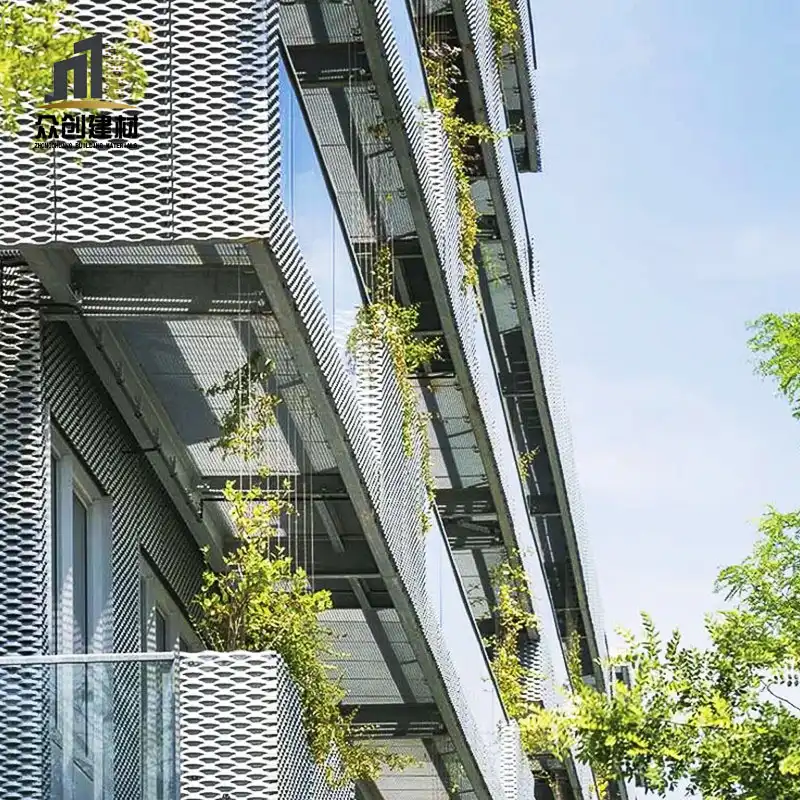
Understanding mesh types is the first step in selection. Aluminum expanded metal mesh can be divided into the following types by aperture shape:
|
Mesh Type |
Visual Effect |
Ventilation / Shade |
Typical Use |
|---|---|---|---|
|
Standard diamond |
Classic and regular |
Good |
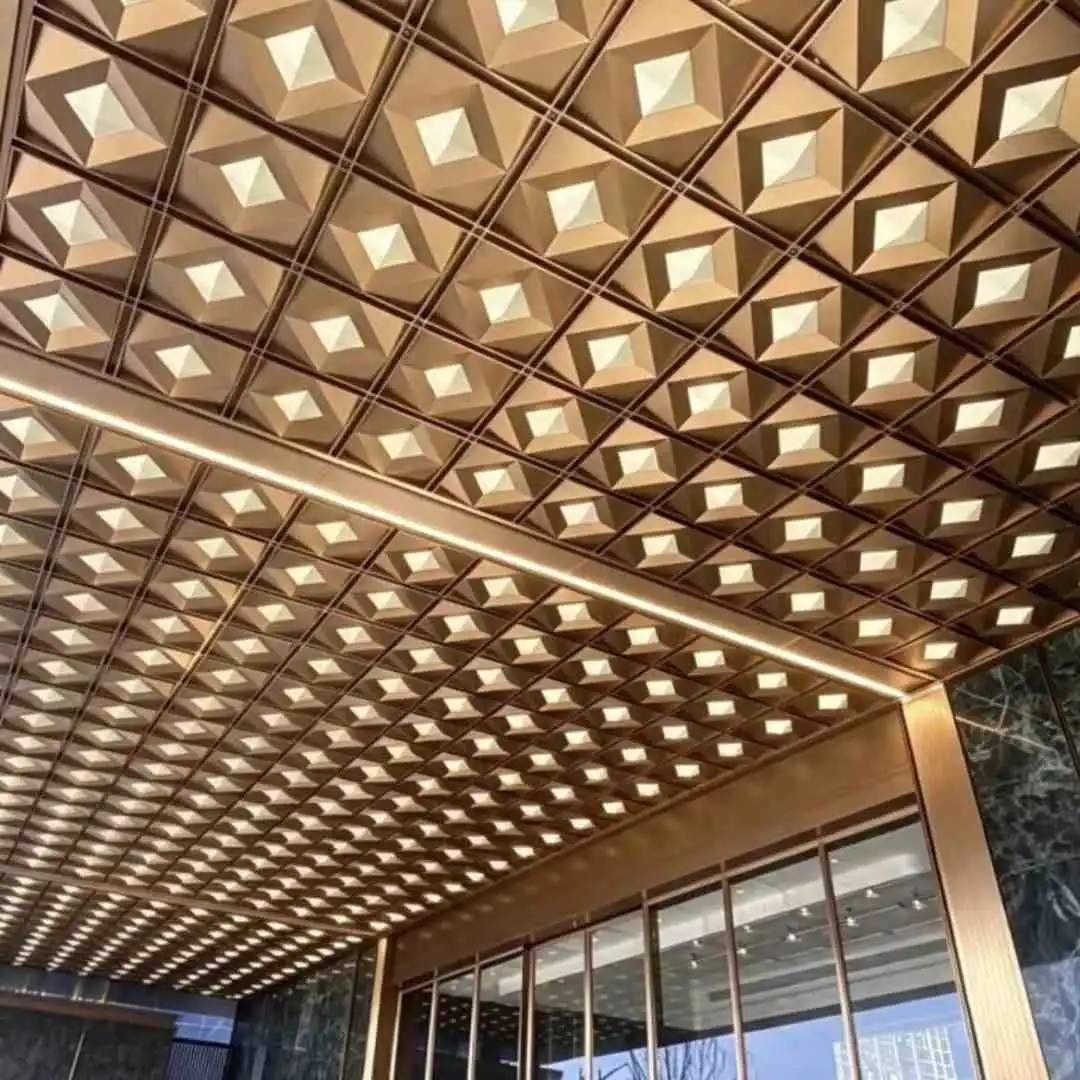
Ceilings, fences, louvers |
|
Hexagonal |
Modern, dimensional |
Good |
Facade cladding, screens |
|
Round / special |
Flexible and varied |
Adjustable |
Art louvers, brand walls |
|
Micro (fine mesh) |
Refined and delicate |
Moderate |
Interior decor, insect screens |

Expanded Metal vs. Perforated Panel vs. Steel Mesh
When selecting, designers typically weigh three options: aluminum expanded metal, perforated panels, and steel expanded metal. Key differences:
|
Dimension |
Aluminum Expanded Metal |
Perforated Panel |
Steel Mesh |
|---|---|---|---|
|
Material utilization |
100% (stretched) |
Lower (material removed) |
100% (stretched) |
|
Weight |
Light |
Light |
Heavy |
|
Corrosion resistance |
Strong (natural + coating) |
Strong |
Needs galvanizing/coating |
|
Strength |
High (single-piece stretch) |
Medium |
High |
|
Openness |
Good |
Good |
Good |
|
Cost |
Medium |
Medium |
Low |
Five Points of Custom Design
The visual of aluminum expanded metal mesh is determined by mesh, size, thickness, and finish. Note the following during design:
-
Mesh Determines Openness: Aperture size and spacing directly affect ventilation, shading, and openness — choose by functional needs.
-
Thickness Considers Strength: Large-span or high-load scenarios require thicker sheets to ensure structural strength.
-
Alloy Matches Environment: Coastal or corrosive environments recommend 5052 marine-grade alloy with an added primer.
-
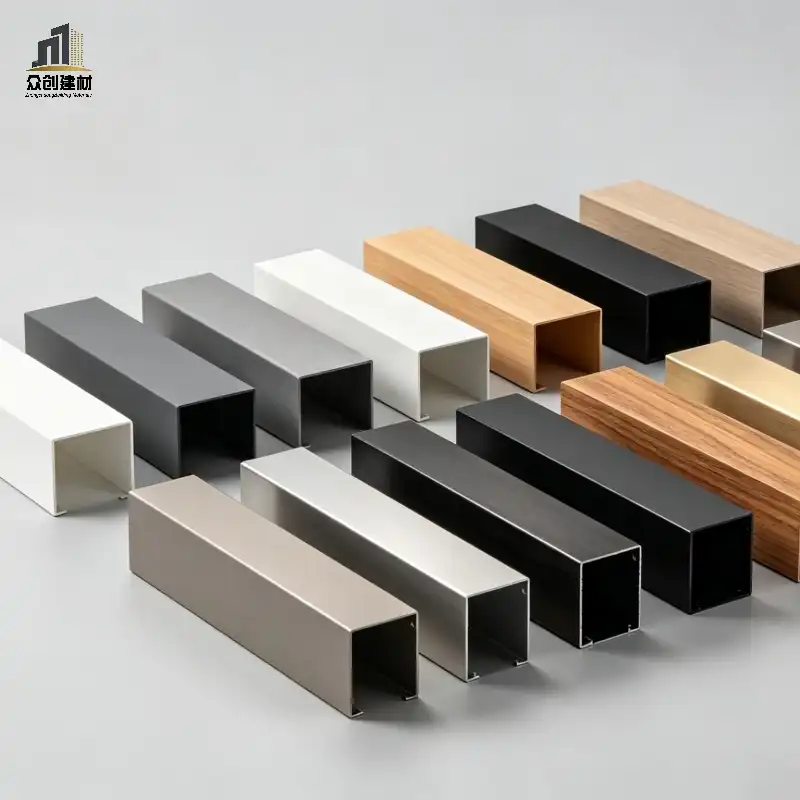
Finish Matches Style: PVDF suits long-term use, wood-grain suits warm spaces, anodizing suits minimal styles.
-
Shape Reserves Grids: Curved or folded shapes require grid and connector design to ensure stable installation.
Surface Finish Selection Guide
The coating of aluminum expanded metal mesh determines spatial texture and service life. Three mainstream options:
|
Coating |
Warranty |
Best Environment |
Recommended For |
|---|---|---|---|
|
PVDF Fluorocarbon |
20 years |
Interior/exterior, coastal |
Facade sunshade, long-term use |
|
Anodizing |
15 years |
Interior, modern minimal |
Brand stores, light-luxury spaces |
|
Wood-Grain + UV |
15 years |
Interior, design-driven |
Clubs, residences, commercial spaces |
|
Powder Coating |
10 years |
Interior, low sunlight |
Budget-sensitive projects |
Common Installation Issues & Solutions
Although expanded metal mesh installation seems straightforward, the following issues are frequently overlooked:
-
Flatness Control: Mesh is relatively flexible; tension or fix it to the grid during installation to avoid sagging.
-
Edge Treatment: Mesh edges can snag or scratch; protect with edge trims or folded edges to avoid safety hazards.
-
Cutting Protection: On-site cutting damages the coating; order pre-cut factory sizes to avoid corrosion.
-
Fixing Spacing: Fixing points should be evenly spaced to avoid local overloading and deformation.
-
Color Consistency: Order all panels for one space in a single batch to avoid batch-to-batch color variation.
How to Evaluate a Supplier
When selecting a custom aluminum expanded metal mesh supplier, consider the following:
-
CNC Stretching Capability: Check whether the supplier has CNC stretching machines and cutting processes, and whether mesh precision is guaranteed.
-
Detailed Design Capability: A professional supplier should produce mesh development and installation drawings from your renderings.
-
Complete Certifications: AAMA 2605, CE, and ISO 9001 are basic guarantees of quality.
-
Export Experience: Factories with export experience are more familiar with packaging, customs, and international logistics requirements.