_1762768699969.webp)

_1782530506402.webp)
(1)_1783045836766.webp)
_1786157639392.webp)
(1)_1780970038980.webp)
Comparison of Aluminum Veneer Surface Treatment Processes: PVDF / Powder / Ceramic Coating
2026-04-20 15:09:35
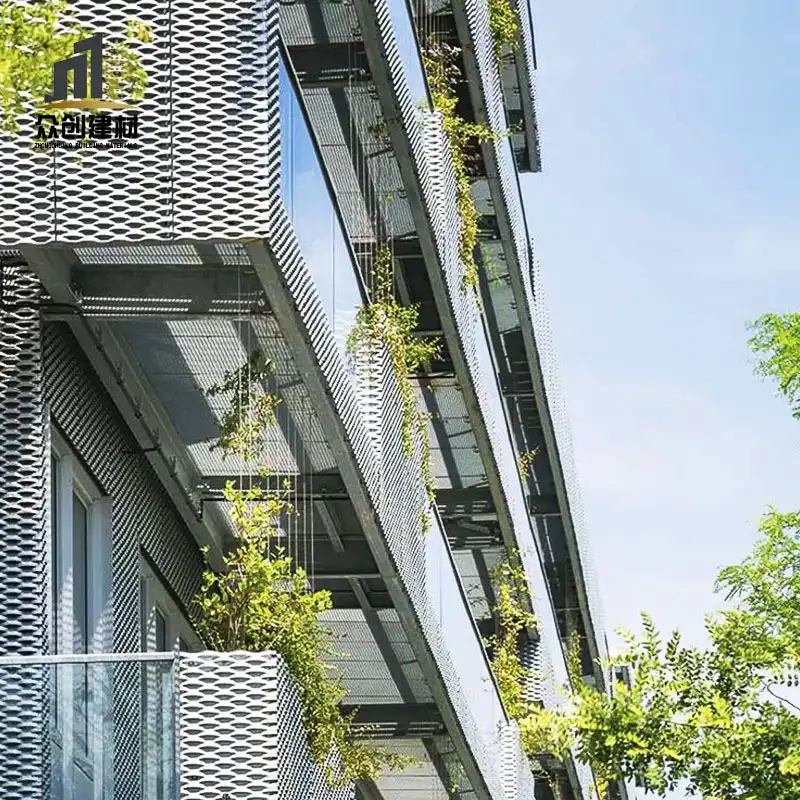
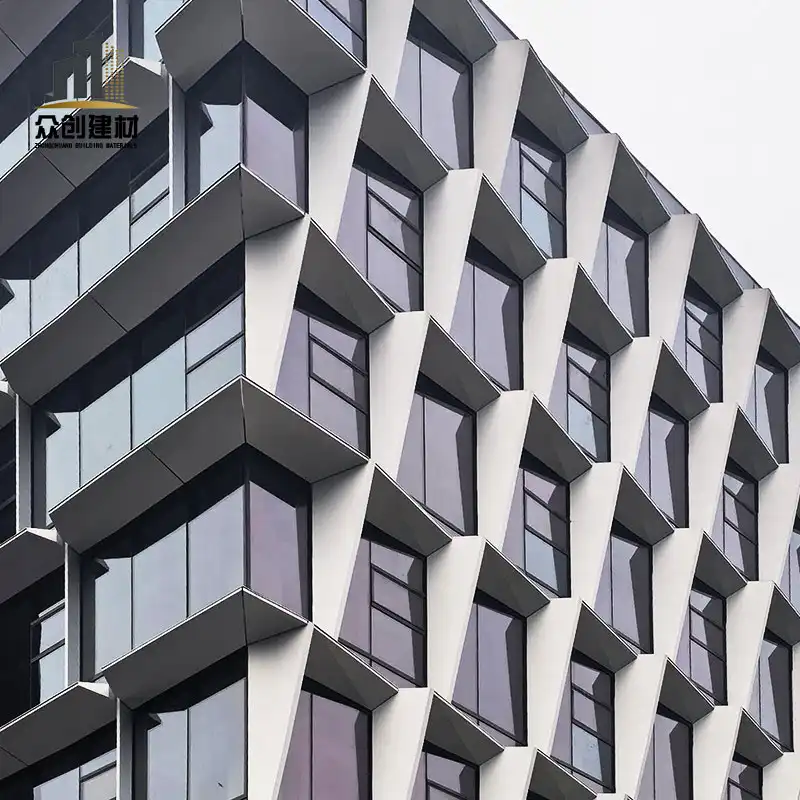
Surface treatment is the core production process of aluminum veneer, which directly determines the decorative effect of the building facade, weather and corrosion resistance, service life, and scenario adaptability. At present, the mainstream surface treatment processes for aluminum veneer in construction projects are divided into three categories: PVDF fluorocarbon coating, polyester powder coating, and inorganic ceramic coating. There are significant differences in film-forming principle, durability grade, appearance texture, and cost among the three processes. Reasonable selection can balance project quality, design effect and project budget.
Core Forming Principles of the Three Processes
- PVDF Fluorocarbon CoatingIt adopts polyvinylidene fluoride (PVDF) fluorocarbon resin coating, which is cured by high-temperature baking at 180~250℃ after uniform electrostatic spraying. It is usually divided into 2-coat 1-bake, 3-coat 2-bake, and 4-coat 2-bake. The 3-coat 2-bake process is commonly used for building exterior walls, complying with AAMA 2605, the highest international weather resistance standard for exterior wall coatings.
- Powder CoatingThe thermosetting polyester powder coating is electrostatically adsorbed on the panel surface, and melted and cured into a film at a high temperature of 180~200℃. It is divided into indoor general powder and outdoor weather-resistant powder, with the advantages of simple process, low cost, and full and delicate color.
- Inorganic Ceramic CoatingIt adopts nano inorganic ceramic coating raw materials without organic resin components. After high-temperature curing, it forms a dense and hard protective film with ceramic texture. Its wear resistance, aging resistance, fire protection and environmental protection performance are far better than traditional organic coatings.
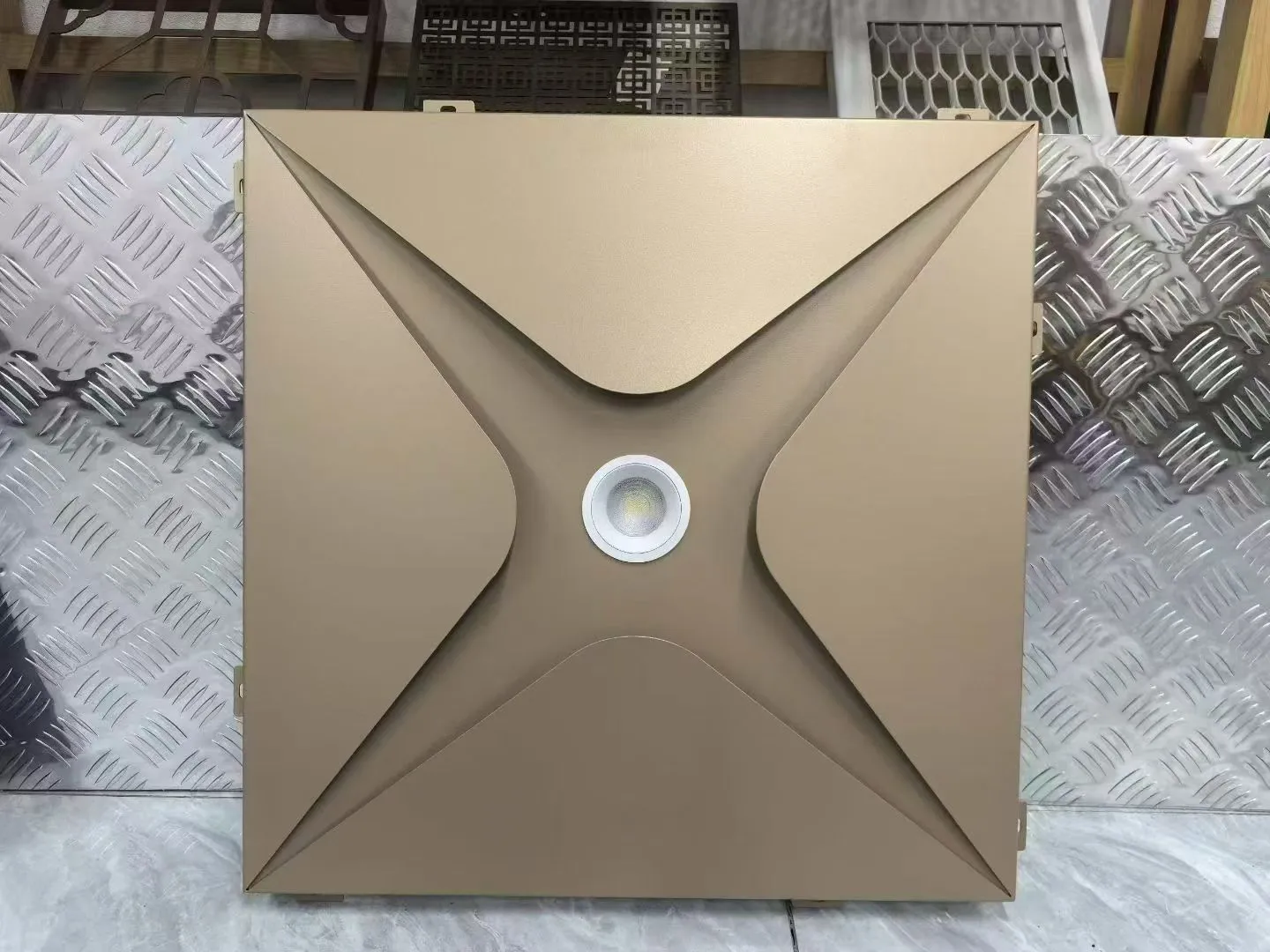
Comprehensive Comparison of Core Performance
- Weather and UV Resistance
- PVDF Coating: Extremely strong, with no fading, chalking or cracking for more than 20 years outdoors, suitable for coastal areas, high-insolation areas and acid rain areas;
- Powder Coating: Average, prone to aging and discoloration after 5-10 years outdoors, only suitable for indoor or semi-outdoor areas without direct sunlight exposure;
- Ceramic Coating: Excellent, the inorganic material will not age, with a service life of more than 30 years outdoors.
- Acid, Alkali and Salt Spray Corrosion ResistancePVDF Coating > Ceramic Coating > Powder Coating. PVDF or ceramic coating is preferred for coastal high-salt-spray areas and industrial zones.
- Wear, Scratch Resistance and HardnessCeramic Coating has the highest hardness (4H~9H), followed by PVDF Coating, while powder coating has a relatively soft coating and is easy to scratch.
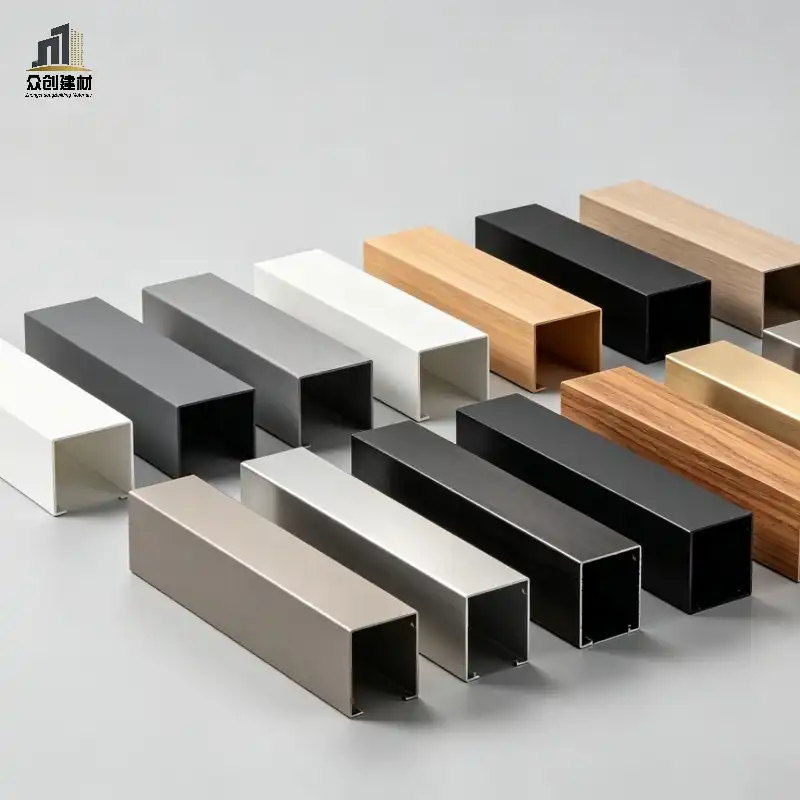
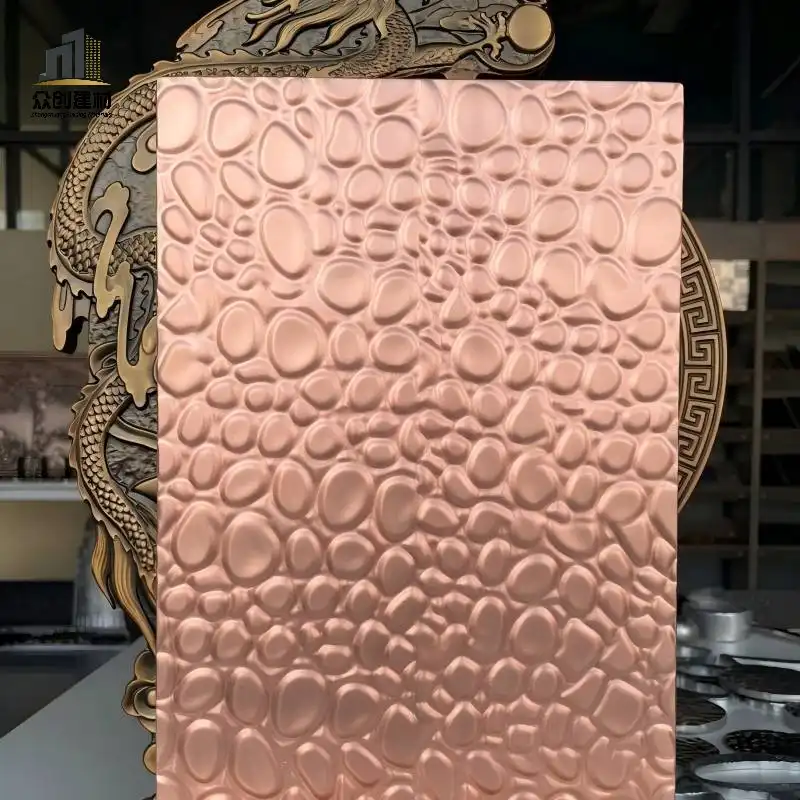
- Decorative Color EffectPVDF coating has the most complete color system, including matte, metallic, pearlescent, stone-like and wood-grain effects; powder coating has a delicate effect on solid colors and wood grain; ceramic coating is mainly based on low-saturation matte color systems.
- Fire Protection and Environmental ProtectionCeramic coating is Class A non-combustible with zero VOC; both PVDF and powder coatings will not affect the overall Class A non-combustible grade of the aluminum veneer.
- Self-Cleaning and Anti-Fouling PerformancePVDF coating has low surface energy with hydrophobic self-cleaning property; ceramic coating has a dense surface and does not absorb dust; powder coating is easy to accumulate dust and difficult to clean.
- Project CostCeramic Coating > PVDF Fluorocarbon Coating > Powder Coating.
Scenario Selection Recommendations
- Building exterior walls, high-altitude curtain walls, landmark projects, coastal typhoon-prone areas: 3-coat 2-bake PVDF fluorocarbon coating is recommended;
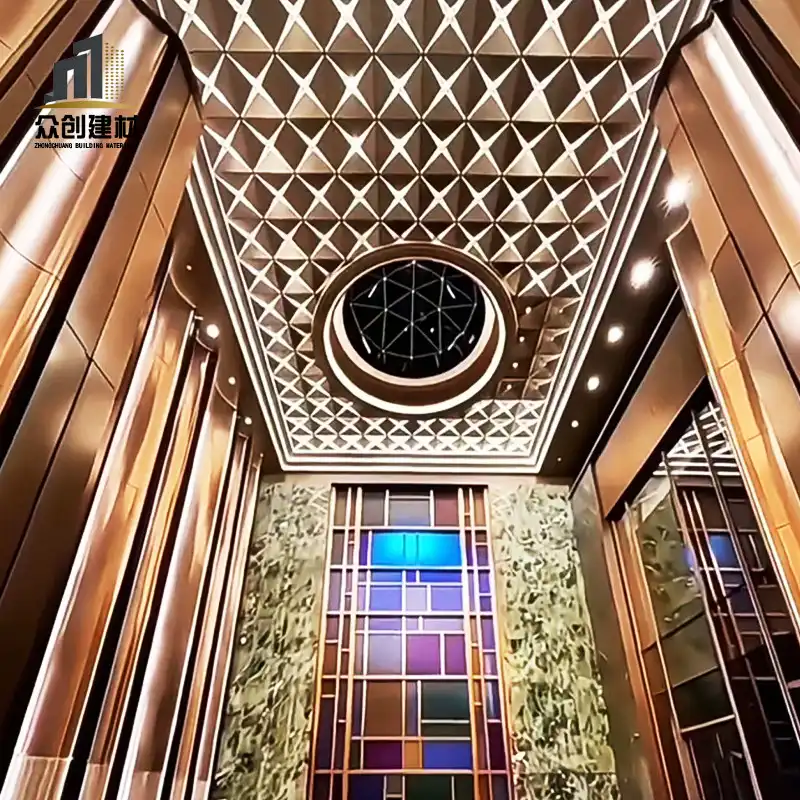
- Indoor ceiling, interior wall cladding, interior decoration, basement projects: powder coating is recommended;
- Subway tunnels, hospital clean spaces, super high-rise permanent curtain walls, high wear resistance and fire protection projects: ceramic coating is recommended.
share:






YOU MAY LIKE