_1762768699969.webp)

_1782530506402.webp)
(1)_1783045836766.webp)
_1786157639392.webp)
(1)_1780970038980.webp)
Custom Geometric Metal Decorative Wall Panels – Redefining Modern Architectural Aesthetics
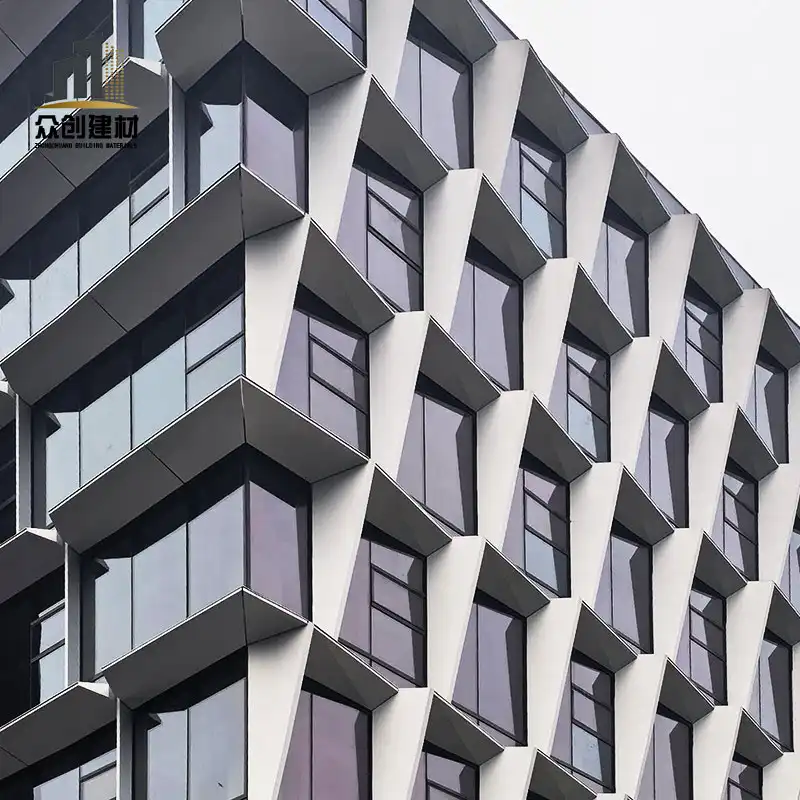
In recent years, the global architectural and interior design industry has witnessed a significant shift toward geometric forms and patterns. Moving away from monotonous flat walls and uniform surfaces, architects and developers are increasingly embracing custom geometric metal decorative wall panels as a transformative design element. These panels combine the structural advantages of metal with the artistic flexibility of geometric shapes, creating dynamic, three-dimensional spaces that stand out in both commercial and residential projects.
According to a 2026 market research report by Grand View Research, the global architectural metal cladding market is projected to reach $87.2 billion by 2030, with custom geometric panels accounting for the fastest-growing segment at a CAGR of 7.8%. This growth is driven by the demand for unique, brand-defining spaces that combine aesthetics with durability and sustainability.
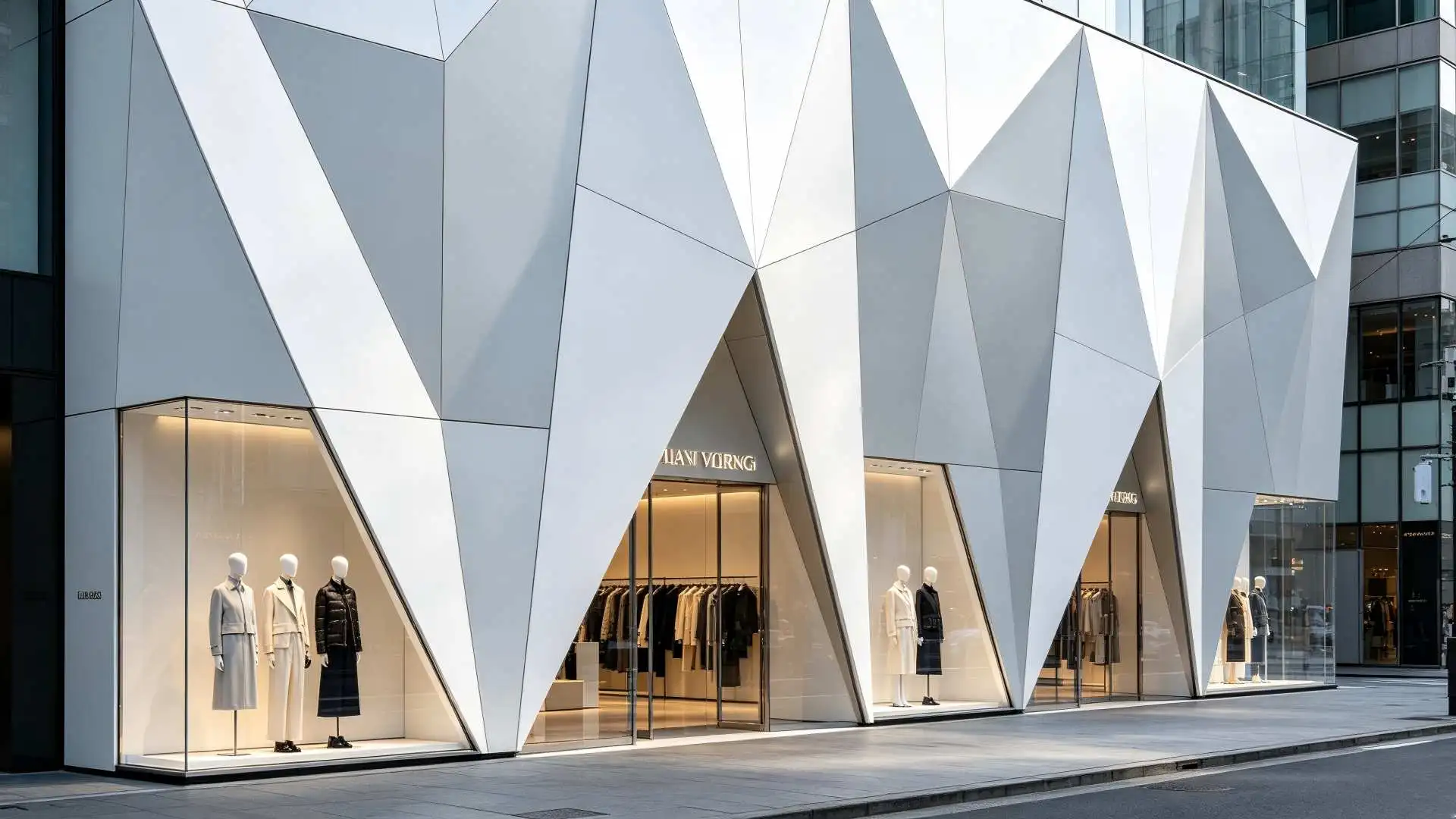
Custom Geometric Metal Decorative Wall Panels
What Are Custom Geometric Metal Decorative Wall Panels?
Custom geometric metal decorative wall panels are prefabricated architectural elements manufactured from aluminum, steel, or copper alloys. They are precisely cut, bent, and formed into various geometric shapes—including triangles, hexagons, diamonds, squares, and irregular polygons—to create visually striking wall surfaces.
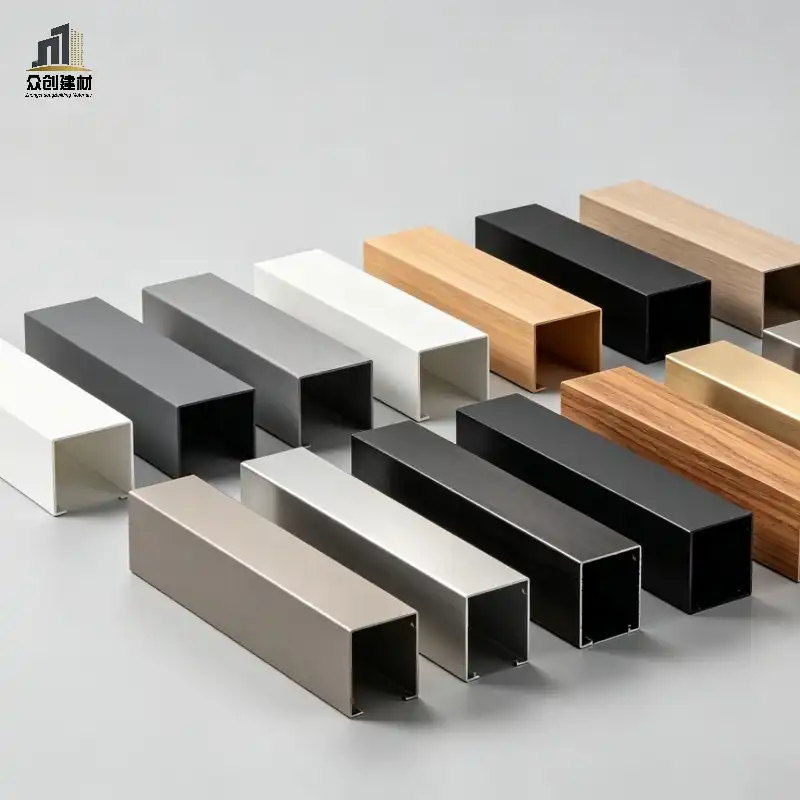
Unlike traditional solid flat panels, geometric metal panels can be arranged in countless configurations to produce intricate patterns, 3D textures, and layered effects. They are available in a wide range of surface finishes, including PVDF fluorocarbon coating, powder coating, UV digital printing, anodizing, and porcelain enamel, allowing for unlimited color and texture customization.
Core Advantages Over Traditional Wall Materials
1. Unmatched Design Flexibility
Geometric metal panels offer unparalleled design freedom. Architects can create custom shapes, sizes, and patterns to match any project's aesthetic vision, from minimalist angular designs to complex organic geometric forms. No two projects need to look identical, making these panels ideal for brand differentiation.
2. Exceptional Durability & Longevity
Manufactured from high-quality aluminum alloys such as 3003-H24 and 5052-H32, these panels are resistant to corrosion, UV radiation, and extreme weather conditions. PVDF-coated panels provide up to 20 years of color fastness outdoors, while porcelain enamel panels can last 50 years or more with minimal maintenance.
3. Lightweight Structural Efficiency
Aluminum has a density only one-third that of steel, significantly reducing the load on building structures. This makes geometric metal panels suitable for both new construction and renovation projects where structural weight is a concern.
4. Superior Fire Safety
Metal is inherently non-combustible, and high-quality geometric panels achieve an A2-s1,d0 fire rating—the highest standard for building materials. They do not release toxic fumes when exposed to fire, making them mandatory for public buildings such as hospitals, schools, and transportation hubs.
5. Sustainability & Environmental Friendliness
Aluminum is 100% recyclable without losing any of its properties. Most manufacturers use recycled aluminum content in their panels, and the production process generates minimal waste. Additionally, the long lifespan of these panels reduces the need for frequent replacement, further minimizing environmental impact.
6. Low Maintenance Requirements
The smooth, non-porous surface of geometric metal panels resists dirt, mold, and graffiti. They can be easily cleaned with water and mild detergent, eliminating the need for expensive maintenance and repainting.
Most Popular Geometric Shapes & Their Applications
| Geometric Shape | Aesthetic Effect | Best Applications |
|---|---|---|
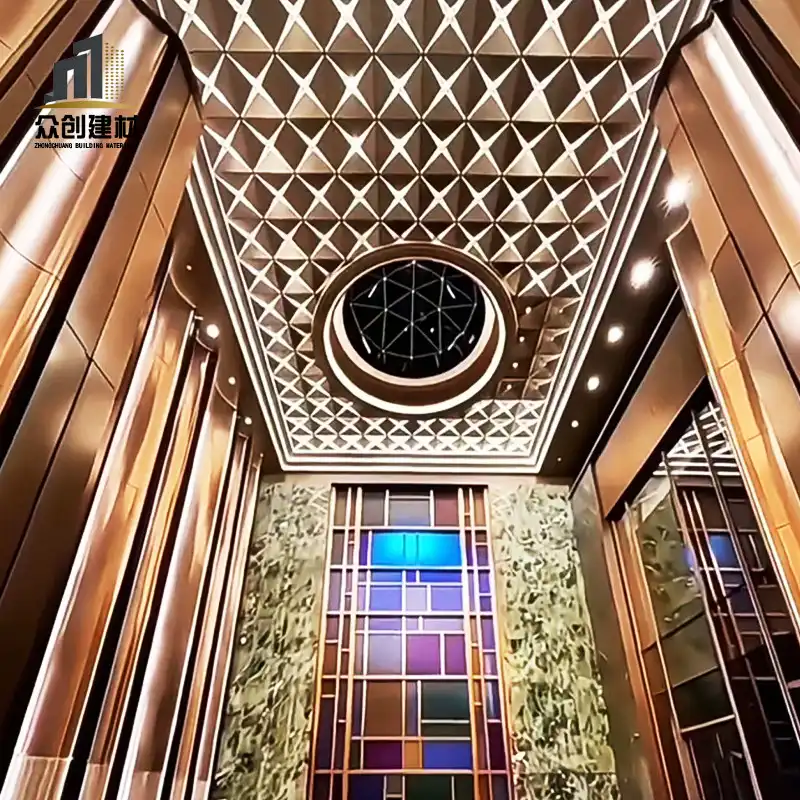
| Triangles | Dynamic, modern, creates 3D layering | Hotel lobbies, retail facades, office interiors |
| Hexagons | Organic, modular, honeycomb effect | Restaurant interiors, healthcare facilities, exhibition halls |
| Diamonds/Rhombuses | Elegant, sophisticated, diagonal movement | Luxury retail, high-end residences, corporate headquarters |
| Squares/Rectangles | Classic, structured, grid patterns | Office buildings, educational institutions, parking garages |
| Irregular Polygons | Unique, artistic, one-of-a-kind design | Art galleries, museums, flagship stores |
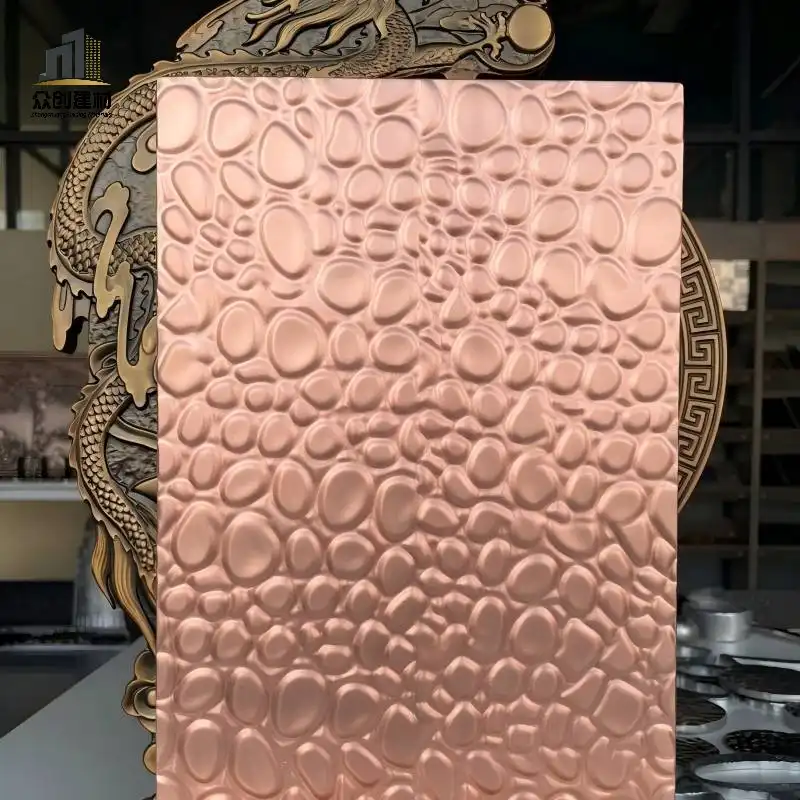
| 3D Relief Shapes | Dramatic, tactile, light-shadow interaction | Feature walls, entrance foyers, public art installations |
Key Application Scenarios
Commercial Spaces
- Retail & Hospitality: Shopping mall facades, hotel lobbies, restaurant interiors, and resort feature walls use geometric panels to create memorable brand experiences.
- Office Buildings: Corporate headquarters and co-working spaces use geometric designs to foster creativity and reflect modern corporate identities.
- Entertainment Venues: Cinemas, theaters, and concert halls use dynamic geometric patterns to enhance the visitor experience.
Public & Institutional Buildings
- Transportation Hubs: Airports, train stations, and metro systems use durable, easy-to-clean geometric panels for both interior and exterior applications.
- Healthcare Facilities: Hospitals and clinics use antimicrobial-coated geometric panels that meet strict hygiene requirements while creating calming environments.
- Educational Institutions: Schools and universities use vibrant geometric designs to inspire students and create engaging learning spaces.
Residential Architecture
High-end residential projects increasingly use custom geometric metal panels for exterior facades, interior feature walls, and fireplace surrounds, adding a touch of modern luxury to homes.
Latest Technological Innovations
1. Advanced CNC Manufacturing
Computer Numerical Control (CNC) cutting and bending technology enables the production of highly precise, complex geometric shapes with tight tolerances. This technology allows for the creation of custom panels without the need for expensive molds, making small-batch production economically viable.
2. Integrated Lighting Systems
Modern geometric metal panels can be designed with integrated LED lighting systems. The panels act as both structural elements and light diffusers, creating dramatic lighting effects that enhance the geometric patterns.
3. Digital Printing Technology
UV digital printing technology allows for high-resolution images, patterns, and textures to be printed directly onto metal panels. This enables architects to create realistic wood grain, marble, or custom artwork on geometric panels, expanding design possibilities even further.
4. Perforated Geometric Panels
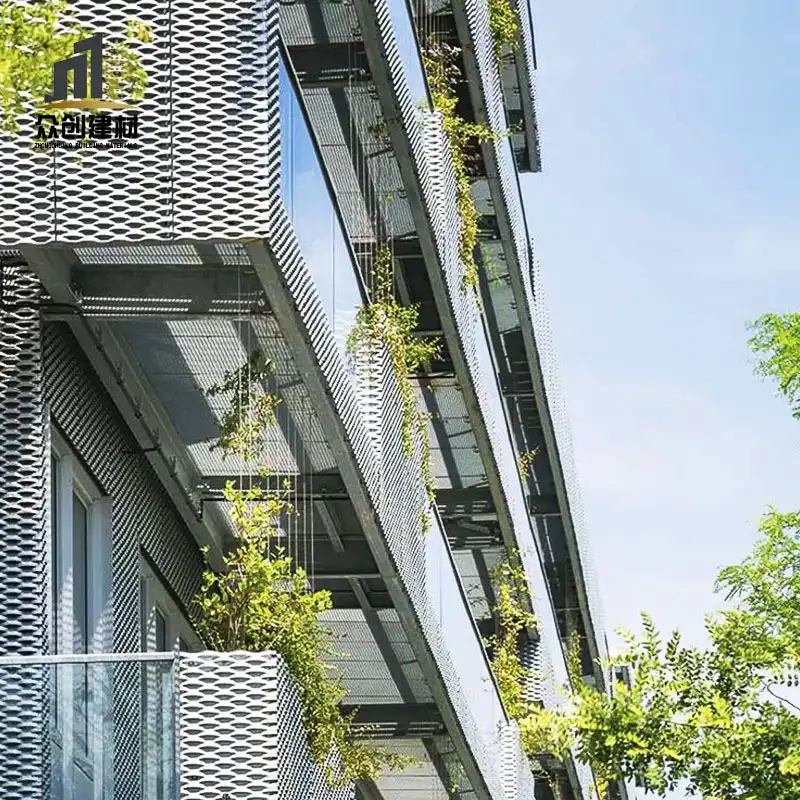
Perforated geometric panels combine aesthetic appeal with functional benefits such as acoustic absorption and natural ventilation. They are ideal for building facades where both visual interest and performance are required.
Design & Installation Best Practices
Design Considerations
- Scale & Proportion: Ensure the size of the geometric shapes is appropriate for the space. Larger shapes work better for large-scale facades, while smaller shapes are suitable for interior feature walls.
- Color Contrast: Use contrasting colors to emphasize the geometric patterns and create depth.
- Lighting: Consider how natural and artificial light will interact with the 3D surfaces to create dynamic shadow effects.
Installation Best Practices
- Hidden Fastening Systems: Use hidden screw or clip systems to maintain a clean, seamless appearance.
- Expansion Joints: Allow for thermal expansion and contraction of the metal panels to prevent warping and buckling.
- Professional Installation: Ensure installation is carried out by experienced professionals familiar with metal cladding systems to guarantee structural integrity and aesthetic quality.
Future Trends in Geometric Metal Wall Panels
1. Smart Panels
The integration of smart technologies such as sensors, solar cells, and interactive displays into geometric metal panels will transform them from passive decorative elements into active building components.
2. Biophilic Design Integration
Geometric patterns inspired by nature—such as leaf veins, honeycombs, and crystal structures—will become increasingly popular as architects embrace biophilic design principles.
3. Circular Economy Practices
Manufacturers will continue to increase the use of recycled materials and develop take-back programs to ensure end-of-life panels are recycled, creating a fully circular economy for metal cladding products.
4. Parametric Design
Parametric design software will enable architects to create complex, algorithm-generated geometric patterns that were previously impossible to manufacture, pushing the boundaries of what is achievable with metal wall panels.
Conclusion
Custom geometric metal decorative wall panels have revolutionized modern architectural design by offering a perfect balance of aesthetics, performance, and sustainability. As technology continues to advance and design possibilities expand, these panels will undoubtedly remain a dominant trend in the global construction industry for years to come.
For architects and developers looking to create unique, durable, and visually striking spaces, custom geometric metal wall panels provide an ideal solution that stands the test of time.