_1762768699969.webp)

_1782530506402.webp)
(1)_1783045836766.webp)
_1786157639392.webp)
(1)_1780970038980.webp)
Faceted Aluminum Facade Panels: 2026 Geometric Facade Light & Shadow Design Guide
Why Light & Shadow Defines Modern Facade Design
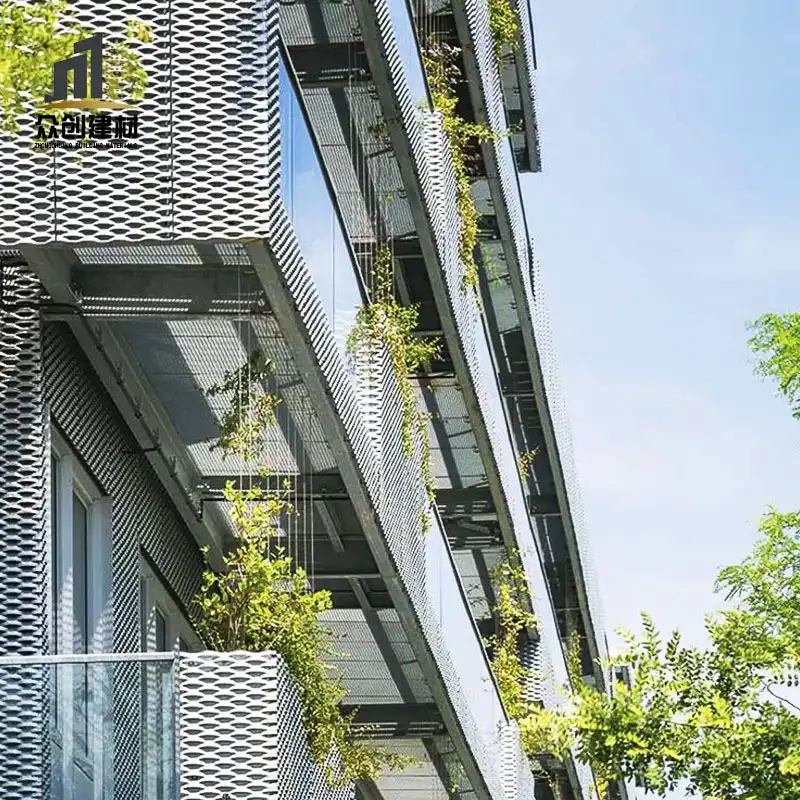
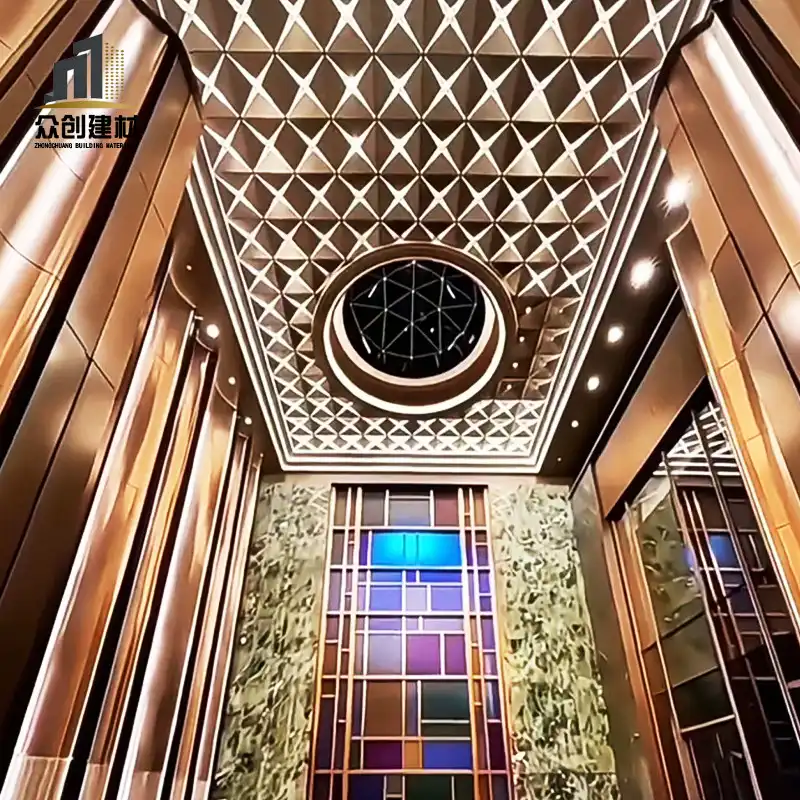
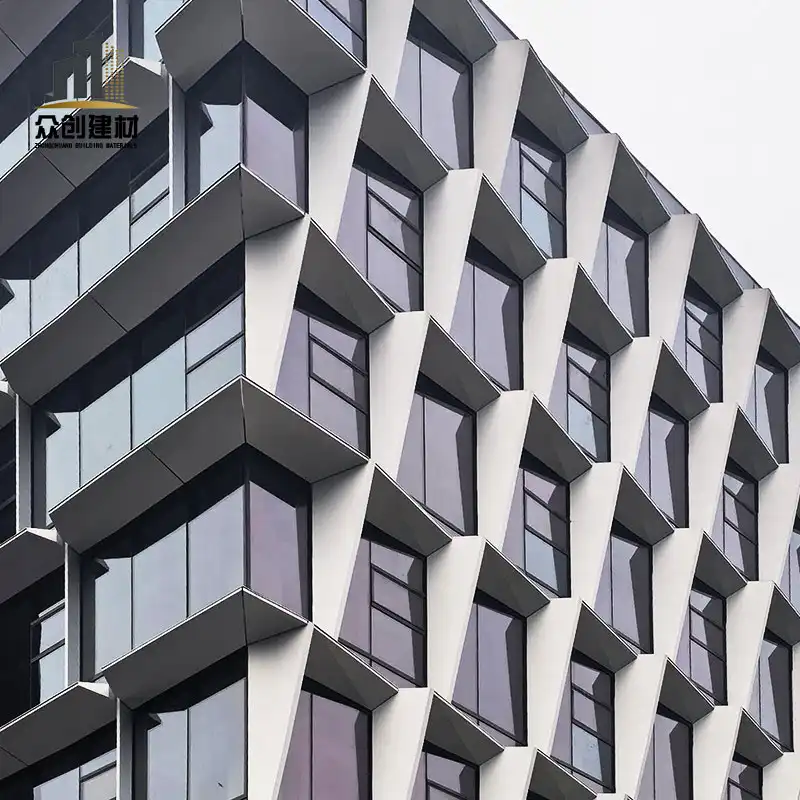
In 2026, leading architects are moving away from flat, static facades to dynamic designs that interact with natural light. Static glass or flat panel facades look identical at every hour of the day, while faceted geometric facades create changing shadow patterns as the sun moves, giving buildings a living, dynamic appearance with zero energy use or moving parts. Faceted aluminum panels are the most cost-effective way to achieve this effect, with far more design flexibility than natural stone or precast concrete.
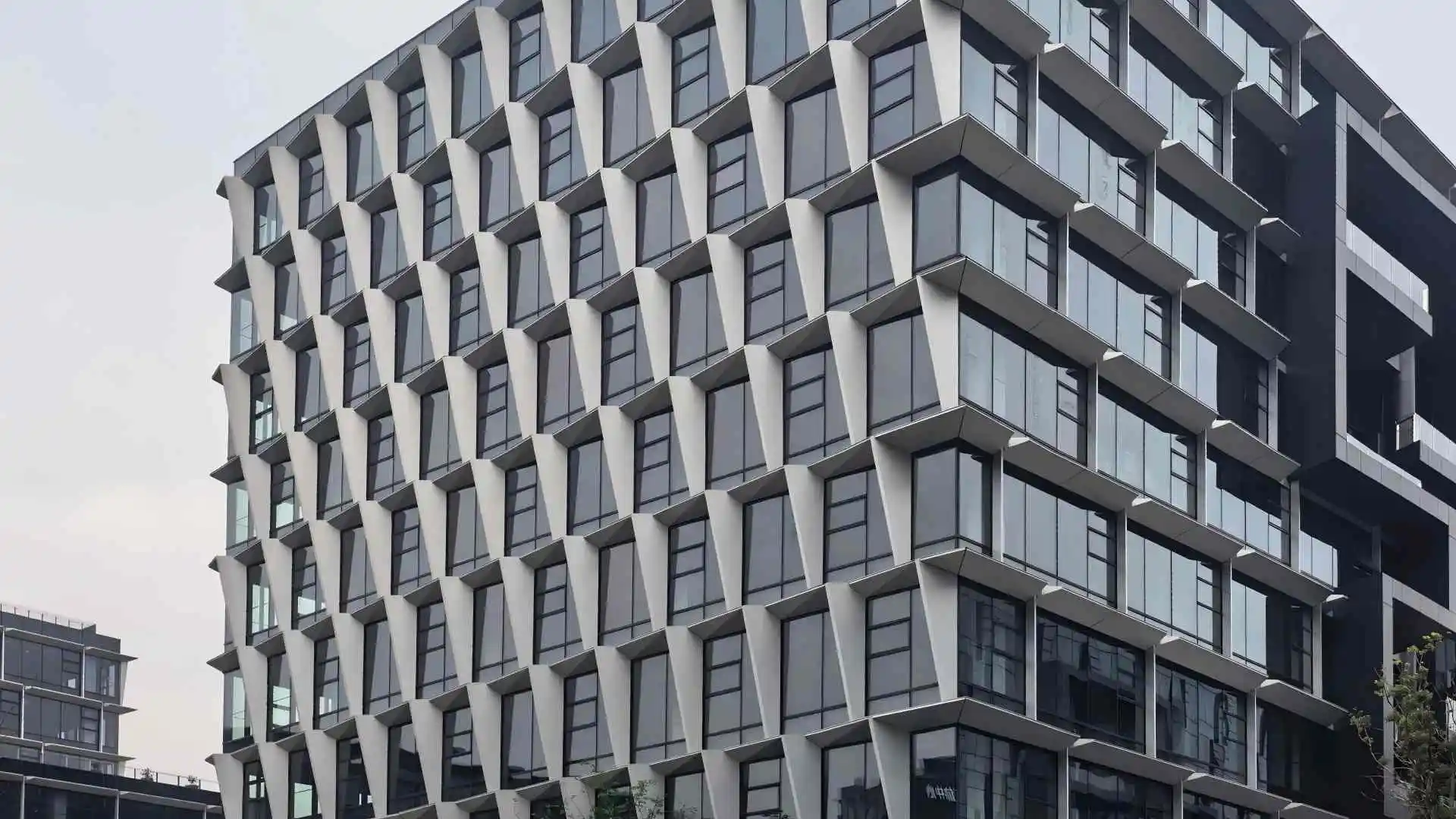
Matte light gray large triangle faceted aluminum facade panels
Fold Angle & Light Effect Guide
Different fold angles create distinct light and shadow effects; use this guide to select the right angle for your project:
| Fold Angle | Shadow Effect | Best Project Type |
|---|---|---|
| 15°–30° | Subtle soft shadow, gentle texture change through the day | Office buildings, understated commercial facades, university buildings |
| 30°–45° | Medium contrast shadow, clear geometric texture, visible change from morning to evening | Retail facades, public buildings, mixed-use developments |
| 45°–60° | Strong high-contrast shadow, bold geometric pattern, dramatic light change | Cultural centers, museums, landmark buildings, global flagship stores |
| 60°–90° | Deep dramatic shadow, strong 3D effect, high contrast even in overcast light | Art galleries, stadiums, iconic civic landmark architecture |
Key design note: Angles over 90° create inward-facing facets that catch less direct light, for a darker, more muted effect suitable for shaded north-facing facades.
Faceted Panel Selection by Building Type
Different building types have different design priorities; use this guide to select faceted panel specifications:
- Cultural Centers & Museums Specify 3.0mm thick panels, 45°–60° fold angles, custom diamond or triangle facets, matte PVDF coating in neutral grey or bronze tones, optional backlighting for night effect. Prioritize strong shadow contrast and timeless, long-lasting design.
- Corporate Headquarters Specify 2.5mm thick panels, 20°–30° fold angles, subtle rectangular facets, metallic silver or dark grey PVDF coating, for a professional, understated dynamic texture that does not distract from corporate brand identity.
- High-End Retail & Flagships Specify 3.0mm thick panels, 45°+ fold angles, custom geometric shapes, brand-matched color coating, optional perforation or backlighting, to create a bold, eye-catching facade that draws passing customer attention.
- Public Buildings & Transport Hubs Specify 2.5mm thick panels, 30°–45° fold angles, standard triangle or rectangle facets, durable easy-clean PVDF coating, balancing dynamic appearance with durability and low long-term maintenance.
- Building Renovations Specify 2.5mm lightweight panels, 20°–40° fold angles, standard sizes to reduce cost, adding dynamic texture to old flat facades without adding excessive structural load.
Design Tips for Maximum Light & Shadow Impact
- Orient facets to track sun path: Angle facets to catch morning or evening sun for maximum shadow effect, based on building orientation. South-facing facades can use smaller angles, while east/west facades benefit from steeper angles to catch low angled sun.
- Mix facet sizes: Combine large and small facets to create depth and visual interest, rather than using a uniform grid across the whole facade.
- Add subtle backlighting for night: Hidden LED backlighting behind facets creates a soft glow at night, extending the dynamic effect after dark without visible light fixtures.
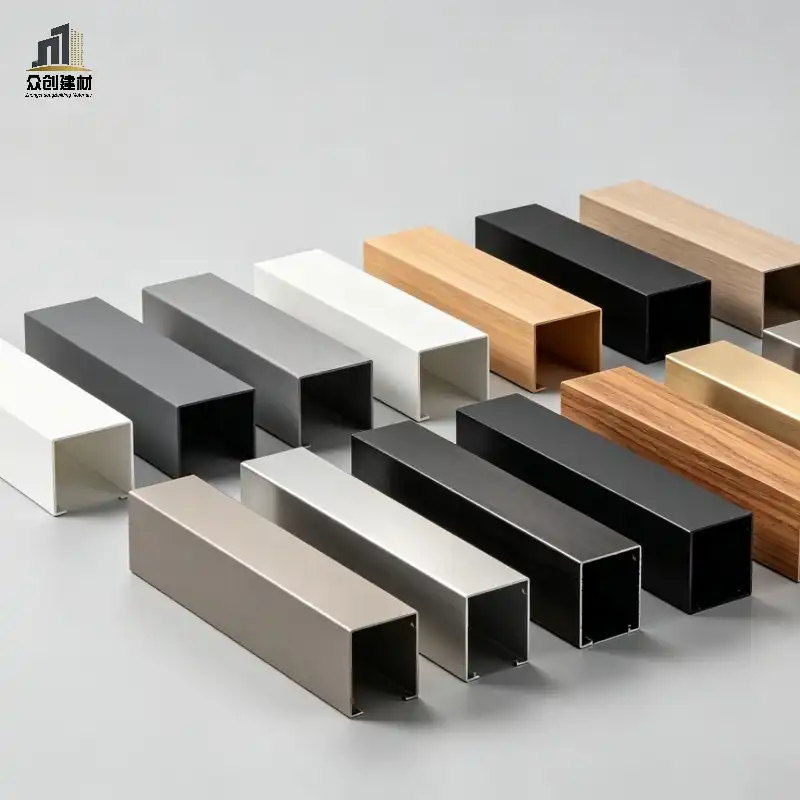
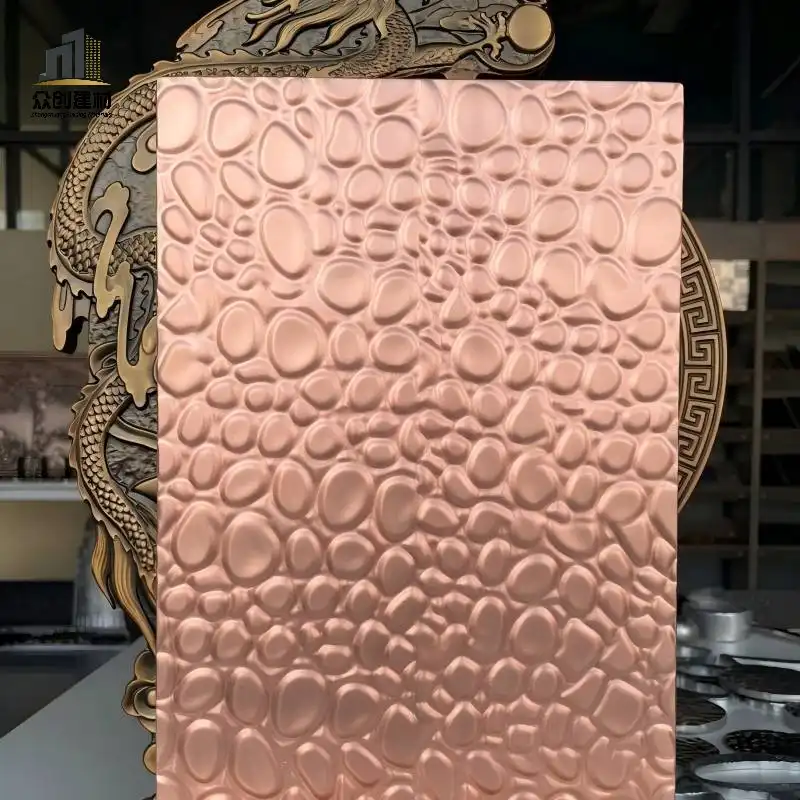
- Use coating finish to adjust contrast: Matte coatings create softer, more natural shadows, while glossy metallic coatings create sharper, higher contrast light reflections.
Common Design Mistakes to Avoid
- Using too steep an angle on low buildings: Fold angles over 60° on low-rise buildings create deep shadows that make the facade look dark and uninviting at street level.
- Inconsistent fold angles: Even 1° angle differences between panels create visible "wavy" lines across the facade, so always use CNC folded panels with ±0.1mm tolerance, never on-site manual folding.
- Ignoring wind load for deep facets: Deeper facets increase wind load; always work with a supplier that provides project-specific wind load calculations for faceted designs.
- Overcomplicating facet shapes: Overly complex custom polygon facets increase cost significantly; standard triangle, diamond and rectangle facets deliver 90% of the design effect at 50% of the cost.
Cost Comparison of Geometric Facade Options
| Material | Installed Cost ($/㎡) | Lead Time | Effect | Lifespan |
|---|---|---|---|---|
| CNC Folded Aluminum Faceted Panels | $95–115 | 30 days/10,000㎡ | Fully custom dynamic shadow | 30+ years |
| Double-Curved Aluminum Panels | $160–200 | 45 days/10,000㎡ | Smooth curved effect | 30+ years |
| Natural Stone Geometric Cladding | $220–280 | 75 days/10,000㎡ | Static deep shadow | 50+ years |
| GRC/Precast Geometric Panels | $120–150 | 60 days/10,000㎡ | Static shadow | 25 years |
| On-Site Folded Metal Panels | $70–85 | 40 days/10,000㎡ | Inconsistent, high distortion | 10–15 years |
Key takeaway: CNC folded aluminum faceted panels deliver the best balance of custom dynamic effect, cost, lead time and lifespan for geometric facade design.
Supplier Checklist for Faceted Facade Projects
When selecting a supplier for faceted aluminum panels, require these qualifications:
- CNC folding equipment with ±0.1mm angle tolerance
- 100% panel angle inspection before shipping
- Project-specific wind load calculations
- 3D BIM modeling support for complex designs
- Reference list of completed geometric facade projects
- Minimum 20-year exterior warranty, including shape retention
Conclusion
Faceted aluminum panels are the most accessible and flexible solution for creating dynamic, light-interactive building facades. At a far lower cost than double-curved panels or natural stone geometric cladding, they deliver naturally changing shadow effects throughout the day, helping buildings stand out in their context. With proper angle selection and intentional design, faceted facades create timeless landmark architecture that feels alive in every light condition.