_1762768699969.webp)

_1782530506402.webp)
(1)_1783045836766.webp)
_1786157639392.webp)
(1)_1780970038980.webp)
Performance and Application Advantages of PVDF Aluminum Veneer Curtain Wall
1. Introduction to PVDF Aluminum Veneer Curtain Wall
PVDF (Polyvinylidene Fluoride) aluminum veneer curtain wall is a high-performance exterior cladding system that combines the structural strength of aluminum alloy with the exceptional weather resistance of PVDF fluorocarbon coating. As a lightweight, durable, and aesthetically versatile solution, it has become the preferred choice for modern commercial buildings, skyscrapers, and public infrastructure, addressing the dual demands of architectural design and long-term operational reliability.

2. Core Performance Advantages
2.1 Unmatched Weather Resistance & Color Stability
PVDF coating is renowned for its outstanding resistance to UV radiation, extreme temperatures, and chemical corrosion. Unlike conventional powder coatings or polyester finishes, PVDF can retain up to 90% of its original color and gloss after 20+ years of exposure to sunlight, rain, and urban pollution. It effectively prevents fading, chalking, and cracking, even in harsh coastal or industrial environments, ensuring the building facade maintains a pristine appearance for decades.
2.2 Superior Corrosion & Fire Resistance
Crafted from high-grade 3000/5000 series aluminum alloy, the base material inherently resists rust and corrosion, while the PVDF coating forms a protective barrier against salt spray, acid rain, and industrial emissions. Compliant with ASTM E84 Class A fire safety standards, PVDF aluminum veneer is non-combustible and does not release toxic fumes in the event of a fire, significantly enhancing the building’s fire safety performance.
2.3 Lightweight Structural Efficiency
With a typical thickness of 2.0–4.0mm, PVDF aluminum veneer is far lighter than stone, concrete, or steel cladding systems. This lightweight nature reduces the structural load on the building, lowers foundation and framing costs, and simplifies installation—making it ideal for high-rise structures and seismic-sensitive regions, while still maintaining excellent rigidity and wind load resistance.
2.4 Easy Maintenance & Long Service Life
The non-porous, smooth surface of PVDF coating repels dust, dirt, and stains, requiring only regular water washing to keep the facade clean. It is resistant to graffiti and chemical cleaners, minimizing long-term maintenance costs and labor. With a service life of up to 30 years, PVDF aluminum veneer offers a far lower total cost of ownership compared to traditional cladding materials.
2.5 Environmental Sustainability
Aluminum is 100% infinitely recyclable, and PVDF aluminum veneer can be fully recycled at the end of its lifecycle without losing material properties. The production process emits low levels of VOCs (Volatile Organic Compounds), aligning with green building certifications such as LEED® and BREEAM. This makes it a sustainable choice that reduces the building’s carbon footprint while meeting modern environmental standards.
3. Key Application Advantages
3.1 Unprecedented Design Flexibility
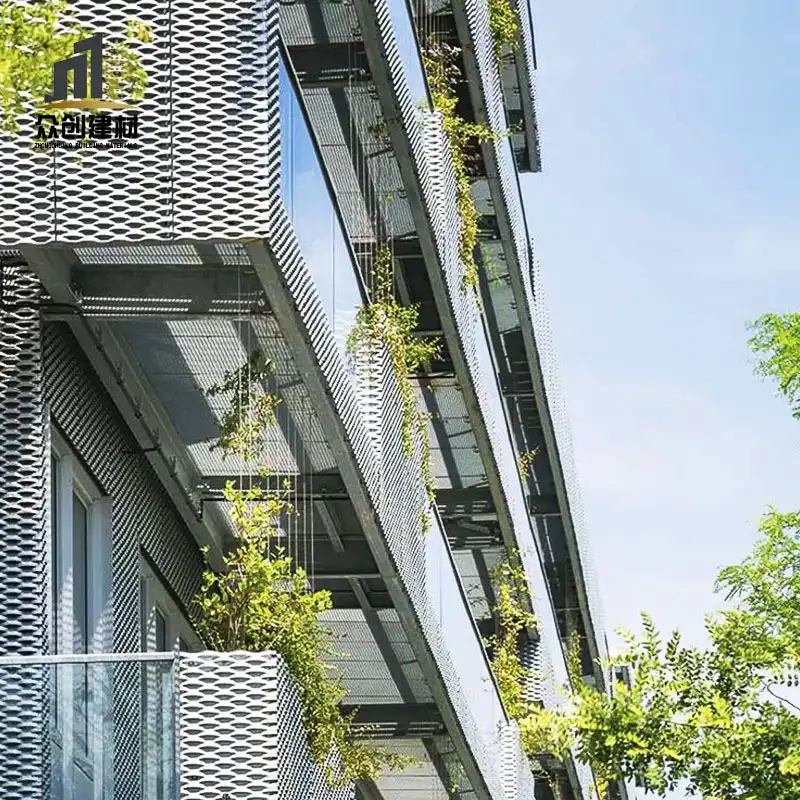
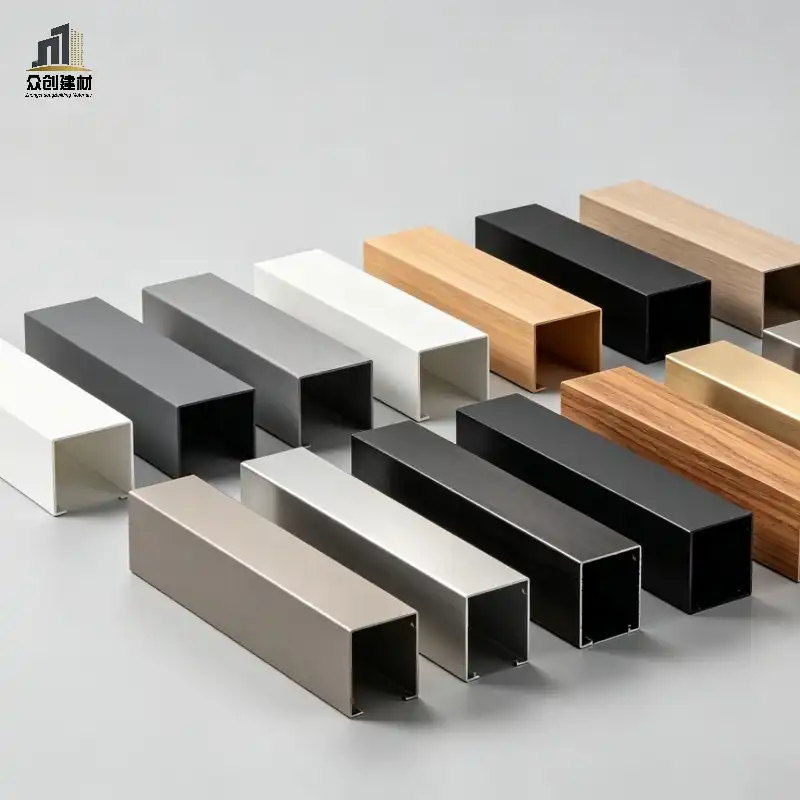
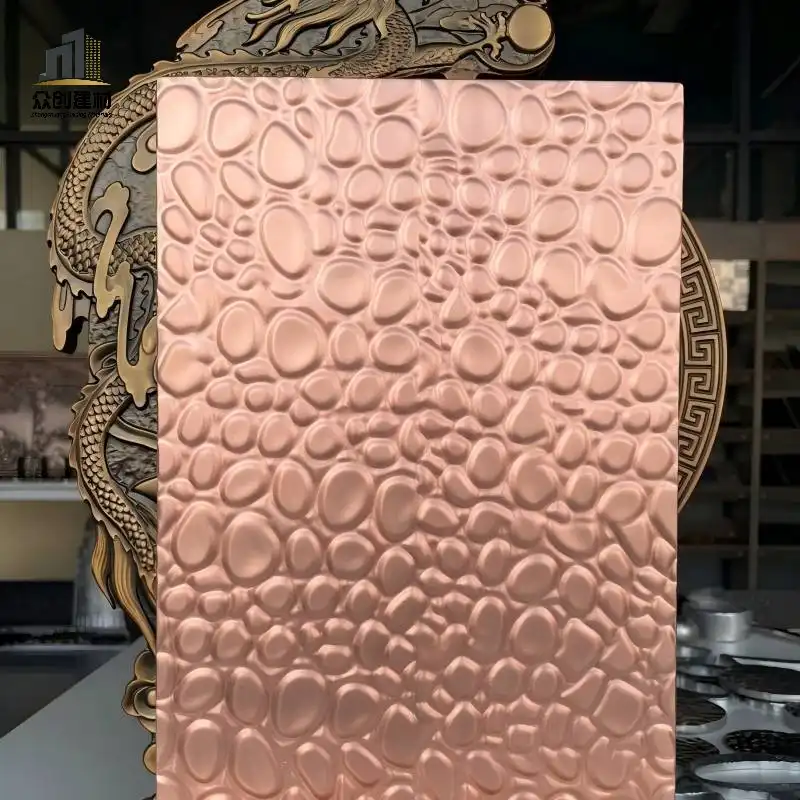
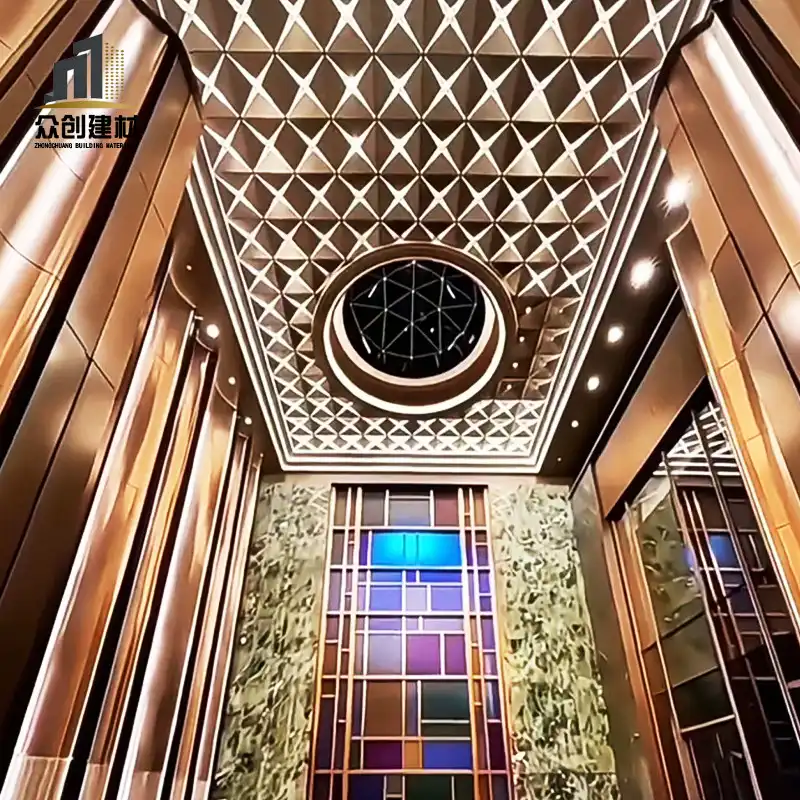
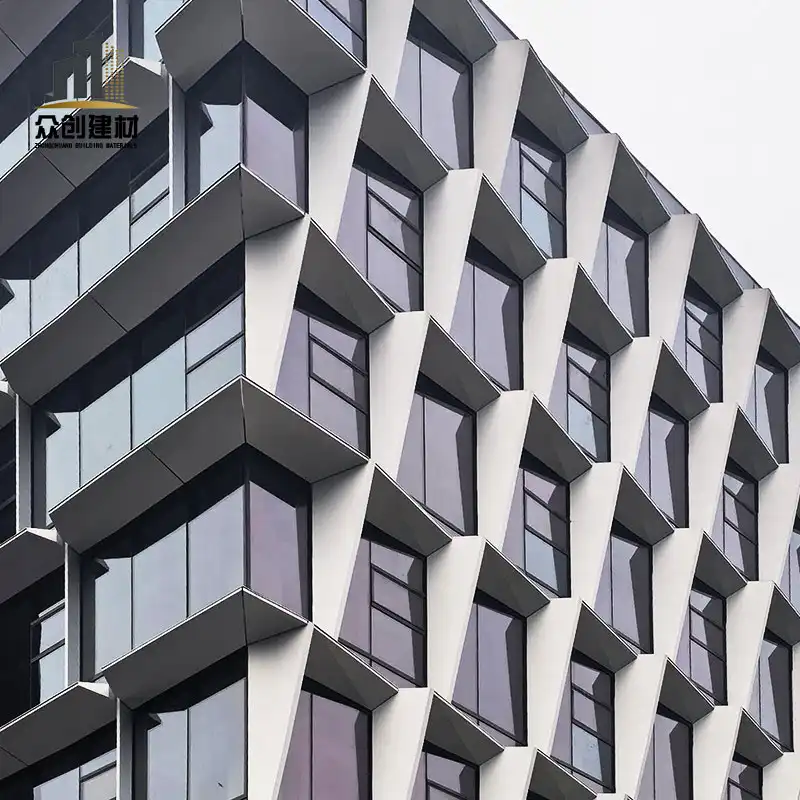
PVDF aluminum veneer supports a wide range of custom shapes, sizes, and surface treatments. Advanced CNC bending, laser cutting, and hydroforming technologies enable the creation of complex curved profiles, perforated patterns, and sculpted reliefs, allowing architects to realize bold, organic, or geometric design concepts. The PVDF coating is available in a vast spectrum of colors, including metallic, matte, and gradient finishes, enabling seamless integration with any architectural style—from minimalist modern to classical revival.
3.2 Modular Installation & Construction Efficiency
The curtain wall system adopts a modular, dry-hanging installation method, which significantly speeds up construction timelines compared to wet-set cladding. Pre-fabricated panels are manufactured in controlled factory conditions, ensuring consistent quality and precise dimensions, then assembled on-site with minimal on-site cutting or welding. This reduces construction waste, labor costs, and disruption to surrounding areas, making it ideal for fast-track commercial projects.
3.3 Thermal & Acoustic Performance Enhancement
When integrated with insulation layers (rock wool, polyurethane foam) and air cavity design, PVDF aluminum veneer curtain wall effectively improves the building’s thermal insulation, reducing energy consumption for heating and cooling. Perforated PVDF panels can also be combined with sound-absorbing backings to enhance acoustic performance, making it suitable for noise-sensitive environments such as office buildings, hospitals, and cultural venues.
3.4 Versatility Across Building Types
PVDF aluminum veneer curtain wall is highly adaptable to diverse architectural scenarios:
High-rise Commercial Buildings: Delivers a sleek, professional skyline presence while meeting strict structural and safety requirements.
Cultural & Public Buildings: Enables iconic, artistic facades for museums, libraries, and transit hubs, combining visual impact with durability.
Hospitality & Retail Spaces: Creates premium, inviting exteriors that enhance brand image and customer experience.
Renovation Projects: Lightweight and easy to install, it is an ideal solution for retrofitting existing buildings, improving energy efficiency and aesthetic appeal without major structural modifications.

4. Conclusion
PVDF aluminum veneer curtain wall stands out as a benchmark in modern facade engineering, offering a rare combination of exceptional performance, design freedom, and sustainability. Its ability to withstand extreme environmental conditions, reduce long-term costs, and realize ambitious architectural visions has solidified its position as the leading choice for high-quality exterior cladding. As the global demand for durable, energy-efficient, and aesthetically pleasing building solutions continues to grow, PVDF aluminum veneer curtain wall will remain a cornerstone of contemporary architectural design.