_1762768699969.webp)

_1782530506402.webp)
(1)_1783045836766.webp)
_1786157639392.webp)
(1)_1780970038980.webp)
Processing Technology and Precision Control Standard of Curved Aluminum Square Tube
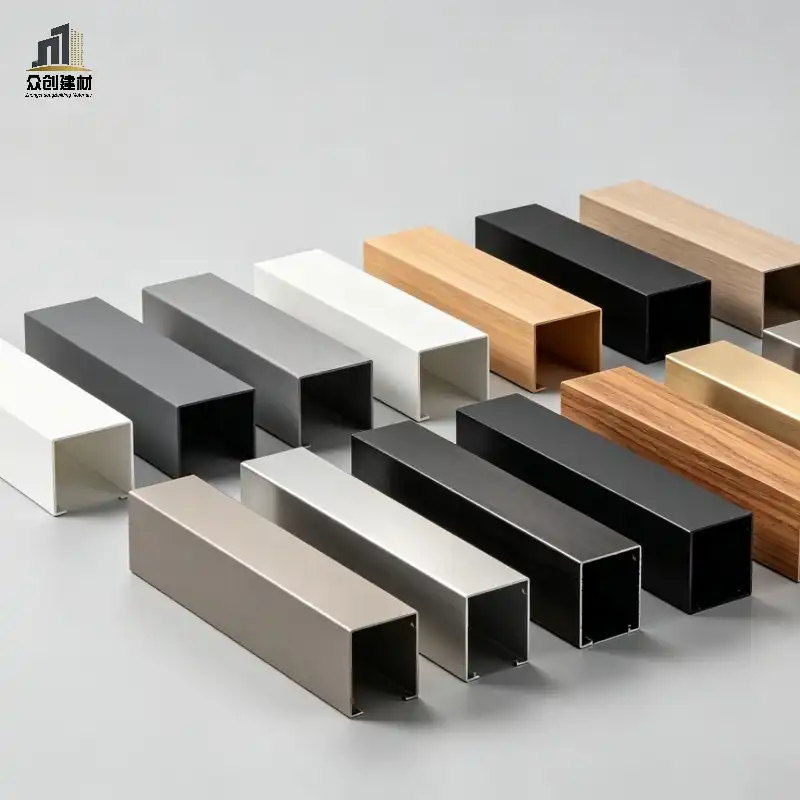
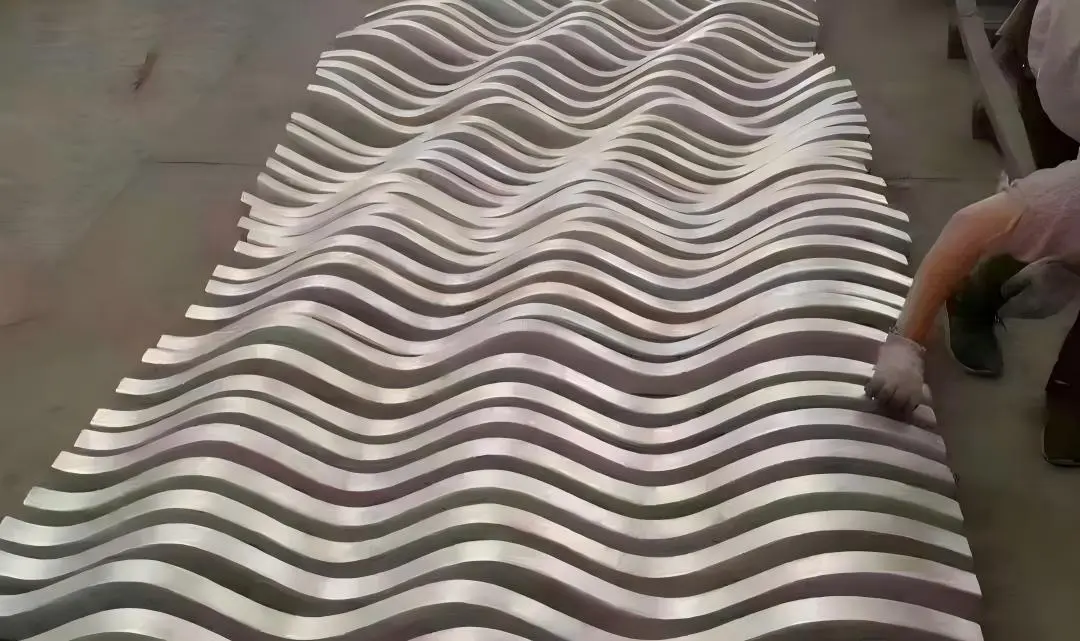
Curved aluminum square tube making uses a complex combination of cutting-edge engineering and stringent quality control standards in its processing technology and precise control standards. This complex process uses CNC bent technology, precise rolling methods, and strict quality control measures to make sure that the dimensions are accurate to within 0.5 mm. Modern makers use three-axis rolling machines and automatic bending machines to make gradient curves, co-directional curves, and reverse curves while keeping the structure strong during the forming process.
Understanding the Processing Technology of Curved Aluminum Square Tubes
When making curved aluminum square tube systems, you need to use complex engineering methods that balance accuracy with structural stability. These days, factories use many different ways to process materials to make the complicated shapes needed for modern industry and building uses.
Advanced CNC Bending Technology
Computer numerical control (CNC) systems are used a lot in modern industry to get exact curvature specs. Three-axis rolling equipment is used in these systems to apply controlled pressure along set lines. This keeps bend radii constant and reduces the amount of material stress that builds up in one place. The CNC method gets rid of the human error factors that used to be a problem with hand bending, so the rates of repeatability across production runs are higher than 99.5%. When real-time tracking systems are used during the bending process, operators can quickly spot patterns of deviation and take steps to fix them. When working with large-diameter tubes or making complicated, multi-directional curves, this technology is especially useful because standard ways would weaken the structure.
3D Precision Modeling and Simulation
Professional software systems with powerful modeling tools let you create a wide range of shapes. Before actual production starts, engineers use these tools to look at patterns of stress distribution, guess where things might break, and find the best way to bend things. This digital-first method cuts down on material waste by about 15% and makes sure that finished goods are the exact size needed. Manufacturers can also try different alloy compositions online with simulation software, which helps them choose the best material for each curve's needs. When making custom solutions for difficult building uses where standard materials might not work well enough, this ability comes in very handy.
High-Frequency Welding and Structural Reinforcement
High-frequency welding is used at critical junction spots to lock the curvature shape and make the structure more stable. In this process, carefully controlled heat is applied to the interfaces of the materials to hold them together without damaging the metal matrix around them. To keep the heat-affected zone from breaking down, the welding settings are carefully set based on the alloy makeup and wall thickness. Stress release steps after welding make sure that any remaining pressures don't affect the long-term stability of the dimensions. As part of these treatments, the welded pieces go through controlled cooling cycles and, if needed, artificial aging processes that bring back their best mechanical qualities.
Material Properties and Their Impact on Processing and Performance
The choice of aluminum material has a big effect on both how easy it is to work with and how well curved tube systems work in the end. When developing specifications, it's important to think carefully Curved aluminum square tube about how the qualities of a material affect how it's made.
Alloy Selection and Mechanical Properties
Because they have good ratios of strength to flexibility, the 6061-T6 and 6063-T5 metal systems are most often chosen for curved uses. The 6061 composition has a higher tensile strength (about 45,000 psi) while still being flexible enough to meet mild curve needs. On the other hand, 6063 metals are more flexible and can handle smaller bend radii without breaking. People who work in procurement need to know that the naming of the temper has a direct effect on the processing windows and finished mechanical qualities. T4 heat conditions make it easiest to shape complex forms, but they need to be aged first to reach certain strength levels. T6 conditions give quick benefits in strength, but they also have stricter processing factors that might limit the range of curvature that can be achieved.
Corrosion Resistance and Environmental Performance
Modern aluminum metals are very resistant to rusting from the air because they form a natural oxide layer. This passivation process makes a shield that stops degradation from happening over time in coastal, industrial, and urban settings. According to ASTM B117 guidelines, salt spray testing always shows performance greater than 1000 hours without any obvious corrosion. When compared to flat or angled profiles, the curved shape actually improves draining, which means that less water is retained, which could lead to limited corrosion cells. This design advantage is especially useful in seaside settings, where salt exposure is the main way that metal building parts break down.
Thermal Expansion Considerations
The temperature expansion rate of aluminum is about 23.6 × 10^-6 per degree Celsius, which needs to be carefully thought through during the system design stages. Because of the way they are shaped, curved curves experience uneven thermal stresses. For long-term performance, it is important to plan where the expansion joints go and how they link. Advanced finite element analysis helps engineers guess how heat will behave and find the best places for support points to keep stress levels low. This method of analysis stops bending, a problem that could hurt both the building's structural stability and its good looks over time.
Precision Control Standards: Ensuring Quality in Curved Aluminum Square Tubes
Quality control processes for making curved aluminum square tubes include complete measuring systems and testing methods that make sure the tubes meet the required performance and limits.
Dimensional Accuracy and Measurement Protocols
Coordinate measuring tools (CMM) check curved curves in three dimensions to make sure they meet design requirements. These systems can measure with an accuracy of within ±0.01mm, which means they can pick up on small differences that could affect how things are put together or how well structures work. Some important factors are the stability of the bend radius, the accuracy of the angles, and the uniformity of the cross-sections across the curved sections. Statistical process control methods look for changes in dimensions over multiple production runs. This finds any equipment drift that might affect the quality of the curved aluminum square tube in the final product. Control charts that keep an eye on important factors make it possible to plan preventative repair and improve processes so that the quality of the output stays the same.
Surface Finish and Treatment Standards
Standardized surface treatment methods are very strict and follow strict rules to make sure that the bonding and lasting properties are always the same. Fluorocarbon three-coating systems are prepared in several steps, including chemical cleaning, application of a conversion coating, and controlled hardening processes. At each step of the process, there are quality checks that make sure the layer thickness and adhesion standards are met. According to ASTM B117 standards, salt spray testing is a quick way to check for corrosion protection. The acceptance conditions say that the substrate must not be exposed to air for 1000 hours. This testing method mimics about 10 to 15 years of natural weathering, which gives trust in estimates about long-term performance.
Load-Bearing and Structural Verification
Mechanical testing methods make sure that curved parts can still carry the weight they're supposed to, even if the shape changes during the forming process. Three-point bending tests find out how well the material keeps its elastic modulus, while fatigue tests check how well it works under repeated loading situations like wind and temperature changes. Finite element validation checks that design assumptions still hold true for curved shapes by comparing real test results to theory expectations. This process of checking is especially important for structural uses where safety factors need to take into account how the curve affects stress concentration.
Applications and Benefits of Curved Aluminum Square Tubes in B2B Industries
Because curved aluminum square tube systems are so flexible, they can be used in a wide range of industries. Each one benefits from its own set of performance features that meet its special needs.
Commercial and Architectural Applications
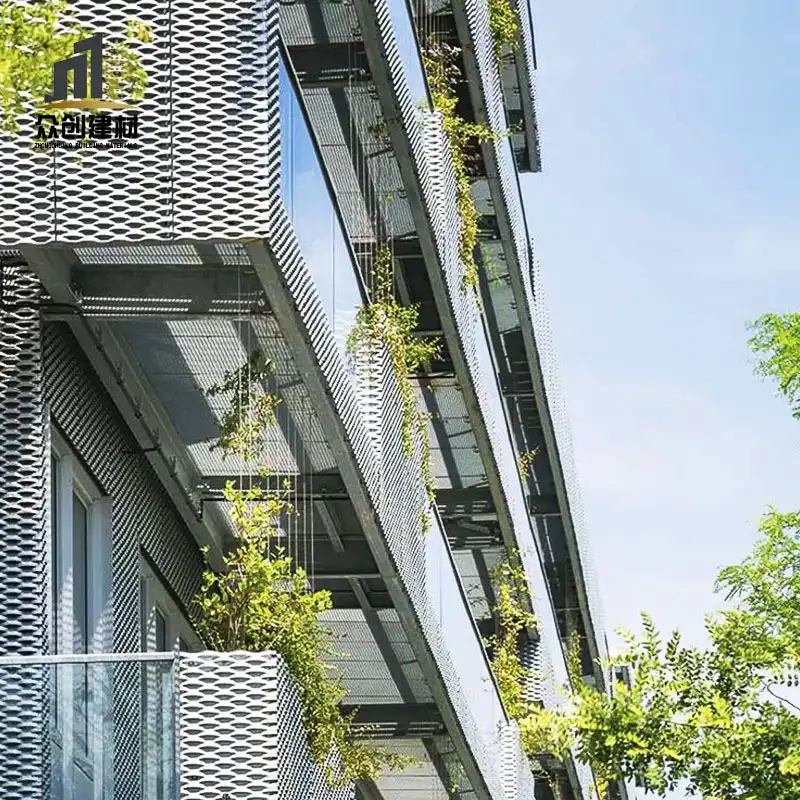
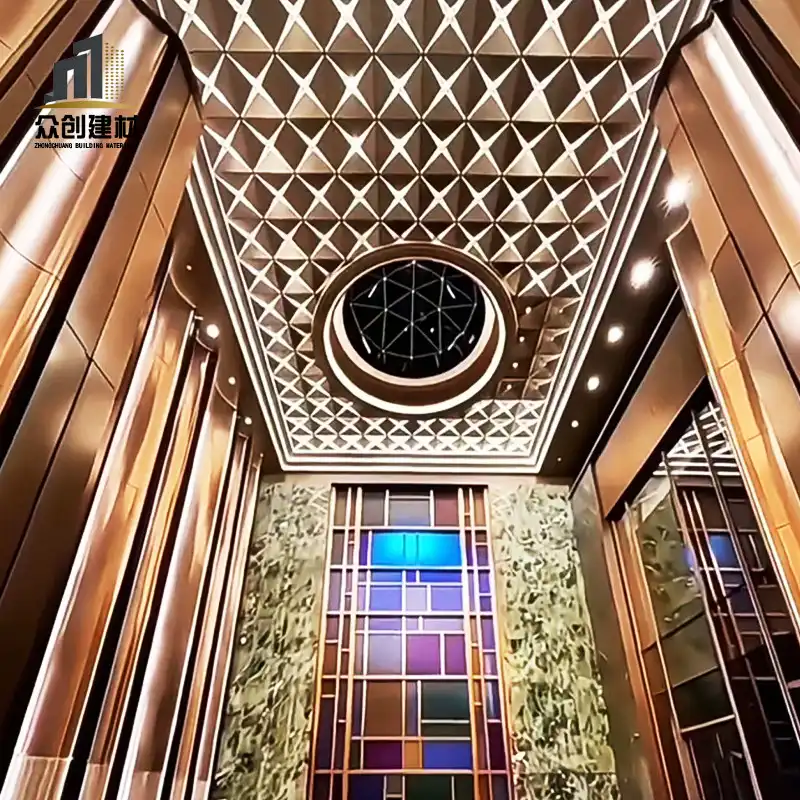
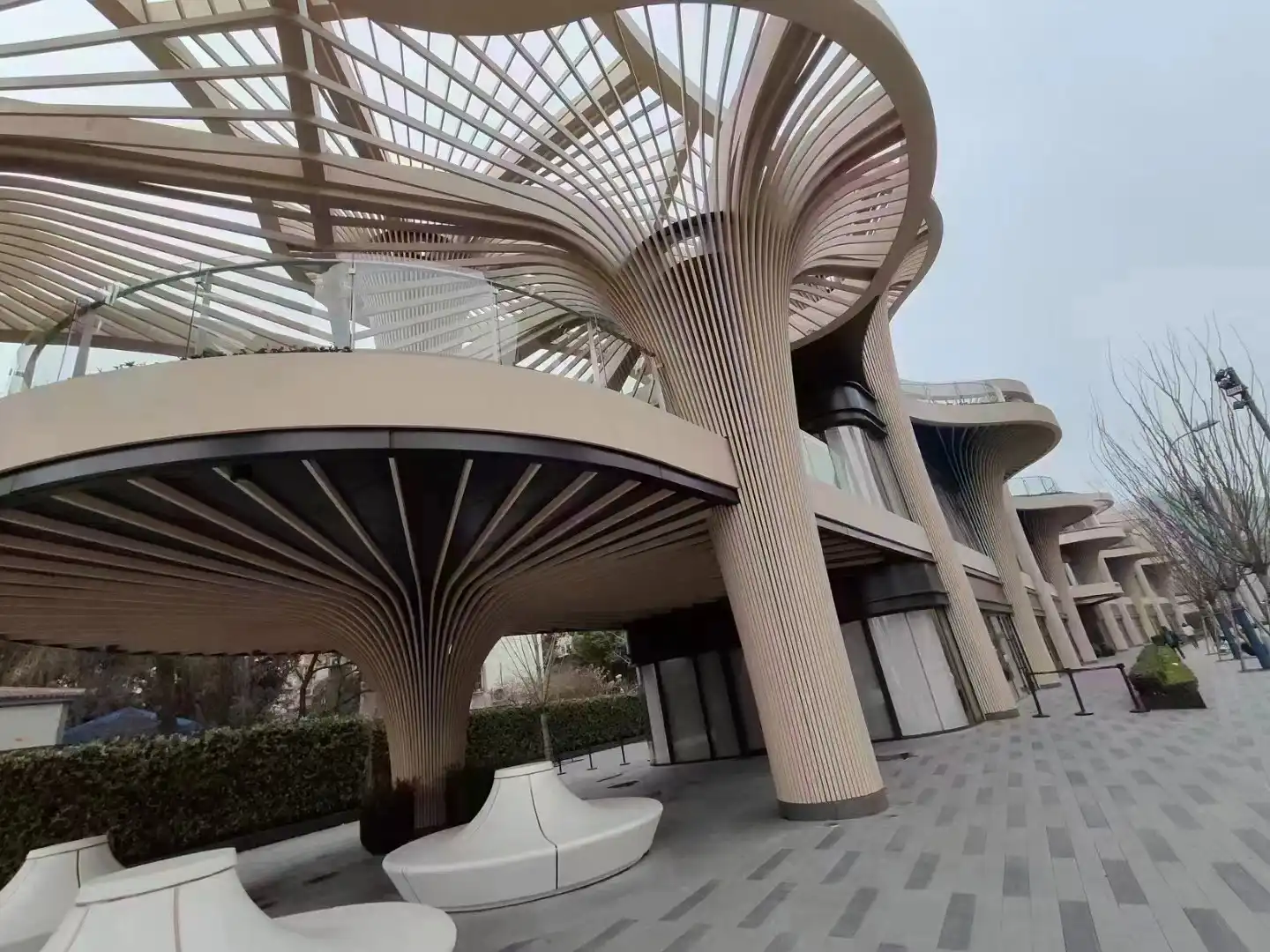
Curved metal profiles are used more and more in modern business construction to create unique looks while keeping the structure strong. These parts are used to make smooth changes between spaces in places like shopping mall ceilings, hotel lobbies, and office building surfaces. They help with visual movement and improve the user experience. Aluminum construction is lighter than steel construction, so it doesn't need as many structural loads. This lets lengths be longer, and interiors be more open. This benefit is especially useful for repair projects where the current structure can't handle the extra dead weight that comes with using heavier materials. When it comes to high-profile uses, like airport lobbies and transportation hubs, curved shapes help with both function and style. The sleek shape cuts down on wind resistance by about 30% when used outside, and it makes the inside look nice and makes it easier for people to find their way around.
Industrial and Manufacturing Benefits
Modular design lets you quickly put things together and change their layout to meet changing production needs. Clip-on and dry-hanging methods of installation cut down on building time and make it possible to integrate mechanical systems like lighting, HVAC, and fire control gear. When metal devices are properly finished, they don't need to be painted or treated for corrosion, so they don't need to be maintained. This lowers the overall cost of ownership. This advantage is especially useful in manufacturing settings where repair tasks may be hard to get to or cost a lot.
Sustainability and Environmental Advantages
Because aluminum can be recycled over and over again, it meets the standards for green building approval and helps companies meet their sustainability goals. The material can be recycled over and over again without losing any of its properties. This means that it will keep its value throughout the lifecycle of a building and beyond. Aluminum is good for saving energy because it has high thermal emissivity, which makes indirect heat transfer better and lowers cooling loads in some situations. The lightweight design also cuts down on the amount of fuel used for shipping and installation.
Procurement Considerations for Curved Aluminum Square Tubes
To buy curved aluminum square tube systems strategically, you need to look at a supplier's skills, technical standards, and the specific needs of your project. This will help make sure the purchase goes smoothly and lasts a long time.
Supplier Evaluation and Quality Assurance
A good procurement process starts with Curved aluminum square tube a careful evaluation of the seller, paying special attention to their production skills, quality control systems, and expert support resources. ISO 9001 certification is the basic level of quality security. Other certifications, like CE marking and SGS verification, show that the product meets foreign standards. Audits of manufacturing facilities show what kinds of tools are used and how well the process is controlled, which directly affects how consistent the products are and how reliably they are delivered. Advanced providers have full material tracking systems that keep full records from where the raw materials come from to where they are inspected and packed. When making unique solutions for difficult architectural problems, being able to provide technical help is a must. Suppliers who offer full design help, from coming up with the initial idea to providing thorough planning and installation instructions, add a lot of value on top of just supplying materials.
Customization and Engineering Support
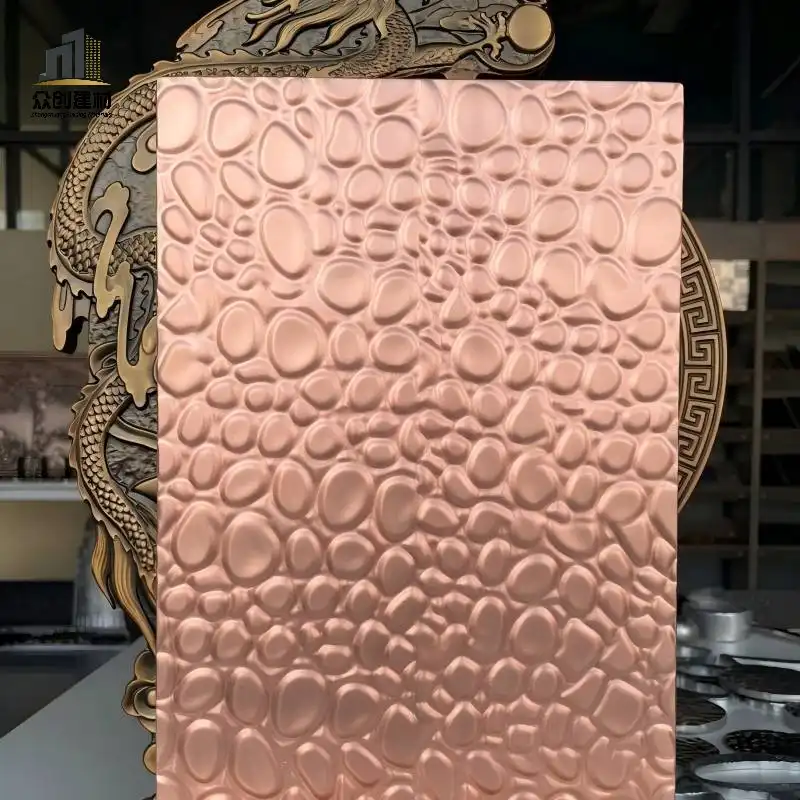
Modern providers of curved aluminum tubes offer a wide range of customization options, including specs for curves, surface treatments, and size needs. One-stop design services make project development easier by coordinating engineering development, form modeling, and drawing all through a single source. Full-dimensional customization support includes changing the curve radius, matching colors, creating new textures, and optimizing thickness to meet specific performance needs. This gives builders and engineers the freedom to achieve the design purpose without sacrificing functionality or spending too much.
Cost Optimization and Value Engineering
Bulk buying can save you money and make sure that you have the materials you need for big jobs. Suppliers usually give bulk discounts for orders that are larger than the necessary quantities. You can save even more by consolidating your shipping and making sure that all of your requirements are met. Lead time management needs suppliers to be involved early on in the design development process, especially when there is a need for custom curves or special surface treatments. Standard goods can ship in two to three weeks, but custom versions usually need six to eight weeks to be fully processed and checked for quality. Alloy optimization is a way to find value engineering possibilities. This is where providers suggest material specs that meet performance needs while also lowering costs. Suppliers with a lot of experience can help you make changes to the specifications that keep the project working but lower its overall cost.
Conclusion
The technology and standards for precise control used to make curved aluminum square tubes are impressive feats of engineering that make it possible for complex uses in architecture and industry. Advanced CNC bending technology and strict quality control procedures make sure that the dimensions are correct and the structure is strong, while keeping the cost of big projects low. Because they are lightweight, don't rust, and can be designed in a variety of ways, these goods are important for modern business buildings, transportation infrastructure, and industrial facilities. To get the best results that combine performance needs with budget limits and delivery plans, strategic procurement needs to carefully evaluate suppliers and work together on technical issues.
FAQ
1. What are the main challenges in bending aluminum square tubes without compromising strength?
The biggest problems are keeping the measurements accurate while stopping the material from deforming and stress concentrations from building up. Modern CNC bending technology solves these problems by using controlled pressure and tracking systems that can see variation patterns right away. The right choice of alloy and adjustment of the tempering conditions give the right mix between the ability to shape and the end strength.
2. How does alloy selection impact bend precision and final performance?
The composition of an alloy has a direct effect on both its ability to be processed and its end mechanical qualities. The 6061-T6 alloy is stronger, but it needs bigger bend radii. The 6063-T5 alloy, on the other hand, is more flexible and can be bent into smaller curves. When choosing the best alloy specs, procurement workers should think about the needs of the individual project, such as the structural loads, the surroundings, and the desired look.
3. What are typical lead times for custom curved aluminum tube orders?
For standard curvature requirements, processing and shipping usually take two to three weeks. Custom configurations with special surface treatments or unique shapes may take six to eight weeks. Lead times can go up to 10 to 12 weeks for complicated projects that need engineering development and prototype testing. This is why early supplier contact is so important for keeping to the project timeline.
4. What quality control measures ensure consistent curved tube performance?
Checking with a coordinate measure machine, keeping an eye on statistical process control, and following testing methods for mechanical accuracy and structural performance are all parts of full quality assurance. As required by ASTM B117, salt spray testing makes sure that the metal doesn't rust, and load-bearing tests make sure that bent parts keep their strength levels over time.
Partner with Zhongchuang for Premium Curved Aluminum Square Tube Solutions
Zhongchuang makes the best curved aluminum square tubes in the business, thanks to its CNC-precise forming technology and wide range of customization options. Our high-tech three-axis rolling equipment gets ±0.5mm accuracy in dimensions while keeping the structure strong, even when complex curve requirements are met. We are a reliable curved aluminum square tube seller with ISO 9001 certification, full material tracking, and years of experience working on commercial building projects around the world. Our relationships with other suppliers will help you reach your buying goals. Our technical team provides full-cycle help, from planning advice to installation guidance, to make sure that the job is carried out successfully. Get in touch with [email protected] to talk about your unique needs and find out how our knowledge can help you improve your buying strategy.
References
1. International Institute for Aluminum. The Technical Publication Series from 2023 has "Aluminum in Building and Construction: Design Guidelines for Curved Profile Applications."
2. The American Association of Architectural Manufacturers. "AAMA 611-23: Voluntary Specification for Anodized Architectural Aluminum and Performance Requirements for Curved Assemblies." Standard Release, 2023.
3. Zhang, Wei, et al. "Advanced CNC Bending Technologies for Architectural Aluminum Profiles: Process Optimization and Quality Control." Journal of Manufacturing Science and Engineering, Vol. 145, No. 8, 2023.
4. European Group for Standardization. "EN 755-9: Aluminum and Aluminum Alloys - Extruded Rods/Bars, Tubes and Profiles - Part 9: Curved Tubes Tolerances on Dimensions and Form." CEN Guidelines, 2023.
5. There are Robert Thompson and Ming Liu. "Precision Control Systems in Aluminum Profile Manufacturing: Statistical Process Control Applications for Curved Geometries." International Journal of Advanced Manufacturing Technology, Vol. 127, 2023.
6. The authority for building and construction. Standards for the Construction Industry, 2023. "Technical Guidelines for Curved Aluminum Curtain Wall Systems: Design, Installation, and Quality Assurance Protocols."