_1762768699969.webp)

_1782530506402.webp)
(1)_1783045836766.webp)
_1786157639392.webp)
(1)_1780970038980.webp)
Curved Aluminum Square Tube Modeling Design and Space Aesthetics Creation
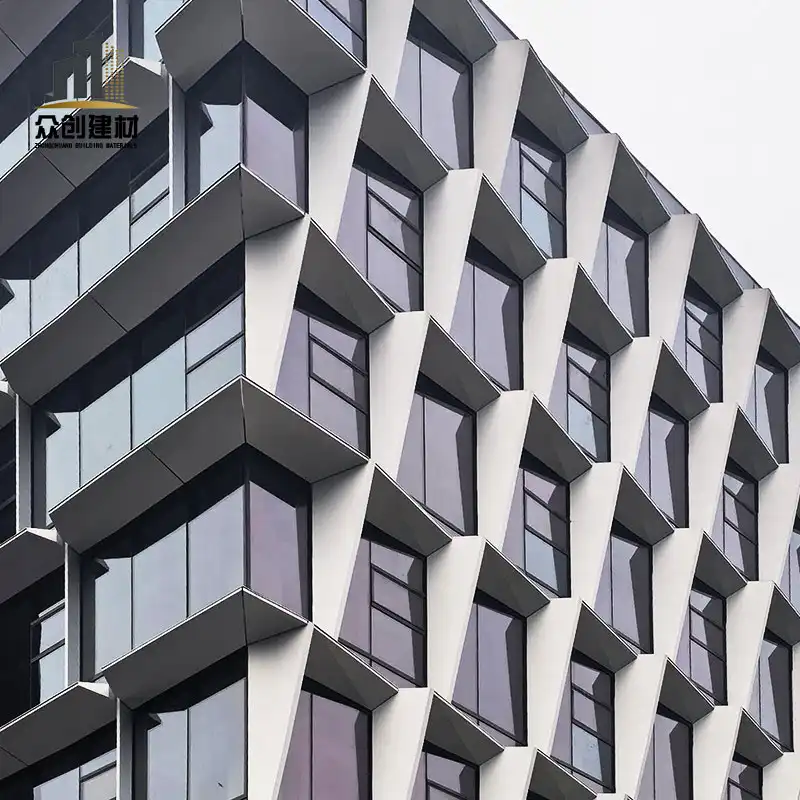
In the realm of modern architectural design and construction, curved aluminum square tube technology represents a revolutionary approach to spatial aesthetics and structural innovation. These precision-engineered profiles combine the structural integrity of traditional aluminum tubing with the dynamic visual appeal of curved geometries, enabling architects and designers to break free from conventional linear constraints. Through advanced CNC bending and precision rolling techniques, curved aluminum square tubes create flowing, organic forms that guide visual movement and establish rhythmic spatial patterns. Their application in commercial buildings, transportation hubs, and landmark structures demonstrates their capacity to transform ordinary spaces into extraordinary architectural experiences while maintaining the durability and performance standards demanded by modern construction projects.
Understanding Curved Aluminum Square Tubes: Properties and Manufacturing
The fundamental characteristics of curved aluminum square tube profiles distinguish them significantly from traditional straight tubing through their enhanced adaptability in complex architectural designs. These specialized profiles maintain the structural advantages of standard aluminum square tubing while introducing the aesthetic flexibility necessary for contemporary spatial design challenges.
Advanced Alloy Composition and Mechanical Properties
Modern curved aluminum square tubes are made from high-quality 6061-T6 and 6063-T5 aluminum alloys, which give them great strength-to-weight ratios that make them better than steel options in many situations. When compared to steel versions, the yield strength usually hits 40,000 psi (276 MPa), but the weight is about 65% less. This amazing mix lets builders make complex bent designs without affecting the structure's strength or adding to the need for foundations. Because these aluminum metals are naturally resistant to rust, they will work well for a long time in a wide range of environments. The formation of a natural oxide layer guards against damage from the atmosphere, and special surface treatments make this protection last in harsh marine and industrial settings. Because of these qualities, curved metal profiles work really well for building features that are out in the open and hard to reach for upkeep.
Precision Manufacturing and Bending Technologies
Modern methods for making curved aluminum square tubes use high-tech CNC three-axis rolling and precise bending tools to make shapes that are accurate to within 0.5 mm. This accuracy makes sure that the curves are the same across production batches, which makes it possible for large-scale building works to be put together without any problems. Professional 3D modeling software leads the manufacturing process by turning design ideas into detailed technical specs that keep the structure's performance even when it's curved in complicated ways. High-frequency welding methods protect important connection points, locking curvy curved aluminum square tube surfaces and making the structure more stable overall. Standardized surface treatments, such as powder coating and fluorocarbon three-coating systems, are put through a lot of salt spray testing (1000 hours) to make sure they will last for a long time. These rules for making sure that curved metal profiles meet foreign standards for certification, like ISO9001, CE, and SGS.
Applications and Aesthetic Value in Space Design
Curved aluminum square tube applications span diverse architectural sectors where spatial optimization and aesthetic refinement drive design decisions. Their transformative impact on space aesthetics through modern structural approaches demonstrates their versatility in creating innovative, efficient, and visually appealing environments.
Commercial Architecture and Interior Design
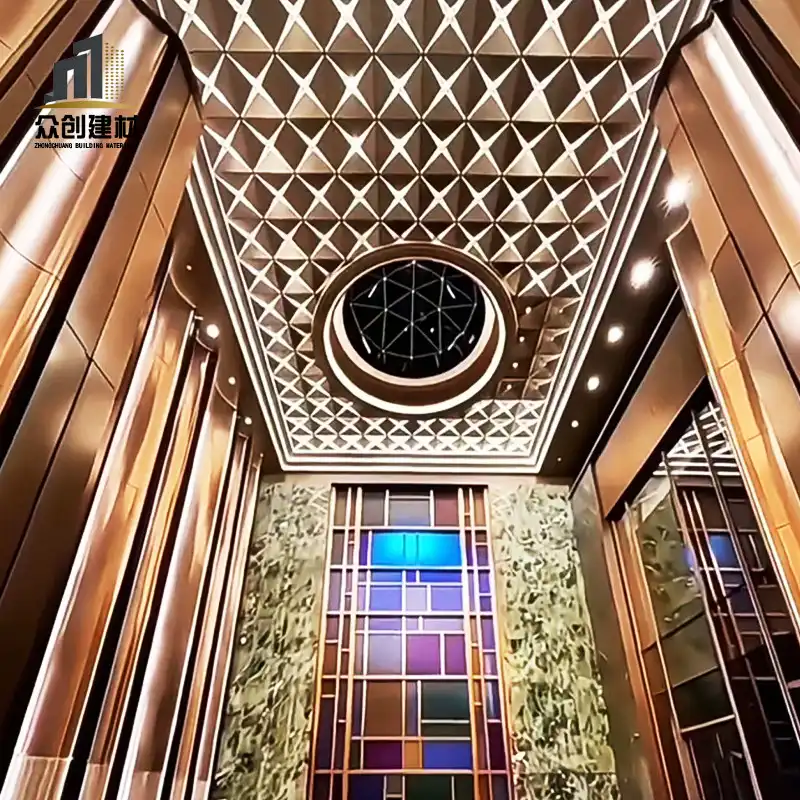
More and more, curved metal profiles are being used in hotel halls, curved aluminum square tube, and shopping centers to make ceiling installations that flow with the ceiling and hide mechanical systems. Because these materials are light, they don't put as much stress on structures, and their flexible design makes it easy to connect them to HVAC, lighting, and sprinkler systems. When used in office buildings, curved partitions are used to make partitions that keep the open idea flexible while separating sounds. When it comes to exhibition halls, curved metal elements are great because they create a smooth transition between show areas while still supporting mounting systems structurally. Because the material can be used with different surface finishes, it can be coordinated with a wide range of design styles, from simple modern looks to high-end dining settings.
Transportation Infrastructure and Public Spaces
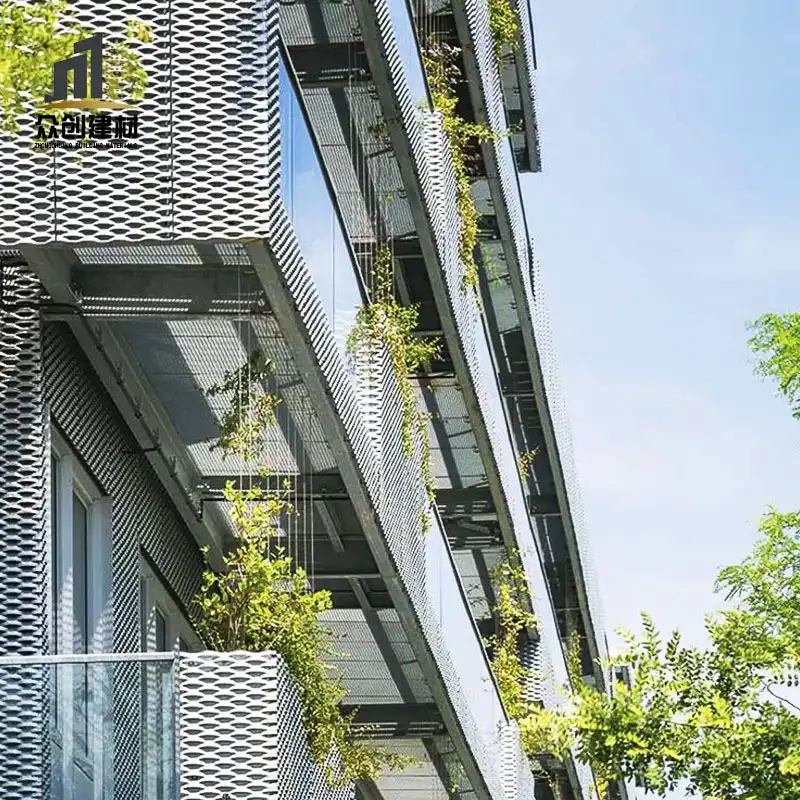
It is best to use curved aluminum square tube technology in places like airport hubs and train stops, where big structures need to look good and work well. Curved curves have smooth, streamlined surfaces that cut down on wind resistance by about 30%. This is useful in places with a lot of foot traffic that get air flow from HVAC systems or natural cooling. Curved metal elements are used to wrap the outside of buildings and make structures with unique shapes in cultural events and sports centers. These works show that the material can be used to make iconic architectural features that also meet strict fire safety (Class A fire rating) and wind load standards. These applications have an aesthetic effect that goes beyond just decoration. They create a building character and improve the user experience through careful space design.
Choosing the Right Curved Aluminum Square Tube for Your Project
Selecting appropriate curved aluminum square tube specifications requires a comprehensive evaluation of structural requirements, aesthetic objectives, and procurement considerations. This decision-making process involves comparing alternative materials while addressing specific project parameters that influence long-term performance, curved aluminum square tube, and cost-effectiveness.
Material Comparison and Technical Specifications
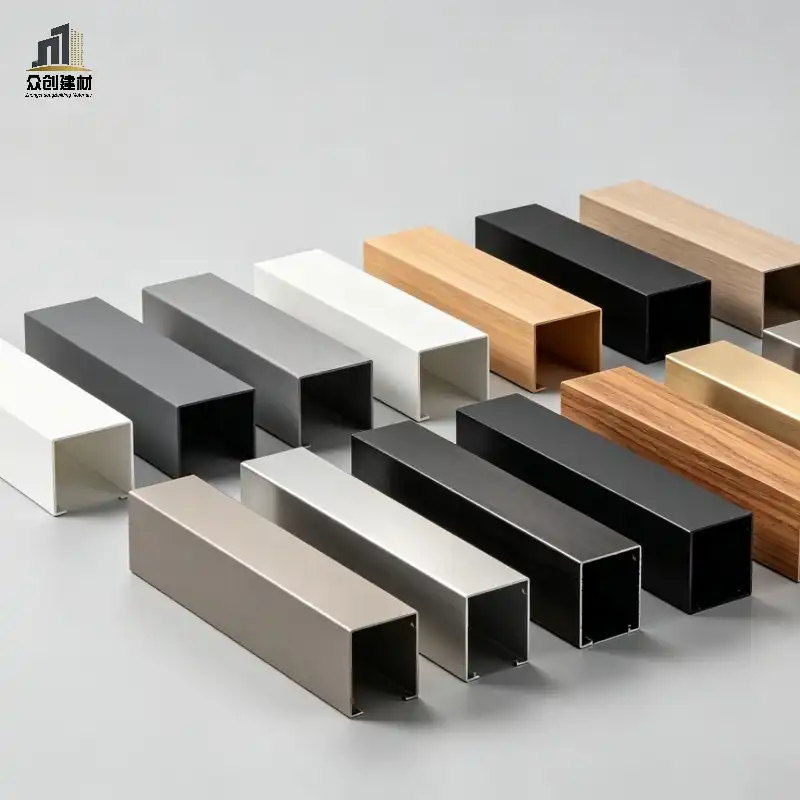
Several things make the difference between curved aluminum shapes and other options like stainless steel or customized plastics. Aluminum's higher strength-to-weight ratio makes it a great choice for uses that need long spans or complicated shapes. Even though stainless steel is stronger in every way, it often needs stronger support structures because it is heavier, which could cancel out any cost savings. The choice of wall thickness has a big impact on both the performance of the structure and its ability to be shaped. Standard sizes from 2mm to 5mm can be used to meet a range of load needs while still being able to be shaped into complex shapes. The choice between 6061-T6 and 6063-T5 alloys relies on the desired strength and surface finish. 6061 alloys have higher strengths, while 6063 alloys have better surface quality for anodizing uses.
Procurement Strategy and Supply Chain Considerations
To buy curved aluminum square tubes effectively, you need to know the minimum order numbers, wait times, and bulk price structures. Because of the special ways they are made, custom curved profiles usually have lead times of 3–4 weeks. This means that involving suppliers early on is very important for keeping track of the project timeline. Minimum order amounts, which are usually between 100 and 500 square feet, depending on how complicated the job is, often show how cost-effective it is to set up custom tools. When judging a supplier, you should focus on their manufacturing skills, quality certifications, and availability of expert help. Established sellers provide material tracking paperwork and batch inspection reports that make sure the project specs and building code rules are followed. Shipping costs and the ability to get technical support are both affected by how close two things are to each other. This is especially true for projects that need on-site installation help.
Procurement Guide: Sourcing Curved Aluminum Square Tubes Efficiently
Efficient sourcing of curved aluminum square tube products requires understanding market dynamics, supplier capabilities, and logistical optimization strategies. Successful procurement balances cost considerations with quality requirements while ensuring reliable delivery schedules that support project timelines.
Supplier Network Analysis and Selection
There are specialized makers, bulk wholesalers, and regional fabricators in the global supply networks for curved aluminum profiles. Each has its own benefits for different project sizes. Direct connections with manufacturers can give you access to technical support and custom design services, but they may require bigger minimum orders. Wholesale distributors have more basic configurations in stock and faster lead times, but they don't give many customization choices. Regional manufacturers can save you money on shipping costs and make technical support easier to access. This is especially helpful for projects that need on-site advice or installation help. Verifying a supplier's certification is still very important. Well-known quality management systems (ISO9001) and product approvals (CE, SGS) show that curved aluminum square tube production processes are reliable, and quality is consistent.
Cost Optimization and Logistics Management
Strategies for pricing in bulk have a big effect on the total cost of a project. For large sales, volume savings often reach 15–25%. Optimizing the load in a container cuts down on the cost of shipping each unit and makes it safer during transport. Knowing about the import and duty rules for foreign providers can help you avoid surprise price hikes and delivery delays. When managing inventory, you need to think about how to store bent profiles and how to keep them from getting damaged while they're being handled. Coordinating just-in-time deliveries with building plans cuts down on storage costs and makes sure that materials are available when they are needed. Negotiating payment terms can often save you money, and early payment savings can help cover the costs of financing big orders.
Optimizing Design and Application for Performance and Aesthetic Impact
Maximizing the performance potential of curved aluminum square tube installations requires careful attention to design principles that balance structural requirements with aesthetic objectives. Contemporary innovations in materials technology and installation techniques provide opportunities to enhance both functionality and visual impact while supporting sustainable construction practices.
Design Integration and Structural Optimization
Curved aluminum uses that work well, think about how form and function affect each other, and use the material's natural features to make structures that are strong and look good. Curved shapes naturally spread loads more evenly than angular connections, which lowers stress concentrations and makes visual changes move more smoothly. This structural benefit makes it possible for lengths to be longer and rooms to be more open without lowering safety standards. Curved aluminum parts and mechanical, electrical, and plumbing installs need to work together in order for building systems to work. Modular design methods make this merging easier while still making the design accessible for future upkeep. Because curved metal profiles are light, they lower the load on building frames. This lets architects use more complex shapes without having to make the foundations stronger.
Installation Best Practices and Maintenance Strategies
Curved metal installations will last for a long time and look good as long as they are installed correctly. Clip-on and dry-hanging fixing methods make attachments safe while also allowing for building movement and temperature changes. Pre-fabricating complicated curved parts cuts down on the time needed for placement on-site and ensures accurate alignment and a high-quality finish. Because aluminum is naturally resistant to rust and has stable surface treatments, curved aluminum shapes don't need much curved aluminum square tube maintenance. Cleaning it regularly with light soaps keeps it looking good, and checking the mounting systems on a regular basis makes sure they stay structurally sound. It is 100% recyclable, which supports environmentally friendly building practices and recovers the material's value at the end of its useful life.
Conclusion
Curved aluminum square tube technology represents a transformative approach to architectural design and space aesthetics, offering unprecedented opportunities to create dynamic, flowing environments that enhance user experience while meeting stringent performance requirements. The integration of advanced manufacturing techniques with high-performance aluminum alloys enables architects and designers to break traditional design boundaries while maintaining structural integrity and cost-effectiveness. These innovative profiles serve diverse applications from commercial buildings to transportation infrastructure, consistently delivering aesthetic impact alongside practical functionality. As sustainable construction practices become increasingly important, the recyclability and energy efficiency of aluminum materials position curved profiles as responsible choices for environmentally curved aluminum square tube conscious projects.
FAQ
1. What makes curved aluminum square tubes superior to traditional straight profiles?
Curved metal square tubes give you more design options because you can use them to make organic, moving shapes that guide your eye and set the rhythm of your space. Modern CNC bending technology lets builders make complicated shapes that aren't possible with straight profiles because it lets them precisely control the curves while keeping the structure's integrity. Compared to angled forms, the smooth surfaces reduce wind resistance by 30%, which is useful in areas with a lot of traffic.
2. How do I determine the appropriate wall thickness and alloy for my project?
The thickness of the wall you choose relies on how much weight it needs to hold and how round of an edge you want it to be. Usually, you can choose between 2mm and 5mm. The choice between 6061-T6 and 6063-T5 alloys depends on how important strength is compared to surface finish. 6061 has higher tensile capacity, while 6063 has better anodizing properties. Talking to experienced sources about how to make these standards work best for your project and the building code helps you get the best results.
3. What quality certifications should I expect from reliable suppliers?
Reliable providers of bent aluminum tubes keep both ISO9001 quality management certification and product-specific certifications like CE and SGS compliance. Documentation for material traceability and batch inspection records shows that quality control is maintained throughout the whole production process. International certificates make sure that the building meets the standards of different countries. This is especially important for projects that need to meet certain performance standards.
Partner with Zhongchuang for Premium Curved Aluminum Solutions
Guangdong Zhongchuang Building Decoration Materials Co., Ltd. stands ready to transform your architectural vision into reality through our advanced curved aluminum square tube manufacturing capabilities. Our comprehensive design and fabrication services encompass everything from initial 3D modeling through final installation guidance, ensuring seamless project execution for commercial buildings, transportation hubs, and landmark structures. With ISO9001, CE, and SGS certifications backing our quality commitment, we deliver precision-formed profiles with ±0.5mm accuracy that meet the most demanding architectural specifications. Contact [email protected] to discuss your project requirements and discover how our curved aluminum square tube manufacturer's expertise can elevate your next development.
References
1. Aluminum Association Technical Manual: "Curved Profile Manufacturing Standards and Specifications for Architectural Applications," 2023 Edition.
2. International Building Code Council: "Structural Design Guidelines for Curved Aluminum Elements in Commercial Construction," Journal of Architectural Engineering, Volume 28, 2023.
3. American Institute of Architects: "Aesthetic Integration of Curved Metal Profiles in Contemporary Space Design," Architectural Record Professional Development Series, 2023.
4. Society of Plastics Engineers: "Comparative Analysis of Curved Profile Materials: Aluminum, Steel, and Engineered Plastics in Architectural Applications," Materials Science Quarterly, Issue 3, 2023.
5. Green Building Council: "Sustainability Assessment of Curved Aluminum Profiles in Modern Construction Practices," Environmental Building News, Volume 32, 2023.
6. Construction Industry Research Association: "Procurement Best Practices for Specialized Architectural Metals," Construction Management Journal, April 2023 Issue.