_1782530506402.webp)
(1)_1783045836766.webp)
_1786157639392.webp)
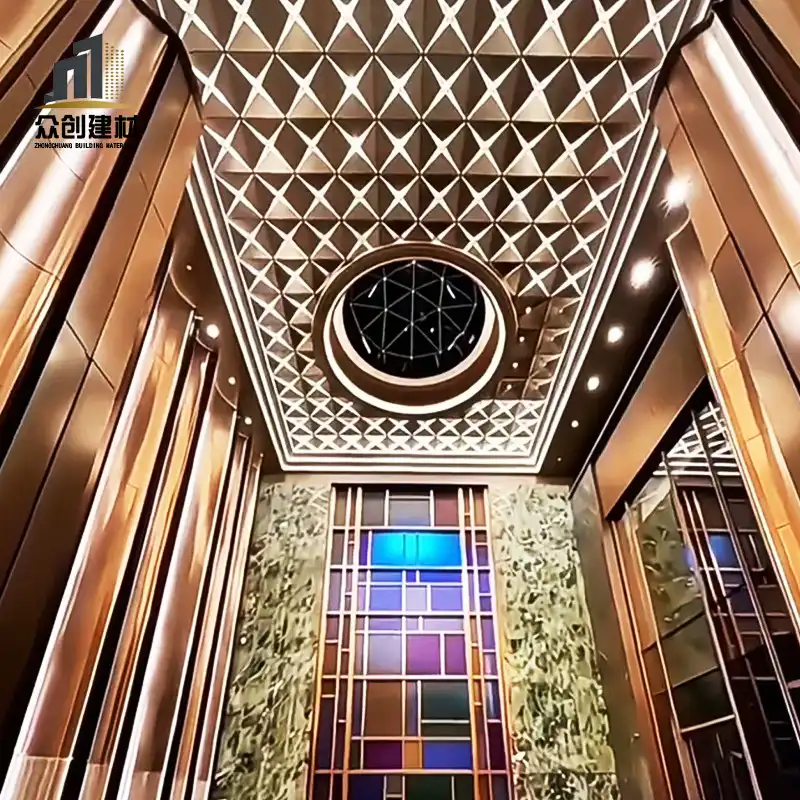
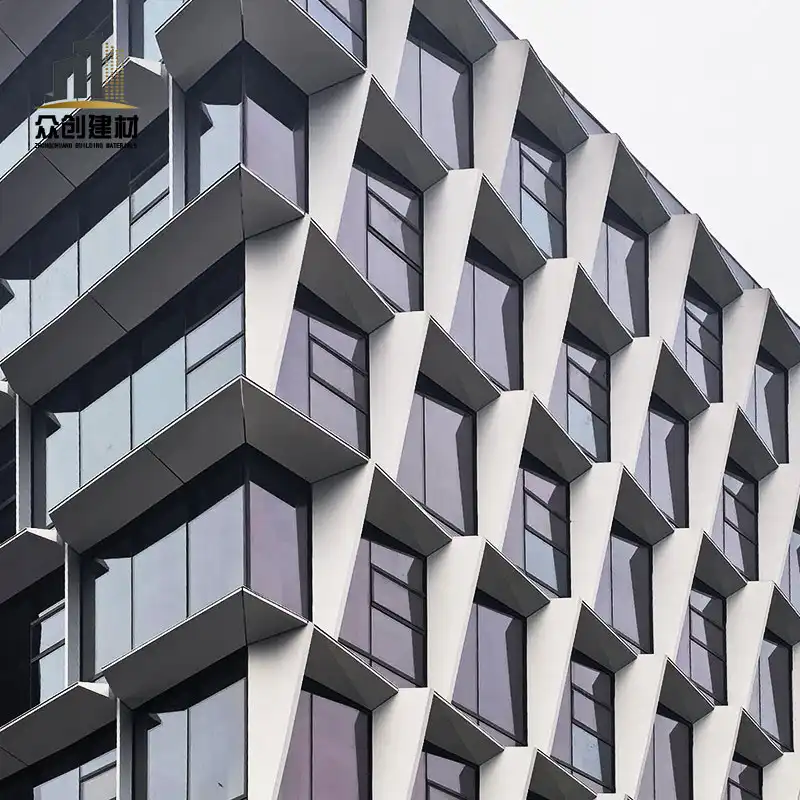
(1)_1780970038980.webp)
Quality Problems & Acceptance Standard Guide for Perforated Aluminum Panels Introduction
As a building decorative material, the quality of perforated aluminum panels directly determines the final decorative effect and project quality. Material incoming inspection and final acceptance are key quality control checkpoints in construction projects. Understanding frequent quality issues, relevant standard specifications and on-site inspection procedures enables clients and construction teams to carry out quality management properly and prevent non-compliant products from being installed on site. This document outlines typical quality defects, acceptance criteria and inspection practices for perforated aluminum panels for practical quality control.

Common quality problems of perforated aluminum panels in the industry fall into the following categories.
Substandard panel thickness: The actual thickness is thinner than the nominal specification, which is the most frequent issue. Some manufacturers adopt thinner sheets than required or produce panels with thickness deviation beyond the permitted tolerance to cut costs. Insufficient thickness will weaken structural strength and service performance.
Surface defects: Uneven coating, color difference, sagging, orange peel, surface particles, scratches, missing spraying and other blemishes. Surface defects will ruin the visual appearance.
Perforation defects: Out-of-tolerance hole diameter, uneven hole spacing, missing or wrong punching, excessive burrs and hole edge deformation. Poor punching quality impairs aesthetics as well as acoustic and ventilation performance.
Dimensional deviation: Excessive errors in length, width, diagonal dimension and flatness, resulting in uneven joints and poor alignment during installation.
Bending and forming defects: Unstraight folded edges, inaccurate bending angles and panel warpage.
Poor coating adhesion: Peeling and flaking coating, shortening service life.
False surface treatment grade: For outdoor projects, powder coating is fraudulently supplied as PVDF fluorocarbon coating. Such products have poor weather resistance and will fade and chalk rapidly. With these risks clarified, inspectors can carry out targeted checks during acceptance.
The acceptance of perforated aluminum panels is governed by the following major standards. Domestic Chinese standards include:
JG/T 133 Fluorocarbon Coatings for Architectural Aluminum Profiles and Aluminum Sheets, specifying fluorocarbon coating requirements;
GB/T 23443 Aluminum Alloy Single Sheets for Buildings, defining technical specifications for architectural aluminum single panels;
GB/T 5237 series standards for aluminum alloy architectural profiles;
Relevant acceptance codes for decoration works governing installation quality of ceilings and curtain walls.
Widely adopted international standards include AAMA 2603 (powder coating), AAMA 2604 and AAMA 2605 (fluorocarbon coating) from the USA, which define different coating performance grades. These standards set clear tolerance limits for thickness, coating thickness, color difference, adhesion, weather resistance and dimensional accuracy. The applicable standards and technical indicators shall be clearly stated in the purchase contract as acceptance basis.
On-site acceptance covers the following inspection items:
Visual inspection: Examine panels under natural daylight at a viewing distance of approx. 1.5 meters. Check for color difference, scratches, sagging, particles and other coating defects. Verify neat perforation, uniform hole spacing and burr-free edges. No obvious color difference is allowed within the same batch.
Dimensional inspection: Measure actual sheet thickness with a caliper (check both edge and panel surface). Use tape to measure length, width and diagonal values to confirm deviations are within permitted tolerance. Check flatness for visible warpage.
Coating inspection: Measure coating thickness with a thickness gauge (40–120μm for general powder coating; ≥30μm for fluorocarbon coating). Conduct cross-cut test to verify coating adhesion and resistance to peeling.
Perforation inspection: Confirm hole diameter conforms to design, hole spacing is uniform, arrangement is neat, no missing or misplaced holes, and hole edges are free from heavy burrs.
Document review: Request certificate of conformity, material test report and coating inspection certificates. Cross-check product specifications against the purchase order. For critical projects, third-party sampling testing is recommended.
Post-installation inspection: After installation, check the overall flatness of ceilings or facades, uniform and straight panel joints, square internal and external corners, and neat transitions between panels and fixtures such as lamps and air outlets.
The above inspection procedures enable comprehensive quality verification.
To avoid quality issues, priority should be given to sourcing from qualified, reputable manufacturers and signing contracts with clear technical and acceptance clauses. Low price alone does not guarantee quality; rock-bottom quotations often come with compromised quality. Reliable, experienced suppliers help control quality at the source. Strict incoming inspection must be enforced, and non-conforming goods shall be rejected and replaced to avoid quality risks on site. Rigorous quality control ensures perforated aluminum panels meet specification requirements and deliver satisfactory finished visual performance.