_1762768699969.webp)

_1782530506402.webp)
(1)_1783045836766.webp)
_1786157639392.webp)
(1)_1780970038980.webp)
Stone Grain Aluminum Facade Panel: Complete Guide to Technology, Benefits & 2026 Market Trends
Natural stone has been used in architecture for thousands of years, prized for its beauty, durability and timeless appeal. However, in modern construction, natural stone faces significant challenges including high weight, high cost, limited availability and environmental concerns. Stone grain aluminum facade panels have emerged as a superior alternative, offering the aesthetic appeal of natural stone with the performance advantages of aluminum.
This comprehensive guide explores the technology behind stone grain aluminum panels, compares them with natural stone and other cladding materials, provides professional selection criteria, and analyzes the latest market trends for 2026 and beyond.
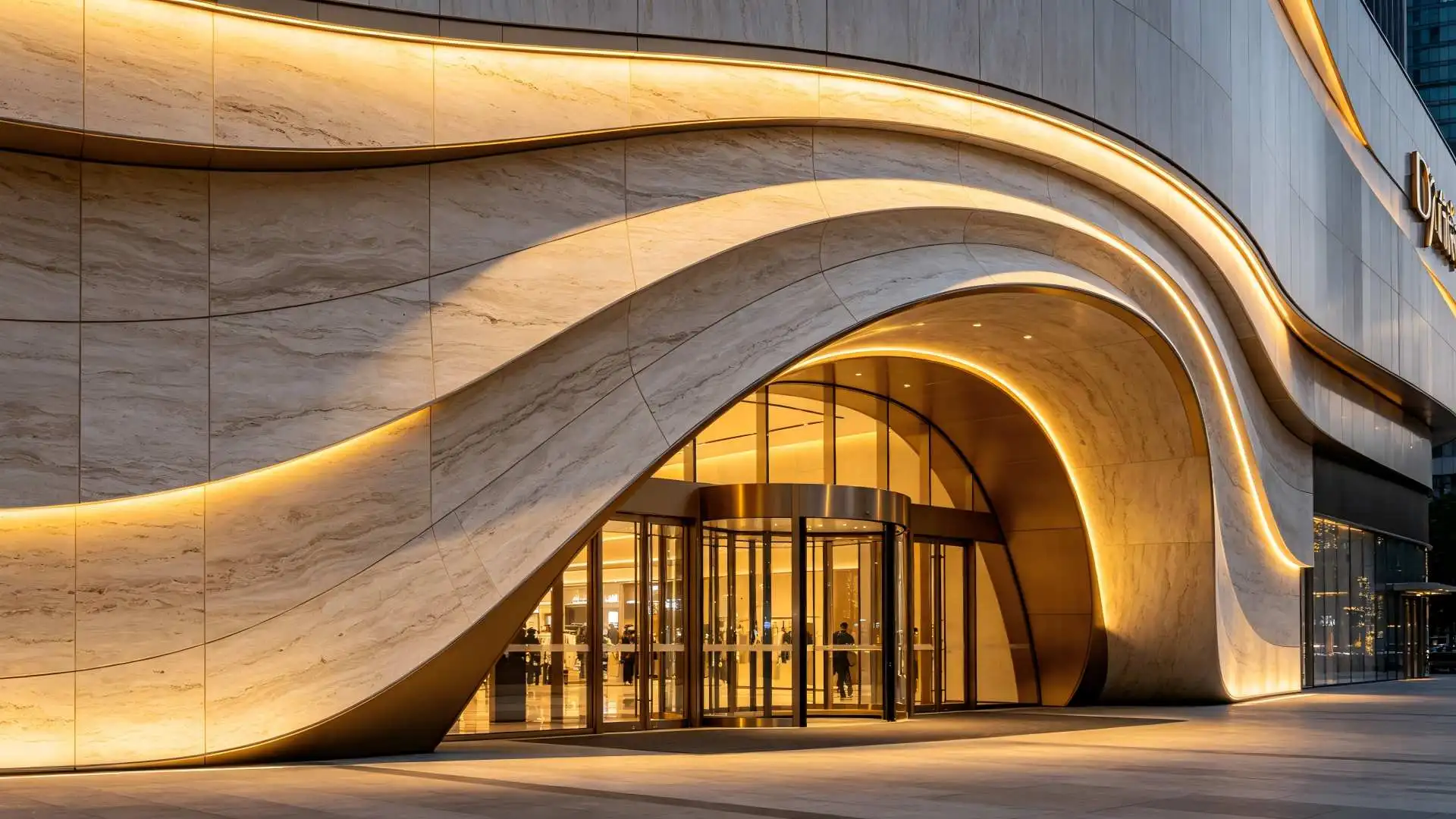
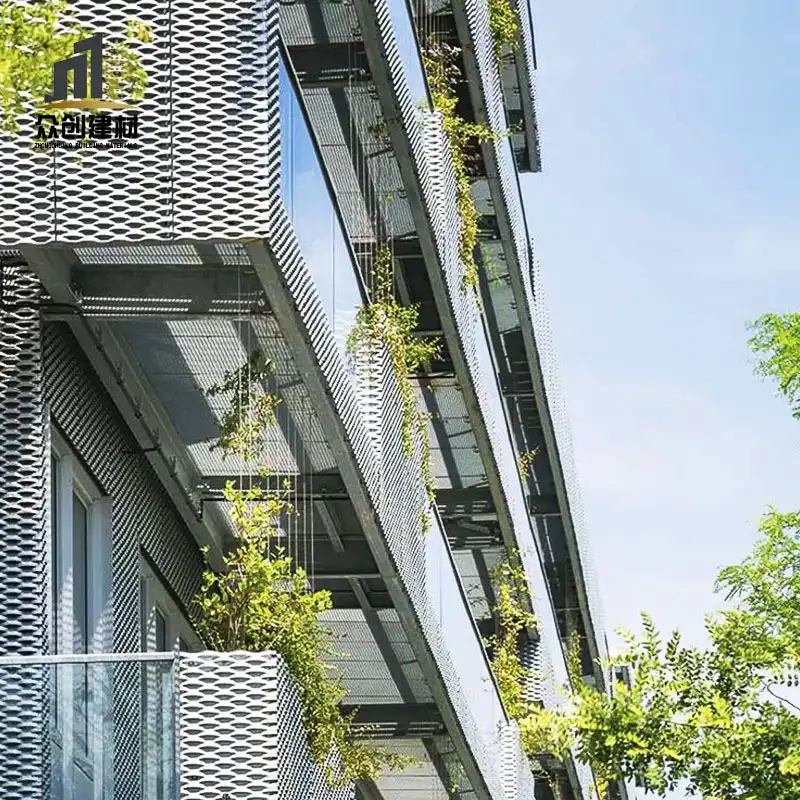
Curved stone-patterned aluminum panel facade effect
1. Core Surface Treatment Technologies
There are three main technologies used to create stone grain finishes on aluminum panels:
-
Thermal Transfer Printing The most widely used technology for stone grain aluminum panels. It involves printing the stone pattern onto a transfer film, then applying heat and pressure to transfer the pattern onto the aluminum surface. Produces high-quality, durable finishes with good color consistency.
-
3D Digital Printing The latest and most advanced technology. Uses high-resolution digital printers to directly print stone patterns onto the aluminum surface. Can create incredibly detailed and realistic patterns with unlimited design possibilities. Allows for custom patterns and color matching.
-
Stone Powder Coating Involves mixing natural stone powder into the coating material. Creates a more textured and tactile finish that closely resembles real stone. Provides excellent durability and weather resistance.
2. Performance Comparison: Stone Grain Aluminum vs Natural Stone
| Performance Aspect | Stone Grain Aluminum Panel | Natural Stone |
|---|---|---|
| Weight | 5-8 kg/m² | 25-40 kg/m² |
| Structural Load | Very low | Very high |
| Installation Cost | Low | High |
| Installation Speed | Fast | Slow |
| Fire Rating | A1 Non-combustible | Varies (usually B1-B2) |
| Weather Resistance | Excellent (25+ years) | Good (10-15 years) |
| Maintenance | Very low | High |
| Design Flexibility | Excellent | Limited |
| Environmental Impact | Low | High |
| Total Project Cost | Low | High |
As the table shows, stone grain aluminum panels outperform natural stone in almost every category, making them a more practical and cost-effective choice for modern construction projects.
3. Professional Selection Guidelines
- Project Location: For coastal areas and industrial zones, select panels with marine-grade PVDF coating for enhanced corrosion resistance.
- Building Height: For high-rise buildings above 100m, use thicker panels (3.0mm+) with reinforced structures for improved wind resistance.
- Aesthetic Requirements: For projects requiring the highest level of realism, choose 3D digital printed panels with embossed textures.
- Budget Considerations: For budget-conscious projects, thermal transfer printed panels offer good quality at a lower cost.
- Certifications: Ensure the panels meet international standards including EN 13501-1 for fire safety and ISO 105-B02 for color fastness.
4. Installation Best Practices
- Substructure Preparation: The supporting structure must be properly designed and installed to ensure it can bear the weight of the panels.
- Panel Installation: Use a mechanical fixing system with hidden fasteners for a clean, seamless appearance.
- Expansion Joints: Reserve appropriate expansion joints between panels to accommodate thermal expansion and contraction.
- Quality Control: Inspect each panel before installation for damage, color consistency and pattern accuracy.
- Safety: Follow proper safety procedures during installation, especially for high-altitude work.
5. 2026 Industry Development Trends
-
Increasing Realism Advancements in 3D scanning and printing technology will continue to improve the realism of stone grain aluminum panels, with some manufacturers already achieving 98%+ similarity to natural stone.
-
Sustainable Manufacturing The use of recycled aluminum and low-VOC coatings will become standard. Manufacturers will also focus on reducing energy consumption and waste in the production process.
-
Integration with Smart Building Systems Stone grain aluminum panels will be integrated with solar panels, LED lighting and sensors to create multi-functional building envelopes.
-
Growth in Residential Applications While currently used primarily in commercial projects, stone grain aluminum panels are becoming increasingly popular in residential construction, especially for luxury homes and apartment buildings.
-
Expansion of Pattern Options Manufacturers will continue to expand their range of stone patterns, including rare and exotic stones from around the world. Custom pattern matching will also become more accessible and affordable.
Conclusion
Stone grain aluminum facade panels have revolutionized the architectural cladding industry by providing a practical, cost-effective and sustainable alternative to natural stone. As technology continues to advance and awareness grows, they will become the dominant choice for building exteriors in the coming years. By understanding the technology, performance characteristics and selection criteria, architects and project managers can make informed decisions and create stunning, durable and environmentally responsible buildings.