_1782530506402.webp)
(1)_1783045836766.webp)
_1786157639392.webp)
(1)_1780970038980.webp)
Weather Resistance and Anti-Corrosion Design of Perforated Aluminum Panels for External Facades
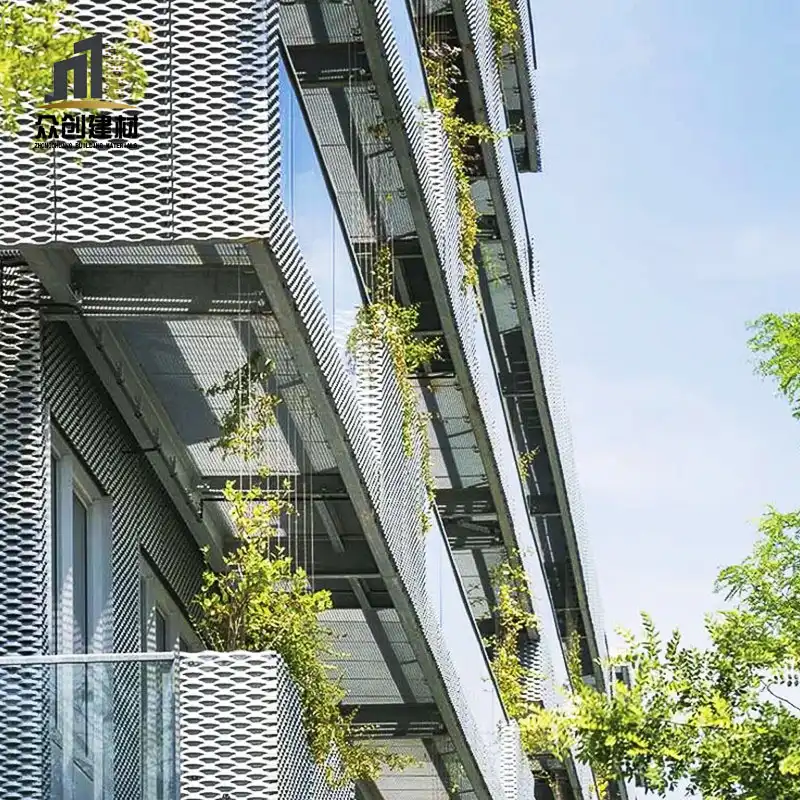
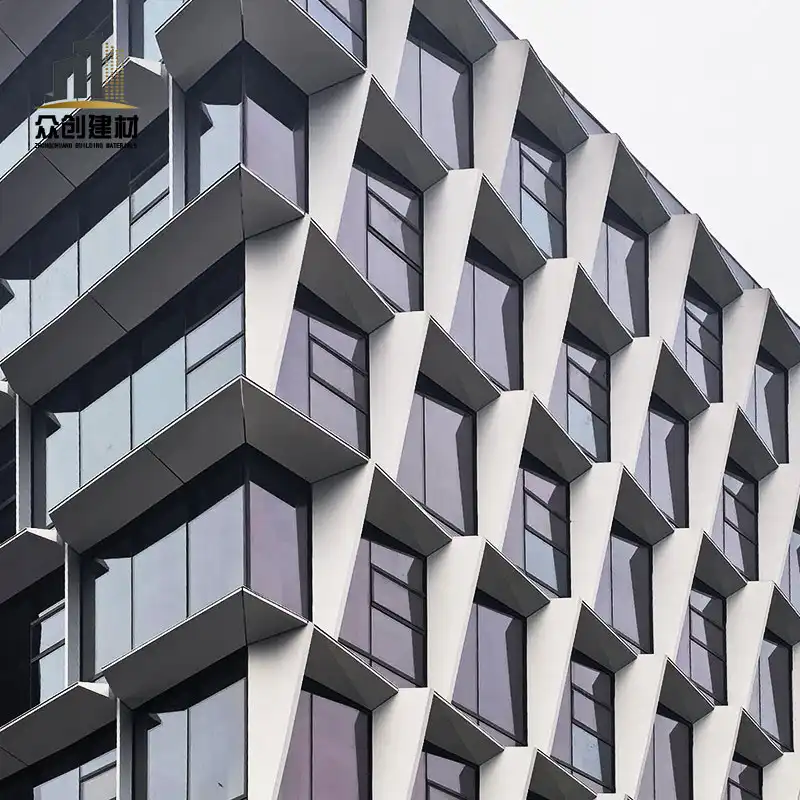
Perforated aluminum panels are increasingly adopted on architectural facades, ranging from sunshade louvers and decorative cladding to entrance features and full curtain wall systems, establishing themselves as a vital facade material for contemporary buildings. Nevertheless, outdoor service conditions are highly demanding. Persistent UV exposure, wind and rain, thermal expansion and contraction, plus airborne corrosive agents — especially salt spray in coastal zones and acidic gases in industrial districts — will compromise the appearance and performance of aluminum panels. Proper material specification and surface finishing are essential to preserve stable performance and visual quality over decades. This article discusses weathering behaviour, anti-corrosion design strategies and practical application considerations for exterior perforated aluminum panels across diverse climates.

Exterior perforated aluminum panels face multiple environmental stressors. First, ultraviolet radiation. UV rays in sunlight accelerate coating ageing, triggering fading, chalking and cracking. Low-grade coatings may suffer obvious degradation within only a few years under continuous UV exposure, ruining the building’s aesthetic effect. Second, rain and moisture. Rainwater containing carbon dioxide, sulphur dioxide and other acidic substances erodes panel surfaces and coatings. Corrosion damage becomes more severe in regions affected by acid rain. Water penetrating cut edges, hole peripheries and unsealed joints easily initiates corrosion if protective treatment is inadequate. Third, temperature variation. Wide diurnal and seasonal temperature swings cause thermal expansion and contraction of aluminum sheets. If thermal stress is not addressed in design, panel deformation and joint cracking may occur. Fourth, atmospheric corrosion. Corrosivity varies significantly by location. Coastal atmospheres carry abundant chloride ions that are highly aggressive to metals; industrial zones contain sulphur dioxide and nitrogen oxides; urban commercial districts have moderate corrosion levels; inland arid areas present the lowest corrosion risk. Fifth, wind-blown sand and dust. In windy sandy regions, long-term abrasion gradually wears away coatings, resulting in loss of gloss, scratches and coating failure. Sixth, biological deterioration. Mould and algae may colonise panel surfaces in warm humid climates, leaving stubborn stains and discolouration. Understanding these environmental loading mechanisms lays the foundation for correct material selection and engineering design.
Several critical steps must be followed to enhance weather resistance and anti-corrosion performance.
First, substrate selection. Exterior-grade perforated aluminum panels should adopt corrosion-resistant alloys such as 3003 aluminum-manganese alloy and 5005 aluminum-magnesium alloy. The manganese and magnesium alloying elements deliver inherent atmospheric corrosion resistance. Pure aluminum or low-corrosion alloys are not suitable for long-term outdoor exposure. Panel thickness is determined by wind load and span. A minimum thickness of 2.5 mm is generally required for external cladding, while 3.0 mm or thicker is recommended for large curtain wall panels.
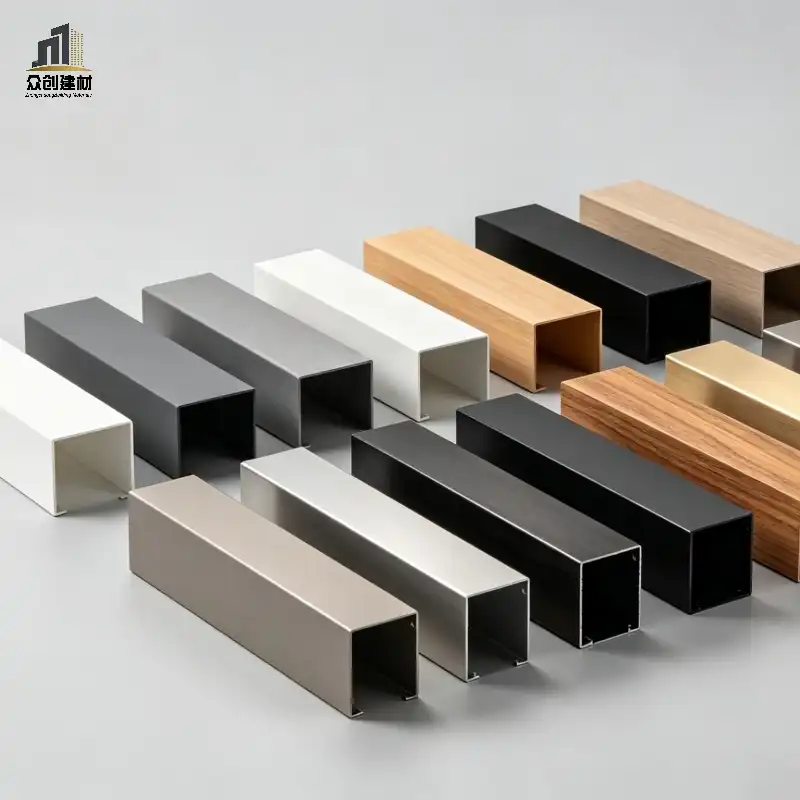
Second, surface finishing. This is the most decisive factor governing outdoor durability. PVDF fluorocarbon coating is the preferred finish for exterior perforated aluminum panels. PVDF delivers outstanding weatherability and corrosion resistance, maintaining stable colour and gloss without severe chalking or fading for 15–20 years under normal outdoor exposure, and it is the standard finish for architectural aluminum facades. Three-coat or four-coat PVDF systems can be specified for high-budget projects or extremely corrosive environments to further boost performance. Anodising also offers excellent outdoor durability, especially bronze and black anodised films with attractive metallic texture, ideal for projects prioritising natural metal appearance. Although powder coating is cost-effective, its weathering performance is relatively limited. It is generally not recommended for permanent outdoor exposure, particularly in high-UV or coastal salt-spray environments.
Third, edge and hole perimeter protection. Cutting, perforating and bending operations expose bare aluminum substrate at edges and hole rims. These vulnerable zones are common corrosion initiation points unless sealed properly. Primer or edge-seal coating should be applied during fabrication to form a continuous protective barrier on all machined edges.
Fourth, joint and sealing design. Panel joints are pathways for rainwater and corrosive contaminants. High-performance weatherproof silicone sealant must be applied to prevent water ingress behind panels that would corrode the panel reverse side and support framing. Sealants require periodic inspection and replacement.
Fifth, corrosion protection for framing and fasteners. Not only the aluminum panels but also subframes, brackets and fixings need corrosion protection. Aluminum alloy framing has good inherent resistance. Steel components must be hot-dip galvanised. Stainless steel hardware should be 304 or 316 grade; 316 stainless steel is strongly recommended for coastal projects to resist chloride attack.
Different climates impose distinct requirements on material selection and detailing. For coastal areas with high chloride levels, anti-corrosion design is critical. PVDF coating or anodising is preferred for panel finishes; all fasteners should be 316 stainless steel; framing shall be aluminum alloy or specially protected steel; salt-spray-resistant sealant grades are mandatory. For hot high-UV zones such as tropical and highland regions, premium PVDF coatings with proven colour and gloss retention are required to slow UV degradation. For cold climate zones, low-temperature performance, snow load capacity and de-icing salt corrosion need to be considered alongside thermal movement. For industrial districts with acidic airborne pollutants, chemically resistant PVDF coatings are specified, and finishes vulnerable to acid attack should be avoided. For sandy windy regions, hard, abrasion-resistant coatings reduce surface wear from airborne particles. For persistently rainy humid locations, drainage and rear ventilation design are vital to avoid trapped water behind panels, lowering the risk of biological growth and galvanic corrosion. Targeted material selection and engineering detailing based on local climatic characteristics ensure long-term reliable performance of exterior perforated aluminum facades.
Routine maintenance is essential to extend service life and preserve appearance. Proper inspection enables early detection and remediation of minor corrosion and coating damage before defects spread. Maintenance activities include regular cleaning to remove dust, dirt and biological fouling. Neutral detergent and soft cloth or brushes shall be used; strong acid, strong alkali and steel brushes are prohibited to prevent coating damage. Inspect coatings for scratches, chipping, blistering and touch up damaged areas promptly. Check sealant joints for cracking, detachment and ageing and replace failed sealant in time. Verify fasteners and brackets for looseness and rust to guarantee structural safety. Keep drainage channels unobstructed. For severely corrosive coastal and industrial sites, comprehensive inspection and maintenance every 1–2 years is advised. For mild environments, an inspection interval of 3–5 years is acceptable. With regular care, exterior perforated aluminum panels can maintain satisfactory appearance and performance for decades, making them an economical and durable facade cladding solution.