_1782530506402.webp)
(1)_1783045836766.webp)
_1786157639392.webp)
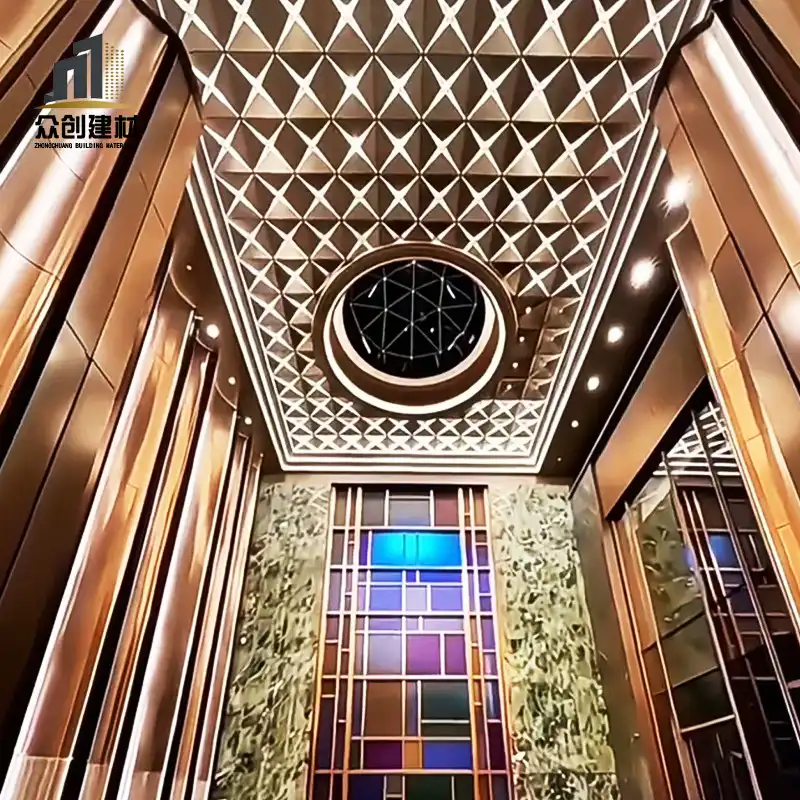
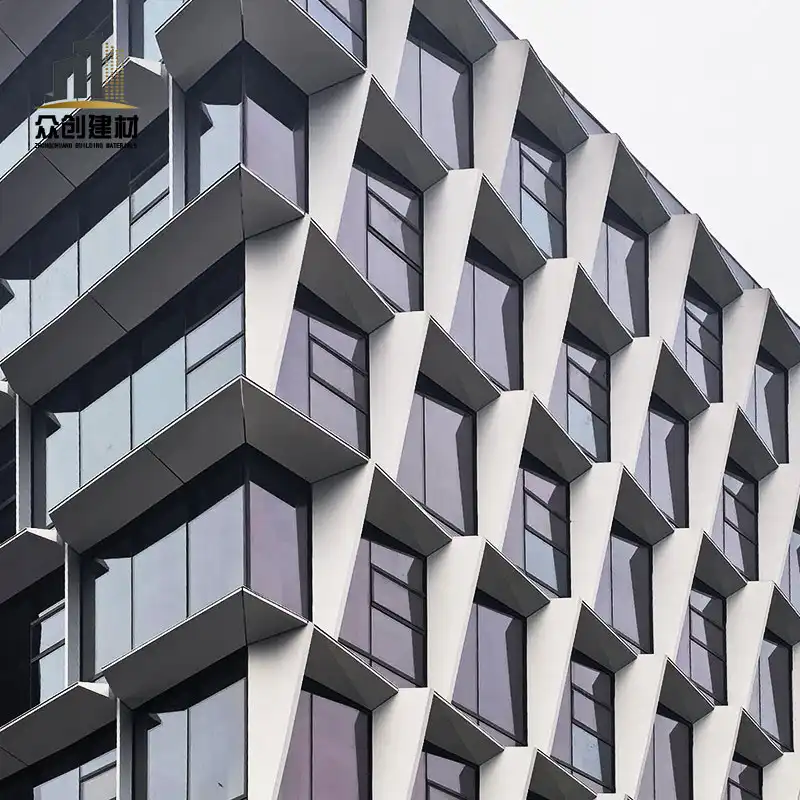
(1)_1780970038980.webp)
Cultural Narrative and Regional Element Expression of Artistic Perforated Aluminum Panels
Outstanding buildings are far more than functional containers; they are carriers of culture and media for narrative storytelling. As architectural design evolves from pure functionalism toward cultural expression, a growing number of architects are exploring ways to tell cultural stories and convey regional characteristics through building materials and design languages. As a new decorative material balancing functionality and artistry, artistic perforated aluminum panels offer an ideal medium for such cultural expression. By designing and machining culturally meaningful perforated patterns onto aluminum panels, architects can embed traditional heritage, regional features and brand narratives into building facades and interior spaces. This transforms buildings from cold engineering structures into vibrant entities with warmth, stories and profound cultural depth. This article analyzes the integration of cultural narrative and regional elements into artistic perforated aluminum panel design to enrich the cultural connotation of architecture.
Artistic perforated aluminum panels possess unique strengths for cultural narration.
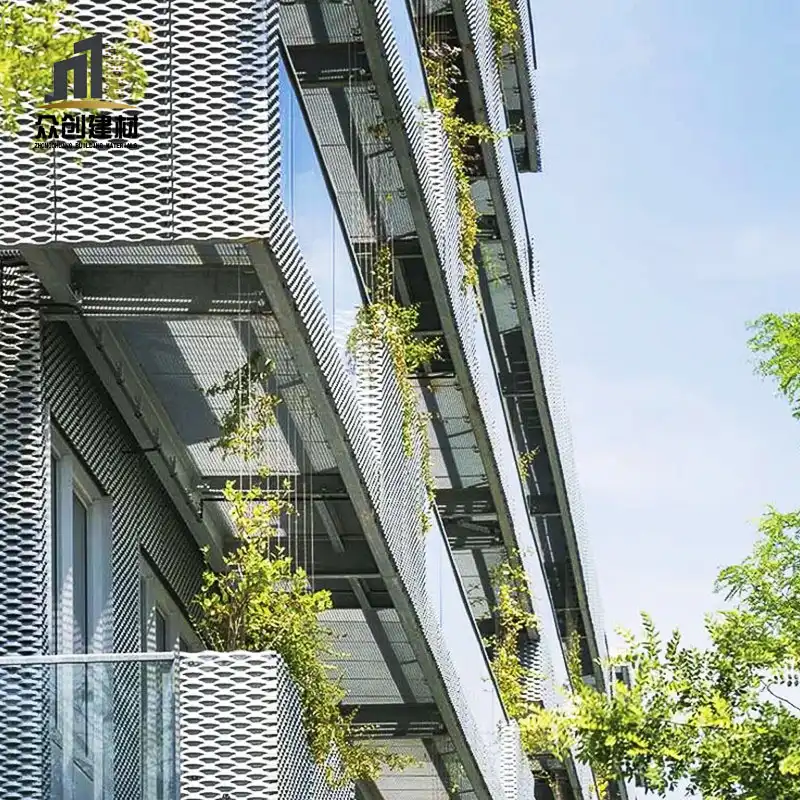
First, they feature semi-transparency. A perforated aluminum panel is neither a fully solid wall nor completely transparent glass, occupying a middle ground. Up close, distinct hole patterns are visible; from a distance, it presents a soft, blurred overall image. This semi-transparent quality is well suited for subtle, metaphorical cultural messaging. Cultural expression often avoids bluntness and invites viewers to perceive, experience and interpret. The hazy texture of perforated aluminum panels perfectly matches this implicit aesthetic of cultural communication.
Second, the material supports high customisation. Perforated patterns can be freely designed to render figurative graphics, abstract symbols, text and images via perforation processing. This high degree of customisation enables designers to convert diverse cultural elements into perforated layouts, achieving personalised and distinctive cultural representation.
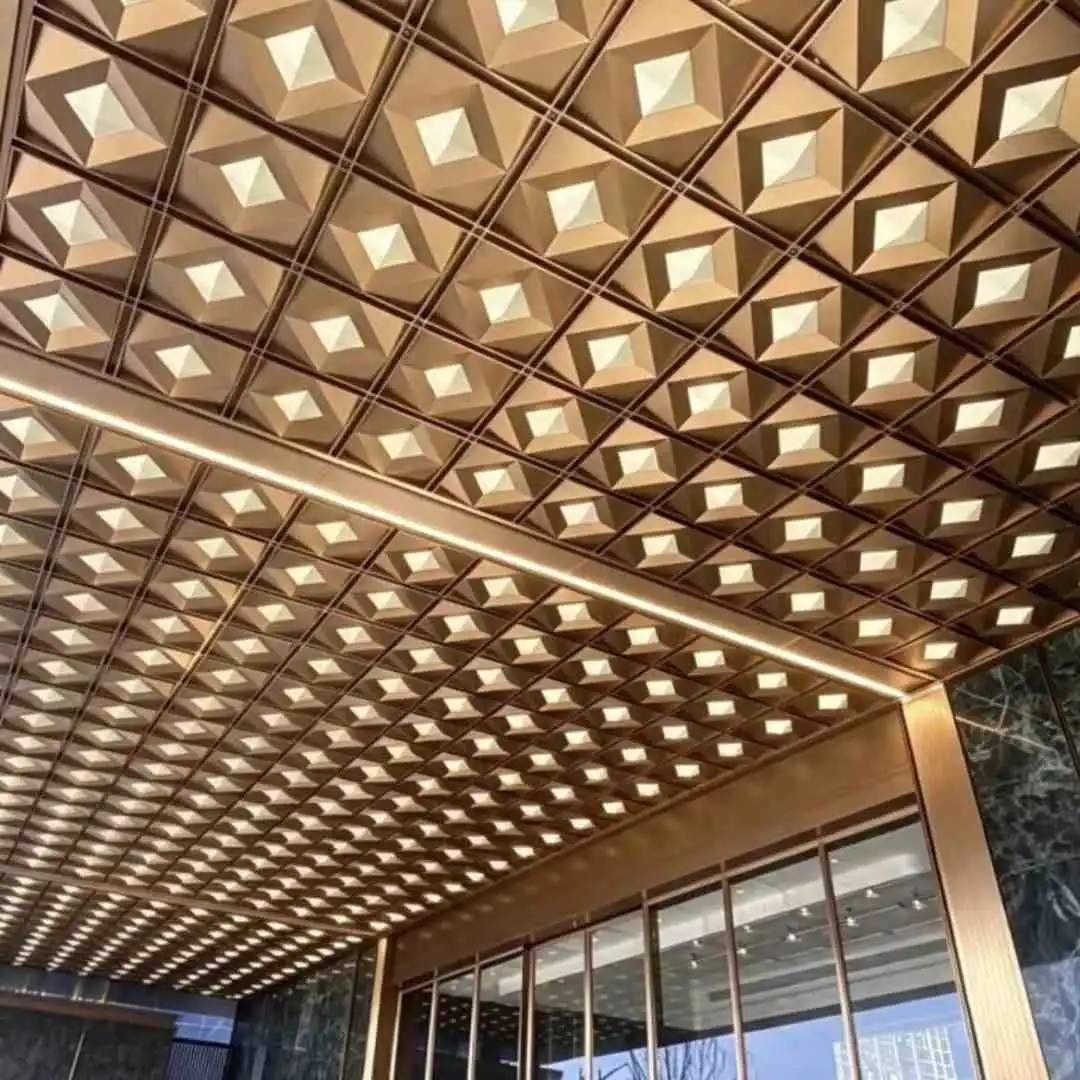
Third, dynamic lighting effects are achievable. The visual effect of perforated aluminum panels is not static. As light shifts — from sunlight changing throughout the day, or internal and external lighting transitioning between day and night — the perforated patterns deliver varied visual experiences. In daylight, the metallic texture of the panel dominates; after dark, interior light shines through the holes and turns the patterns into luminous imagery. This time-dependent dynamic effect adds extra layers and dimensions to cultural storytelling.
Fourth, the panels deliver outstanding durability. Aluminum resists weathering and ageing, so cultural patterns can be preserved on buildings for decades. Unlike murals or paint coatings that fade and degrade easily, perforated aluminum panels allow cultural narratives to endure over time.

Integrating regional cultural elements into perforated aluminum panel design represents the most widespread cultural application of artistic perforated aluminum panels. Every city and region holds unique natural geographic features, historical traditions and local cultural symbols. Embedding these elements into perforated aluminum panels for public cultural buildings, cultural facilities and commercial projects fosters cultural identity and a sense of belonging among people. For instance, on cultural buildings in water towns, ripples, bridges and gondolas can be abstracted into perforated motifs. In historic cities, local ancient architecture, historical figures and traditional decorative patterns may be adapted into panel designs. Coastal cities can incorporate ocean-inspired elements such as waves, shells and sailing boats, while mountainous regions may draw on mountain silhouettes, forests and birds.
These cultural elements are not simply stacked symbols. Instead, they undergo abstraction, refinement and artistic reworking before being translated into perforation arrangements and density variations, forming designs that carry cultural significance while retaining modern aesthetics. Many newly built cultural centres, museums and libraries adopt this approach, implanting local cultural DNA into building facades to turn architecture into a cultural calling card for the city. Such designs are particularly common at urban gateway buildings including high-speed railway stations and airports, where travellers immediately encounter the city’s cultural identity through facade perforated patterns.
The fusion of traditional cultural elements and modern perforation technology marks another key direction for culturally driven artistic perforated aluminum panel design. China boasts a 5,000-year continuous civilisation, with abundant visual resources embedded in traditional ornaments, calligraphy, paintings, opera and costumes. Reinterpreting these traditional cultural elements using contemporary design language and modern materials is a vital topic in present-day architectural design. Perforated aluminum panels excel in this field. Traditional hollow wood carvings, brick carvings and lattice window grilles are essentially patterns formed by cutting openings in materials, sharing a core logic with perforated aluminum panels. Modern CNC perforation technology can convert classic lattice patterns, cloud motifs, meander patterns and landscape paintings into aluminum panel layouts, enabling contemporary reinterpretation of traditional crafts.
For Chinese-style hotels, restaurants and clubs, perforated aluminum panels can create partitions and wall surfaces evoking classic lattice aesthetics, preserving the artistic conception of traditional patterns while delivering the sleek refinement of modern metal materials. In temples and cultural venues, perforated aluminum panels serve as modern materials that interpret traditional architectural language and create dialogue between heritage and modernity. This design approach — reinterpreting traditional elements through a contemporary lens — inherits culture while aligning with the minimalist, elegant tastes of modern aesthetics, and has become a mainstream direction for contemporary Chinese-style design.
The expression of brand and corporate culture constitutes an important cultural dimension for artistic perforated aluminum panels in commercial spaces. For enterprises and brands, offices and retail stores are not merely workplaces and sales venues, but physical carriers of brand culture and values. Embedding brand culture into office and commercial spaces through perforated aluminum panels subtly shapes brand image, strengthens employees’ cultural identification and deepens brand recall among consumers.
Brand-focused perforated designs include multiple forms: perforated rendering of brand logos, where trademarks are transformed into perforated patterns as the visual centre of feature walls, reception backdrops and facades; text-based perforation for brand missions, visions and core values, presented on wall surfaces as spatial cultural declarations; image-driven narratives of brand stories and milestones, reproduced as halftone graphics on perforated panels to chronicle brand growth; abstract representations of product forms and industry characteristics, converted into geometric patterns that define the spatial design language. These brand elements are not rigidly affixed to walls but seamlessly integrated into the decorative system through perforation craftsmanship, combining cultural depth and design appeal. For modern enterprises prioritising brand building, artistic perforated aluminum panels have become a powerful design tool for shaping corporate spatial culture.
Several principles should be followed when designing cultural-narrative artistic perforated aluminum panels.
First, cultural authenticity. Cultural elements in the design must originate from authentic traditions and local features rather than fabricated or randomly assembled symbols. Designers need genuine understanding and respect for the culture being expressed. The finest cultural design is not superficial symbol stacking, but contemporary interpretation rooted in the core of the culture.
Second, artistic quality. Cultural elements cannot be copied directly. They must be refined and translated by designers using modern design language to fit contemporary aesthetics and avoid simplistic retro imitation.
Third, functional coordination. Cultural expression must not override the material’s inherent functions. The acoustic, ventilation and sun-shading properties of perforated aluminum panels should work harmoniously with cultural patterns, rather than sacrificing practical performance for decorative storytelling.
Fourth, scale awareness. Pattern design must consider viewing distance and building scale. Large, unified patterns suit building facades viewed from afar, while delicate, detailed patterns are ideal for indoor spaces viewed at close range.
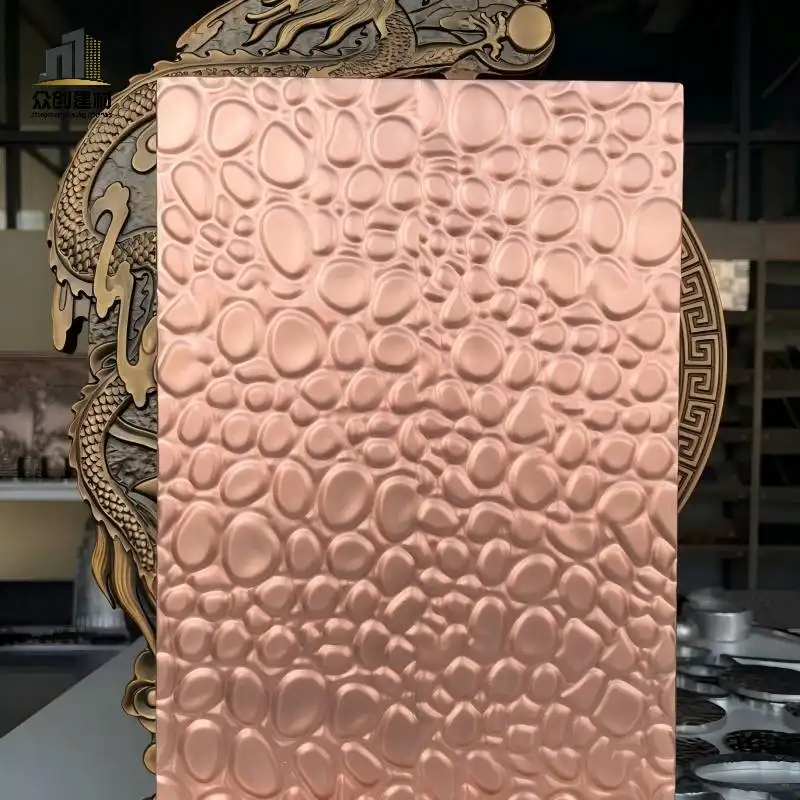
Fifth, material coordination. The material finish, colour and surface treatment of perforated aluminum panels should match the cultural theme. Traditional cultural themes pair well with warm tones such as bronze and dark brown with matte finishes; tech-focused themes suit silver, black and reflective metallic textures; nature-inspired themes work with wood grain, green tones and subtle fine textures.
By adhering to these principles, artistic perforated aluminum panels can function as high-quality carriers for cultural expression, delivering outstanding architectural works rich in both cultural depth and design aesthetics.