_1762768699969.webp)

_1782530506402.webp)
Anodized Aluminum Honeycomb Panel Demand Surges
Demand for anodized aluminum honeycomb panels has surged 27% month-on-month in West Africa, as accelerated infrastructure development across Ghana, Nigeria, and Côte d’Ivoire drives demand for durable, low-maintenance building materials. The product is rapidly replacing conventional powder-coated aluminum panels as the preferred facade material for commercial complexes, luxury hotels, and transit projects.
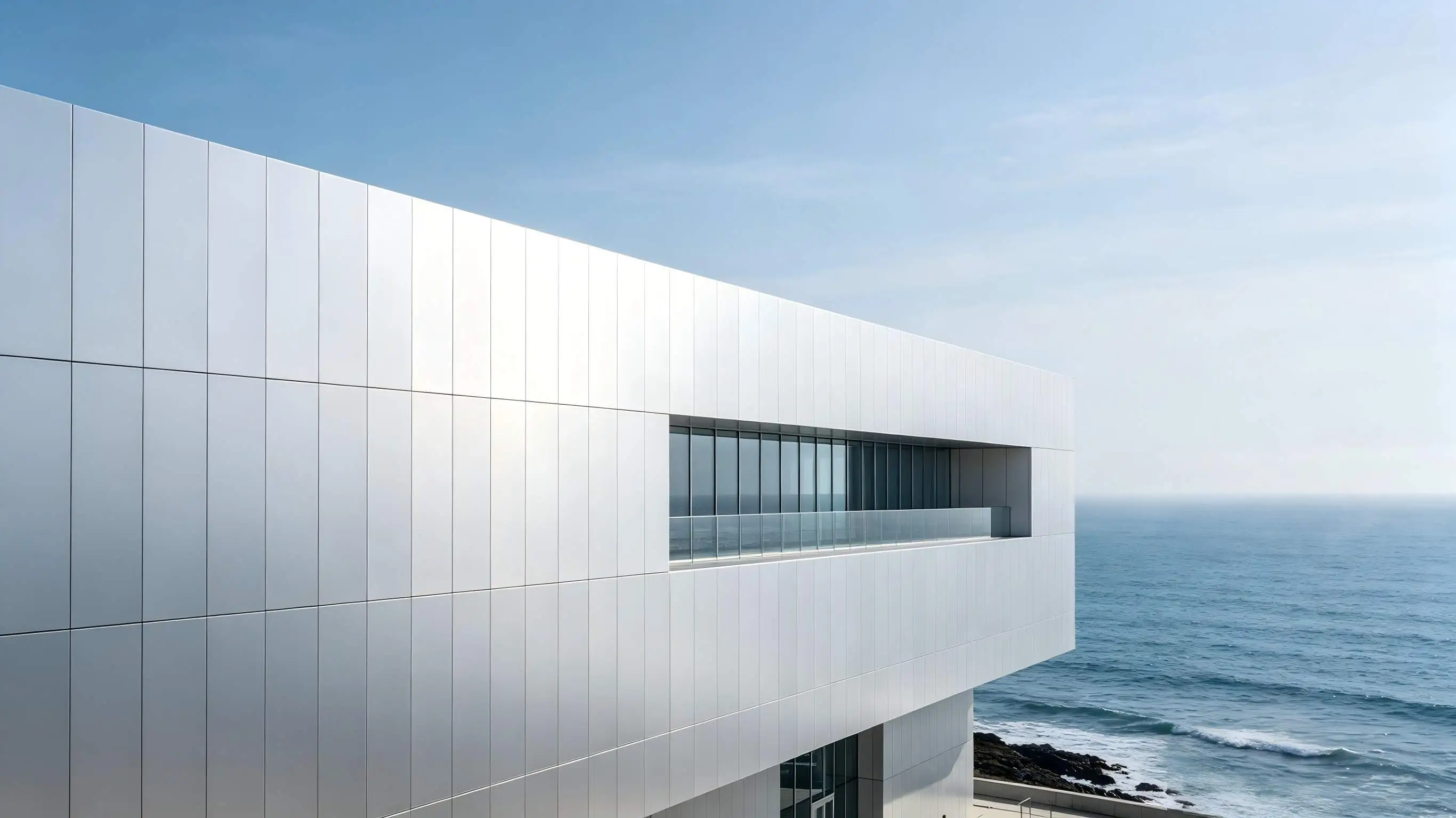
Driven by global green building regulations, the European Union and Australia have implemented stricter VOC emission limits for construction materials, restricting the export of many powder-coated products. Anodized aluminum honeycomb panels have gained growing favor among international architects due to their VOC-free manufacturing process, which requires no additional paint coatings.
Industry statistics show that Foshan, South China – the world’s leading production hub for anodized aluminum honeycomb panels – recorded a 19.3% year-on-year increase in exports in the first half of 2026. Notably, 42% of these exports were supplied to local window and door manufacturers for supporting decorative projects, highlighting the product’s versatility in complementing existing building material lines.
West Africa’s humid, high-salt coastal climate poses significant challenges to traditional building materials, with ordinary coated aluminum panels often showing signs of peeling and discoloration within 3–5 years. In contrast, the integrated oxide film of anodized aluminum honeycomb panels provides long-lasting corrosion protection, maintaining a stable appearance for over 20 years and significantly reducing long-term building maintenance costs.
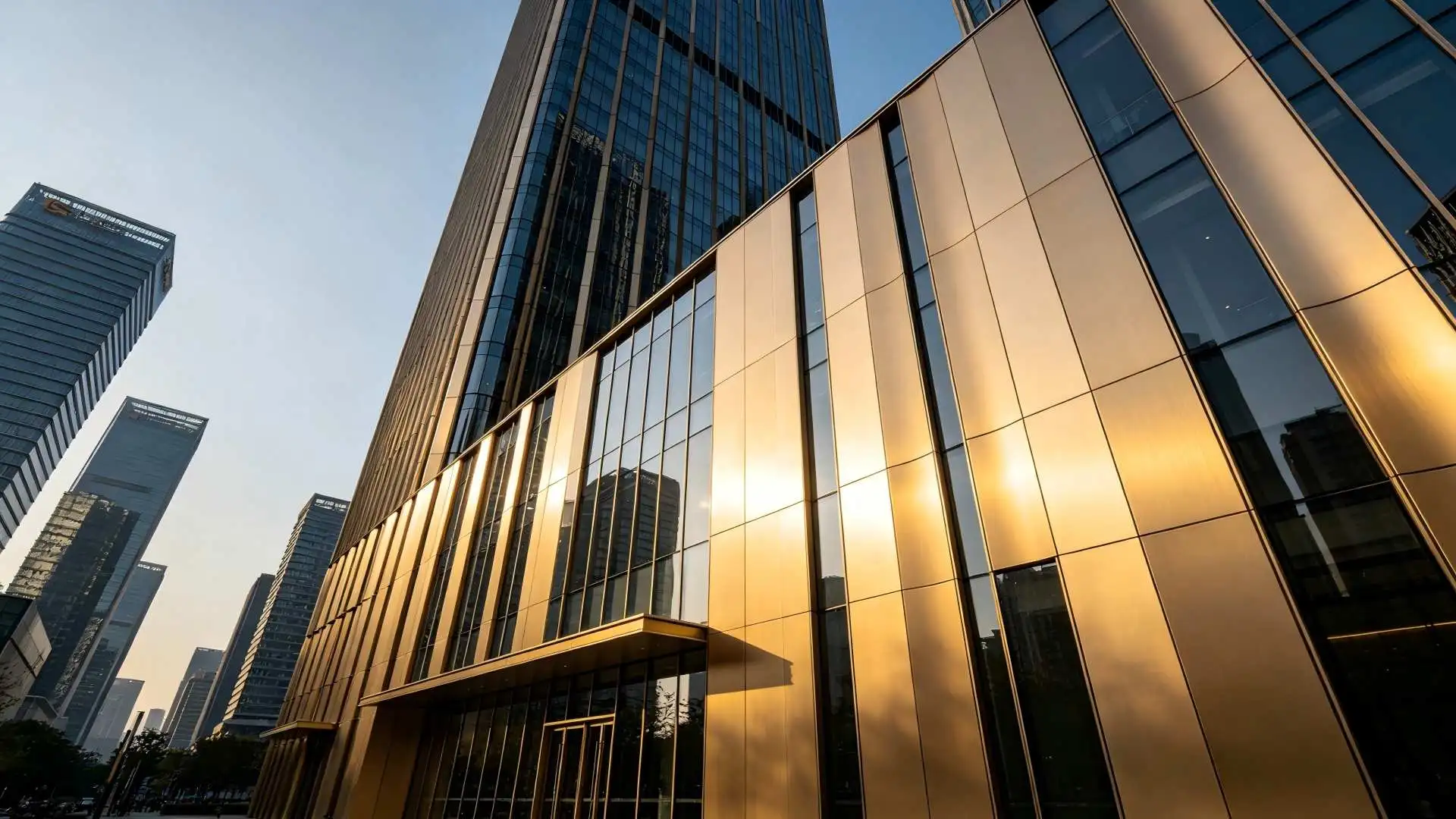
Industry experts forecast continued steady growth in overseas procurement demand for anodized aluminum honeycomb panels in the third quarter of 2026, coinciding with the start of several major transit-oriented development (TOD) projects across West Africa.