_1762768699969.webp)

_1782530506402.webp)
The Application of Aluminum Single Panels in Curtain Walls: Blending Functionality, Aesthetics and Sustainability
In the realm of modern architecture, the curtain wall serves as more than just a protective envelope for buildings—it is a visual statement, a bridge between structural practicality and design artistry. Among the diverse materials used in curtain wall construction, aluminum single panels have emerged as a dominant choice, thanks to their unique combination of lightweight properties, durability, design flexibility, and environmental friendliness. Unlike composite panels or other metal alternatives, aluminum single panels offer pure, cohesive performance that adapts to a wide range of architectural styles, from sleek urban skyscrapers to cultural landmarks and even residential complexes. This article explores the multifaceted applications of aluminum single panels in curtain walls, delving into their functional value, aesthetic potential, practical implementation, and future trends, while highlighting how they redefine the relationship between buildings and their surrounding environments.

The core advantage of aluminum single panels that drives their widespread application lies in their balanced performance, which addresses the key challenges of curtain wall design: structural safety, weather resistance, and energy efficiency. Aluminum, by nature, boasts an excellent strength-to-weight ratio—its density is merely one-third that of steel—significantly reducing the load on a building’s main structure and foundation, which is particularly critical for high-rise and super high-rise buildings. When processed into single panels (typically using 3003 or 5005 series aluminum alloys), they gain enhanced rigidity through the addition of back reinforcement ribs, enabling them to withstand strong winds, seismic activity, and external impacts. For instance, the Beijing Fengtai Commercial and Financial Building, a landmark in the core business district, adopted aluminum single panels (including curved and perforated types) for its 12,000-square-meter curtain wall, achieving a wind resistance rating of Grade 9 (≥5.0kPa) and meeting the 7-degree seismic fortification requirement, thus demonstrating the material’s reliability in harsh conditions.
Weather resistance is another pivotal factor that makes aluminum single panels suitable for global applications. Through surface treatments such as PVDF (fluorocarbon) spraying, powder coating, or anodizing, the panels develop a protective layer that resists UV radiation, acid rain, salt spray corrosion, and temperature fluctuations. PVDF coating, in particular, offers exceptional durability, with a service life of up to 25 years and minimal color fading, making it ideal for coastal areas, industrial zones, and regions with extreme climate variations. This longevity not only reduces maintenance costs—requiring only periodic cleaning to retain their appearance—but also extends the overall service life of the curtain wall, delivering long-term value to building owners.
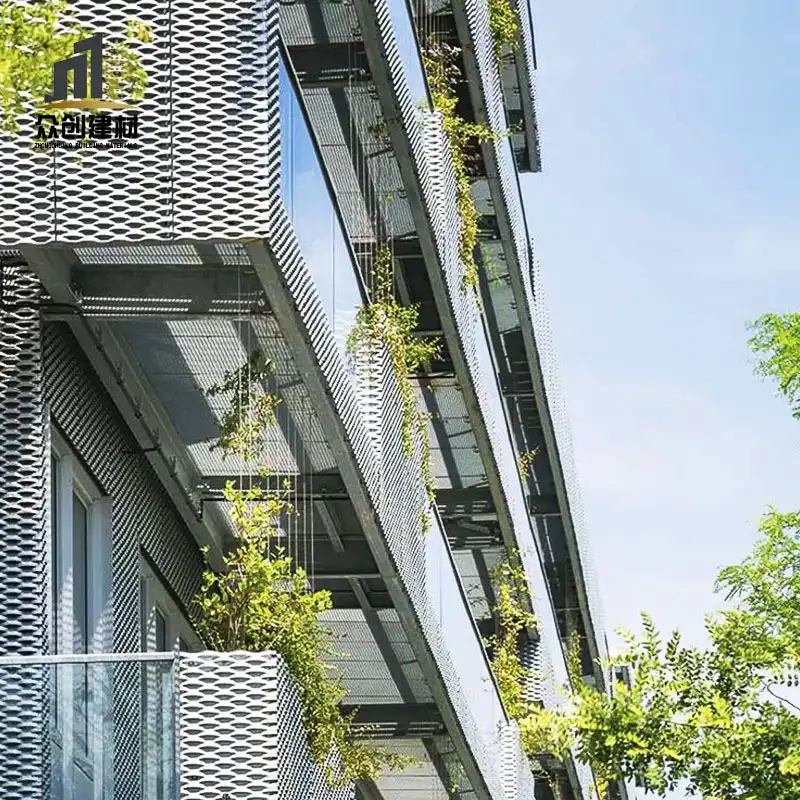
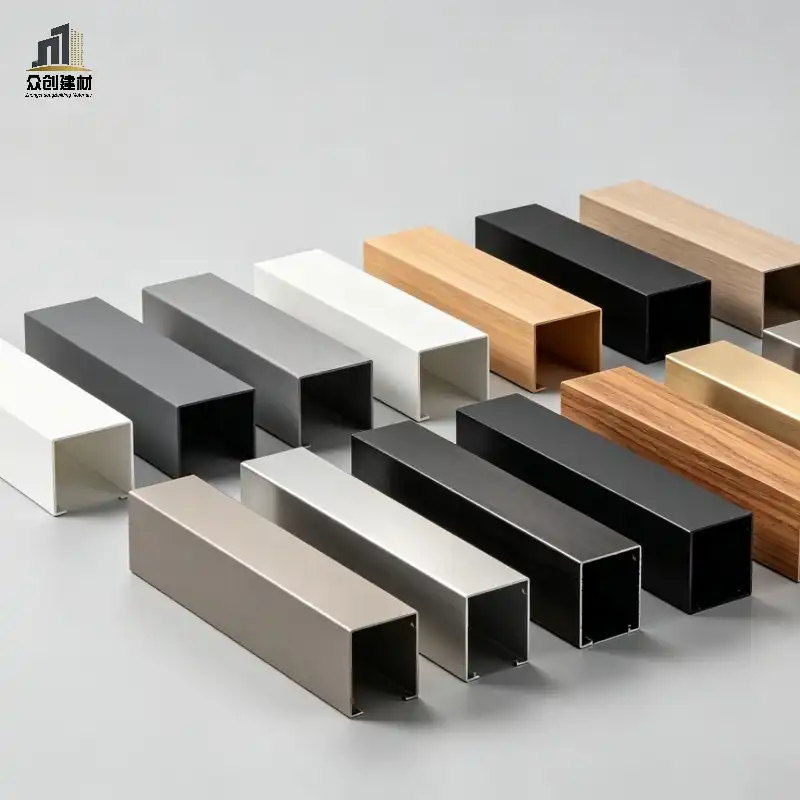
Beyond functionality, aluminum single panels unlock unprecedented aesthetic possibilities for architects, enabling the realization of creative and iconic building facades. Unlike rigid materials that limit design flexibility, aluminum single panels can be easily cut, bent, punched, or formed into flat, single-curved, double-curved, or even irregular 3D shapes through precision digital processing. This versatility allows architects to break free from traditional flat facades and create dynamic, fluid designs that reflect the building’s purpose and integrate with the surrounding landscape. For example, the C.H. Robinson Midwest Headquarters in Chicago features undulating aluminum fins that emulate the flow of the nearby river, creating a visual connection between the building and its riverfront location while reducing glare and enhancing energy efficiency. In addition, the panels offer a wide range of color options—from natural metallic tones to earthy hues, wood grain, or stone grain finishes—allowing designers to match the building’s aesthetic to its context, whether it is a modern commercial tower or a cultural center blending with nature.
The application of aluminum single panels in curtain walls is also closely aligned with the global trend of sustainable and green building practices. Aluminum is 100% recyclable, with the recycling process consuming only 5% of the energy required to produce primary aluminum, making it a low-carbon material that supports green building certifications such as LEED® Gold. Moreover, aluminum single panels can be integrated with thermal break technology and insulating materials (such as rock wool) to minimize heat transfer, reducing the building’s energy consumption for heating and cooling. For instance, the curtain wall system of the Beijing Fengtai Commercial and Financial Building incorporates 50mm-thick rock wool, achieving excellent thermal insulation (thermal conductivity ≤0.038W/m·K) and sound insulation (noise reduction coefficient ≥0.8), which not only improves indoor comfort but also lowers energy costs. Additionally, the modular design of aluminum single panels facilitates prefabrication in factories, reducing on-site construction waste and improving construction efficiency by up to 30% compared to traditional methods.

In practical applications, aluminum single panels are highly adaptable to different building types and scenarios, from large-scale public buildings to private residences. In commercial and office buildings, they are often used as spandrel panels (between floors), corner panels, or full facades, creating a sleek, professional appearance while concealing mechanical systems and equipment areas. In transportation hubs such as airports and railway stations, their durability and easy maintenance make them ideal for high-traffic areas, while their lightweight properties simplify installation on large-span structures. In cultural buildings—museums, theaters, and art centers—aluminum single panels are used to create unique, sculptural facades that convey artistic expression; for example, perforated aluminum panels can be designed to control daylight, create shadow effects, or even display artistic patterns, blending functionality with aesthetic appeal. Even in residential buildings, aluminum single panels are increasingly used for exterior cladding, offering a modern alternative to traditional materials while providing thermal insulation and noise reduction benefits for homeowners.
Looking ahead, the application of aluminum single panels in curtain walls is poised to evolve with advancements in technology and changing architectural trends. One key trend is the integration of smart technologies, such as LED lighting systems embedded in aluminum panels, which transform the curtain wall into a dynamic visual display at night, enhancing the building’s presence in urban landscapes. Another trend is the combination of aluminum single panels with other materials—such as glass, wood, or concrete—to create contrasting textures and visual harmony, merging natural warmth with modern sleekness. Additionally, the development of high-performance coatings and recycled aluminum materials will further enhance the sustainability and durability of aluminum single panels, making them an even more attractive choice for future green building projects.
In conclusion, aluminum single panels have become an indispensable material in modern curtain wall design, owing to their perfect balance of functionality, aesthetics, and sustainability. They not only provide reliable structural protection and weather resistance but also empower architects to realize creative visions, from simple, minimalist facades to complex, iconic structures. As the construction industry continues to prioritize sustainability, energy efficiency, and design innovation, aluminum single panels will remain at the forefront of curtain wall applications, shaping the skyline of cities and redefining the way we interact with buildings. Their versatility, durability, and environmental friendliness make them more than just a building material—they are a catalyst for architectural innovation, bridging the gap between practicality and art.