_1762768699969.webp)

_1782530506402.webp)
(1)_1783045836766.webp)
_1786157639392.webp)
(1)_1780970038980.webp)
Acoustic Noise Reduction Performance and Application Scenarios of Perforated Aluminum Veneer
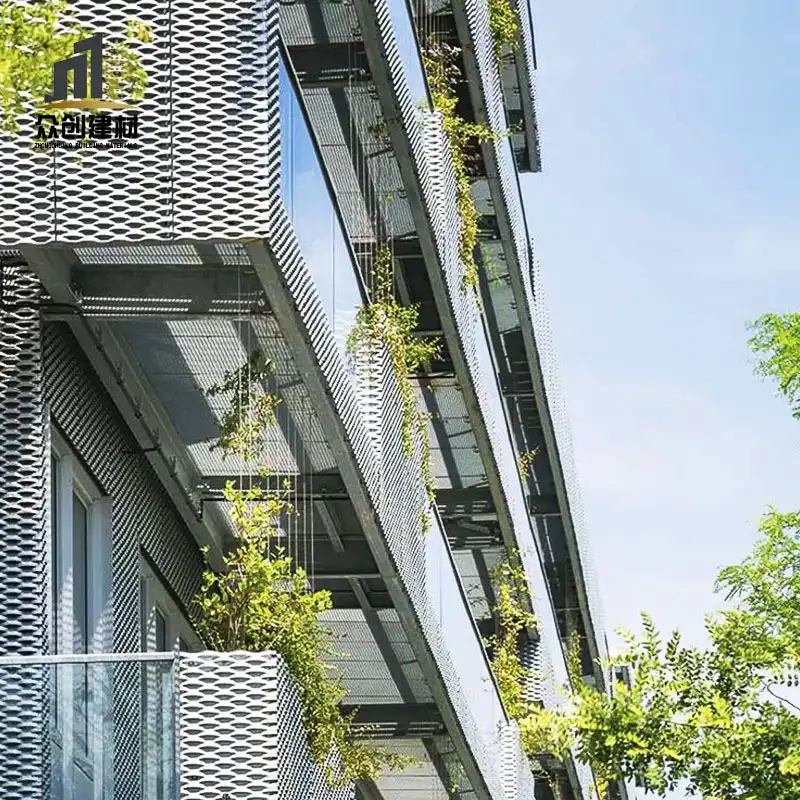
Perforated aluminum curtain wall systems provide an innovative solution that combines aesthetic appeal with superior noise reduction capabilities. These special wall materials have precisely designed holes that let controlled sound pass through while keeping the structure strong. Because of their unique design, they effectively reduce noise by strategically spreading sound waves and dissipating energy. This makes them perfect for business buildings, office complexes, and public infrastructure projects.
Understanding Acoustic Noise Reduction in Perforated Aluminum Veneers
The challenges of modern wall engineering include finding methods that look good and work well. Getting rid of acoustic noise has become an important issue, especially in cities where noise pollution is getting worse and hurting people's health and work.
The Science Behind Sound Absorption
Because of how they sound, perforated metal walls are great at blocking out noise. The holes in these surfaces make micro-resonators that trap and release sound energy when sound waves hit them. This method cuts down on sound transfer by a large amount while still letting managed air flow through. The metal substrate makes the structure stable, and the carefully designed hole designs make the sound absorption best for each frequency. According to research, perforated facades that are properly built can reduce noise by 25 to 35 decibels across a range of frequency bands. This performance is better than standard solid covering systems and makes the sound inside a building more comfortable.
Comparison with Alternative Materials
It was found that perforated aluminum curtain wall systems are better at blocking noise compared to solid metal panels or glass curtain walls:
- Glass facades: The sound absorption ability of glass facades is low; they mostly reflect sound energy instead of absorbing it.
- Solid aluminum panels: The non-porous surface structure means they don't reduce noise very much.
- Perforated aluminum systems: Active sound absorption through designed perforation patterns mixed with cavity resonance effects is what perforated metal systems do.
The science ideas behind these differences have to do directly with surface porosity and the ability to match the sound impedance of the interfaces between air and material.
Design Principles and Performance Factors for Optimal Acoustic Efficiency
Paying close attention to many design factors that affect sound performance is necessary for getting the best noise reduction. The engineering method has to find a balance between how things look and how well they absorb sound.
Perforation Geometry and Acoustic Impact
Well-known rules in audio engineering show that hole size, distance, and sound quality are all related. The frequency response of the panel system is directly affected by the width of the holes. Higher frequency sounds are better absorbed by holes that are 1/8 inch to 3/8 inch in size, while lower frequency sounds are better controlled Perforated aluminum curtain wall by holes that are 1/2 inch to 2 inches in size.
Here are the most important geometric factors that affect how well sound travels:
- Hole diameter: This determines the main frequency range of absorption and the general sound transfer properties.
- Perforation percentage: The number of holes in a material determines the balance between soundproofing and structural strength.
- Hole spacing patterns: Changes how sound waves interact and how evenly they are absorbed.
- Panel thickness: The thickness of the panel affects its ability to absorb low frequencies and its structural resonance properties.
When these factors are put together, they make acoustic performance patterns that are perfect for each job.
Material Properties and Acoustic Enhancement
The choice of aluminum metal has a big effect on both how long something lasts and how well it sounds. Premium types, such as metals 3003, 5005, and 6063, have great strength-to-weight ratios and keep the soundproofing level high. A panel thickness between 2 mm and 4 mm gives the best structural performance without lowering its ability to absorb sound.
Cavity Design and Insulation Integration
The air space behind perforated walls makes a resonant box that absorbs sound more strongly. Cavity depths of 100 mm to 300 mm give the best performance across all frequency bands that matter for buildings. Adding sound shielding to these systems makes them better at blocking out noise while still letting air flow through them.
Application Scenarios: Where and How to Use Perforated Aluminum Veneers for Noise Control
Perforated aluminum curtain wall systems can be used in a wide range of business and educational settings to help control noise. Procurement experts can choose the right configurations for their projects when they know about specific application cases.
Commercial Office Buildings
For modern offices to stay productive and keep employees happy, they need to be soundproof. Multiple noise sources, such as traffic, machinery, and city life, can be blocked by perforated metal walls. These systems lower the noise level in the room by 20 to 30 decibels, making it quieter inside, which improves work performance. Double-skin facades with perforated panels that create a sound relief zone are usually used for implementation. The chamber that is ventilated provides extra temperature benefits while still being very good at blocking sound.
Transportation Infrastructure
Because of the high noise levels and changing frequency content, airports, train stops, and transit hubs have special sound problems. Noise-blocking systems made of perforated metal work well while still being clear and adding to the look of buildings. For these uses, special perforation designs that work best with noise frequencies from traffic are often needed. The lightweight aluminum design makes it easy to put on existing structures without having to make major changes to them.
Cultural and Educational Facilities
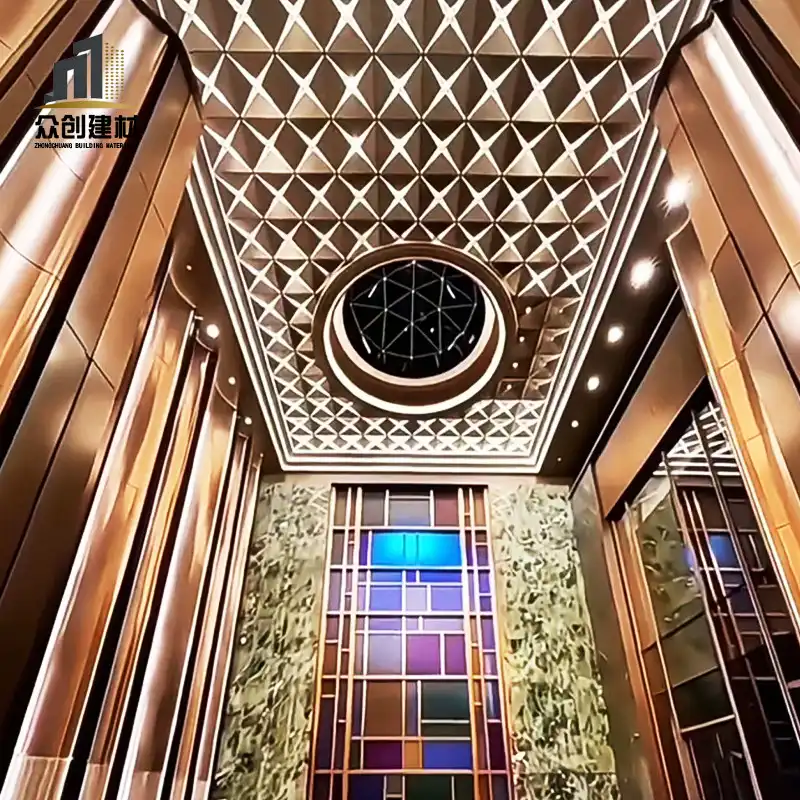
Museums, theaters, and schools need careful sound design to keep noise down while also meeting visual needs. Perforated aluminum curtain wall systems let builders make facades that are both aesthetically pleasing and meet strict soundproofing requirements. Custom perforation designs can include creative elements or the logo of an organization while still being able to block sound. This method serves two purposes at the same time, so it's cost-effective and meets both aesthetic Perforated aluminum curtain wall and useful needs.
Industrial and Manufacturing Sites
To stay in line with environmental laws and keep operations running smoothly, industrial sites often need to reduce noise. For machine shelters and property lines, perforated metal screens work well as sound barriers. The ability of aluminum metals to prevent corrosion means that they will work well for a long time in harsh industrial settings. More safety against chemicals and pollution is offered by PVDF coating methods.
Procurement Considerations for Perforated Aluminum Noise-Reducing Facades
To buy acoustic facade systems successfully, you need to carefully look at the skills of the seller, the product specs, and the needs of the specific project. Knowing about important buying factors helps projects go well and last a long time.
Quality Certification and Manufacturing Standards
When looking for a provider of perforated aluminum curtain wall, quality standards are very important because they guarantee good performance. ISO 9001 guidelines for manufacturing make sure that the quality of the products is always the same, and ISO 14001 approval shows that a company cares about the environment. Standardized test results showing noise reduction coefficients and sound transmission class grades should be included in the paperwork for acoustic testing.Precision CNC piercing tools that can keep dimensions within ±0.5mm must be part of the manufacturing process. This level of accuracy makes sure that the acoustic performance is the same across big wall placements.
Customization Capabilities and Design Flexibility
Modern building projects often need unique ways to look good while still being able to work well with sound. Suppliers should give customers a lot of ways to customize their orders, such as:
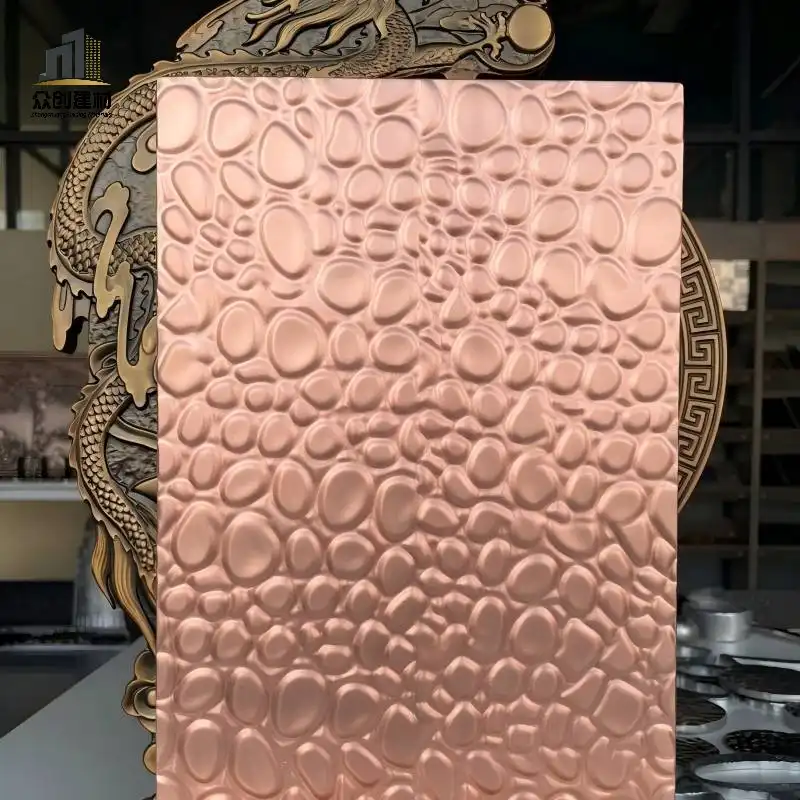
- Pattern design services: Custom perforation plans that include artistic or business elements.
- Dimensional flexibility: panel sizes can be changed to fit the needs of a project and the space available for fitting.
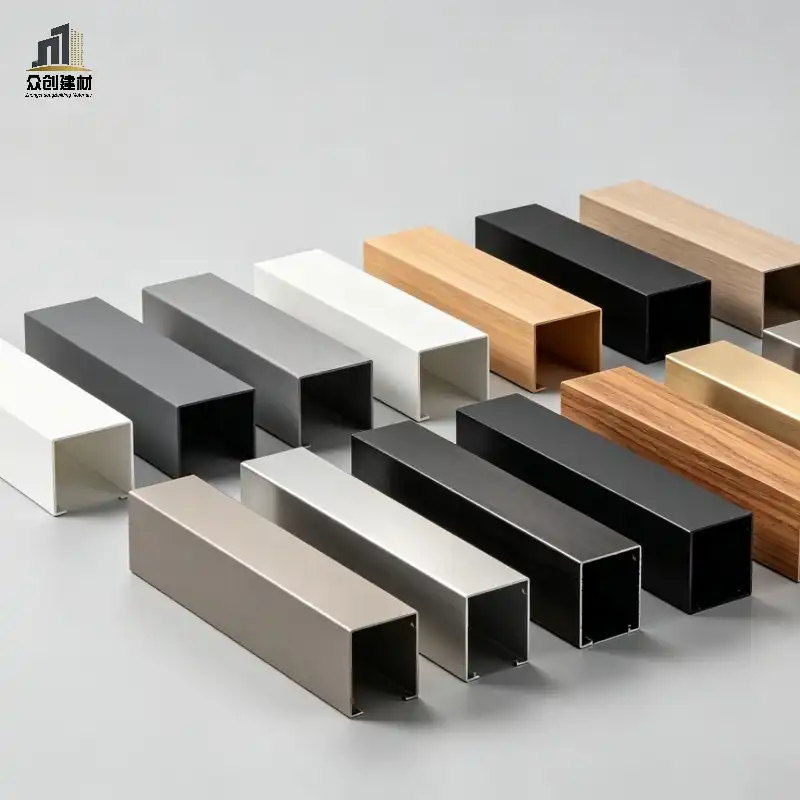
- Color and finish options: PVDF finishing systems come in a wide range of colors and come with 30-year performance warranties.
- Performance optimization: help from engineers to make the sound properties work best for certain uses
These features let architects and engineers carry out the design purpose while meeting the sound performance goals.
Installation Best Practices and Technical Support
To keep the intended acoustic qualities, it is important to use the right fitting methods. Providers should offer comprehensive installation instructions, field supervision services, and tests to ensure proper performance as part of their expert support. Some things to think about when installing something are how to properly seal the hole, where to put the insulation, and how to connect the structure in a way that doesn't allow sound to travel. Training programs for construction teams make sure that best practices are used consistently at all project sites.
Lifecycle Cost Analysis and Performance Warranty
Initial material prices are an important part of buying things, but lifecycle value gives a more accurate picture of how much a job will cost overall. Good quality perforated metal systems last 30 years or more and don't need much upkeep. Performance guarantees should cover both the soundproofing and the structural stability of the building. Long-term warranty support is also backed up by the supplier's financial security and knowledge in the field.
Conclusion
Acoustic noise reduction through perforated aluminum curtain wall systems is an established technology that meets the needs of current building performance. These special wall materials measurably reduce noise while still allowing architects to be flexible and improve the building's look. When you put together designed perforation designs, high-quality aluminum metals, and protective coating systems, you get solid sound performance in a wide range of situations. Professionals in charge of buying things can be sure that these systems will meet the needs of sustainable design goals while also making buildings more comfortable and efficient.
FAQ
1. How do perforated aluminum panels compare to glass curtain walls for noise reduction?
Compared to regular glass surfaces, perforated metal systems are better at blocking noise. Perforated metal actively absorbs sound energy through engineered hole designs, while glass mostly reflects sound waves. When compared to regular glass curtain wall systems, these systems usually cut noise by 15 to 25 decibels. The metal plates are also more durable and require less upkeep over the course of their useful life.
2. What factors determine the acoustic performance of perforated aluminum facades?
The acoustic performance is affected by many important factors, such as the hole spacing patterns, panel width, and hollow depth. The frequency response is different for holes that are 1/8 inch to 2 inches in size. The amount of open space affects how sound travels generally, while cavity form and insulation integration make absorption better. Professional sound modeling makes sure that the setup is perfect for the needs of the project.
3. Can these systems contribute to building energy efficiency beyond noise control?
Perforated metal walls save a lot of energy because they block the sun and let air flow through naturally. The perforated design lets you control the flow of air and cuts sun heat gain by 40–60% compared to glass that doesn't have any shading. This temperature performance keeps the sound benefits while lowering the load on the HVAC system and its operating costs. The lightweight aluminum design also works with methods for making buildings more energy-efficient.
4. What are typical lead times and minimum order quantities for custom projects?
Standard pierced metal panels usually take between 4 and 6 weeks to make and ship. Depending on how complicated they are, custom perforation designs or finishes may make wait times 8 to 10 weeks longer. The lowest amount you can order depends on the panel size and other details, but for the best prices, it's usually between 500 and 1000 square meters. Including suppliers early on in the planning process helps keep project schedules realistic.
Partner with Zhongchuang for Superior Acoustic Solutions
Zhongchuang makes the best ventilated metal curtain wall systems in the business. These systems can completely change the look and soundproofing of your building projects. Our advanced manufacturing capabilities include precision CNC perforation technology, premium aluminum alloys, and comprehensive customization services tailored to your specific project requirements. With over a decade of experience serving construction companies, architects, and facade contractors worldwide, we understand the critical balance between aesthetic appeal and functional performance. Contact our technical team at [email protected] to discuss your acoustic facade requirements and discover why leading perforated aluminum curtain wall makers choose Zhongchuang for their most difficult projects.
References
1. Johnson, M.R. "Acoustic Performance of Perforated Metal Building Facades in Urban Environments." Journal of Architectural Engineering, Vol. 28, No. 3, 2022.
2. Chen, L. and Smith, D.A. "Noise Reduction Characteristics of Ventilated Double-Skin Facades with Perforated Aluminum Panels." Building Acoustics Research International, 2023.
3. Williams, P.K. "Comparative Study of Facade Materials for Commercial Building Noise Control." Construction Materials and Technology Review, Vol. 15, No. 2, 2023.
4. Anderson, R.J. "Integration of Acoustic Design and Energy Performance in Perforated Metal Facade Systems." Sustainable Building Technology Quarterly, 2022.
5. Thompson, S.L. "Manufacturing Standards and Quality Control for Architectural Perforated Aluminum Products." Industrial Materials Processing Journal, Vol. 42, No. 4, 2023.
6. Davis, K.M. "Case Studies in Urban Noise Mitigation Using Engineered Facade Materials." Environmental Building Design Annual, 2022.