_1762768699969.webp)

_1782530506402.webp)
(1)_1783045836766.webp)
_1786157639392.webp)
(1)_1780970038980.webp)
Surface Treatment and Color Customization Scheme of Curved Aluminum Square Tube
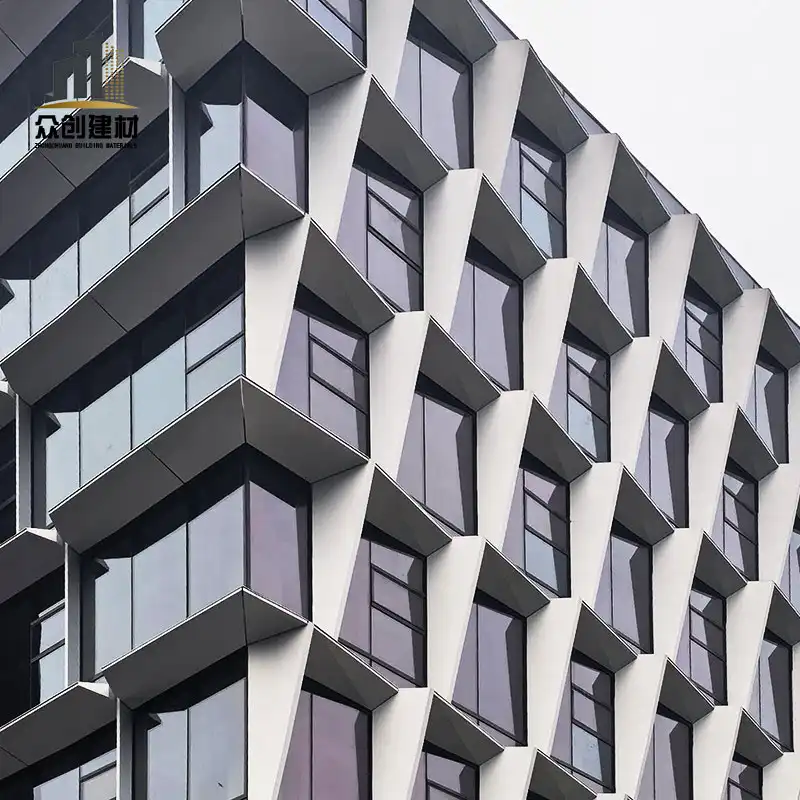
The curved aluminum square tube is a huge step forward in building artistic materials. It combines advanced surface treatment technologies with an infinite number of color options. Advanced CNC bending and rolling methods are used to make these precisely designed profiles. They can bend and roll into fluid, dynamic forms that go beyond the limits of traditional linear design while still keeping structural integrity and aesthetic excellence. These new solutions provide great performance in commercial buildings, transportation hubs, and landmark architectural projects around the world. They do this by offering a wide range of surface treatments, such as anodizing, powder coating, and fluorocarbon finishing, as well as a huge range of color customization options that are in line with international standards like RAL and Pantone.
Understanding Surface Treatment of Curved Aluminum Square Tubes
A method called surface treatment is the key to making curved metal shapes work better and last longer. Several complex methods are used in the process to improve both the functionality and the aesthetic appeal of these building features.
Primary Surface Treatment Methods
When it comes to bent metal, anodizing is the best way to treat the surface. This electrolytic process makes a strong oxide layer that goes through the aluminum's surface and protects it from rust and wear. The thickness of the anodized layer is usually between 10 and 25 microns, which meets the requirements of AAMA 611 for building uses. This treatment works really well outside, where UV rays and weathering are constant problems. Powder coating is another important treatment method that provides better bonding and impact protection. The electric application method makes sure that complicated curved shapes are evenly covered, and curing temperatures can hit 200°C for the best cross-linking. This process makes the material very resistant to chemicals and keeps the color stable over long periods of time. When used in tough environments, fluorocarbon covering gives the best performance. The fluorocarbon system has three coats: a primer, a color coat, and a clear protection topcoat. It has great UV strength and weatherability. This technique keeps the color true for decades, which makes it perfect for high-visibility building uses.
Performance Enhancement Through Surface Treatment
These treatment methods make the resistance to wear much higher, which means that the product will need less upkeep over its entire lifecycle. Treating surfaces makes them less likely to get scratched and keeps their look even after a lot of use. These processes make protection shields that stop corrosion from the air and greatly increase the service life. Surface treatments also make things easier to clean, which makes business care procedures more efficient. The smooth, non-porous surfaces keep dirt from building up and make regular cleaning easier. This keeps the surfaces looking good with little work.
Case Study: Outdoor Railing Implementation
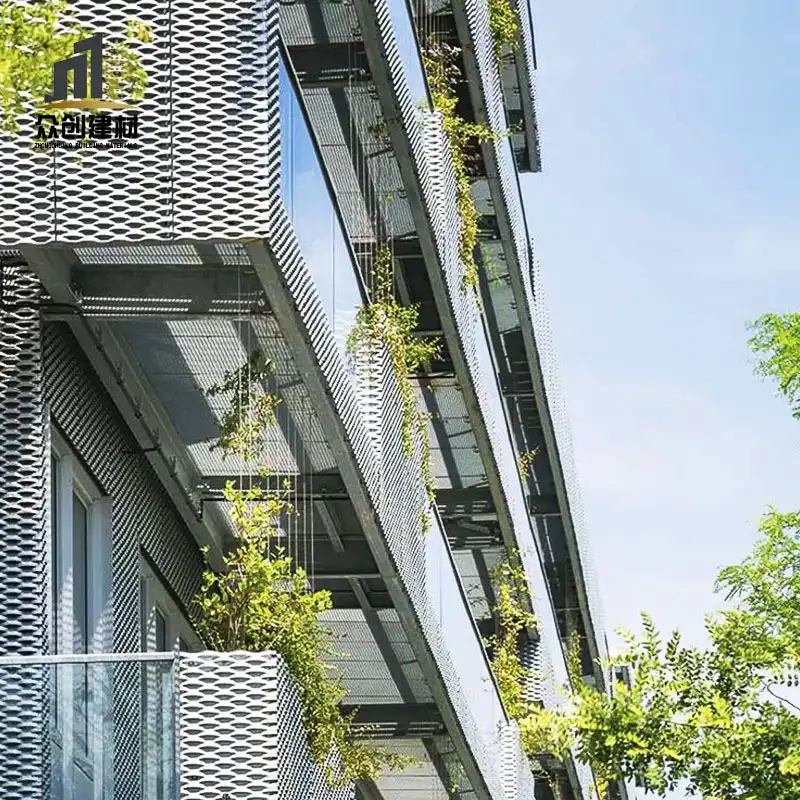
A recent job to build outdoor railings for a commercial building on the coast showed how important it is to choose the right surface treatment. The job called for curved aluminum square tube parts that were coated with fluorocarbon to protect them from salt air. The treated profiles kept their original look and structural integrity after three years of use, while the raw samples showed a lot of rust and discoloration.
Color Customization Options for Curved Aluminum Square Tubes
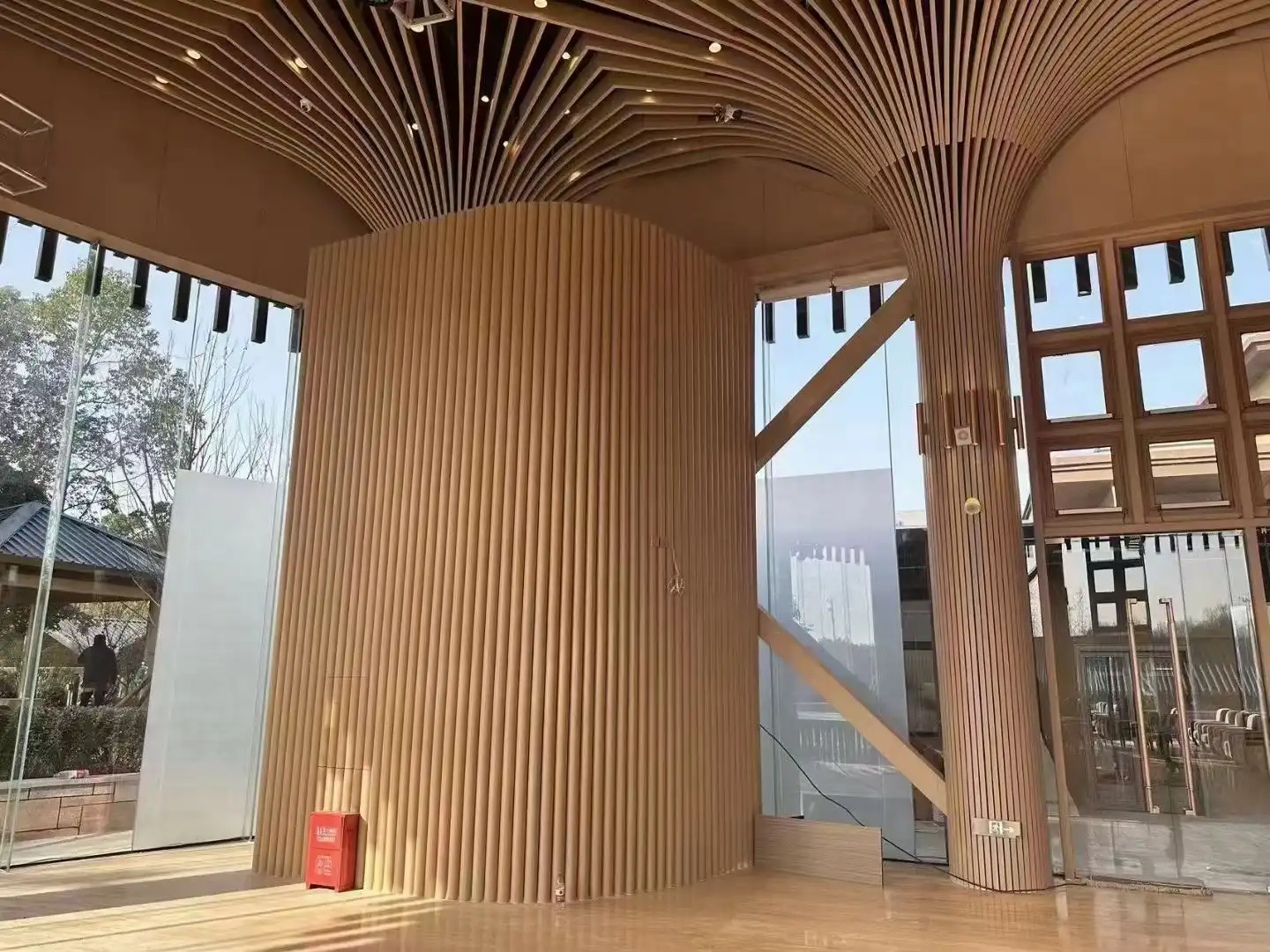
With the ability to change colors, useful aluminum profiles can become design statements that fit with a building's vision and the company's name. Modern methods for applying color give you almost endless options while still meeting standards for sturdiness and performance.
Advanced Color Application Techniques
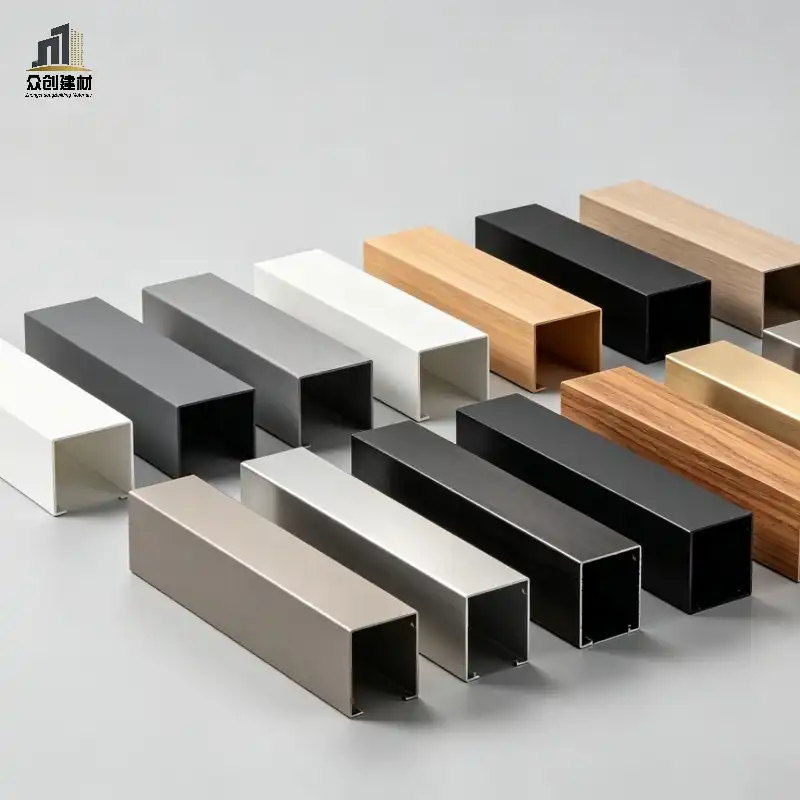
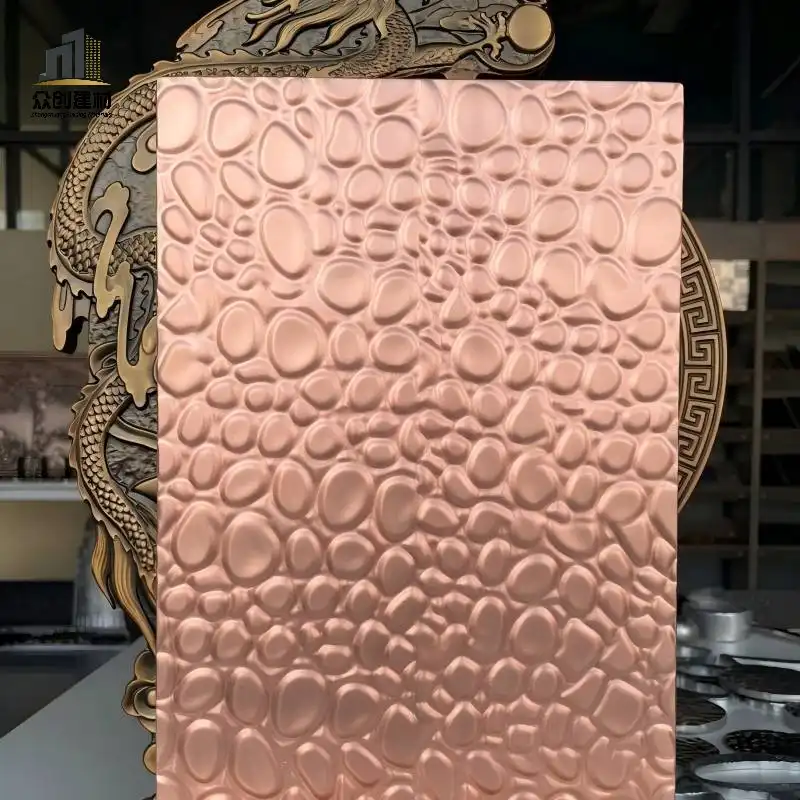
With thousands of stock colors available from major powder providers, powder coating color systems give you the most ways to make them your own. Custom color matching makes sure that brand colors are reproduced accurately, meeting the needs of each project. Powder painting can be used to add special effects like metallic finishes, patterns, and more than one color. When you anodize something, you can get natural silver, bronze, black, and gold tones from the process itself. Dyed anodizing greatly increases the color options, providing bright colors while keeping the natural toughness of the anodized surface. Two-step curved aluminum square tube anodizing methods can make effects and color combos that are one of a kind. Digital printing now makes it possible to put complicated designs and images on aluminum. These high-tech methods support brand names, building patterns, and artistic designs while keeping them weatherproof. UV-cured paints stick to surfaces very well and don't fade easily.
Industry Standard Compliance
RAL color matching makes sure that projects all over the world are the same. The RAL system gives uniform color guides that make it easier to reproduce colors accurately, no matter where you are or who you buy them from. This standardization is very important for big projects that need more than one source or production step. Pantone's ability to match colors meets the needs of individual brands. Professional color-matching tools make sure that company colors are accurately reproduced, so the brand stays consistent across all building uses. Custom color creation services help artists and project owners meet their specific needs.
Durability and Performance Characteristics
Testing for UV protection shows that all major treatment methods do a great job of keeping colors true. Accelerated aging tests mimic years of contact, which proves that colors will stay stable over time. QUV testing procedures make sure that colors meet standards for building performance when they are exposed to the sun for a long time. Testing with salt spray shows that the color will not rust and will stay true to its original state. Testing that lasts more than 1000 hours shows that properly cleaned and colored metal shapes work better. These results give people faith in seaside and industrial uses, which face the most serious environmental problems.
Technical Specifications Affecting Surface Treatment and Color Customization
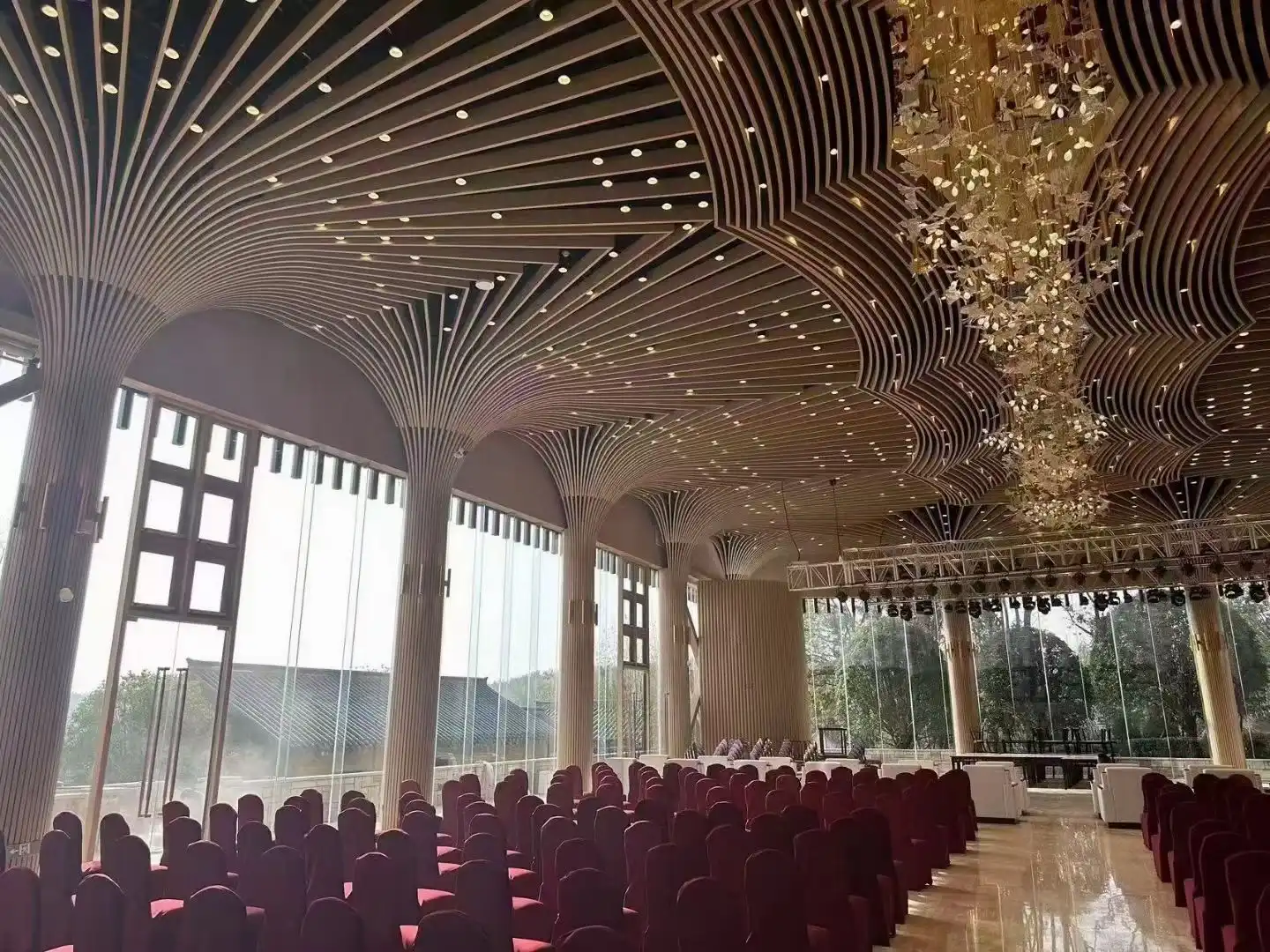
The technical specs of curved aluminum square cube shapes have a big effect on how the surface can be treated and how colors can be changed. Understanding these connections is important for getting the best performance and looks.
Alloy Selection Impact
This 6061-T6 aluminum metal is very strong and sticks to surfaces better than other alloys. This alloy's makeup works with all the main types of treatment and keeps the structure's strength during the making process. The T6 heat state keeps the dimensions stable while the metal is being shaped into a curve. The 6063-T5 aluminum metal is easier to shape for use with complex curves. This metal has great surface finish qualities, which make it perfect for artistic uses that need a high-end look. The lower strength is still good enough for most building uses, and it makes the materials easier to work with.
Manufacturing Process Considerations
During the folding process, CNC precision making technology keeps the surface quality high. Modern tooling methods keep surface marks to a minimum and make sure that the width of the material is the same around bent parts. This method of precision helps with applying high-quality surface treatments. Degreasing, etching, and conversion coating are some of the steps that are used in pre-treatment surface preparation methods. These steps make sure that the metal base and the treatments that are applied stick together perfectly. Quality control measures keep an eye on how clean the surface is and how well the preparation works throughout the whole production process. The three-axis rolling and precision soldering methods keep the structure strong and the surface in good shape. High-frequency welding methods reduce the number of heat-affected areas that could make it harder for treatments to stick. These improvements in manufacturing help keep the standard of treatment the same across complex shapes.
Quality Control Practices
Five-level quality checking methods keep an eye on the whole process, from the raw materials to the finished goods. Assessing the state of a surface involves measuring how rough it is, making sure it is clean, and looking at it. These thorough checks make sure that the level of care stays the same. Traceability tools keep track of where aluminum ingots come from and how they were processed in the past. This paperwork helps with quality control and makes it easy to respond quickly to any quality curved aluminum square tube issues. Each shipment comes with a certificate of compliance, which gives buying workers peace of mind about the quality.
Procurement Considerations for Surface-Treated and Colored Curved Aluminum Square Tubes
When buying curved aluminum profiles from a business-to-business seller, you need to carefully consider the supplier's skills, quality processes, and shipping performance. Knowing about these things helps you choose the best provider and make sure the job goes well.
Supplier Capability Assessment
The review of manufacturing capacity looks at the skills of the tools, the amount of output, and the technical know-how. Suppliers who have CNC forming tools and automatic surface treatment lines can give you better quality and speed. Quality certifications like ISO9001, CE, and SGS show that a company is dedicated to doing the best job possible. Some of the technical support services that are available are design help, engineering advice, and installation instructions. When suppliers offer a wide range of expert services, projects are less complicated, and the best results are achieved. This guidance is particularly helpful for complicated curved tasks that need expert knowledge. Color matches, special finishes, and custom shapes are all examples of customization options. Suppliers who have their own color labs and can make unique tools are more flexible and quick to respond. These skills allow for unique design solutions and set you apart from competitors.
Cost Analysis and Value Optimization
Some of the benefits of buying in bulk are big savings and priority scheduling. For big projects, specialized production runs and better planning are very helpful. Different surface styles are priced based on how complicated they are and how much they are worth. A lifecycle cost study looks at the original costs of materials, the costs of installation, and the upkeep that needs to be done. High-quality treatments cost more up front, but they are worth it in the long run because they require less upkeep and last longer. This study shows how good investments are for the economy. Comparing aluminum to other materials shows how it is better than carbon steel, stainless steel, and hybrid materials. For most building uses, aluminum's resistance to rust, lighter weight, and ability to be recycled make it a great choice.
Supply Chain Management
For lead time management to work, there needs to be clear communication about delivery standards and production plans. Longer lead times are usually needed for complex treatments and unique colors, so it's important to start planning early. Standard setups can have shorter lead times if the supplier has supplies. Minimum order amounts depend on how complicated the process is and how much customization is needed. Standard colors and finishes usually have lower minimums, while unique specs need larger amounts to be cost-effective. Understanding these needs is important for planning a job well. Protocols for quality assurance include ways to check goods as they come in and ways to audit suppliers. These steps make sure that the quality is always the same and lower the project's risk. Quality ratings and performance metrics for suppliers help with ongoing partnerships and choices about what to buy in the future.
Best Practices and Future Trends in Surface Treatment and Color Customization
As technology improves and people become more aware of the environment, the aluminum cleaning business continues to change. Knowing about these trends helps you make smart decisions and stay ahead of the competition.
Emerging Technology Innovations
Eco-friendly coating methods keep up performance standards while having less of an effect on the earth. Powder coatings and water-based methods get rid of volatile organic chemicals, which helps green building efforts. These technologies align with sustainability goals while providing great performance. Digital finishing technologies make it possible to use complicated images and patterns that weren't possible with older methods. UV-cured digital paints last a long time and let you make a lot of different designs. Through the use of curved aluminum square tubes, these features help with building artistry and unique brand expression. In smart covering technologies, there are more functions than just security and looks. New options include surfaces that clean themselves, antibacterial properties, and temperature-responsive properties. These new ideas make it easier to use existing technologies in new ways and give value to certain market groups.
Sustainability and Compliance Factors
RoHS compliance makes sure that goods sold around the curved aluminum square tube world meet safety rules for the environment. This license encourages green building practices and limits the use of certain substances. Compliance paperwork makes it easier for governments and foreign projects to get approved.REACH registration takes care of rules about chemical safety and protecting the environment. This thorough set of rules makes sure that products are used safely and are safe for the world. Following these rules shows that you care about the world and can get into new markets. The ability to recycle helps the circular economy and aims to reduce waste. Aluminum can be recycled over and over again, which is good for the environment and saves money. Programs for recovering end-of-life materials make the best use of resources and have the least effect on the earth.
Strategic Implementation Recommendations
To find the right balance between looks, usefulness, and cost, you need to look at the project's needs and long-term goals in great detail. This study should look at the original prices, the need for maintenance, and when to replace the items. A good investment usually gives you more value over time by lowering the costs over its whole life. Cleaning methods, inspection plans, and repair methods should all be spelled out in maintenance guidelines. Maintaining an object properly throughout its lifecycle increases its useful life and keeps it looking good. Training programs make sure that people who work in repair know how to take care of things properly. Performance tracking tools keep track of how long colors last, how the surface looks, and how strong the structure is over time. This information helps with planning care and backs up choices about which treatments to use. Long-term success data lets specifications and source choices keep getting better.
Conclusion
Advanced production technology, materials science, and architectural design creativity have come together to create curved aluminum square tube profiles with a wide range of color and surface treatment options. With a wide range of treatment choices, such as anodizing, powder coating, and fluorocarbon systems, and the ability to change the color in a lot of ways, these profiles work exceptionally well in a wide range of situations. The technical specifications, quality control systems, and manufacturing methods make sure that the results are always the same, even when the shapes are complicated or the environment is tough. To get the most out of a job and make sure it lasts, procurement pros should know what suppliers can do, how to save money, and what the newest trends are in environmentally friendly coatings.
FAQ
1. What surface treatment options work best for outdoor curved aluminum applications?
When used outside, fluorocarbon protection methods work best because they are more resistant to UV light and weather. The three-coat fluorocarbon method protects the surface and keeps the color true for decades. Anodizing also works great outside because it protects against rust and lasts a long time while keeping the natural look of metal.
2. How does the curved forming process affect surface treatment quality?
During the folding process, CNC precision forming technology keeps the surface's structure. Modern tooling methods keep surface marks to a minimum and make sure that the width of the material is the same around bent parts. Pre-treatment surface preparation methods take care of any surface issues that might affect making. This makes sure that the treatment sticks well and works well.
3. What color matching accuracy can be achieved for brand-specific requirements?
Professional color matching tools make sure that company colors are accurately reproduced as long as the Delta E value is less than 1.0. The RAL and Pantone color sets give uniform guides for reproduction. With thorough color review processes, custom color creation services can meet the specific needs of each brand.
4. What quality certifications should procurement professionals require?
ISO9001 for quality control systems, CE marking for European compliance, and SGS testing proof are all important certificates. RoHS and REACH approvals take care of safety and environmental issues, while AAMA 611 compliance makes sure that building performance standards are met. Each package should come with a material test proof.
5. How do maintenance requirements differ between treatment types?
Anodized surfaces don't need much care other than being cleaned with light soaps on a frequent basis. Powder-coated surfaces should be checked and touched up every so often, especially in places that get a lot of use. Fluorocarbon surfaces look great as long as they are cleaned regularly and last a very long time in harsh settings.
Partner with Zhongchuang for Premium Curved Aluminum Solutions
Architects and project managers looking for the best curved aluminum square tube solutions will find unmatched industrial quality and experience at Zhongchuang. Our wide range of surface treatment options, such as fluorocarbon three-coating systems and precision powder coating, along with our many color customization options that meet RAL and Pantone standards, ensures that commercial buildings, transportation hubs, and landmark architectural projects get the best results possible. Our dedication to CNC precise forming and full technical support, along with our ISO9001, CE, and SGS certifications, makes us a trusted partner for your most difficult projects. Get in touch with [email protected] to talk about your project needs and find out why Zhongchuang is the curved aluminum square tube provider that builders trust for creative building solutions.
References
1. Aluminum Association Standards for Architectural Applications in Curved Profile Manufacturing. Technical Publication Series, 2023.
2. International Building Code Requirements for Aluminum Surface Treatments in Commercial Construction. Code Development Committee, 2024.
3. AAMA 611-14 Voluntary Specification for Anodized Architectural Aluminum. American Architectural Manufacturers Association, 2022.
4. Surface Treatment Technologies for Curved Aluminum Profiles in Modern Architecture. Journal of Materials Engineering, 2023.
5. Color Retention Performance Analysis of Architectural Aluminum Coatings Under Accelerated Weathering Conditions. Materials Science Research Institute, 2024.
6. Procurement Best Practices for Curved Aluminum Components in Large-Scale Construction Projects. Construction Management Quarterly, 2023.