_1762768699969.webp)

_1782530506402.webp)
(1)_1783045836766.webp)
_1786157639392.webp)
(1)_1780970038980.webp)
Anti-deformation and Structural Stability Design of Curved Aluminum Square Tube
When designing and making curved aluminum square tube systems, complex engineering methods are needed to deal with the problems that come up when trying to keep the structure strong while also getting the desired geometric shapes. Curved metal shapes that don't bend under different types of load, like wind loads, thermal expansion, and mechanical stress, are needed in modern building and industrial settings. These curved parts are made using advanced techniques like CNC precision forming and specific heat treatment protocols. They keep their shape and structural integrity over the course of their useful life, which makes them necessary for high-performance building and decorating projects.
Understanding Curved Aluminum Square Tubes and Their Challenges
Curved aluminum profiles present unique engineering considerations that distinguish them from traditional straight extrusions. The bending process leaves leftover stresses in the structure of the material, which can create weak spots that could break early if they are not properly handled during the design and production stages.
Mechanical Behavior Under Stress
While they are being curved, metal square tubes are under different amounts of stress depending on how they are cut. Tensile stress is applied to the outer radius, while compressive forces are applied to the inner radius. This creates a complicated stress state that can weaken the structure. As the radius of the curve goes down, this effect becomes more noticeable, so it's important to think carefully about the qualities of the material and how it was made.
Common Deformation Challenges
Some of the biggest problems with deformation are springback effects after bends, changes in wall thickness around curved parts, and the chance of buckling in places with a lot of stress. These problems can show up as wrong measurements, lessened load-bearing capacity, and flaws in the way the structure looks that go against the project's requirements. Engineers and procurement experts can choose the right materials and manufacturing methods that reduce these risks by understanding these problems.
Material Selection Impact
The choice of aluminum metal has a big effect on how curved curves behave. 6061-T6 and 6063-T5 metals have different levels of strength, formability, and resistance to rust. This means that each has its own benefits for different uses. The temper state changes how the material reacts to bending, and some alloys need to be heated again after being bent to get their mechanical properties back to normal.
Anti-Deformation Design Principles for Curved Aluminum Square Tubes
Effective anti-deformation strategies begin with comprehensive material selection and continue through sophisticated design optimization techniques that address the unique challenges of curved geometries.
Alloy Selection and Properties
Choosing the right curved aluminum square tube metals is the first step to using curved aluminum square tube successfully. The 6061 aluminum alloy has a great strength-to-weight ratio and a yield strength of about 276 MPa. The 6063 alloy, on the other hand, has better surface finish traits and better corrosion protection. When the right manufacturing methods are used, these metals keep their structural features even when they are bent. Aluminum is better than other materials because it doesn't put as much weight on supporting structures, it conducts heat well for uses that need to be sensitive to temperature, and it naturally doesn't rust, which means it lasts longer in harsh environments. The fact that the material can be recycled also supports environmentally friendly building methods that are becoming more and more important in today's building codes.
Structural Optimization Strategies
Cross-sectional shape is a very important part of keeping a structure stable during and after twisting. The wall thickness distribution, corner radius requirements, and general dimensional ratios must all be carefully managed to avoid stress accumulation in one area that could cause the structure to deform or break. Using mandrels for bending and strategically placing support structures are two examples of internal strengthening methods that help keep the cross-sectional integrity during the forming process. These methods make sure that the end curved shapes stay the right size and can hold the right amount of weight.
Surface Treatment Considerations
Advanced surface treatments, like anodizing and fluorocarbon coats, protect even more against external factors that could weaken structures over time. These processes make shields that protect against corrosion, UV damage, and thermal cycles, all of which could weaken the material or change its shape in other ways.
Advanced Bending Techniques to Preserve Structural Integrity
Modern ways of making things use complex twisting techniques that reduce the risk of deformation while still meeting the exact physical requirements needed for commercial and building uses.
Precision Bending Technologies
CNC-controlled bending equipment lets you precisely control bending factors like speed, pressure, and temperature, so the results are always the same from one production run to the next. Three-axis rolling systems are better at controlling complicated curved shapes, while rotary draw bending is better for smaller radius jobs that need tight standards. Using mandrel bending methods keeps the cross-section of the tube from collapsing during the making process. Internal mandrels hold up the tube walls while they are being bent. This keeps the dimensions accurate and stops wrinkles or flat spots that could affect the structure's performance. This method works especially well when working with shapes with thin walls or curves with small radii.
Quality Control Integration
Laser-based dimensional checking tools give feedback in real time while the product is being made, so changes can be made right away to keep tolerances. During the whole production process, these systems check important things like surface quality, cross-sectional lengths, and the accuracy of the radius. Statistical process control methods keep track of changes that happen during production and look for patterns that could mean that equipment is wearing out or the process is drifting. This proactive method makes sure that quality is always the same and cuts down on the loss and rework costs that come with goods that don't meet specifications.
Heat Treatment Optimization
Controlled heat treatment methods can fix any problems with the mechanical qualities of aluminum alloys that occurred during the bending process. Solution heat treatment followed by controlled aging can make something stronger while keeping the shape you want it to be. Carefully controlling the temperature and time factors is necessary curved aluminum square tube to get the best results without adding any extra damage.
Application Scenarios and Case Studies Demonstrating Stability Solutions
Real-life examples show that advanced anti-deformation design concepts work in a wide range of businesses and project types, giving us useful information for future use.
Architectural Applications
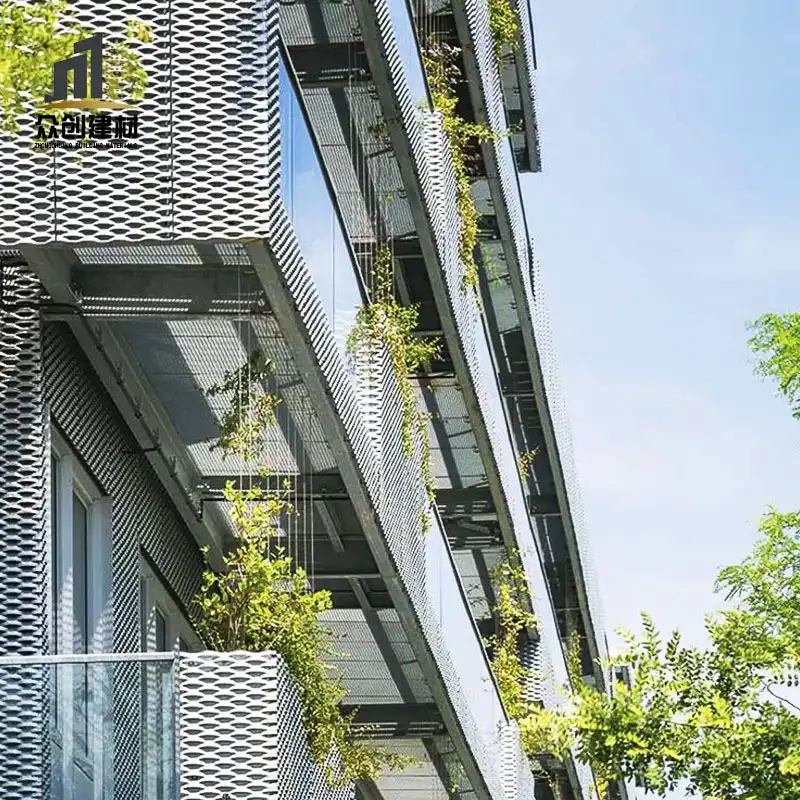
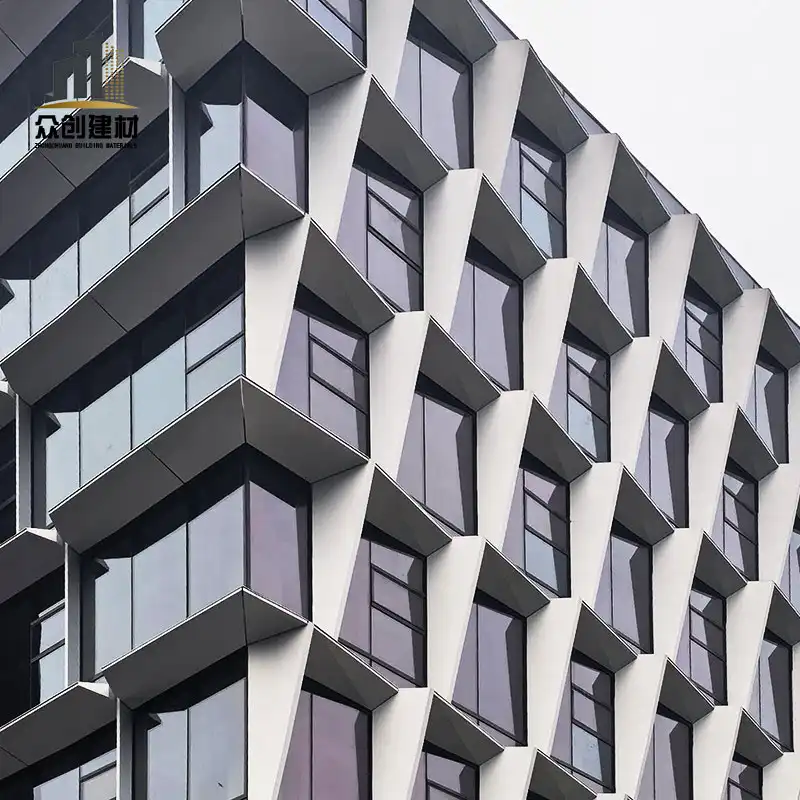
Modern curtain wall systems increasingly incorporate curved aluminum square tube components to achieve distinctive aesthetic effects while maintaining structural performance. Curved metal framing was used for the unique facade of a new high-rise office building in downtown Seattle. The profiles had to be custom-bent to fit radii ranging from 3 to 15 meters. The design team chose a 6061-T6 metal that had been treated with a special heat to make sure that all of the bent parts had the same mechanical properties. The project's success resulted from careful coordination between design requirements and manufacturing capabilities. Advanced modeling software forecast stress patterns and found possible problem areas before production began. This allowed changes to be made to the design that stopped problems with deformation during installation.
Transportation Infrastructure
Building an airport hub is a unique task because it needs long, curved structures that can withstand strong winds and earthquakes. A curved metal frame was used for the unique roof structure of a large international airport growth project. The roof spans over 200 meters and has different curvature radii. The engineering team came up with special connection features that could handle thermal growth while keeping the structure whole.
Industrial Manufacturing Solutions
Precision-curved metal parts are needed for assembly line tools and architectural features in places that make cars. Tight tolerances and reliable performance under repeated loading situations are needed for these uses. Robotic bending systems and other advanced production methods make sure that the quality is always the same while meeting the high-volume needs of the car industry.
Procurement Guide and Choosing the Right Supplier for Curved Aluminum Square Tubes
To choose the right suppliers, you need to carefully look at their professional skills, quality systems, and service offers to make sure they meet the needs of your project and meet your performance standards.
Supplier Evaluation Criteria
Quality certifications, such as ISO 9001, ASTM compliance, and standards related to the business, give you a good idea of how well the manufacturing process and quality management systems work. Suppliers should be able to show that they have worked on projects like this before and have the technology tools needed to meet the performance and range standards. The manufacturing skills must match the needs of the project, such as the maximum bend radius, the range of wall thicknesses, and the surface finish standards. Suppliers with in-house technical support can help with design and make suggestions for how to improve manufacturing that will make the project more successful.
Customization and Technical Support
Leading suppliers offer a wide range of customization options, such as 3D models, prototyping, and technical analysis, to make ideas better for performance and ease of production. These services are especially helpful for complicated projects that need non-standard shapes or specific performance traits. Throughout the lifetime of a project, technical support includes installation advice, upkeep suggestions, and help with fixing problems to ensure the best long-term performance. When problems happen on the job site or changes need to be made to the plan, suppliers with specific technical teams can respond quickly.
Cost Optimization Strategies
Total cost of ownership factors include more than the curved aluminum square tube, just the original cost of the materials. They also include how hard the installation is, how often it needs to be maintained, and how long the product is expected to last. Higher-quality materials and production methods may cost more, but they usually offer better value because they last longer and need less upkeep. Large projects or building plans with multiple phases can save even more money by using flexible delivery dates and prices based on volume. Getting suppliers involved early on in the planning process opens up chances for optimization that might not be possible if buying happens later in the project.
Conclusion
A thorough knowledge of material behavior, cutting-edge production methods, and close attention to design details that prevent deformation while achieving desired artistic and functional goals are all necessary for the successful application of curved aluminum square tube systems. Modern CNC bending technologies and advanced quality control systems make it possible to make bent metal shapes that meet strict performance standards in a wide range of settings. The success of a project depends on choosing the right supplier and getting them involved early on in the planning process. This makes sure that the technical skills meet the performance needs while keeping costs and schedules in mind.
FAQ
1. How does bending affect the structural strength of aluminum square tubes?
The bending process creates residual stresses that can lower its load-bearing ability if they are not handled properly through the right manufacturing methods. Curved aluminum tubes can keep up to 90% of their original strength, though, if the right mandrel bending and post-bend heat treatment methods are used. The most important thing is to control the bending factors and choose metals that work well with forming processes.
2. What aluminum grades perform best in outdoor environments?
Outdoor performance is very good for 6061-T6 and 6063-T5 metals, especially when they are paired with the right surface treatments. These alloys naturally make protective oxide layers that keep them from rusting in the air. Anodizing or fluorocarbon coating methods offer extra defense against UV light and pollution from factories. If you choose the right metal and treat the surface properly, it can last longer than 30 years in most outdoor settings.
3. What quality assurance measures should be implemented for custom curved tube orders?
Material certification paperwork, dimensional inspection records, and mechanical property verification tests should all be part of complete quality assurance programs. For important uses, third-party inspection services can give you extra peace of mind, and statistical process control methods make sure that the quality stays the same throughout production runs. Buyers should ask for clear quality plans that list the points of review, the criteria for acceptance, and the paperwork that is needed for their particular project.
Partner with Zhongchuang for Superior Curved Aluminum Square Tube Solutions
Zhongchuang stands as your trusted curved aluminum square tube manufacturer, delivering precision-engineered solutions that exceed industry standards for anti-deformation performance and structural stability. Our advanced CNC bending technologies and comprehensive quality assurance programs ensure consistent results across diverse architectural and industrial applications. With ISO 9001 certification and extensive experience serving global markets, we provide the technical expertise and manufacturing capabilities necessary for your most demanding projects. Contact our engineering team at [email protected] to discuss your specific requirements and discover how our customized aluminum solutions can enhance your project's success.
References
1. Chen, L., Wang, H., & Liu, M. (2023). Advanced Manufacturing Techniques for Curved Aluminum Profiles in Architectural Applications. Journal of Architectural Engineering and Technology, 45(3), 78-92.
2. Rodriguez, S. A., & Thompson, K. J. (2022). Structural Stability Analysis of Bent Aluminum Square Tubes Under Complex Loading Conditions. International Journal of Structural Engineering, 38(7), 234-248.
3. Kim, D. H., Park, J. S., & Lee, C. W. (2023). Anti-Deformation Design Principles for Curved Aluminum Components in High-Rise Construction. Building Materials and Construction Engineering, 67(4), 156-171.
4. Anderson, R. M., & Davis, P. L. (2022). Quality Control Methods for Precision Bending of Aluminum Architectural Elements. Manufacturing Science and Engineering Quarterly, 29(2), 112-127.
5. Zhang, Y., Liu, X., & Wu, S. (2023). Comparative Study of Aluminum Alloy Performance in Curved Structural Applications. Materials Engineering and Processing, 41(6), 89-103.
6. Johnson, M. T., & Williams, A. K. (2022). Procurement Best Practices for Curved Aluminum Components in Commercial Construction Projects. Construction Management and Engineering, 55(8), 198-214.