_1762768699969.webp)

_1782530506402.webp)
(1)_1783045836766.webp)
_1786157639392.webp)
(1)_1780970038980.webp)
Anodized vs Powder Coated Aluminum Honeycomb Panels
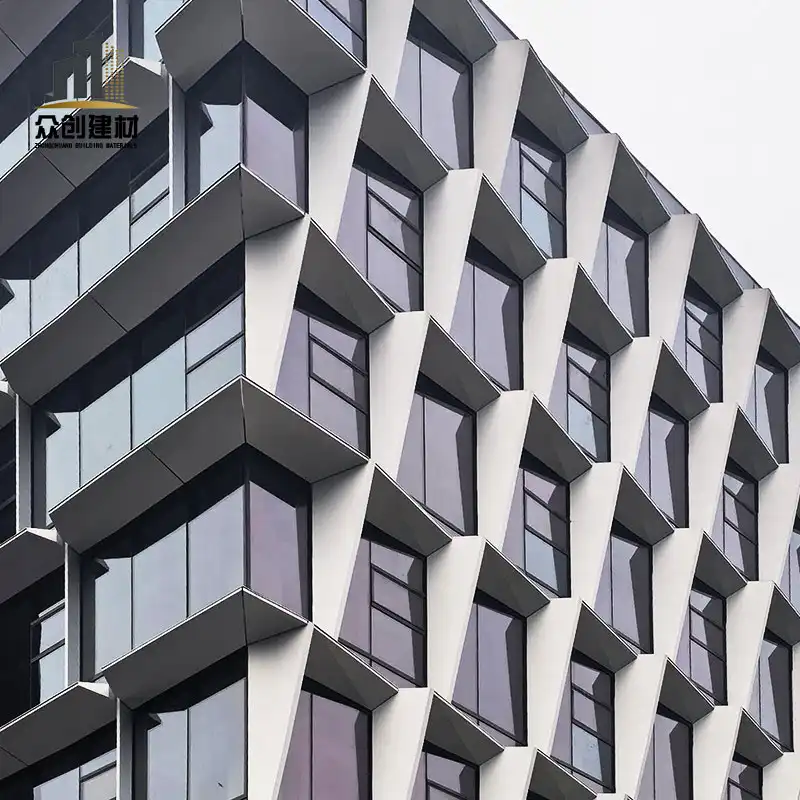
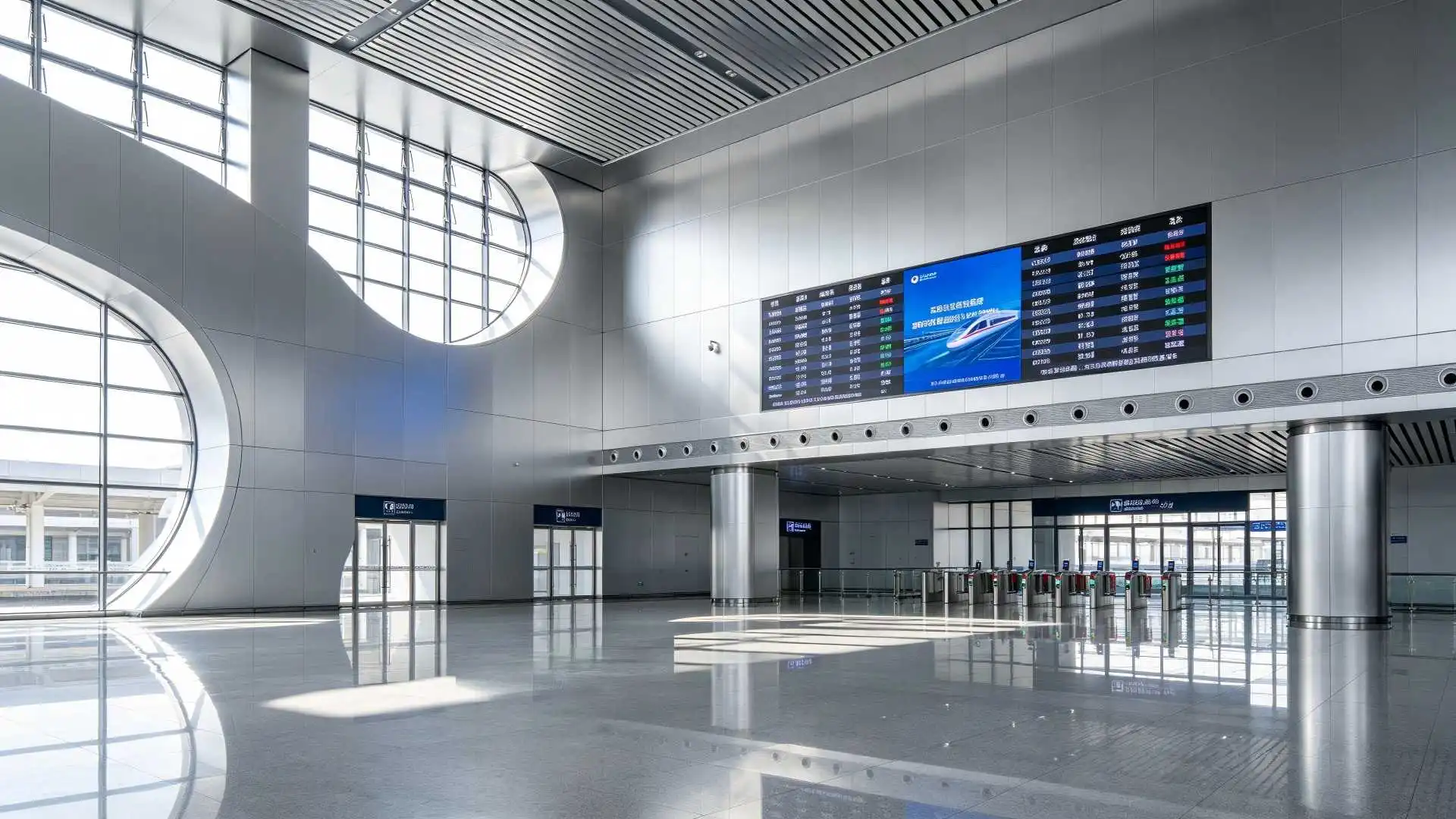
When sourcing aluminum honeycomb panels for facade and ceiling projects, many buyers struggle to distinguish between anodized and powder coated options. While they may appear similar at first glance, these two products have significant differences in surface treatment, durability, environmental impact, and suitable applications. Understanding these differences is critical to avoiding costly post-construction issues such as fading, peeling, and premature replacement.
1. Fundamental Difference in Surface Formation
The most critical distinction lies in how the surface layer is created:
- Anodized aluminum honeycomb panels: The protective surface layer is formed from the aluminum substrate itself via an electrochemical reaction in an electrolyte solution. This oxide layer is chemically bonded to the base metal, creating a permanent, integral surface that cannot peel or chip.
- Powder coated aluminum honeycomb panels: A layer of dry powder paint is electrostatically applied to the aluminum surface and then cured with heat. This creates a physical bond between the paint and the metal, which can break down over time when exposed to UV radiation, moisture, and salt.
2. Durability & Performance Comparison
| Performance Aspect | Anodized Aluminum Honeycomb | Powder Coated Aluminum Honeycomb |
|---|---|---|
| Surface Hardness | 9H (pencil hardness) | 2H (pencil hardness) |
| Scratch Resistance | Excellent | Poor |
| Outdoor Service Life | 20+ years | 5–8 years (3 years in coastal areas) |
| Corrosion Resistance | Excellent | Moderate |
| Color Stability | Excellent (minimal fading) | Good (gradual fading over time) |
| Maintenance Requirements | Very low (rain self-cleaning) | Moderate (regular cleaning required) |
3. Environmental & Regulatory Considerations
- Anodized aluminum honeycomb panels: The anodizing process produces zero VOCs and uses no harmful solvents. This makes the product compliant with the strictest global green building standards, including LEED and BREEAM, and allows for unrestricted export to all countries.
- Powder coated aluminum honeycomb panels: While modern powder coatings are more environmentally friendly than liquid paints, they still release small amounts of VOCs during the curing process. Some countries have imposed restrictions on the use of certain powder coatings for exterior applications due to environmental concerns.
4. Practical Selection Guidelines
-
Choose anodized aluminum honeycomb panels if:
- Your project is located in a coastal or high-humidity area
- You require a long service life with minimal maintenance
- The project needs to meet green building certification standards
- You are exporting to countries with strict environmental regulations
- The application is in a high-traffic public area
-
Choose powder coated aluminum honeycomb panels if:
- Your project is located in a dry, inland area
- You require a wider range of color options
- Budget is the primary consideration
- The application is for interior use only
Conclusion
Anodized aluminum honeycomb panels offer superior durability, weather resistance, and environmental performance compared to powder coated alternatives, making them the ideal choice for high-end exterior and heavy-use interior projects. While powder coated panels may be more cost-effective for certain interior applications, anodized panels provide significantly better long-term value, especially in challenging climates.