_1762768699969.webp)

_1782530506402.webp)
(1)_1783045836766.webp)
_1786157639392.webp)
(1)_1780970038980.webp)
Perforated Woven Aluminum Panel: Complete Guide to Technology, Selection & 2026 Design Trends
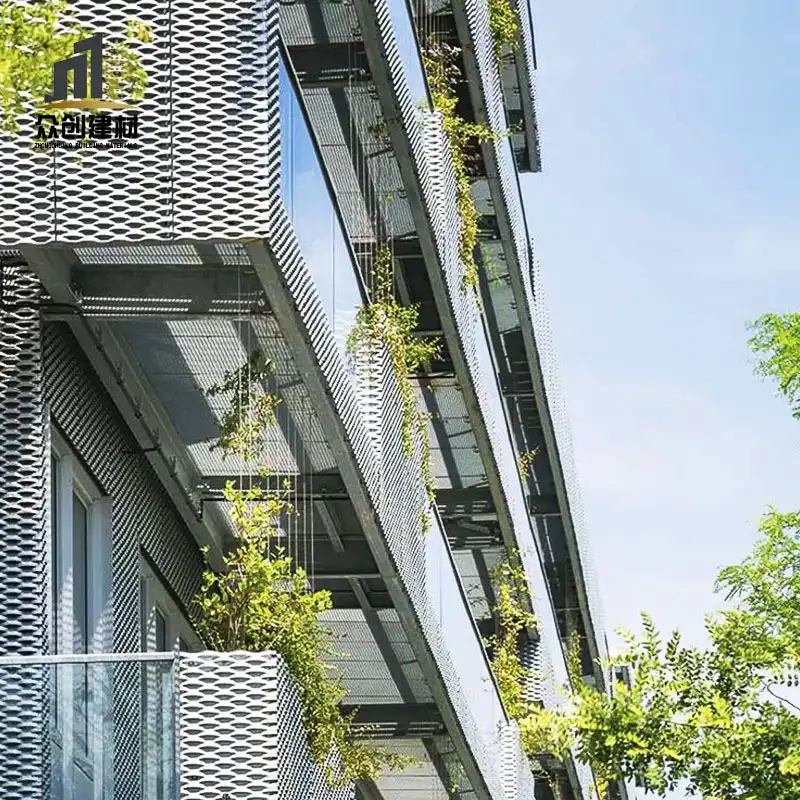
In recent years, perforated woven aluminum panels have emerged as one of the most popular decorative materials in modern architecture. Their unique combination of aesthetic appeal, functional performance and design flexibility has made them the preferred choice for architects and designers worldwide.
This comprehensive guide explores the core manufacturing technologies of woven aluminum panels, compares them with other decorative materials, provides professional selection criteria, and analyzes the latest design trends for 2026 and beyond.
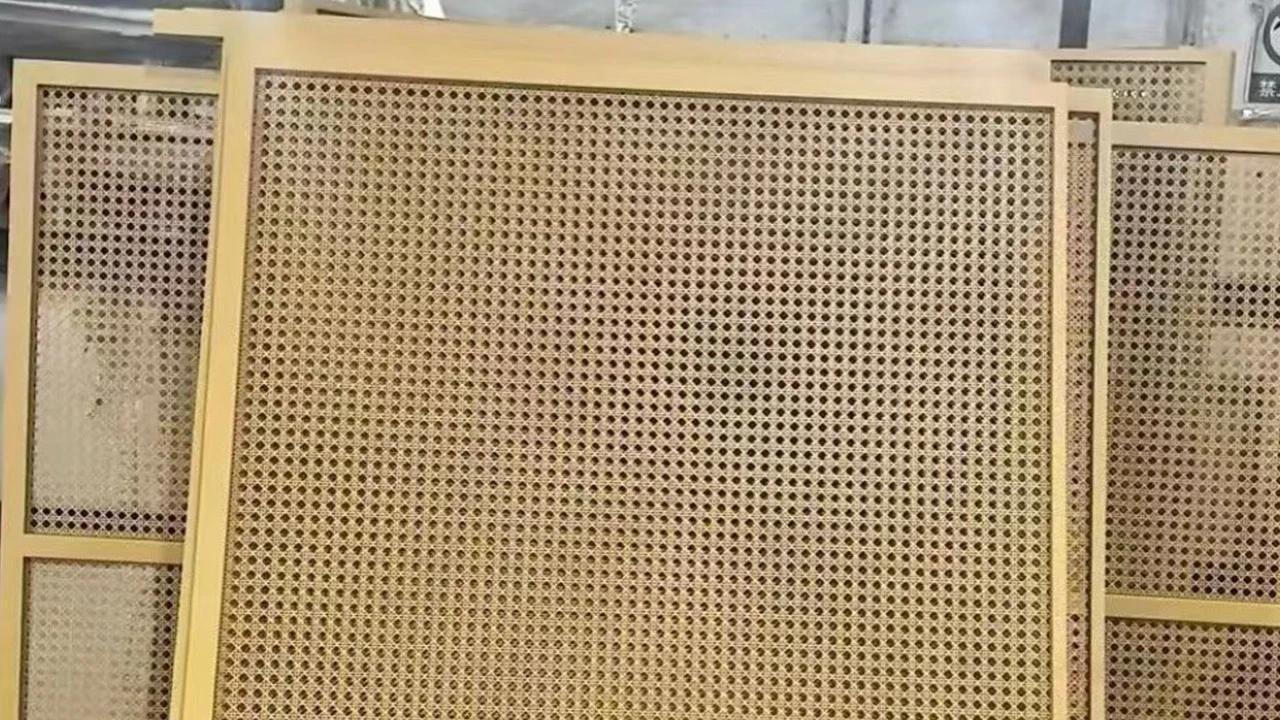
1. Core Manufacturing Technologies
There are three main technologies used to manufacture perforated woven aluminum panels:
-
CNC Punching Technology The most widely used technology for woven aluminum panels. Uses computer-controlled punching machines to create precise holes in the aluminum sheet. Can produce a wide range of patterns with high accuracy and consistency. Suitable for both small and large production runs.
-
Laser Cutting Technology Uses high-power laser beams to cut intricate patterns into the aluminum sheet. Offers the highest level of precision and can create extremely complex and detailed designs. Ideal for custom artistic patterns and small-batch production.
-
Water Jet Cutting Technology Uses a high-pressure stream of water mixed with abrasive particles to cut the aluminum sheet. Can cut thicker materials and produce clean, burr-free edges. Suitable for special applications requiring high precision and no heat distortion.
2. Performance Comparison: Woven Aluminum vs Other Decorative Materials
| Performance Aspect | Woven Aluminum Panel | Solid Aluminum Panel | Glass Panel | Natural Rattan |
|---|---|---|---|---|
| Weight | 4-9 kg/m² | 6-12 kg/m² | 25-40 kg/m² | 2-5 kg/m² |
| Fire Rating | A1 Non-combustible | A1 Non-combustible | A1 Non-combustible | B Flammable |
| Weather Resistance | Excellent | Excellent | Good | Poor |
| Ventilation | Excellent | None | None | Good |
| Sun Shading | Good | Excellent | Poor | Good |
| Maintenance | Very low | Low | High | High |
| Design Flexibility | Excellent | Good | Limited | Limited |
| Service Life | 25+ years | 25+ years | 15-20 years | 3-5 years |
| Total Project Cost | Medium | Medium | High | Low |
As the table shows, woven aluminum panels offer the best balance of performance, aesthetics and cost, making them an ideal choice for a wide range of applications.
3. Professional Selection Guidelines
- Project Location: For coastal areas and industrial zones, select panels with marine-grade PVDF coating for enhanced corrosion resistance.
- Application Type: For building facades, use thicker panels (2.5mm+) with reinforced structures for improved wind resistance. For interior ceilings and partitions, thinner panels (1.5-2.0mm) are sufficient.
- Pattern Density: For areas requiring high privacy, choose patterns with higher hole density. For areas requiring maximum light transmission, choose patterns with lower hole density.
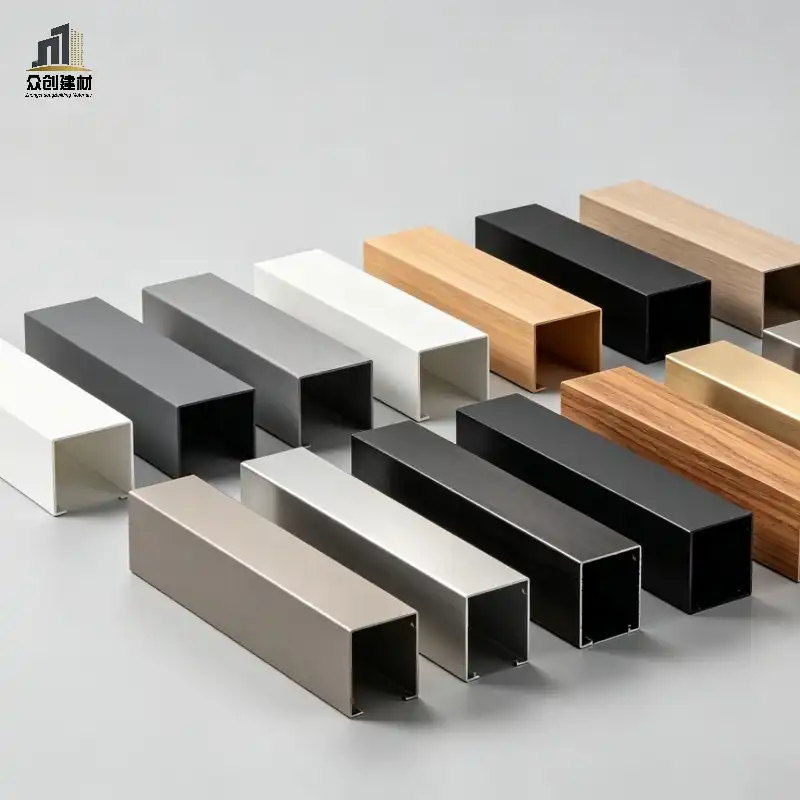
- Color Selection: For outdoor applications, choose light colors to reflect sunlight and reduce heat absorption. For interior applications, choose colors that complement the overall design scheme.
- Certifications: Ensure the panels meet international standards including EN 13501-1 for fire safety and ISO 105-B02 for color fastness.
4. Installation Best Practices
- Substructure Preparation: The supporting metal substructure must be properly designed and installed to ensure it can bear the weight of the panels and withstand wind loads.
- Panel Installation: Use a hidden fixing system to create a clean, seamless appearance. Ensure panels are properly aligned and leveled during installation.
- Expansion Joints: Reserve appropriate expansion joints between panels to accommodate thermal expansion and contraction of aluminum.
- Sealing: Use high-quality silicone sealant to seal joints and prevent water infiltration.
- Post-installation Protection: Cover finished panels with protective film during construction to prevent scratches and damage.
5. 2026 Industry Development Trends
-
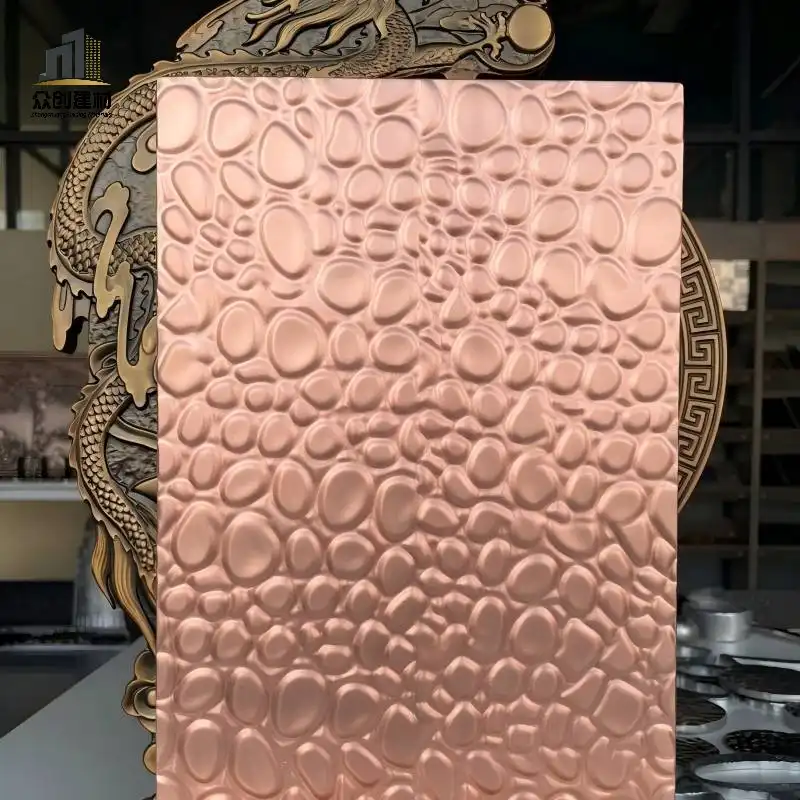
3D Woven Textures Architects are increasingly demanding three-dimensional woven textures that create more dynamic light and shadow effects. Manufacturers are developing new technologies to produce deeper, more intricate 3D patterns.
-
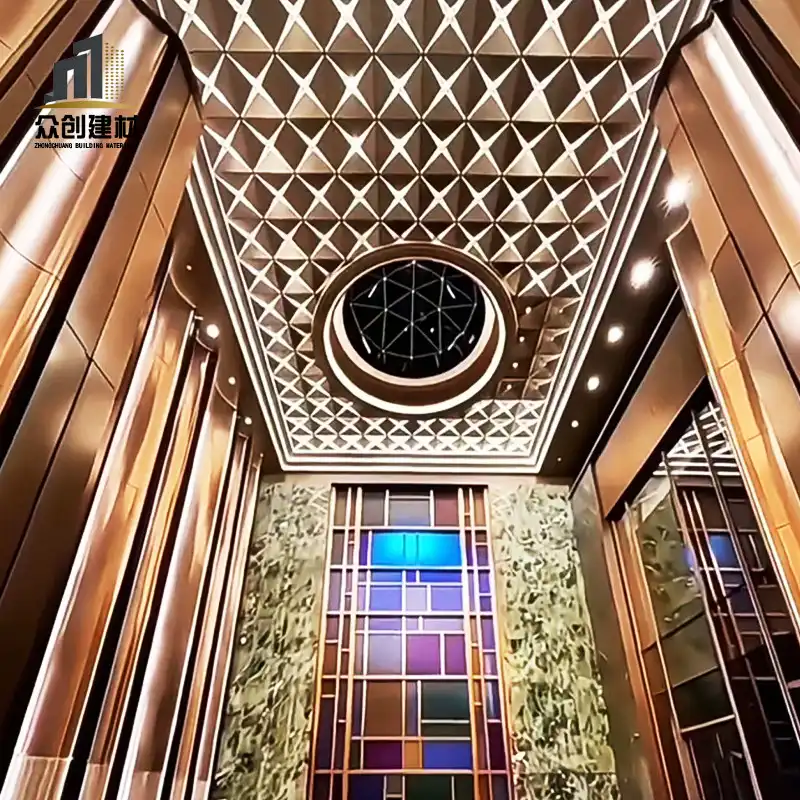
Custom Artistic Patterns Custom artistic patterns, including brand logos, murals and abstract designs, are becoming increasingly popular in commercial and public spaces. Digital design and manufacturing technologies are making custom patterns more accessible and affordable.
-
Integrated Functional Solutions Woven aluminum panels are being integrated with other building systems, including LED lighting, solar panels, acoustic insulation and ventilation systems, creating multi-functional building envelopes.
-
Sustainable Manufacturing The use of 100% recycled aluminum and low-VOC coatings is becoming standard. Manufacturers are also focusing on reducing energy consumption and waste in the production process.
-
Biophilic Design Integration Woven aluminum panels that mimic natural materials such as rattan, bamboo and wood are gaining popularity as part of the biophilic design trend, bringing the benefits of nature into built environments.
Conclusion
Perforated woven aluminum panels have revolutionized architectural decoration by offering a unique combination of aesthetic beauty, functional performance and design flexibility. As technology continues to advance and new design trends emerge, woven aluminum panels will play an increasingly important role in modern architecture. By understanding the technology, performance characteristics and selection criteria, architects and project managers can make informed decisions and create stunning, sustainable and functional buildings.