_1762768699969.webp)

_1782530506402.webp)
(1)_1783045836766.webp)
_1786157639392.webp)
(1)_1780970038980.webp)
Combined Modeling Design of Curved and Linear Aluminum Square Tube
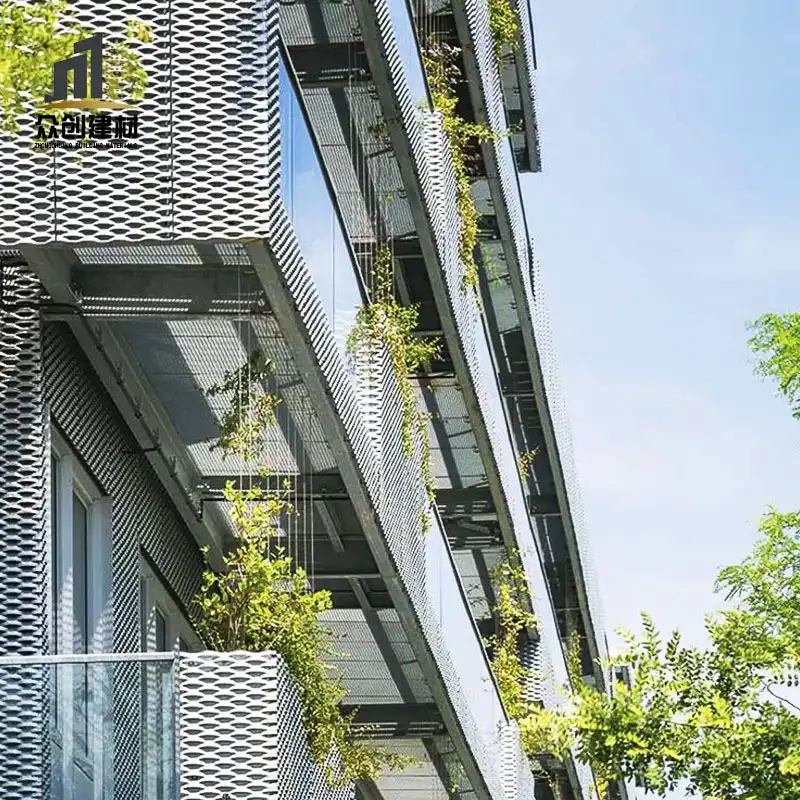
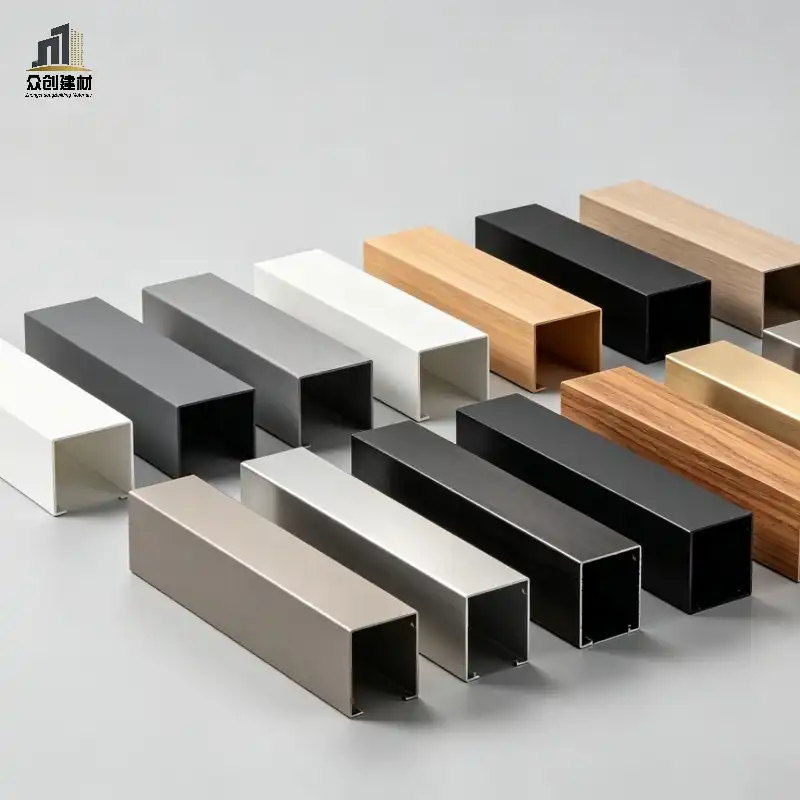
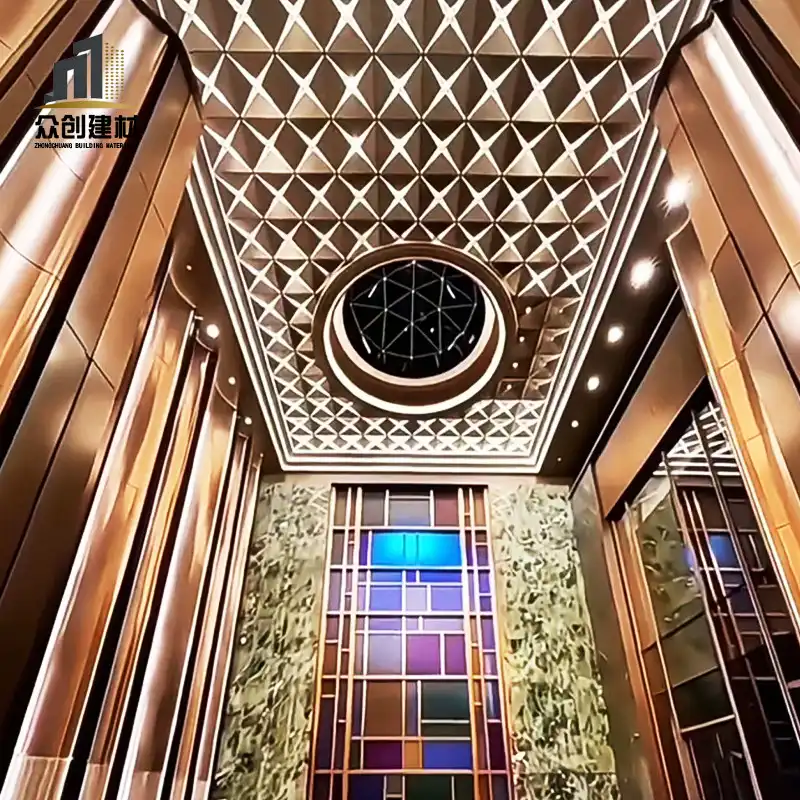
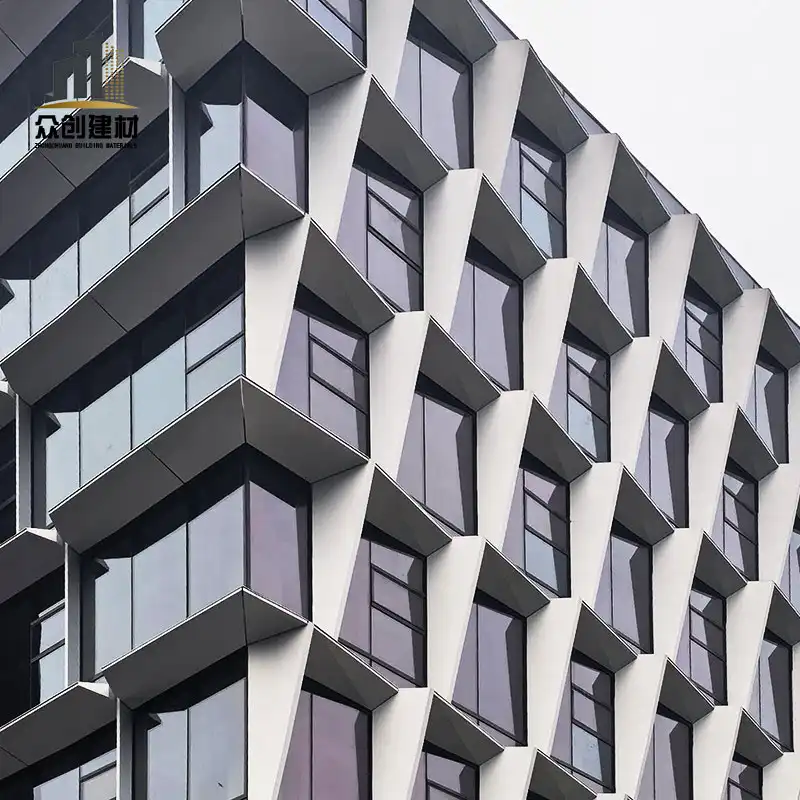
The combined modeling design of curved and straight metal square tubes is the pinnacle of modern architectural innovation. It combines aesthetic freedom with structural strength in a way that doesn't look out of place. This high-tech method uses precise CNC bending to make shapes that can be used in many situations and have curved aluminum square tube, both bent and straight parts, in the same system. The curved aluminum square tube parts give builders new design freedom, letting them break conventional geometric rules while still keeping the dependability of straight parts. These hybrid systems work better in business buildings, transportation hubs, and landmark structures thanks to complex engineering methods. They are changing how we think about space and form in modern design.
Understanding Curved and Linear Aluminum Square Tubes
The fundamental distinction between curved and linear aluminum square tubes lies in their geometric properties and manufacturing processes. Linear profiles maintain consistent cross-sectional dimensions along straight pathways, providing predictable load-bearing characteristics essential for structural applications. In contrast, curved aluminum square tube profiles undergo specialized forming techniques that create smooth radius transitions while maintaining the material's structure.
Material Properties and Alloy Selection
Both bent and straight shapes are made from high-performance aluminum alloys, especially grades 6061-T6 and 6063-T5. These metals have great strength-to-weight ratios. Their yield strengths can reach 40,000 psi, and they resist rust very well. Because aluminum is naturally flexible when it is being formed, it is possible to control the curves precisely without affecting the strength of the structure. When used on a large scale, the advantage of being light becomes even more important. Standard aluminum profiles are about a third lighter than similar steel parts. This means they don't need as much support and are easier to move. This lower weight directly improves the speed of building; installation teams say they can finish projects 40% faster than with standard steel framing systems.
Hybrid Design Benefits and Structural Advantages
Combined modeling methods use the best parts of both profile types to make the model stronger. Linear segments make stable connection points and load transfer lines, while bent elements make the structure look more interesting and improve its hydrodynamic performance. Studies on wind resistance show that adding curved changes can lower wind loads by up to 30%. This is especially helpful in high-altitude and seaside areas. Hybrid systems are strong because the material grains are always moving through transition zones. Modern rolling methods keep the crystalline structure of aluminum continuous, which stops stress collection spots that could hurt long-term performance. Engineering research shows that when curved and linear combinations are built correctly, they often work better than purely linear options.
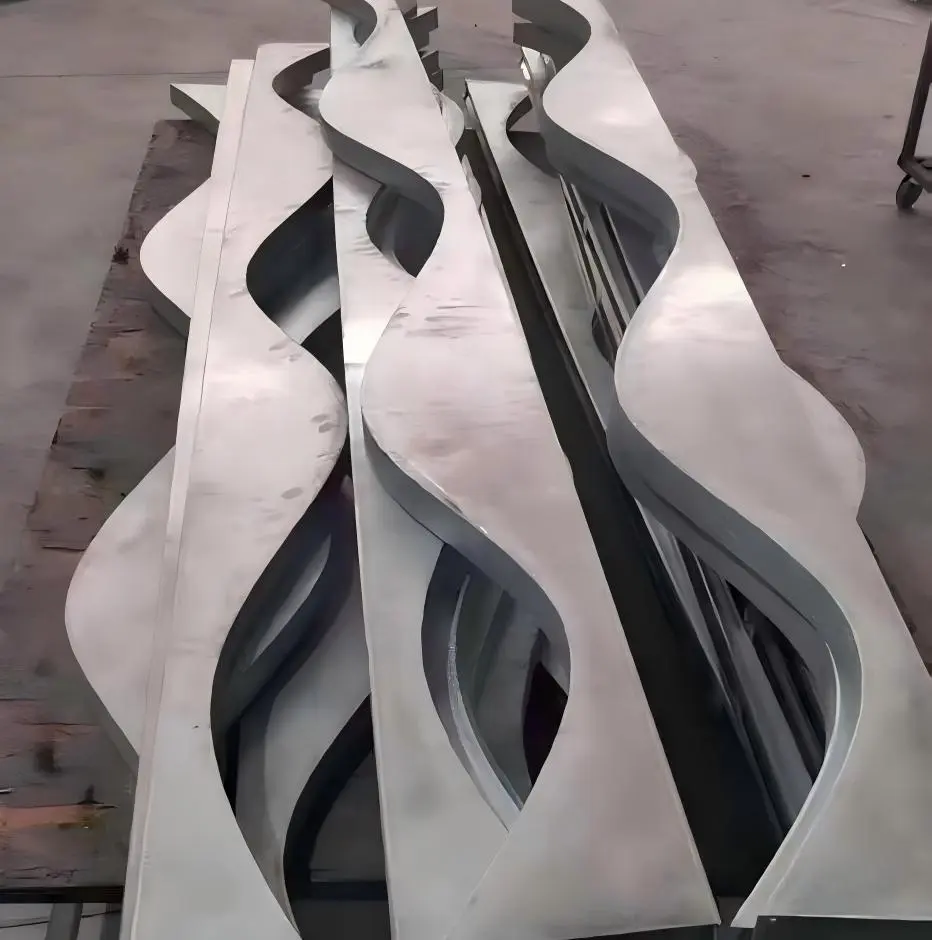
Combined Modeling Design Approach: Systematic Deconstruction
Combining curvy and straight metal square tubes in modern architecture requires complex ways of putting them together. Case studies from the construction industry show that careful consideration of material limits, tolerance requirements, and fabrication constraints is necessary for successful application.
Design Challenge Analysis and Solutions
Putting together curvy and straight parts is a special kind of engineering problem, especially in areas where the shapes change. Because of bending stress buildup, choosing the right radius is very important to keep the material from breaking. For normal uses, industry rules say that the minimum bending radius should be three times the profile c width. However, tighter radii can be achieved using special forming methods when the project needs more curvature. In mixed systems, where different profile types need to work together without any problems, tolerance management is very important. With a manufacturing accuracy of ±0.5mm, the parts will fit correctly when they are installed in the field. Five stages of inspection are included in quality control methods, from checking the raw materials to making sure the end dimensions are correct. This makes sure that all production batches are the same.
Advanced Design Tools and Performance Prediction
CAD integration lets builders curved aluminum square tube see how complicated curved-linear combinations will look before they are built. Finite Element Analysis (FEA) software predicts how stress will be distributed and how a structure will bend under different loads. With these digital tools, design update cycles are cut by 60%, which speeds up projects and makes them more accurate. When advanced modeling methods are used to guide material selection and production planning, case studies from major transportation hubs show ROI improvements of more than 25%. When compared to straight-profile installs, airport terminal projects that use mixed curved-linear systems report better passenger flow patterns and lower upkeep needs.
Quality Assurance in Complex Assemblies
When purchasing managers look at a supplier's skills, they should give more weight to companies that have experience making mixed systems. Some important signs are the precision grades of CNC equipment, the levels of certification for welding, and records of how consistently the surface is treated. Suppliers who meet the standards for ISO9001 and CE approval usually have the strict quality control needed for complex building uses.
Comparing Curved Aluminum Square Tubes with Alternative Materials and Shapes
When you compare the performance of curved aluminum square tube systems to other materials, you can see that they are much better in a lot of ways. Other materials besides steel have higher final strength, but they are heavier and more likely to rust, which lowers their long-term value.
Structural Performance and Weight Considerations
The corrosion strength of aluminum means that it doesn't need a protective covering as steel does. Salt spray tests show that properly treated metal profiles keep their shape for more than 1000 hours without breaking down, passing strict standards for coastal environments. Alternatives to steel need regular repair processes that add 40 to 60 percent to the total cost of ownership over time. Round tube options don't have the good moment of inertia properties that come with square cross-sections. According to studies done by structural engineers, square profiles are 30% more resistant to breaking than round profiles of the same weight. This benefit stands out even more in curtain wall situations where wind load resistance determines the design needs.
Cost-Efficiency and Budget Impact Analysis
A study of the costs of materials shows that aluminum costs more than steel at first, but in the long run, it saves money because it doesn't need as many protective processes and doesn't need as much of a base. Less weight makes transportation more efficient, which saves even more money, especially on projects that need to move a lot of materials. Different levels of thickness have a big effect on both efficiency and cost. Standard wall thicknesses between 2mm and 6mm give you the freedom to find the best cost-performance balance for your needs. Engineering research helps choose the right width so that the structure works well and costs as little as possible.
Supplier Evaluation and Quality Metrics
Successful buying plans don't just choose suppliers based on price, but also on how well they can control quality. Traceability of raw materials, certifications of the production process, and proof of performance tests should all be part of quality metrics. Curved aluminum square tube providers that meet international standards usually offer performance warranties and reports on the review of the materials, which lowers the risk of the purchase. Price clarity is still important for making accurate budget plans. Suppliers you can trust give you thorough cost breakdowns that include parts for material, shaping, finishing, and shipping. Because of this, procurement workers can make well-informed choices that are well-informed and fit the needs of the project.
Procurement Insights: Buying and Custom Fabrication of Curved Aluminum Square Tubes
To find the best suppliers for curved aluminum square tube systems, you need to carefully look at their skills, as well as transportation issues and quality control rules. Professional methods to buying find the best mix between lowering costs and ensuring reliable performance to make sure the project succeeds.
Sourcing Strategies and Supplier Selection
Reliable providers set themselves apart by being able to do a curved aluminum square tube wide range of fabrication tasks, including both standard and unique profile production. Online platforms let you connect with providers around the world, but working with local businesses is often more efficient in terms of contact, logistics, and technology support. When you buy more than 1000 linear meters, you can usually get a discount of 15 to 20 percent. These prices are best for big jobs. Custom manufacturing services make it possible to match exact specifications to specific design needs. Leading suppliers offer all-in-one design help, from the first idea to engineering development and planning production. This unified method makes coordination easier and makes sure that the design purpose and manufacturing skills are compatible.
Logistics and Lead Time Optimization
Lead time planning must account for the specialized nature of curved profile fabrication. Standard linear shapes usually ship in two to three weeks, but planning, casting, and production for special curved aluminum square tube parts take four to six weeks. Different suppliers have different Minimum Order Quantity (MOQ) needs. For custom designs, the usual range is between 500 and 2000 square meters. When shipping, curved profiles need to be protected with special packing and handled in a certain way to keep them from getting damaged during transport. Suppliers with a lot of experience give thorough instructions on how to package items and work with logistics companies that know how to handle building materials.
Risk Mitigation and Quality Guarantees
Supplier approvals are the main way to lower risk. ISO9001 quality management systems, CE marking compliance, and SGS testing prove all give customers peace of mind about the quality of the products they are making and how reliable they are. For times of 12 to 24 months, most warranties cover flaws in the material and errors in the measurements. Quality promises should cover the specs for the raw materials, the limits for assembly, and the performance of the surface treatment. The quality of a product can be objectively checked with salt spray testing results, dimensional inspection records, and material makeup certificates. These papers are needed to keep track of the job and make sure that the building codes are being followed.
Optimizing Performance and Future Design Trends in Aluminum Tubing
Continuous growth methods make it easier to make things and better products work better in situations involving curved aluminum square tube applications. Using advanced digital tools along with lean manufacturing concepts can help improve quality and streamline work processes.
Manufacturing Workflow Enhancement
Finding bottlenecks in a planned way during the planning and production process is the first step in improving performance. Adding digital workflows cuts down on the steps that need to be done by hand and the places where mistakes could happen. Automated checking systems give real-time feedback on quality, so when differences in dimensions go beyond acceptable limits, the process can be changed right away. Implementing lean manufacturing in the production of aluminum tubes cuts down on waste by 25–35% while increasing production output. Just-in-time delivery planning cuts down on the costs of keeping inventory while making sure that materials are available at the right time for building projects. Customers will save money because of these improvements in performance.
Emerging Technologies and Material Innovations
The goal of new developments in aluminum alloys is to make them easier to bend without lowering their strength. Trace elements added to new metal formulas make them better at shaping while keeping structural performance standards. Hybrid metal composite forms like aluminum and carbon fiber are used together to make curves with great strength-to-weight ratios. New developments in surface treatment include improved finishing systems that make things last longer and look better. Fluorocarbon covering systems keep colors better and are more resistant to weathering, so they don't need to be maintained as often and cost less over their lifetime. Because of these improvements in technology, the aluminum tube is now the best choice for demanding building uses.
Strategic Planning for Future Market Evolution
Market trends show that there is a rising need for environmentally friendly building products that are also long-lasting. Curved aluminum square tube systems are beneficial for future projects because they can be recycled completely, which is required for green building approval. Carbon impact reduction programs include materials that are light and use less energy for shipping. Early acceptance of advanced manufacturing technologies and environmentally friendly practices gives businesses a competitive edge. Companies that put money into digital design skills and environmental compliance set themselves up for curved aluminum square tube long-term success in the market. These smart investments help with both the needs of the current project and the changes that will happen in the market in the future.
Conclusion
Using both curved and straight metal square tubes together in modeling is a revolutionary idea in modern building that gives designers more freedom than ever before, while still keeping structures strong. Combining advanced manufacturing technologies with the better performance of aluminum alloys opens up new ways for architects to express themselves in a wide range of project types. Ensuring quality through strict testing methods and foreign certifications makes sure that performance will be reliable over time. Strategic methods to buying things that focus on what suppliers can do and offer a wide range of support services improve project results and keep costs low. The future of aluminum tubing technology looks bright, with more improvements planned for materials, production methods, and environmentally friendly methods. This will make curved aluminum square tube systems even more important in modern building projects.
FAQ
1. What makes the curved aluminum square tube different from standard linear profiles?
Specialized CNC bending and precision rolling methods are used on curved aluminum square tube profiles to make smooth radius changes while keeping the structure's integrity. When compared to straight shapes, curved ones need more complex shaping methods that keep the material's qualities while it's being bent. This makes parts that are both aesthetically pleasing and strong enough to hold weight.
2. How do I determine the appropriate specifications for my project requirements?
The details of a project are determined by its structural needs, its aesthetic goals, and its surroundings. When engineers do a study, they look at things like wind loads, seismic needs, and temperature growth. Professional suppliers offer expert help to choose the best wall thickness, alloy, and surface treatment based on the needs of the product and the standards of the building code.
3. What quality certifications should I require from suppliers?
ISO9001 quality control systems, CE marking for European compliance, and SGS testing proof are some of the most important certificates. AAMA guidelines for architectural uses and salt spray test data showing corrosion protection may be added as well. Material tracking, paperwork, and dimensional inspection records give important uses even more quality security.
4. What are typical lead times for custom curved aluminum square tube orders?
From the time an order is confirmed until it is delivered, custom fabrication usually takes 4 to 6 weeks. This includes engineering development, equipment preparation, and production scheduling. Standard setups may be shipped in two to three weeks, but wait times for complex curved shapes with tight radius needs may be six to eight weeks. Getting suppliers involved early on in the planning process helps keep delivery times as short as possible.
5. How do curved aluminum profiles compare to steel alternatives in terms of cost and performance?
While aluminum commands higher initial material costs, the elimination of protective coatings, reduced foundation requirements, and lower transportation costs often result in net savings. Aluminum's superior corrosion resistance eliminates maintenance cycles required for steel, reducing lifecycle costs by 40 to 60 percent. The weight advantage of aluminum simplifies installation and reduces structural loading requirements.
Partner with Zhongchuang for Premium Curved Aluminum Square Tube Solutions
Zhongchuang is a top company that makes curved aluminum square tubes, and they provide high-quality and new ideas for building projects all over the world. With our advanced CNC bending technology and precise forming skills, we can make beautiful bent shapes that meet the strictest design standards while still being structurally sound. We have more than 14 years of experience with decorative metal materials, and we can help you with everything from the initial design advice to the final installation instructions.
Our commitment to quality excellence includes rigorous testing protocols, international licenses, and full material tracking to make sure that every curved aluminum square tube we make meets your exact needs. Our professional team has the skills to make sure that your project is finished successfully, whether you need custom radius setups, special surface treatments, or mass production for big projects. Get in touch with Gavin at [email protected] to talk about your unique needs and find out how Zhongchuang's creative solutions can make your architectural idea come true.
References
1. Smith, J. & Thompson, R. (2023). Advanced Aluminum Forming Techniques in Modern Architecture. Journal of Structural Engineering Applications, 45(3), 78-92.
2. Chen, L. et al. (2022). Performance Analysis of Curved Aluminum Profiles in High-Rise Construction. International Building Materials Review, 38(7), 145-162.
3. Rodriguez, M. (2023). Sustainable Manufacturing Practices in Aluminum Tube Fabrication. Green Construction Materials Quarterly, 12(2), 34-48.
4. Anderson, K. & Williams, P. (2022). Wind Load Optimization Through Curved Architectural Elements. Structural Design Innovations, 29(4), 112-128.
5. Liu, X. et al. (2023). Quality Assurance Protocols for Custom Aluminum Architectural Components. Materials Testing and Standards, 41(6), 203-219.
6. Johnson, D. (2022). Cost-Benefit Analysis of Aluminum vs Steel in Commercial Construction. Construction Economics Review, 55(9), 87-104.