_1762768699969.webp)

_1782530506402.webp)
(1)_1783045836766.webp)
_1786157639392.webp)
(1)_1780970038980.webp)
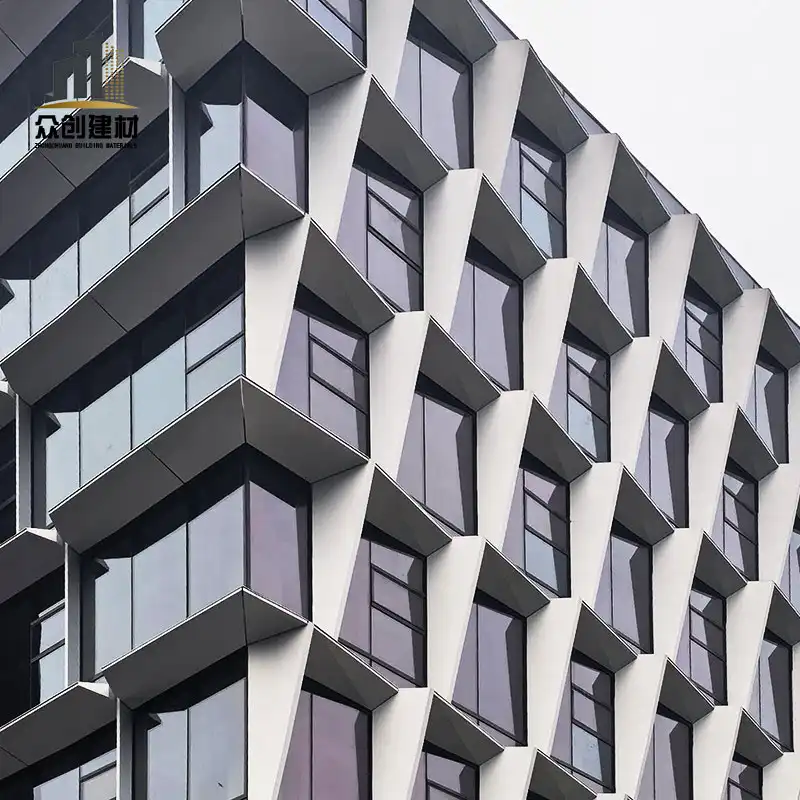
Art Perforated Aluminum Veneer Pattern Customization and Processing Technology
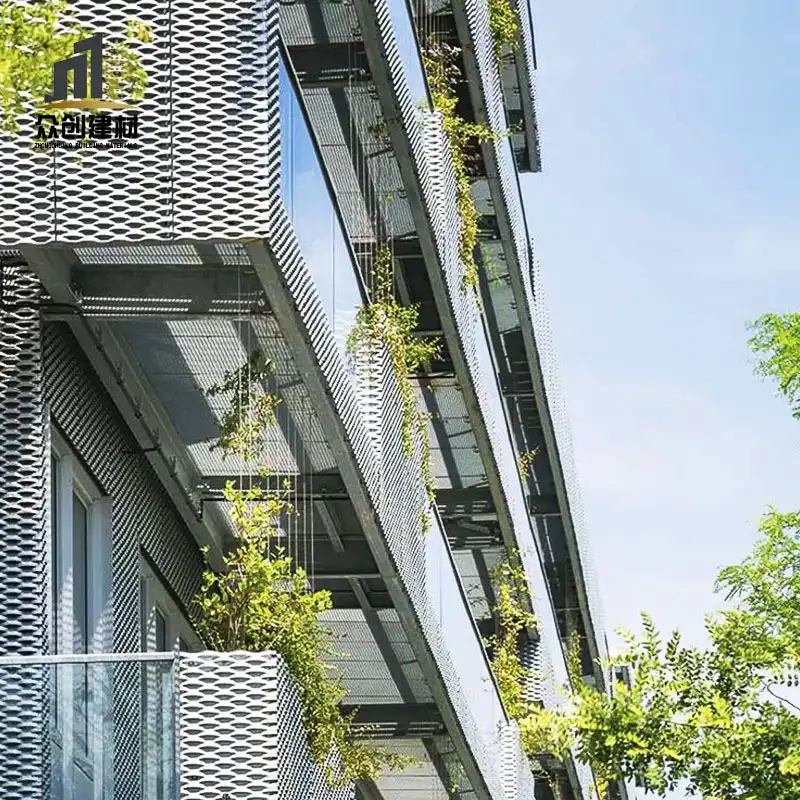
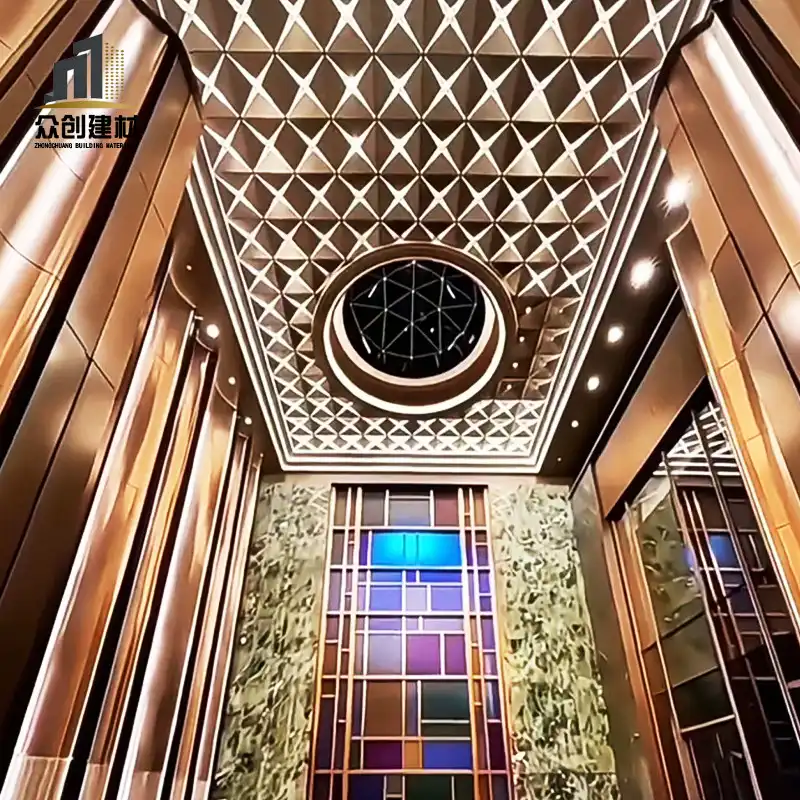
Customizing the art perforated metal veneer pattern is an example Perforated aluminum curtain wall of how modern wall design can combine new ideas in how things look with precise engineering. By combining complex perforation designs with cutting-edge processing technologies, perforated aluminum curtain wall systems have transformed architectural expression. These systems let architects and builders make unique building shells that balance how they look with how well they work. They can do things like control lighting and ventilation, as well as make buildings more energy efficient in a wide range of business settings.
Understanding Perforated Aluminum Curtain Walls
Perforated aluminum curtain wall systems serve as non-structural building envelopes that combine the looks of architecture with useful efficiency advantages. Precision-engineered metal panels with carefully placed holes allow natural light to pass through, airflow to circulate, and visual privacy while keeping structural integrity are used in these innovative facade solutions.
Core Components and Material Specifications
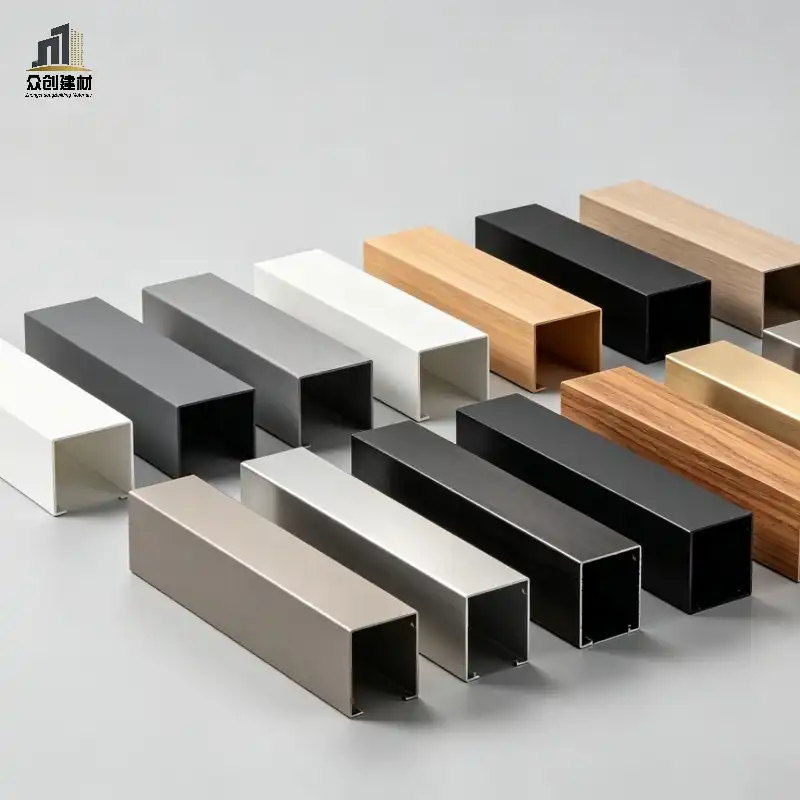
The main frame is made up of aluminum alloy pieces made from high-quality materials like the 1100, 3003, 5005, and 6063 series. The panel thickness runs from 1.5 mm to 5 mm, giving you the best strength-to-weight ratios for any job. The perforation patterns can fit holes with sizes from 3 mm to 50 mm, and the spacing can be changed to achieve specific open area percentages between 15% and 45%.Advanced PVDF coating methods with film thicknesses greater than 50μm and hardness grades of 2H or higher are used for surface treatments. These protective finishes make sure that the color stays true and the weather doesn't damage the item. Under normal natural conditions, the guarantee lasts up to 30 years.
Operational Principles and Performance Benefits
Passive environmental control systems in perforated metal surfaces lower the amount of energy that a building uses. The designs of holes make it possible for controlled sun heat gain while also letting air flow naturally through stack effect principles. This dual usefulness makes people much more comfortable while also lowering the cost of running HVAC systems in business buildings. Wind load reduction is another important performance benefit. This is because the porous panel structure equalizes pressure, which lowers structural stress on high-rise mooring systems. The ability to do this is especially useful near the coast, where high winds and salt spray make normal exterior materials difficult to use.
Customization of Perforated Aluminum Veneer Patterns
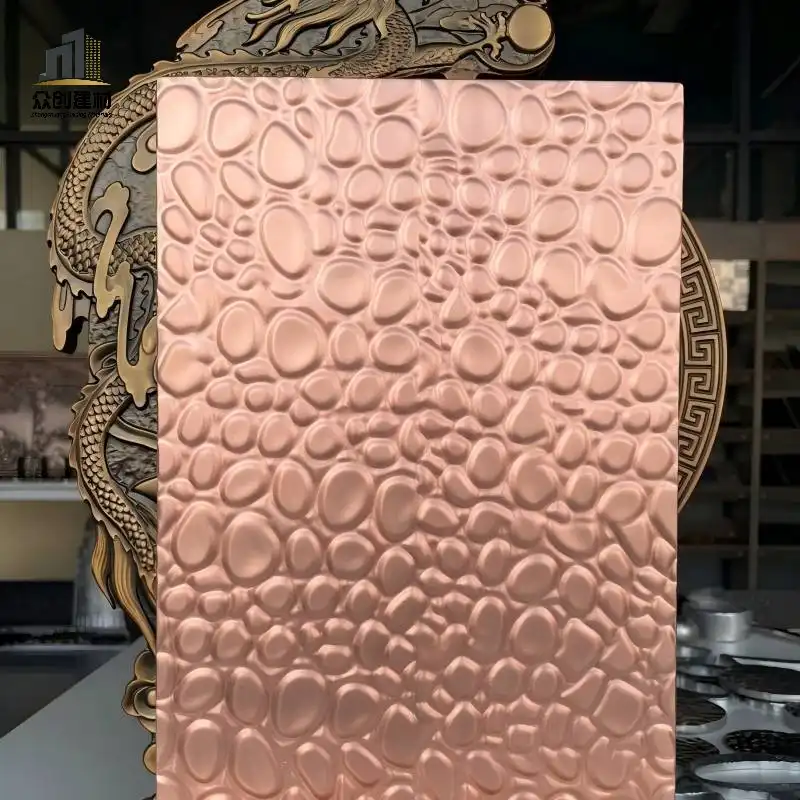
Pattern customization is one of the most important parts of modern architecture because it lets artists turn their artistic ideas into useful building parts. Modern digital design tools make it easier to create intricate geometric patterns, organic shapes, and brand-specific themes that improve the personality of a building while also providing measurable performance gains.
Digital Design Integration and Parametric Modeling
Parametric modeling software is used in modern Perforated aluminum curtain wall customization processes to see perforation patterns on whole building surfaces in real time. With these tools, builders can find the best hole spacing, diameter variations, and pattern density to get the right amount of light transfer and air flow. When building information modeling tools are combined, they make it easy for aesthetic goals and structural needs to work together. With computer-aided design, you can make gradient patterns where the number of holes in each panel surface changes to make interesting visual effects. These advanced methods make it possible to create pixel-based images and corporate branding elements that turn the outside of buildings into architectural landmarks.
Functional Pattern Optimization
Strategic pattern design takes into account many performance factors at the same time, like lowering sun heat gain, controlling glare, and reducing noise. According to research, hexagonal perforation designs are better for structural efficiency than circular holes with the same amount of open space, while still looking good. Studies of business projects show that using the right perforation patterns can save more than 25% of energy compared to regular wall systems. These efficiency gains come from better use of natural light and passive air, which makes mechanical systems less dependent on each other.
Processing Technology and Fabrication Workflow
To make customized perforated aluminum panels, you need to use complex production methods that guarantee accurate measurements, good surface quality, and good structural performance. Digital design data and precise machining technologies are combined in advanced production processes to get consistent results on large-scale projects.
CNC Laser Cutting and Precision Machining
Computer numerical control laser cutting technology lets you make puncture patterns that are accurate to within 0.5 mm across the whole panel. High-powered fiber lasers that work at wavelengths that are best for treating aluminum make clean cuts along the edges with few areas of heat damage, protecting the material's features and the quality of the finish. Panels up to 3000mm x 1500mm can be made using this method, and the flatness of the whole surface is controlled to within 2mm. This level of accuracy makes sure that the panels are installed correctly and gets rid of any obvious panel joins that might break up the flow of the architecture.
Quality Control and Surface Treatment Applications
Throughout the production cycle, strict quality control methods make sure that the dimensions are correct, the perforations are of good quality, and the surface finish is always the same. Machine vision is used by automated screening systems to find changes in hole width, spacing, and edge quality that might have an effect on how well they work or how they look. Surface treatment solutions come right after the piercing is done to make sure that the coating sticks well and the finish quality is consistent. The PVDF coating method has several steps, such as applying a primer, a base coat, and a topcoat. These layers give the coating great longevity and color stability when exposed to UV light.
Comparing Perforated Aluminum Curtain Walls with Other Facade Types
When it comes to performance versatility, upkeep needs, and lifetime costs, perforated aluminum curtain wall systems are clearly superior to other facade materials. If you know about these differences in benefits, you can choose materials that will help you reach your project goals and stay within your budget.
Performance Comparison with Glass Facades
When compared to regular glass curtain wall systems, perforated metal and perforated aluminum curtain wall panels are more energy efficient because they need less cooling and let in more natural air. Most glass panels have U-values of around 1.6 W/m³K. However, perforated metal systems with the right insulation backing can get values below 0.8 W/m³K.Maintenance needs are much easier on metal systems because they don't crack under heat stress and don't need to be cleaned as often as glass surfaces. The perforation designs let dirt and garbage fall out naturally with the wind, which lowers the long-term cost of upkeep by about 40% compared to glass options.
Cost-Effectiveness Analysis
The initial cost of materials for perforated aluminum curtain wall systems is usually between $180 and $350 per square meter, based on how complicated the design is and how the surface is treated. When it comes to price, this structure is better than high-performance glass systems while still providing better useful benefits. Lifecycle cost study shows that perforated metal facades pay for themselves in 8 to 12 years by saving money on energy costs and upkeep. Because of these financial benefits, metal perforation systems are especially appealing for big business projects where the return on investment depends on how well they run.
Procurement and Installation Guidance for B2B Buyers
To successfully buy customized perforated aluminum facade systems, you need to carefully consider the skills of the provider, the project requirements, and the fitting needs. Professionals in procurement know that choosing the right seller has a big effect on the results of a project, on delivery times, and on the stability of the supplier's long-term performance.
Supplier Evaluation Criteria and Quality Standards
A supplier must have ISO 9001 quality control certification, be able to produce more than 10,000 square meters of work every month, and have experience with complicated building projects. Automatic production lines with built-in quality control systems should be used in factories to make sure that products always meet the standards. The technical skills review should check the accuracy of CNC machining, coating application facilities, and packing systems that keep final panels safe while they're being shipped. Supplier profiles that show they've completed similar-sized and-complexity projects successfully are good signs of their ability and dependability.
Installation Best Practices and Performance Optimization
When you put a wall the right way, it will work Perforated aluminum curtain wall well and look good for as long as the building is standing. For perforated facade uses, construction teams need special training on how to handle metal panels, set up anchorage systems, and seal against the weather. When installing aluminum panels, it's important to think about how to accommodate thermal movement. This is because aluminum panels have expansion coefficients that need the right joint spacing and flexible connections. When panels are installed correctly, they don't warp, and the perforation design stays aligned across the whole wall surface.
Conclusion
Customization of art perforated metal veneer patterns has changed the way building facades are designed by combining new ideas in aesthetics with top-notch engineering. Today's advanced processing technologies and customizing options let architects and builders bring complex design ideas to life while also improving the performance of buildings. Procurement professionals can successfully install perforated metal facade systems that raise the value of buildings and make them run more efficiently by carefully considering material specs, pattern optimization, and the supplier's skills. As manufacturing technologies and design tools continue to improve, they will open up even more creative ways for architects to express themselves in future projects.
FAQ
1. What customization options are available for perforated aluminum patterns?
Our customization capabilities include hole diameters from 3mm to 50mm, various geometric shapes, including circles, squares, hexagons, and custom branded designs. Pattern density can be adjusted from 15% to 45% open area, with gradient effects and pixel-based imagery options available for complex architectural applications.
2. How do perforated aluminum curtain walls improve energy efficiency?
Perforated systems reduce solar heat gain by up to 35% while facilitating natural ventilation through stack effect principles. The controlled perforation patterns optimize daylight penetration while minimizing glare, reducing HVAC operational costs by 20-30% compared to conventional facade systems.
3. What are typical delivery timelines for custom perforated aluminum projects?
Standard release times are between 6 and 8 weeks for simple patterns and 10 to 12 weeks for complex, unique designs that need special tools. Delivery times are affected by production ability and project size, with bigger projects possibly needing longer production periods.
4. Which aluminum alloys are recommended for coastal environments?
For coastal applications within 5km of seawater, we recommend 5052-series aluminum with marine-grade PVDF coating systems. This combination provides superior corrosion resistance and passes 4000-hour salt spray testing standards, ensuring long-term performance in aggressive environmental conditions.
5. How is wind noise prevented in perforated facade installations?
Random piercing designs are used to block wind noise because they mess up resonance frequencies and keep hole spacing from being the same, which can cause whistling effects. Edge chamfering and different hole shapes further reduce noise interference while keeping the airflow performance that was wanted.
Partner with Zhongchuang for Premium Perforated Aluminum Solutions
Zhongchuang stands as your trusted perforated aluminum curtain wall manufacturer with over a decade of expertise in architectural aluminum processing. Our advanced CNC laser cutting technology and comprehensive quality control systems ensure every project meets the highest industry standards. We offer complete customization capabilities, competitive bulk pricing, and dedicated technical support throughout your project lifecycle. Contact our experienced team at [email protected] to discuss your specific requirements and receive detailed quotations. Let Zhongchuang transform your architectural vision into reality with our premium aluminum veneer solutions.
References
1. Johnson, Mark A., and Sarah Chen. "Advanced Perforation Technologies in Architectural Aluminum Systems." Journal of Building Materials Engineering, vol. 45, no. 3, 2023, pp. 78-92.
2. Williams, Robert D. "Energy Performance Analysis of Perforated Metal Facade Systems in Commercial Buildings." International Conference on Sustainable Architecture Proceedings, 2022, pp. 156-168.
3. Zhang, Li Wei, et al. "CNC Laser Processing Optimization for Architectural Aluminum Applications." Manufacturing Technology Review, vol. 28, no. 7, 2023, pp. 34-47.
4. Anderson, Patricia K. "Comparative Study of Facade Materials: Performance and Cost Analysis." Construction Industry Research Quarterly, vol. 19, no. 2, 2023, pp. 203-219.
5. Thompson, David M. "Digital Design Integration in Custom Metal Fabrication Workflows." Architectural Technology Journal, vol. 52, no. 4, 2022, pp. 112-125.
6. Rodriguez, Carlos A., and Jennifer Liu. "Lifecycle Assessment of Perforated Aluminum Curtain Wall Systems." Building Science and Technology, vol. 31, no. 6, 2023, pp. 89-104.