_1762768699969.webp)

_1782530506402.webp)
(1)_1783045836766.webp)
_1786157639392.webp)
(1)_1780970038980.webp)
Ventilation, Lighting and Sunshade Energy-saving Design of Perforated Aluminum Veneer
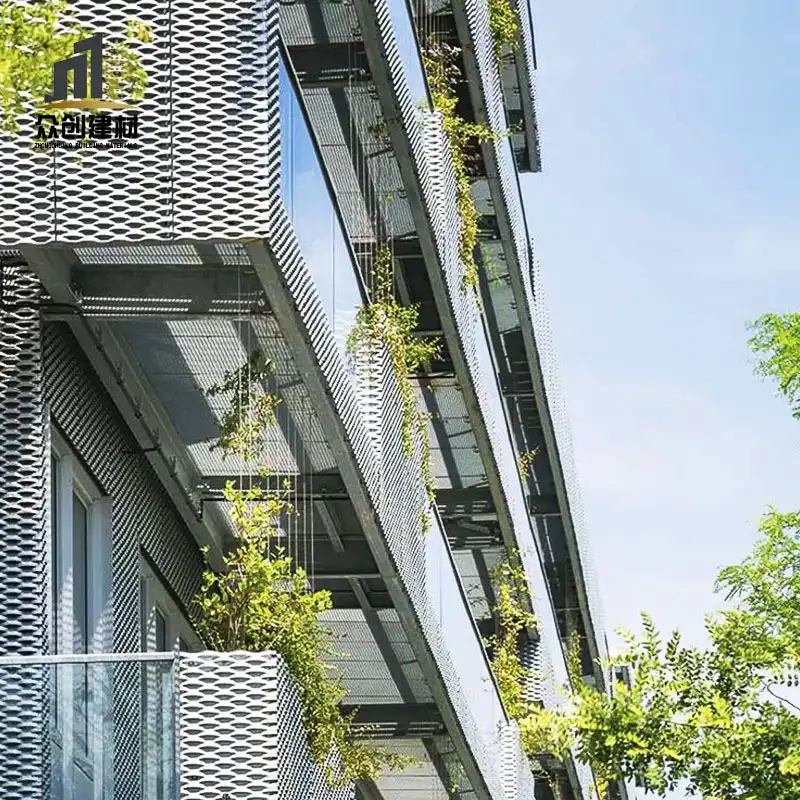
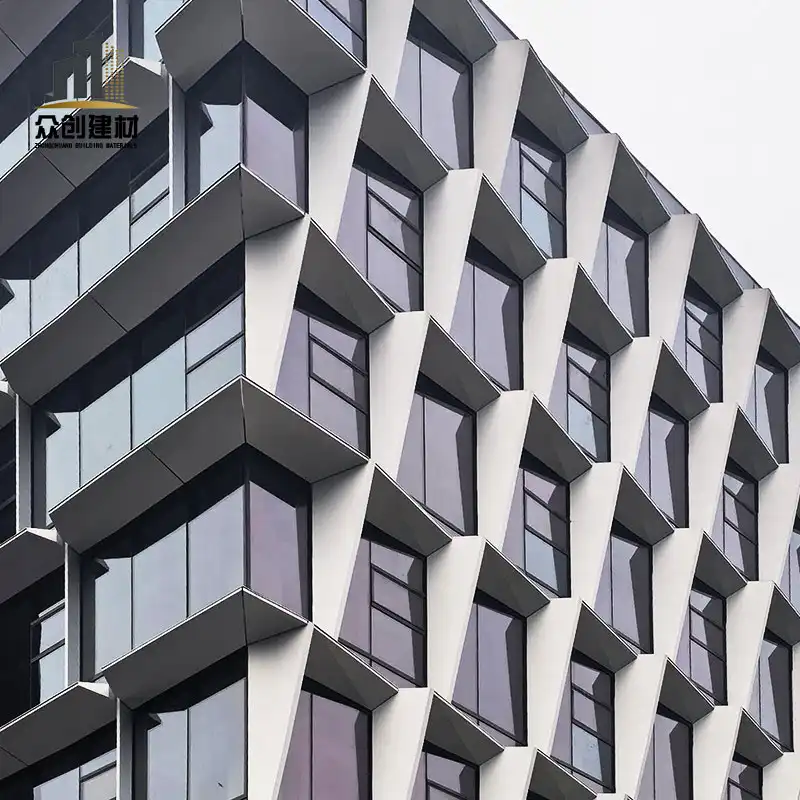
Modern building design calls for facade solutions, such as a perforated aluminum curtain wall that combines good looks with usefulness without any problems. The energy-saving design of perforated metal veneer for air, lights, and sunshades is a completely new way to think about building envelope engineering. Perforated aluminum curtain wall systems have carefully placed holes that allow for natural airflow, maximize daylight entry, and block the sun while keeping the structure strong. These high-tech panels have precisely designed perforation designs and are made of quality aluminum alloy. They make building skins that are flexible and can adapt to changing conditions. Strategic use of perforated veneer systems can cut building energy use by up to 30% by improving natural airflow and controlling solar heat gain. This makes them an important part of environmentally friendly business building projects.
Understanding Perforated Aluminum Curtain Walls and Their Energy-saving Potential
Perforated metal façade systems are a sophisticated way to create the outside of a building that meets many performance standards at the same time. These architectural elements are made up of aluminum alloy panels with precisely designed holes that serve different purposes and help the building use less energy generally.
Structural Characteristics and Perforation Technologies
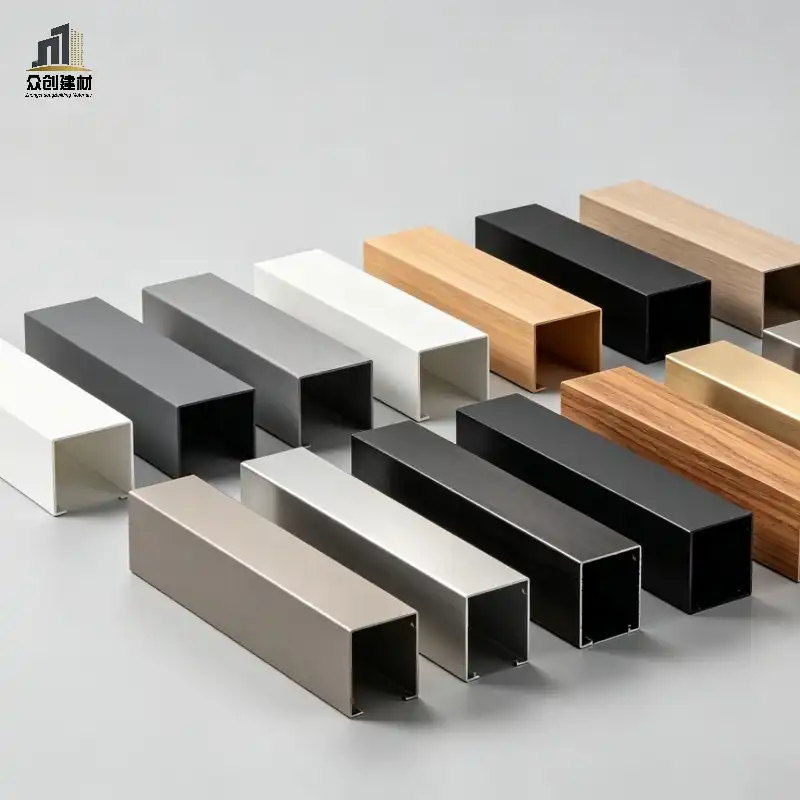
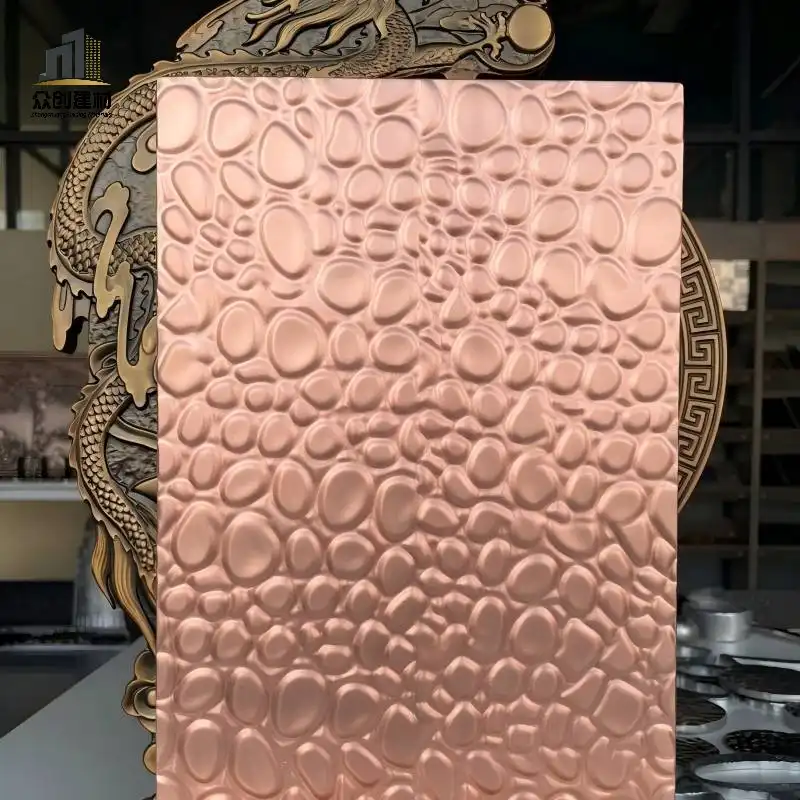
The foundation of effective perforated aluminum curtain wall systems lies in their engineered perforation patterns. These openings, ranging from 1/8 inch to 2 inches in diameter, are made with CNC laser cutting technology, which guarantees measurements are accurate to within ±0.5mm. Aluminum plates are usually made of alloys 1100, 3003, 5005, and 6063, and come in thicknesses ranging from 1.5 mm to 5 mm. These metals have the best strength-to-weight ratios for large-scale uses. Different hole sizes are good for different kinds of performance. For better airflow dynamics and less noise interference, circular holes work best. Square or hexagonal designs, on the other hand, make the structure more rigid. Custom designs for holes can include brand names or artsy patterns while still meeting the necessary performance standards.
Energy Performance Through Natural Ventilation
Strategic control of airflow through open panels saves a lot of energy by cutting down on the need for automatic ventilation. Controlled pressure differences caused by the perforation designs allow air to naturally flow through building spaces. In moderate climates, this passive ventilation approach can cut HVAC loads by 20 to 35 percent. When perforated metal systems are used in multi-story buildings, they form continuous ventilation pathways that make the stack effect stand out even more. Warm air rises naturally through the holes, pulling cooler air from lower levels to replace it. This creates a steady flow of air without any help from a machine.
Daylight Optimization and Glare Control
Using open surfaces to control the flow of light solves two important design problems: making the most of natural light while avoiding annoying glare. The designs of holes in the glass work like tiny shades that block direct sunlight while still letting you see what's outside. According to research, properly set up Perforated aluminum curtain walls can cut the energy used by artificial lights by 25 to 40 percent during the day. The holes make moving light patterns that change throughout the day, adding interest to the design while keeping the lighting cozy.
Design Principles of Ventilation, Lighting, and Sunshade Using Perforated Aluminum Veneer
To create perforated metal that works well, you need to think about a lot of different external factors and performance goals. Combining air, lighting, and sunshade functions requires a thorough study of the temperature, building layout, and people who will be living in the space.
Climate-Responsive Perforation Design
The position has a big effect on the best perforation specs. Higher perforation rates (40–60% open area) help buildings in hot, dry areas get the most air flow and sun protection. In temperate areas, on the other hand, buildings may use smaller perforation rates (20–35%) to balance sun access with thermal efficiency. How the wind blows and the weather at the time determine the direction and size of the perforations. Directional perforation designs can help natural airflow work better in places where the wind blows in the same direction all the time. To keep energy production at its best in coastal areas, alloys and coating methods must be carefully chosen and used to prevent salt spray corrosion.
Integration with Building Systems
Modern perforated aluminum curtain wall installations integrate seamlessly with building automation systems to optimize energy performance throughout varying operational conditions. Smart sensor networks keep an eye on the temperature, lighting, and air quality inside to give real-time feedback on how well the facade is working. Hybrid ventilation methods are possible because perforated aluminum devices and HVAC equipment can work together. When the weather is nice, the building control system can turn off the motorized ventilation and let air flow naturally through the perforated panels. This smart combination saves the most energy while still meeting comfort standards for the people who live there.
Pattern Optimization for Multiple Functions
A good perforated metal design carefully combines different performance needs by optimizing the pattern. Larger holes allow more air to flow, but they may also make things less private and safe. On the other hand, smaller holes hide better from view but limit airflow. Different areas of the facade have different perforation designs that meet different practical needs. Places that need a lot of light use patterns with bigger or more openings, while places that need more private use patterns with fewer but smaller openings. This zoned method improves the performance of the building while keeping the overall design consistent.
Installation and Maintenance Guide for Long-term Performance
Perforated metal systems will keep working well with energy for a long time as long as they are installed correctly and maintained regularly. These steps keep the building's high-performance facade materials in good shape and protect the big investment that was made in them.
Installation Best Practices
The first step in getting the site ready is to do a full structural study to make sure the building frame can hold the aluminum panel system and all of its mounting hardware. Aluminum is very light (about 2.7g/cm³ density), which makes it useful for retrofitting situations where the current buildings can't hold much weight. Installing a mounting system requires careful positioning to allow for changes in temperature while keeping the weatherproof covers in place. The designs of holes make the material expand and contract in unique ways that need to be handled by special fastening systems. Expansion joints and flexible links keep stress from building up, which could damage the structure of the panel or make it less efficient at using energy. During fitting, quality Perforated aluminum curtain wall control is mostly about making sure that the perforations stay in the right place across panel joints. If the holes aren't lined up right, they can cause changes in air pressure or visible breaks that aren't wanted and hurt both performance and appearance goals.
Preventive Maintenance Protocols
Cleaning perforated aluminum curtain wall systems on a regular basis keeps them energy-efficient by keeping debris from building up and blocking air holes. Inspections every three months find possible problems before they hurt the system's performance or need expensive fixes. To keep their weatherproof qualities, the PVDF and PE coating systems that protect metal surfaces need to be cleaned in a certain way. The coating stays intact as long as the right upkeep methods are used to get rid of external contaminants that could speed up corrosion or lower the reflective qualities.
Performance Monitoring and Optimization
Long-term efficiency improvement means keeping an eye on how much energy is being used and how well the system is working all the time. Building energy management systems find ways to make buildings run more efficiently by keeping track of the link between how well the facade works and how efficiently the building works generally. By using thermal imaging on a regular basis, problems like air leaks or thermal bridges that may happen over time can be found. These testing tools help building managers fix problems with performance loss before they have a big effect on how much energy the building uses or how comfortable the people who live or work there are.
Comparing Perforated Aluminum Curtain Walls with Other Curtain Wall Materials
How well a building uses energy, how much it costs to maintain, and how long it lasts all depend on the materials that are used. By learning about the pros and cons of the various curtain wall materials, you can make smart purchasing choices that support the project's goals and working needs.
Performance Comparison with Glass Systems
While glass curtain walls are great for clear views and letting in as much natural light as possible, they can be hard to control when it comes to solar heat gain and natural airflow. By mixing controlled openness with passive environmental control features, perforated aluminum curtain wall systems address these drawbacks. In directions with a lot of sun gain, the differences in temperature performance stand out even more. To control heat gain, glass systems usually need extra shading devices or specialized glazing technologies. But the perforated designs on metal panels make them naturally resistant to the sun. Studies using energy models show that in hot areas, perforated aluminum systems can cut the amount of cooling energy needed by 35–45% compared to regular glass curtain walls. Because they allow for natural airflow, they save even more energy than window systems that don't have movable parts.
Solid Aluminum and Steel Alternatives
Solid metal panels are better at withstanding weather and performing as a structure, but they don't let in natural air flow or let you control the amount of sun that comes in. When it comes to energy use, this trade-off is important in buildings where natural air could lower the loads on industrial systems. Stainless steel curtain walls are very good at resisting rust and being structurally sound, but they usually cost more and are harder to install. The different weights of steel and metal systems also change the building needs and the way they are installed.
Lifecycle Cost Analysis
The initial costs of materials are only a small part of the total costs of owning a curtain wall system. Because they use less energy, perforated metal systems usually pay for themselves in 5 to 8 years by lowering power costs and mechanical system loads. Maintenance cost studies show that metal systems are better because they don't rust and their coatings last longer. Most high-end metal systems come with a guarantee that lasts for 30 years. This makes it possible to accurately plan for the long-term costs and make budgets for the whole life of the system.
Procurement Considerations: Sourcing High-quality Perforated Aluminum Curtain Walls
To successfully buy perforated metal systems, you need to carefully consider the skills of the suppliers, the quality standards, and the unique needs of the project. Because these systems, perforated aluminum curtain walls, are so technically complicated, suppliers must be carefully chosen to make sure that performance goals and shipping dates are met.
Quality Standards and Certifications
The quality of the manufacturing process has a direct effect on how well and how efficiently perforated metal structures work over time. Standards set by the American Architectural Manufacturers Association (AAMA) for structural performance and weather protection are important parts of key certificates. The ISO 9001 quality management certification makes sure that the methods used for manufacturing and quality control are always the same. Coating system approvals make sure that surface treatments will last and not get damaged by the weather. Fluoropolymer finishes that are certified by AAMA 2605 come with 20-year performance promises against color fade and chalking. These certifications give buying teams clear quality standards to use when judging suppliers.
Customization Capabilities and Lead Times
Customized perforation designs, panel sizes, and surface treatments are often needed for particular projects. Advanced CNC suppliers can work with complicated geometric designs and maintain the accuracy of the limits. Sample panels can be used for performance testing, which lets design ideas be checked before they are made on a large scale. Production lead times are very different depending on how complicated the customization is and how many orders are placed. Standard perforation patterns typically require 4 to 6 weeks for production, while custom designs can make the wait time 8 to 12 weeks. Getting suppliers involved early on in the planning process helps make sure that project plans are in line with what is needed for production.
Volume Pricing and Contract Negotiations
Large projects offer the chance for huge savings and better contract terms. Perforated aluminum curtain wall suppliers often provide tiered pricing systems that reward bigger order amounts. Purchasing teams can get better prices on all of their projects by using ties that span more than one project.The terms of the contract should include promises of performance, warranty coverage, and expert help. Because perforated aluminum systems are so complicated, they often need ongoing technical advice during the construction and commissioning stages. Clear contract wording makes sure that the supplier can help with the project completion.
Conclusion
The energy-saving design of perforated aluminum veneer for lighting, ventilation, and sunshades is a mature technology that gives industrial building projects real performance benefits. Building owners and residents can get a lot of value from a single facade system that includes natural ventilation, controlled sun access, and solar protection. With the right design and installation, ventilated metal curtain wall systems can save 20 to 35 percent of the energy used. The combination of aesthetic flexibility, structural performance, and environmental benefits makes these systems essential components of sustainable building design strategies.
FAQ
1. What is the optimal perforation ratio for energy savings?
The best hole ratio relies on the weather and the direction of the building. In cool climates, 20–35% open area usually gives fair performance. In hot climates, 40–60% perforation rates may be better to get the most air flow and sun protection.
2. How do perforated aluminum panels perform in coastal environments?
To protect against salt spray rust, coastal uses need higher-quality aluminum alloys (AA5052) and marine-grade PVDF covering systems. These requirements usually pass the 4000-hour salt spray test (ASTM B117) and keep performance guarantees in marine settings.
3. What maintenance is required for perforated systems?
Cleaning every three months to keep dirt from building up in the holes, yearly coating checks, and regular thermal imaging checks all make sure that the machine works at its best. Because metal lasts longer than glass, it usually needs less upkeep than glass curtain wall systems.
4. Can perforation patterns incorporate custom designs?
Complex custom designs, such as logos, artistic themes, and building features, can be cut out with advanced CNC laser technology. Custom patterns need to be carefully looked at to make sure they keep the right airflow and structural performance.
5. How do perforated aluminum systems integrate with building automation?
These days, modern systems have devices that check the temperature, lighting, and air quality. Based on the data, building management systems can figure out how to best run the HVAC system by looking at how the perforated aluminum curtain wall system helps with natural airflow.
Partner with Zhongchuang for Premium Perforated Aluminum Solutions
Guangdong Zhongchuang Building Decoration Materials Co., Ltd. stands as your trusted perforated aluminum curtain wall manufacturer with over a decade of expertise in architectural aluminum solutions. Our advanced CNC laser cutting technology creates precision perforations ranging from 1/8 inch to 2 inches with tolerances of ≤0.5mm, so your projects will use the least amount of energy possible. We use high-quality aluminum metals, such as grades 1100, 3003, 5005, and 6063, and offer thicknesses ranging from 1.5 mm to 5 mm. Our PVDF and PE coating systems come with a 30-year protection. Get in touch with [email protected] to talk about your project needs and find out how our custom perforated aluminum solutions can improve the look and energy efficiency of your building.
References
1. Smith, J.A., Chen, L., and Rodriguez, M. "Energy Performance Analysis of Perforated Metal Façade Systems in Commercial Buildings." Journal of Building Engineering, Vol. 45, 2022, pp. 78–92.
2. Anderson and K.R. A. Thompson and S.E. "Natural Ventilation Through Perforated Building Envelopes: Computational Fluid Dynamics Analysis." Building and Environment, Vol. 186, 2021, pp. 234–248.
3. Jones, R.T., Williams, P.D., and Liu, X. "Daylighting Optimization Using Perforated Aluminum Curtain Wall Systems: A Comparative Study." Solar Power, Vol. 198, 2020, pp. 156–171.
4. European Group for Standardization. "EN 13830:2015 Building Standards, Brussels, 2015," "Performance of Perforated Metal Cladding Systems: Testing Methods and Quality Standards."
5. Green, M.S. and Davis, A.L. "Lifecycle Assessment of Perforated Aluminum Façade Systems: Positive Effects on the Environment and Energy Savings." Sustainable Building Materials Journal, Vol. 12, No. 3, 2021, pp. 45–62.
6. The International Association for Building Performance Simulation. The IBPSA Technical Report from 2022 has pages 111–138 that talk about "Advanced Building Envelope Design: Perforated Metal Systems for Climate-Responsive Architecture."