_1762768699969.webp)

_1782530506402.webp)
(1)_1783045836766.webp)
_1786157639392.webp)
(1)_1780970038980.webp)
Artistic Perforated Aluminum Panels for Commercial Storefront Facade Solutions
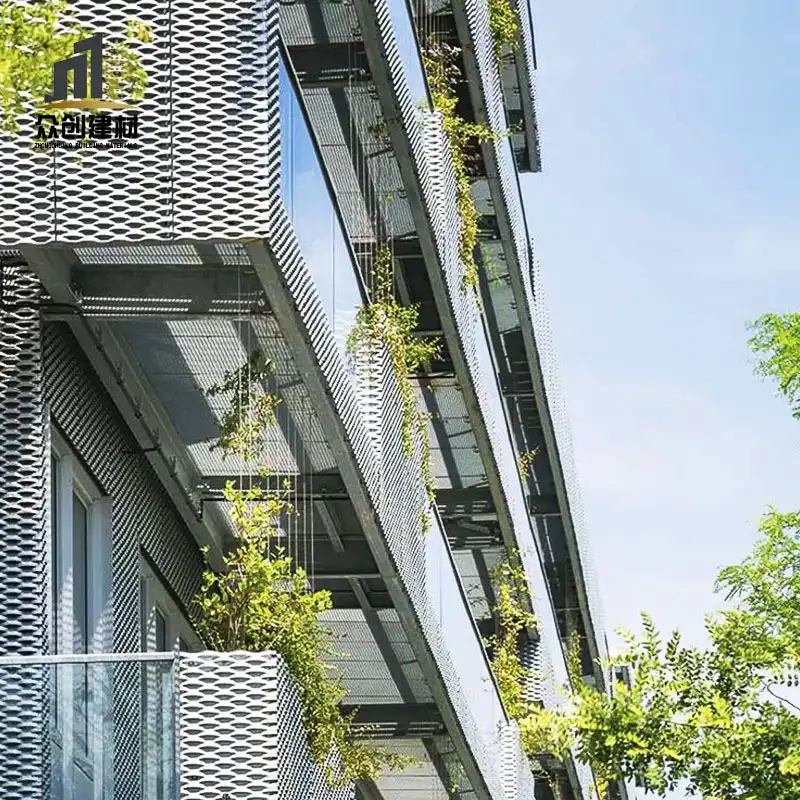
The storefront serves as the first visual touchpoint for brand communication. Conventional storefront materials such as acrylic sheets and aluminum composite panels often suffer from repetitive appearances and limited creative possibilities. Artistic perforated aluminum panels, manufactured by CNC punching technology, combine metallic decoration with artistic hollow‑out effects. Thanks to customizable patterns, weather‑proof performance and striking light‑shadow effects, they have become a favored solution for commercial storefronts, shop entrances and showroom facades worldwide. Beyond decorative branding functions, these perforated metal claddings deliver practical benefits including ventilation, heat dissipation and sun shading, widely applied in retail chains, restaurants, exhibition halls, hotel entrances and street‑side commercial premises.
Core Design Advantages of Artistic Perforated Aluminum Storefronts
Different from ordinary perforated metal sheets, artistic perforated facades support custom hole shapes, variable hole sizes, gradient hole density and graphic perforation. Brand logos, geometric motifs and abstract graphics can be directly cut into aluminum panels, integrating building envelope and brand identity into one unified surface.
First, outstanding light‑and‑shadow performance. Natural daylight filters through perforations and creates delicate shadow textures in daytime. When back‑lit by built‑in LED lighting at night, holes emit soft glow and greatly improve night‑time visibility for street‑side commercial attraction.
Second, superior outdoor weather resistance. Made of 3003‑series aluminum alloy with PVDF or powder coating finish, these panels resist UV radiation, rain and rust. They maintain stable appearance without fading or deformation under long‑term outdoor exposure and require minimum maintenance.
Third, lightweight for convenient storefront retrofitting. Low self‑weight reduces load stress on existing wall structures. Dry‑mount installation can be implemented for renovation projects without large‑scale demolition, shortening overall construction timeline.
Fourth, balance functionality and aesthetics. Perforation gaps enhance air circulation and dissipate heat generated by internal LED lights. Meanwhile, perforated layout provides moderate sun‑shading performance and lowers thermal radiation at building entrances, complying with modern sustainable building standards.

Popular Perforation Patterns for Commercial Storefront Projects
More perforation holes do not always equal better visual results. Pattern selection should balance visual effect, back‑lighting requirement and project budget.
Gradient regular perforation: Hole density changes gradually from dense to sparse or vice versa, generating soft visual transition. Ideal for minimalist‑style chain‑brand storefronts.
Logo‑integrated perforation: Brand logos and texts are CNC‑cut directly on aluminum panels. No extra sign letters are needed. Back‑lighting makes graphic patterns glow and delivers seamless facade presentation.
Artistic mixed‑shape perforation: Combination of round holes, square holes and slotted openings forms abstract artistic motifs, suitable for exhibition halls, cultural venues and trendy retail stores.
Partial perforation combined with solid panels: Mix hollow perforated zones and solid aluminum areas. This solution creates sharp virtual‑solid contrast and optimizes total project cost, widely adopted in cost‑effective premium projects.
Real‑world Application Scenarios
Retail chain stores: Standardized artistic perforated storefront designs for multi‑location roll‑out. Back‑lit perforated logos strengthen brand recognition across global outlets. Restaurants and trendy shops: Gradient or artistic mixed perforations build atmospheric night‑time lighting effects to attract pedestrian traffic. Corporate showrooms & reception entrances: Large‑format perforated aluminum facades establish sophisticated modern corporate image. Hotel & apartment entrance canopies: Subtle gradient perforation focuses on daytime texture performance, with moderate sun‑shading and protective functions instead of heavy glowing effects.
Key Selection & Construction Pitfall Avoidance
Many unsatisfactory finished storefronts originate from insufficient early‑stage detail planning.
Material thickness recommendation: Use 2.0‑3.0mm aluminum sheets for overhanging storefront structures. Thin panels risk bulging and warping under outdoor conditions. For long‑span facades, aluminum honeycomb composite panels are suggested for higher rigidity.
Back‑light pre‑planning: Reserve sufficient cavity space for LED fixtures during design phase. Keep proper distance between light source and perforated panel to prevent uneven bright spots. Use IP‑rated outdoor LED strips.
Surface coating options: PVDF coating is preferred for fully exposed outdoor storefronts. Powder coating is acceptable for sheltered or semi‑indoor entrances to control expenditure.
Installation suggestion: Dry‑hanging system is strongly recommended rather than adhesive‑only fixing. Ensure anti‑rust treatment for back‑side steel sub‑frames and reserve drainage gaps to avoid rainwater accumulation.

Future Trends of Artistic Perforated Aluminum Storefronts
With advancing CNC metal fabrication, more architectural designers are replacing conventional sign‑based storefronts with integrated perforated metal facades. Artistic perforated aluminum storefronts evolve from simple signage to extended building envelopes, embedding brand graphics and aesthetic concepts into building skins. Modular pre‑fabrication shortens lead‑time. Balancing aesthetic expression, durability and sustainable performance, artistic perforated aluminum cladding will keep gaining popularity in commercial renovation and new construction projects.