_1762768699969.webp)

_1782530506402.webp)
(1)_1783045836766.webp)
_1786157639392.webp)
(1)_1780970038980.webp)
Bamboo Pattern Aluminum Tube: Complete Guide to Technology, Benefits & 2026 Landscape Design Trends
Bamboo has been used in architecture and landscape design for thousands of years, valued for its natural beauty, sustainability and versatility. However, in modern commercial construction, natural bamboo faces significant challenges including poor durability, high maintenance requirements, fire hazards and limited structural strength. Bamboo pattern aluminum tubes have emerged as a superior alternative, offering the aesthetic appeal of natural bamboo with the performance advantages of aluminum alloy.
This comprehensive guide explores the technology behind bamboo pattern aluminum tubes, compares them with natural bamboo and other alternative materials, provides professional selection criteria, and analyzes the latest market trends for 2026 and beyond.
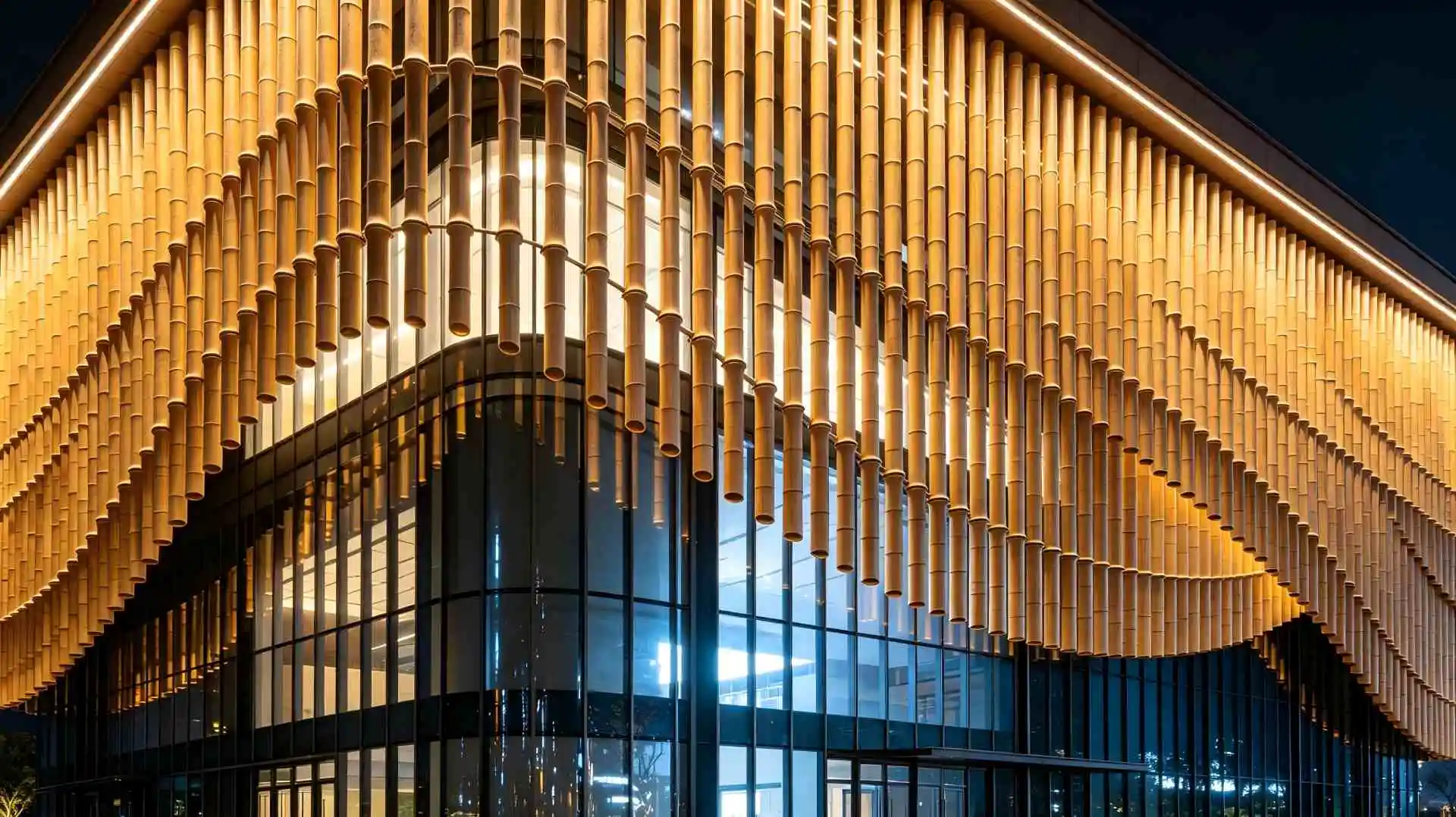
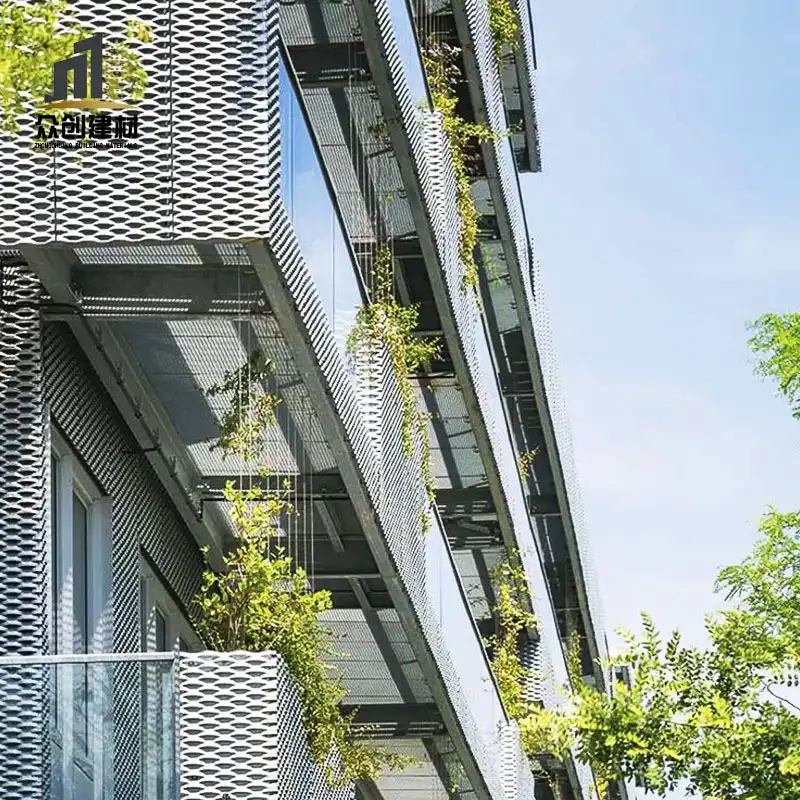
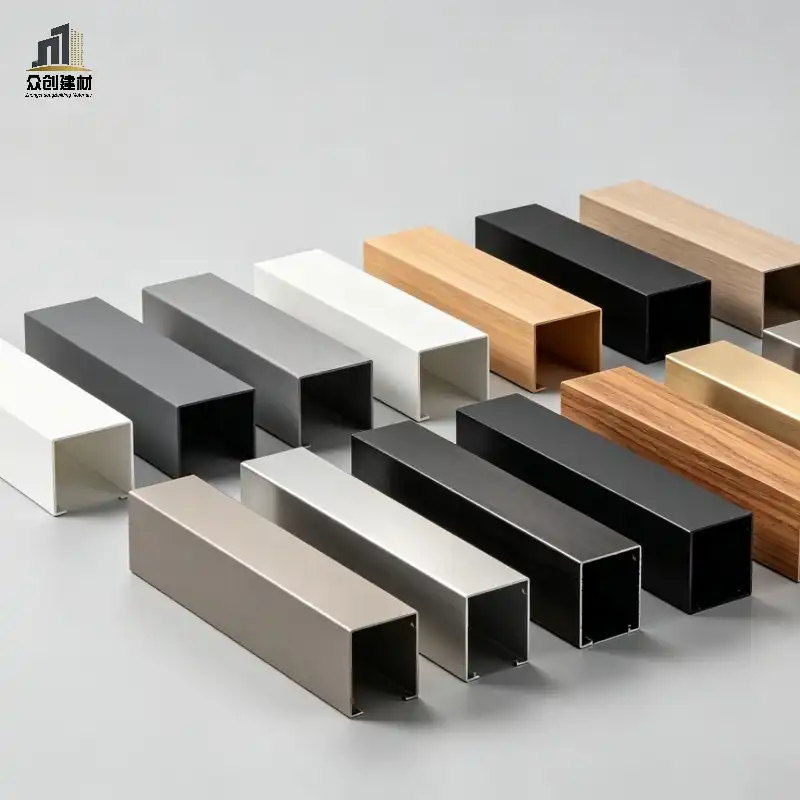
bamboo-patterned aluminum pipe exterior wall effect
1. Core Manufacturing Technologies
There are three main technologies used to create bamboo pattern finishes on aluminum tubes:
-
Flat Printing Technology The oldest and most basic technology. Simply prints bamboo patterns directly onto the smooth aluminum tube surface. Produces flat, two-dimensional bamboo joints with no tactile texture. Low cost but low realism, suitable only for indoor decorative applications.
-
Embossed + Printing Technology The current industry standard. First uses CNC mechanical embossing to create raised bamboo joints on the aluminum tube surface, then applies thermal transfer printing to add color and texture. Produces realistic three-dimensional bamboo joints with tactile feel. Achieves 85-95% similarity to natural bamboo.
-
3D Embossed + Multi-layer Transfer Technology The latest and most advanced technology. Uses high-precision 3D scanning to capture every detail of natural bamboo, then creates custom embossing molds that replicate the exact shape and texture of bamboo joints. Applies multiple layers of thermal transfer printing to create natural color variations. Achieves 95-98% similarity to natural bamboo.
2. Performance Comparison: Bamboo Pattern Aluminum vs Natural Bamboo
| Performance Aspect | Bamboo Pattern Aluminum Tube | Natural Bamboo |
|---|---|---|
| Service Life (Outdoor) | 25+ years | 2-3 years |
| Fire Rating | A1 Non-combustible | B Flammable |
| Rot & Insect Resistance | Excellent | Poor |
| Maintenance Requirements | Very low | High |
| Structural Strength | High | Low |
| Weather Resistance | Excellent | Poor |
| Design Flexibility | Excellent | Limited |
| Environmental Impact | Low (100% recyclable) | Medium (requires harvesting) |
| Total Lifecycle Cost | Low | High |
As the table shows, bamboo pattern aluminum tubes outperform natural bamboo in almost every category, making them a more practical and cost-effective choice for commercial landscape projects.
3. Professional Selection Guidelines
- Project Location: For coastal areas and industrial zones, select tubes with marine-grade PVDF coating for enhanced corrosion resistance.
- Application Type: For structural applications such as pergolas and railings, use thicker wall tubes (2.0mm+). For decorative applications such as wall cladding and ceiling beams, thinner wall tubes (1.2-1.5mm) are sufficient.
- Aesthetic Requirements: For projects requiring the highest level of realism, choose 3D embossed + multi-layer transfer tubes with natural color variations.
- Budget Considerations: For budget-conscious projects, standard embossed + printing tubes offer good quality at a lower cost.
- Certifications: Ensure the tubes meet international standards including EN 13501-1 for fire safety and ISO 105-B02 for color fastness.
4. Installation Best Practices
- Foundation Preparation: For outdoor structural applications, ensure proper concrete foundations are installed to support the weight of the aluminum tubes.
- Connection System: Use stainless steel hardware for all connections to prevent corrosion. Hidden connection systems are recommended for a clean, seamless appearance.
- Expansion Joints: Reserve appropriate expansion joints between tube sections to accommodate thermal expansion and contraction of aluminum.
- Post-installation Protection: Cover finished tubes with protective film during construction to prevent scratches and damage.
- Safety: Follow proper safety procedures during installation, especially for high-altitude work.
5. 2026 Industry Development Trends
-
Increasing Realism Advancements in 3D scanning and embossing technology will continue to improve the realism of bamboo pattern aluminum tubes, with some manufacturers already achieving 98%+ similarity to natural bamboo.
-
Sustainable Manufacturing The use of 100% recycled aluminum and low-VOC coatings will become standard. Manufacturers will also focus on reducing energy consumption and waste in the production process.
-
Integration with Smart Technology Bamboo pattern aluminum tubes will be integrated with LED lighting, solar panels and sensors to create multi-functional landscape elements.
-
Growth in Resort and Hospitality Applications The global tourism industry's recovery is driving demand for natural-looking decorative materials. Bamboo pattern aluminum tubes are becoming the preferred choice for resort and hotel outdoor spaces.
-
Expansion of Product Range Manufacturers will continue to expand their bamboo pattern product lines to include panels, screens, furniture and other decorative elements, creating complete bamboo-themed design solutions.
Conclusion
Bamboo pattern aluminum tubes have revolutionized the landscape design industry by providing a practical, durable and sustainable alternative to natural bamboo. As technology continues to advance and awareness grows, they will become the dominant choice for natural-looking outdoor decoration in commercial and residential projects worldwide. By understanding the technology, performance characteristics and selection criteria, architects and project managers can make informed decisions and create stunning, long-lasting landscape designs.