_1762768699969.webp)

_1782530506402.webp)
(1)_1783045836766.webp)
_1786157639392.webp)
(1)_1780970038980.webp)
Comparison of Aluminum Ceiling Surface Treatment Processes and Engineering Selection Strategy
The surface treatment process of aluminum ceilings is not only related to the appearance decorative effect of products, but also directly determines their corrosion resistance, weather resistance, wear resistance and service life in different environments. In engineering projects, selecting appropriate surface treatment technology requires comprehensive consideration of multiple factors such as use environment, design requirements, budget cost and maintenance cycle. This article will systematically sort out the five mainstream surface treatment processes in the current market to help purchasers and designers make precise decisions.
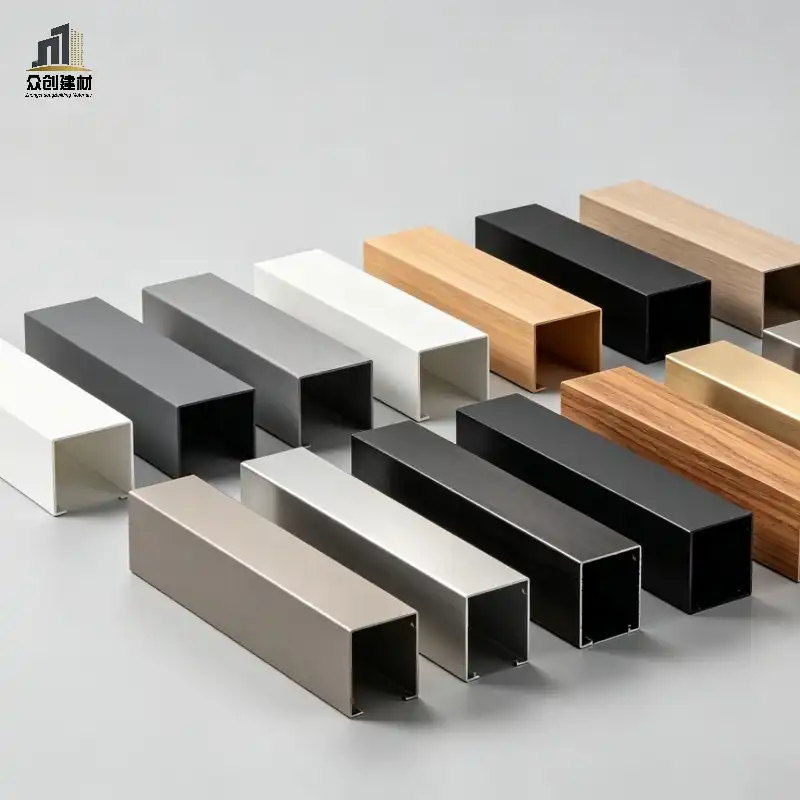
Powder coating is currently the most widely used surface treatment process for indoor aluminum ceilings. Its principle is to uniformly adsorb powder coating on the aluminum surface through an electrostatic spray gun, and then form a dense coating through high-temperature curing at 180-200℃. The advantages of powder coating include extremely rich color choices, providing thousands of standard colors and custom colors such as RAL color cards and Pantone color cards; coating thickness is usually 60-80μm, with strong adhesion and good impact resistance; and VOC emissions during production are extremely low, meeting environmental requirements. In terms of cost, powder coating is the most cost-effective choice among all processes, suitable for conventional indoor spaces such as offices, schools, hospitals, and shopping malls. However, its weather resistance is relatively limited, and slight fading may occur under long-term UV exposure, so it is not recommended for exterior walls or indoor areas with direct sunlight.
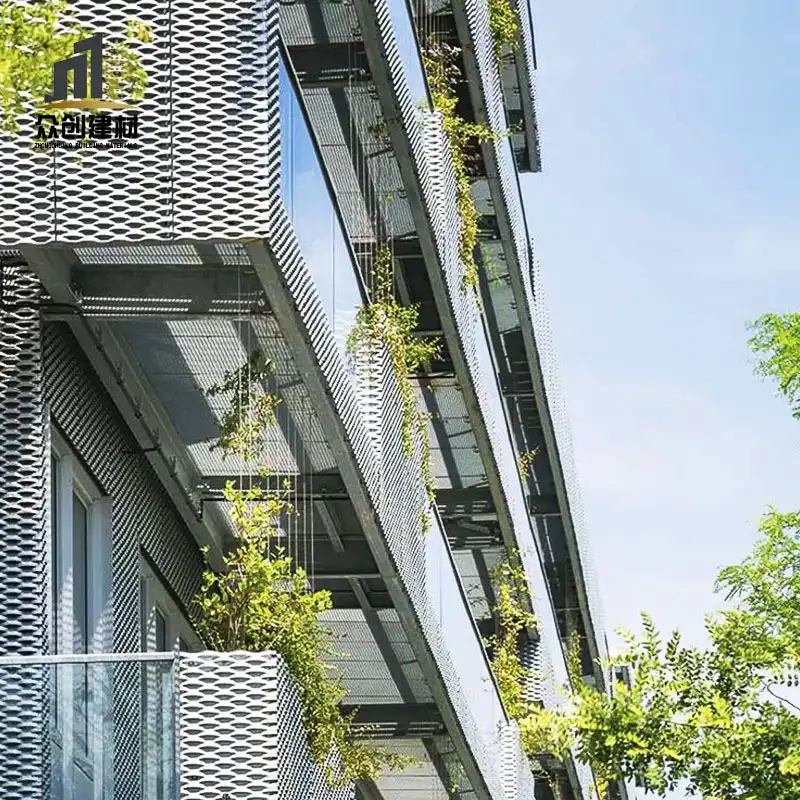
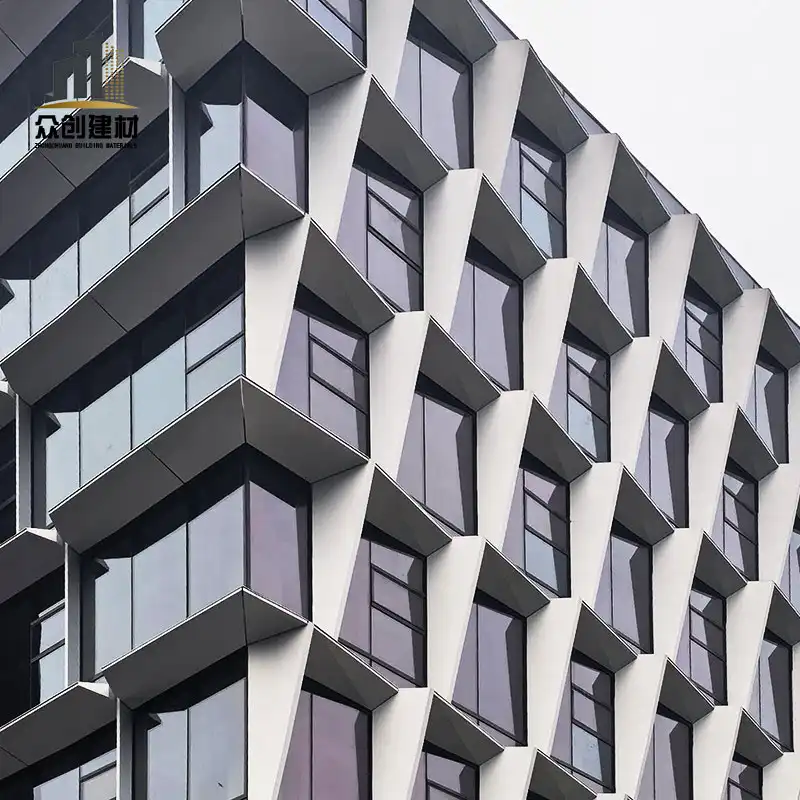
Fluorocarbon coating (PVDF) is the standard process for high-end aluminum ceilings and exterior wall aluminum veneers. Fluorocarbon coatings are mainly based on polyvinylidene fluoride resin,配合 with metallic pigments or ceramic pigments. The F-C bond in its molecular structure has extremely high bond energy, endowing the coating with excellent weather resistance, corrosion resistance and UV resistance. Industry standards require PVDF resin content in fluorocarbon coatings to be no less than 70%, and high-quality products can reach over 80%. The coating thickness of fluorocarbon coating is usually 30-50μm, divided into three coating systems: primer, topcoat, and varnish. Its weather resistance can ensure no fading, no chalking, and no peeling for 10-15 years, making it an inevitable choice for coastal high-salt fog areas, industrial pollution areas, and high-rise building exterior walls. Of course, the cost of fluorocarbon coating is also significantly higher than powder coating, about 2-3 times that of powder coating. For indoor use, reasonable evaluation is needed according to project positioning.

Wood grain transfer process is a popular choice to meet the natural texture needs of interior design. Its process principle is to first spray a layer of powder primer similar to wood grain base color on the aluminum surface, then apply transfer paper printed with wood grain patterns on the surface, and make wood grain ink penetrate into the coating through vacuum heat transfer, forming a realistic solid wood texture effect. Wood grain transfer can achieve hundreds of wood textures such as walnut, oak, cherry, and rosewood. The clarity and three-dimensionality of texture depend on the quality of transfer paper and process control. High-quality wood grain transfer products have rich texture layers and natural colors, which are difficult to distinguish even at close observation. Wood grain transfer aluminum ceilings are widely used in hotels, clubs, Chinese restaurants, high-end residences and other spaces pursuing warm and natural atmosphere. It should be noted that the weather resistance of wood grain transfer is between powder coating and fluorocarbon coating. It is recommended for indoor or sheltered semi-outdoor spaces. Long-term direct sunlight may cause wood grain fading.
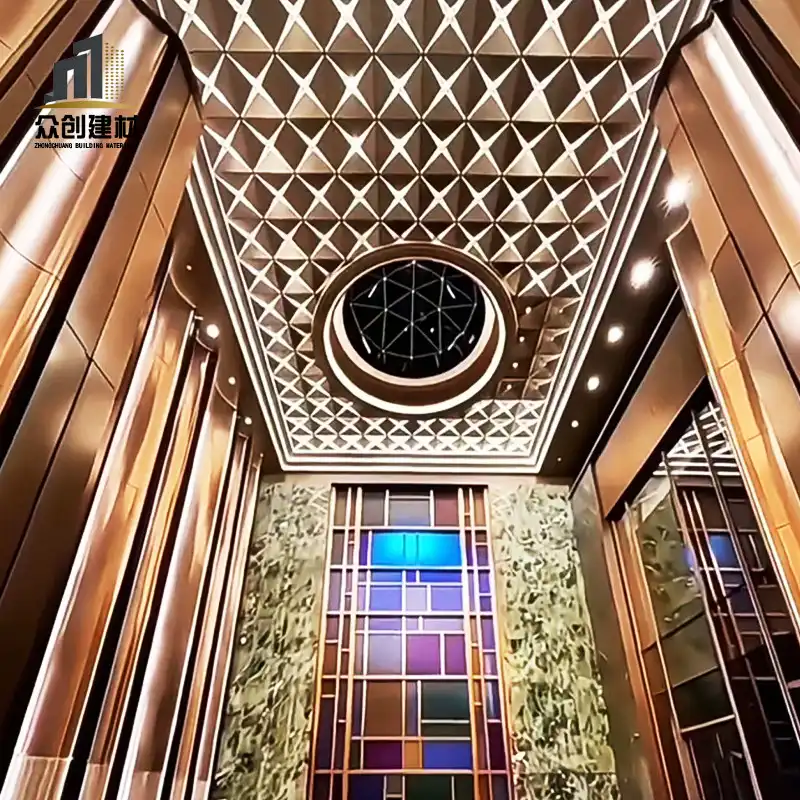
Anodizing is a process that forms a dense aluminum oxide film on the aluminum surface through electrochemical treatment, with unique metallic texture and excellent wear resistance. Unlike coating processes, the anodic oxide film is a conversion layer of the aluminum material itself, integrated with the substrate, and there is no coating peeling problem. The oxide film thickness is usually 5-25μm, and aluminum ceilings for construction generally require no less than 15μm. Anodizing can present metallic colors such as champagne, bronze, black, and titanium gold, with delicate and advanced surface texture, and good electrical conductivity and anti-static properties. Its wear resistance far exceeds coating processes, suitable for spaces with dense pedestrian flow and frequent contact such as elevator cars and handrails. However, the color choices of anodizing are relatively limited, and the cost is high. The requirements for aluminum surface quality are also extremely strict, and any substrate defects will be exposed after anodizing.
Lamination process is a process of laminating PVC/PET films pre-printed with patterns or textures on the aluminum surface through thermal compounding, featuring high production efficiency, low cost, and rich patterns. Laminated aluminum ceilings occupy a certain share in the home decoration and low-end engineering markets, and can achieve various effects such as wood grain, stone grain, and solid colors. However, the environmental protection, high temperature resistance and durability of laminated products are relatively weak. PVC films may release harmful substances at high temperatures, and problems such as film lifting and discoloration may easily occur after long-term use. Therefore, it is not recommended for commercial engineering projects with high requirements for quality and durability.
Comprehensive selection suggestions: conventional indoor spaces prioritize powder coating with the highest cost performance; exterior walls, coastal areas or high durability requirement spaces must choose fluorocarbon coating; high-end indoor spaces pursuing natural wood atmosphere choose wood grain transfer; spaces pursuing metallic texture and high wear resistance choose anodizing; home decoration or temporary projects can consider lamination process. At the same time, no matter which process is selected, suppliers should be required to provide corresponding test reports and quality guarantees to ensure that key indicators such as coating thickness, adhesion, and salt spray resistance meet national standards.