_1762768699969.webp)

_1782530506402.webp)
(1)_1783045836766.webp)
_1786157639392.webp)
(1)_1780970038980.webp)
What Projects Are Suitable for Dry-Hung Aluminum Curtain Walls?
Core Advantages That Make Dry-Hung Systems Stand Out
To understand which projects fit dry-hung systems, it is first important to understand their unique performance advantages over wet-fixed and adhesive systems:
- Pressure-equalized rainscreen waterproofing: 20-50mm ventilated cavity behind panels drains all incoming water, eliminating leakage even in heavy rain
- 100% mechanical fixing: No structural adhesive, zero risk of panel fall due to adhesive aging, fully code compliant for high-rise buildings
- Independent thermal expansion: Each panel hangs freely, no stress transfer, no buckling or noise from temperature changes
- Single panel removable: Any panel can be replaced without damaging adjacent panels, making maintenance and renovation simple
- 100% dry construction: No cement curing time, unaffected by rain or low temperature, 30-40% faster installation
- Full material compatibility: Works with aluminum panels, honeycomb panels, stone honeycomb, ceramic and composite panels
Project Types Best Suited for Dry-Hung Aluminum Curtain Walls
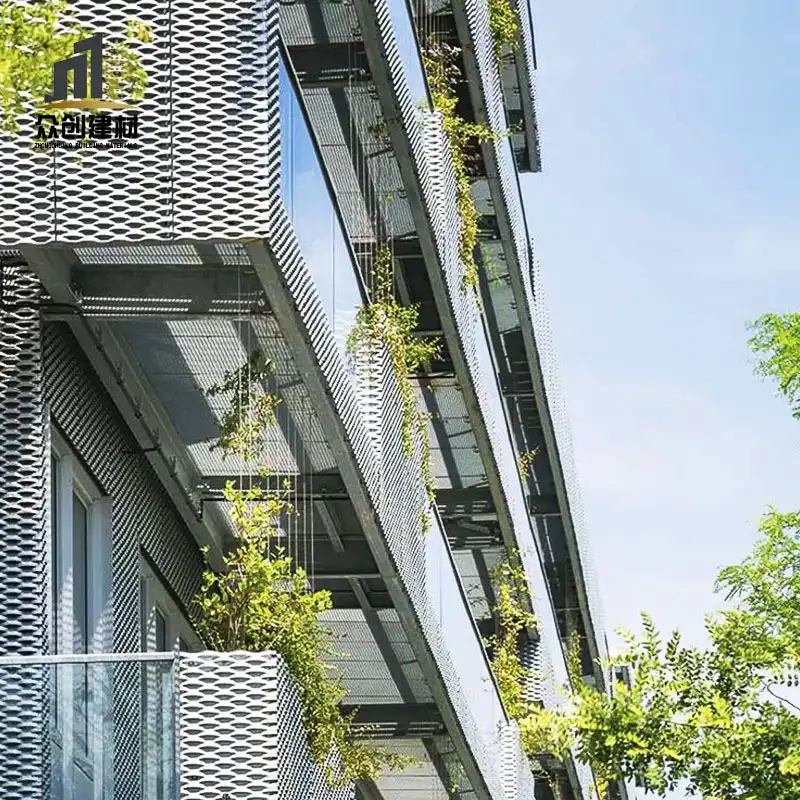
High-Rise & Super High-Rise Buildings
For buildings over 24m, and especially super high-rise buildings over 100m, dry-hung systems are the only safe and code-compliant choice for metal cladding. The mechanical fixing system is engineered for high wind loads, with redundant safety at every fixing point. There is no risk of panels falling due to adhesive aging, which is a critical safety concern for high-rise facades.
Coastal & High Rainfall Regions
In coastal areas with salt air, heavy rain and high humidity, the rear-ventilated cavity is essential. Any water that penetrates joints drains out immediately, and air circulation prevents moisture buildup that causes corrosion, mold and efflorescence. Marine grade 316 stainless steel hangers and 5052 aluminum panels deliver 25-30 year service life in coastal environments.
Large Temperature Difference & Cold Climate Regions
In regions with summer-winter temperature differences over 40°C, or extremely cold climates, independent panel expansion is critical. Wet-fixed and adhesive systems lock panels in place, causing buckling, cracking and joint failure as panels expand and contract. Dry-hung panels move freely, eliminating these issues entirely.
Commercial & Public Buildings with Tight Schedules
Shopping malls, offices, hospitals, schools and government buildings often have tight construction schedules and high maintenance requirements. Dry construction cuts facade installation time by 30-40%, and single-panel replaceability makes future maintenance and MEP access fast and low cost. The durable finish also withstands high public traffic and pollution.
Existing Building Renovation & Facade Retrofit
For old building renovation, dry-hung systems are ideal because they can be installed directly over existing masonry, tile or concrete walls without removing the old facade. This reduces demolition cost and construction time, and the lightweight aluminum system adds minimal structural load — critical for older buildings with limited load capacity.
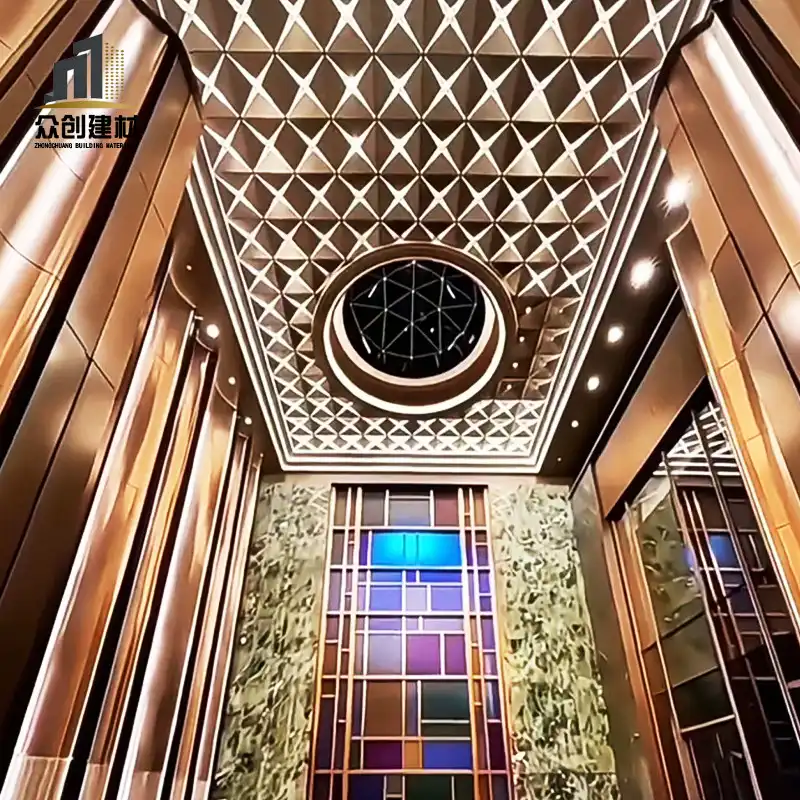
High-End Custom & Irregular Shape Buildings
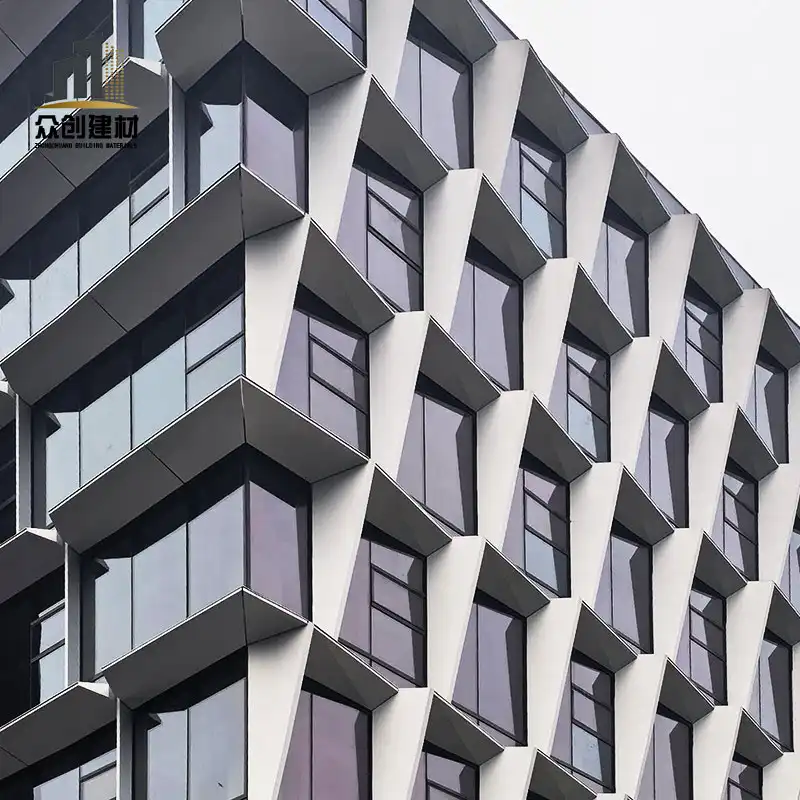
For luxury hotels, cultural buildings and custom designs with curved, angled or irregular facades, dry-hung systems offer the best fabrication flexibility. Panels can be custom formed to any shape, and the independent hanging system accommodates complex geometry without stress issues. Single panel replacement also makes it easy to update or repair custom facades.

When Dry-Hung Systems Are NOT the Best Choice
Dry-hung systems are not ideal for every project. Consider alternatives for these cases:
- Temporary & low-rise short-term buildings: For construction site offices, temporary pavilions and buildings with design life under 10 years, the higher upfront cost of dry-hung systems is not justified.
- Ultra-low budget projects: Dry-hung systems cost 20-30% more than basic wet-fixed or adhesive systems. For projects with extremely tight budgets and low performance requirements, simpler systems may be more appropriate.
- Very small area projects: For facade areas under 50m², the fixed cost of the keel and hanger system makes per-square-meter cost much higher. Adhesive or direct fix systems may be more economical.
- Projects requiring seamless monolithic look: Dry-hung systems require 5-10mm expansion joints between panels. If a completely seamless, monolithic facade look is required, consider sealed joint systems or large format GRC panels.
Dry-Hung vs Other Common Facade Systems
| System | Dry-Hung Aluminum | Wet-Fixed Aluminum | Stone Curtain Wall | Glass Curtain Wall | Adhesive ACP |
|---|---|---|---|---|---|
| Fall Risk | Zero (mechanical) | Medium (adhesive/cement) | Medium | Low | High (adhesive aging) |
| Waterproof | Excellent (rainscreen) | Medium | Medium | High | Poor |
| Thermal Stability | Excellent | Poor | Medium | Medium | Poor |
| Installation Speed | Fast | Slow | Slow | Medium | Fast |
| Maintenance Cost | Very Low | High | Medium | Medium | High |
| Service Life | 25-30 years | 10-15 years | 20-25 years | 20-25 years | 8-12 years |
| Upfront Cost | Medium-High | Low | High | Very High | Very Low |
Key Decision Factors for Project Selection
Use these 5 factors to decide if dry-hung aluminum curtain wall is right for your project:
- Building height: Over 24m → dry-hung is strongly recommended; under 6m temporary → consider alternatives
- Local climate: Coastal, heavy rain, large temperature difference → dry-hung is preferred
- Budget: 20-30% higher upfront cost, but 50% lower lifecycle cost over 25 years
- Schedule: Tight schedule → dry construction saves 30-40% time
- Maintenance needs: High traffic public buildings → single panel replaceability saves long term cost

Real Project Reference Examples
- 200m super high-rise office tower, Shanghai: Dry-hung 3mm aluminum panels with 316 stainless steel hangers, engineered for 4.5kPa wind load, 30 year design life
- Coastal 5-star resort, Sanya: Dry-hung PVDF aluminum honeycomb panels, rear ventilated cavity, marine grade hardware, zero corrosion after 8 years
- 1980s office building renovation, Guangzhou: Dry-hung system installed directly over existing tile facade, no demolition, project completed in 45 days
- -30°C cold region hospital, Harbin: Dry-hung panels with independent expansion, zero buckling or joint failure after 5 winters
Frequently Asked Questions
Q: How much more expensive is dry-hung vs wet-fixed aluminum cladding?
A: Upfront material and installation cost is 20-30% higher, but 25+ year service life and zero maintenance makes total lifecycle cost 50% lower than wet-fixed systems that require repair every 5-10 years.
Q: Is dry-hung necessary for low-rise residential buildings?
A: For permanent low-rise buildings in normal climates, dry-hung is recommended for best long term performance, but wet-fixed systems can be used for budget projects. For coastal or cold region low-rise buildings, dry-hung is still strongly advised.
Q: Can dry-hung systems be used for curved and arched facades?
A: Yes. Custom curved panels hang on the same keel system, and independent fixing accommodates curved geometry without thermal stress issues.
Q: What is the typical service life of a properly installed dry-hung aluminum curtain wall?
A: 25-30 years for standard 3003 aluminum with PVDF coating, 30+ years for 5052 marine grade aluminum in coastal areas, with only annual cleaning required.