_1762768699969.webp)

_1782530506402.webp)
Why Storefront Aluminum Panels Are Reshaping Commercial Facades
Why Storefront Aluminum Panels Are Reshaping Commercial Facades
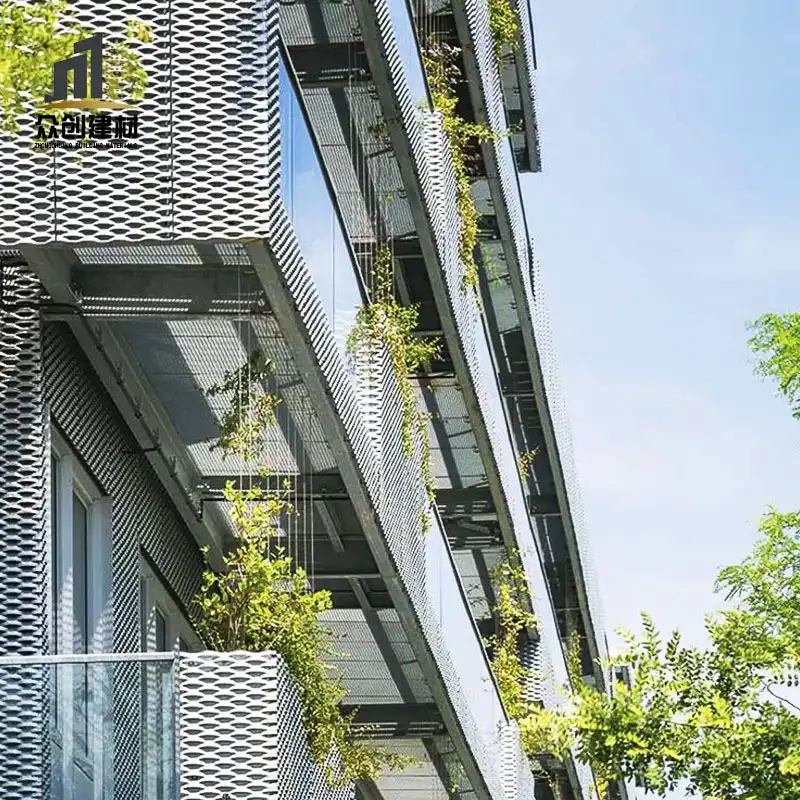
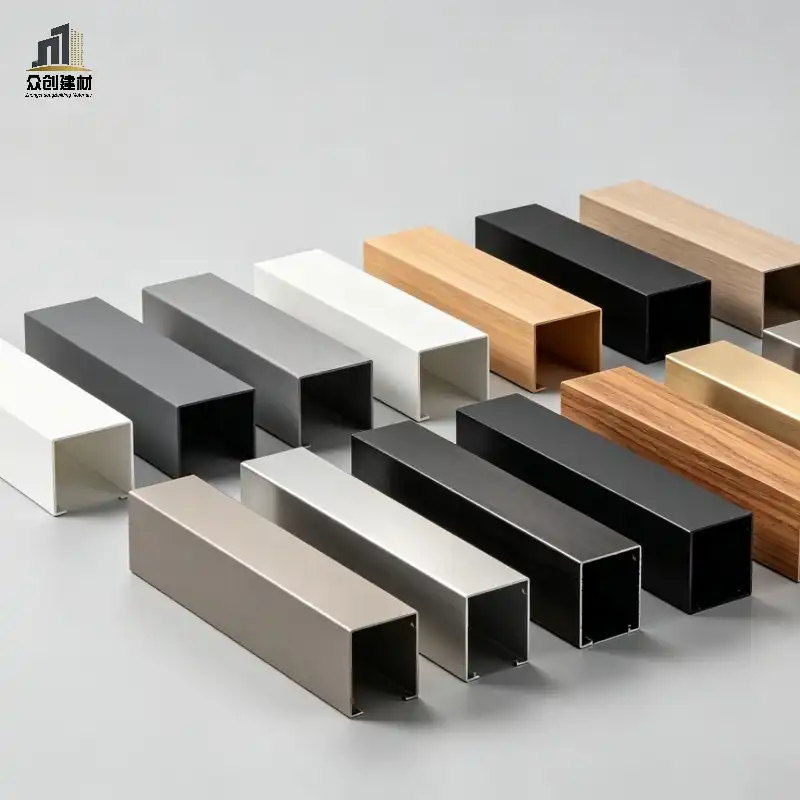
In the global commercial real estate renewal wave, the storefront is undergoing a materials revolution. Traditional stone cladding, glass curtain walls, and paint finishes are being rapidly replaced by customized aluminum veneer panels. From SoHo boutiques in New York to luxury flagships on West Nanjing Road in Shanghai, architectural storefront aluminum panels have moved from "optional material" to "industry standard."
This shift is driven by brands' dual demand for visual recognition and rapid renovation speed. The renovation cycle of a storefront often determines the pace of brand upgrade. The factory-prefabricated, on-site hanging installation model of aluminum panels allows storefront renovations to be completed within weeks, compared to months required for stone systems.

Three Trends Reshaping Storefront Design
Based on 2024–2025 global commercial facade projects, three clear trends are emerging in storefront aluminum panel design:
|
Trend |
Expression |
Brand Profile |
Core Value |
|---|---|---|---|
|
Digital Brand Motifs |
Logos or brand symbols converted into perforated/relief patterns |
Luxury brands, tech flagship stores |
High recognition, striking at night |
|
Natural Material Simulation |
Wood/stone transfer printing replacing real timber and stone |
F&B, hotels, lifestyle brands |
Near-natural texture, minimal maintenance |
|
Integrated Form |
Storefront, side walls, and canopy designed as one |
Auto dealerships, large flagships |
Strong architectural presence |
Supply Chain Shifts
The supply chain for storefront aluminum panels is undergoing profound changes. In the past, overseas projects typically sourced locally, but Chinese factories are now becoming the preferred supplier for global brand headquarters, thanks to their complete industrial chain and rapid delivery capability.
Integrated Design & Manufacturing: Chinese factories can directly receive 3D models from designers and complete detailing, fabrication, and surface treatment in-house, significantly reducing communication costs.
Small-Batch Rapid Delivery: Chain store renovations often require small-batch customization. Chinese factories' 7–15 day prototyping lead time far outperforms European factories' 4–6 weeks.
Environmental Compliance: Leading factories hold CE, AAMA, and LEED certifications, meeting green procurement requirements in developed markets.