_1782530506402.webp)
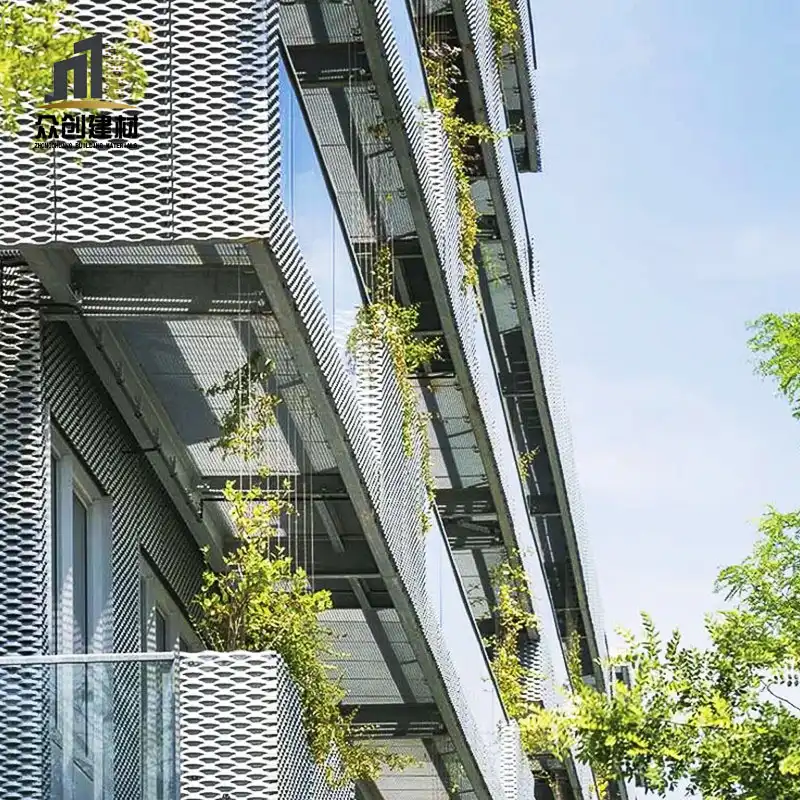
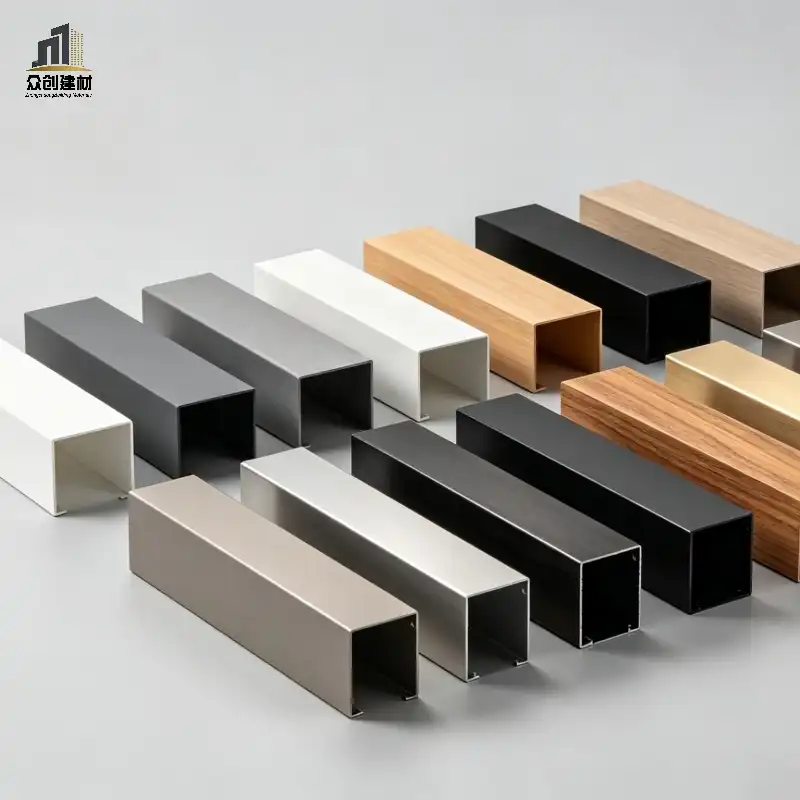
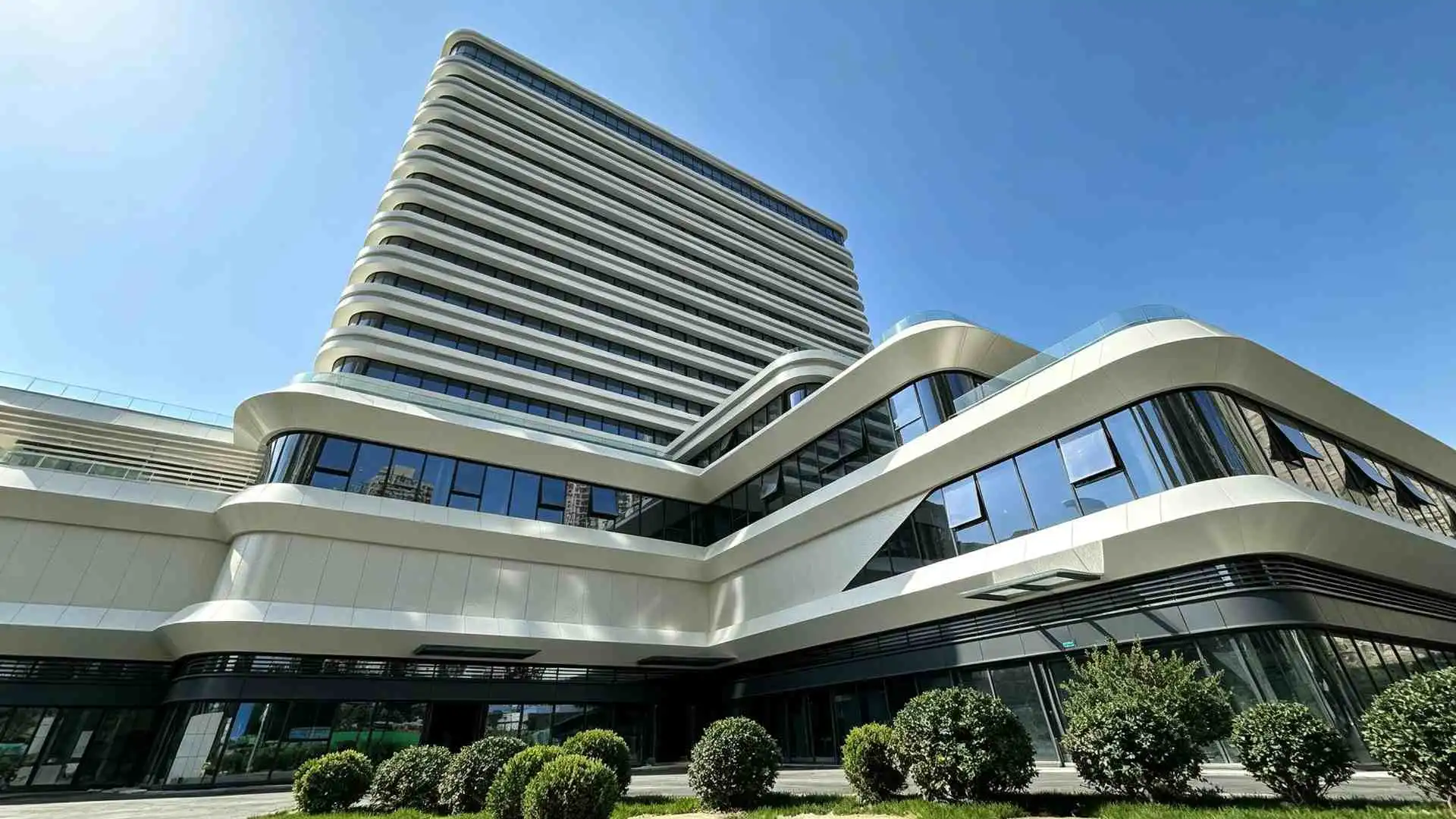 Aluminum exterior trim is becoming a key material for building facade upgrades worldwideGuangdong Zhongchuang Architectural Decoration Materials Co., Ltd. specializes in aluminum building materials, and its exterior trim products serve villa, commercial complex, and high-rise residential projects across Europe, America, Southeast Asia, and the Middle East. This article examines, from company and industry perspectives, how aluminum trims are reshaping modern building facades.
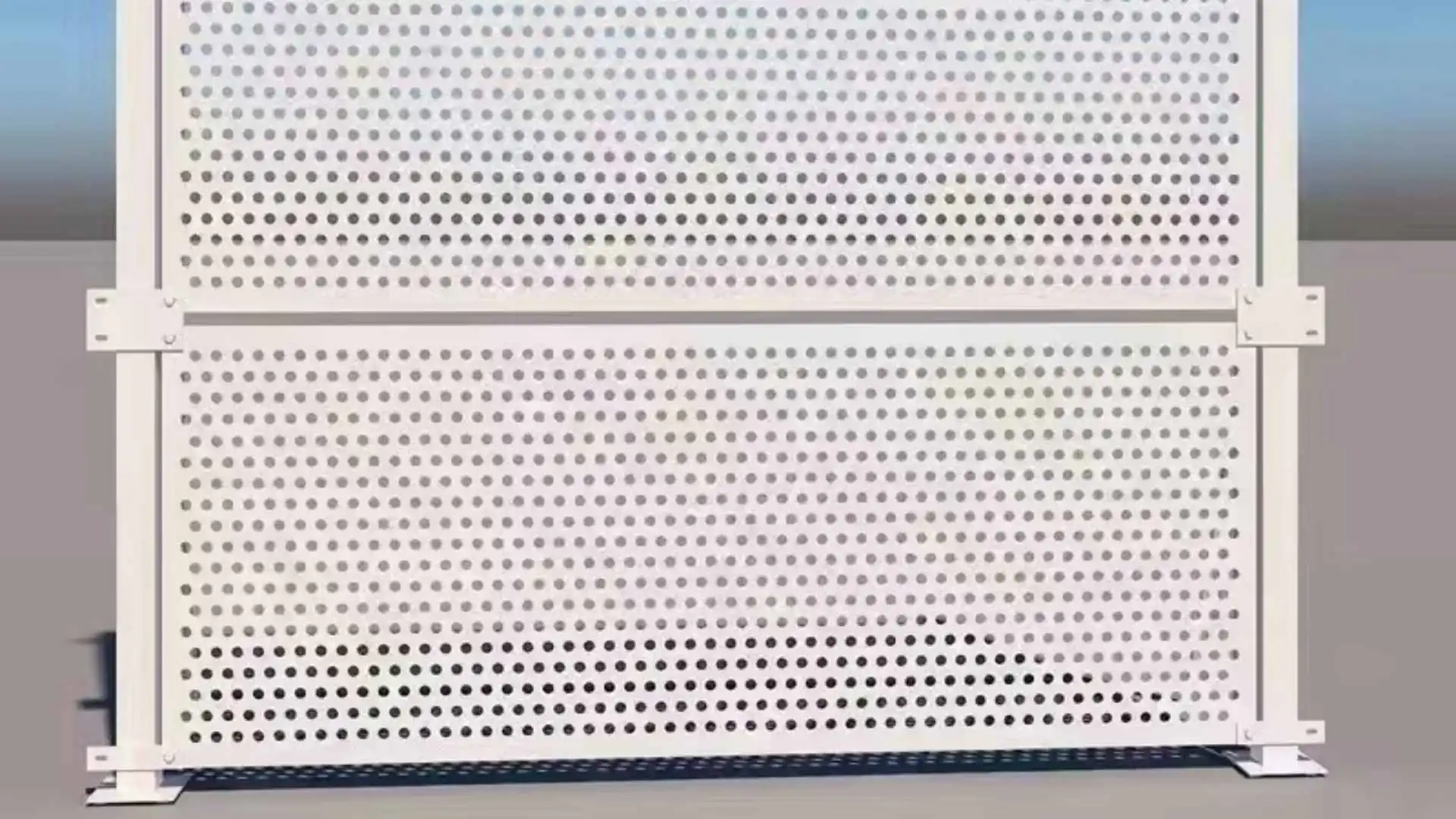 Privacy Meets Transparency: Perforated Fences Redefine Courtyard BoundariesPerforated aluminum fences are replacing traditional wrought iron, wood, and PVC fencing worldwide, becoming the new mainstream for villa courtyards, commercial plazas, building facade shading, and municipal landscape enclosures. This article examines the latest trends, technical essentials, and applications from both industry news and knowledge perspectives.
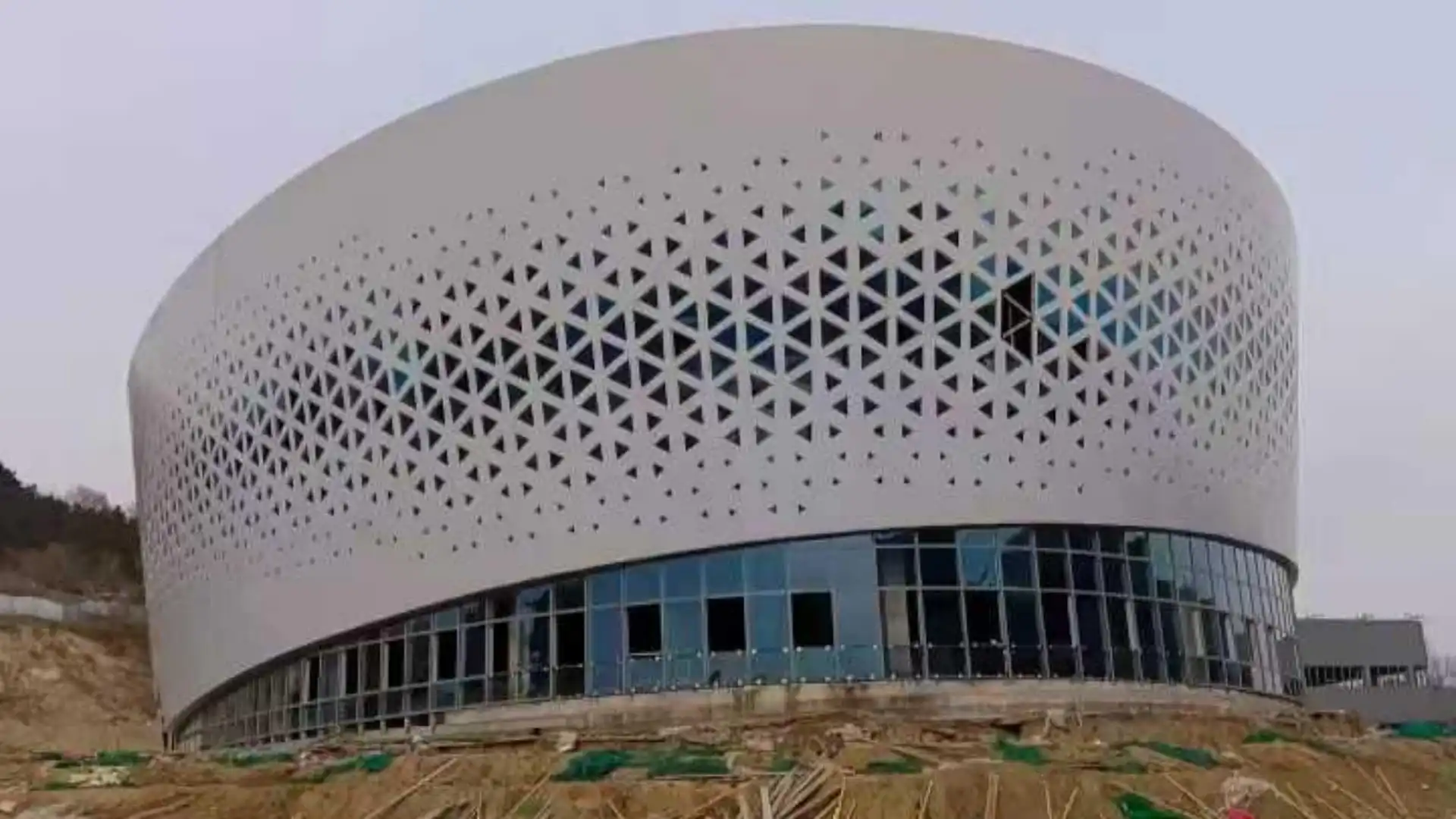 Energy-Saving Application of Perforated Aluminum Panels in Building Sunshade SystemsAs building exterior sunshade components, perforated aluminum panels can effectively block solar radiation heat from entering the room and reduce air conditioning energy consumption. This article analyzes the energy-saving principle, shading coefficient calculation, structural design and application value of perforated aluminum panel sunshading in green buildings.
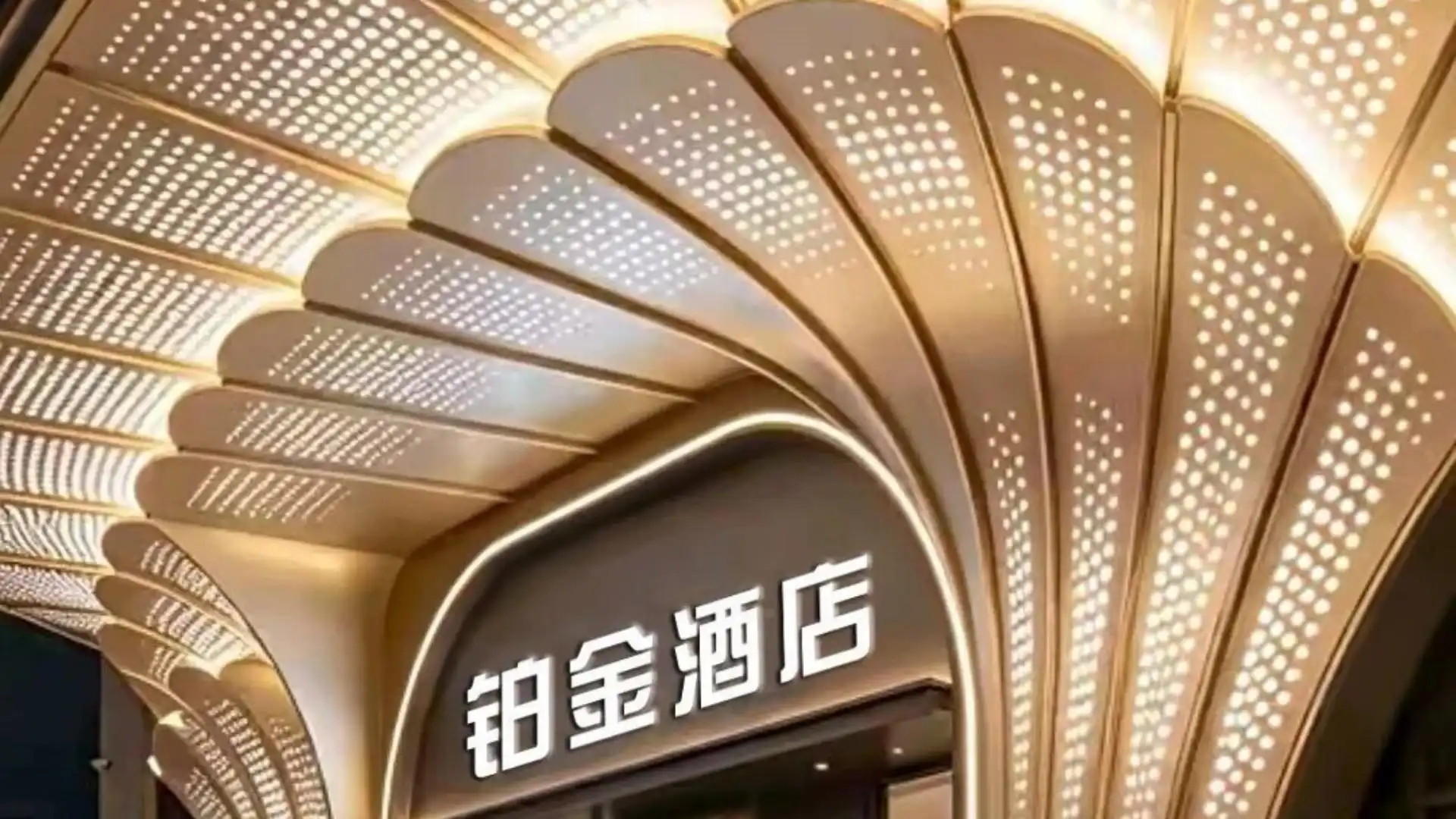 Application of Perforated Light-Integrated Aluminum Panels in Advertising Signage and Night Visual EffectsPerforated light-integrated aluminum panels have unique advantages in advertising signage and night lighting. They are metal signage boards during the day and become luminous patterns at night. This article analyzes the application characteristics of perforated light-integrated aluminum panels in shop signage, building signage, and night lighting, as well as key points of night visual effect design.
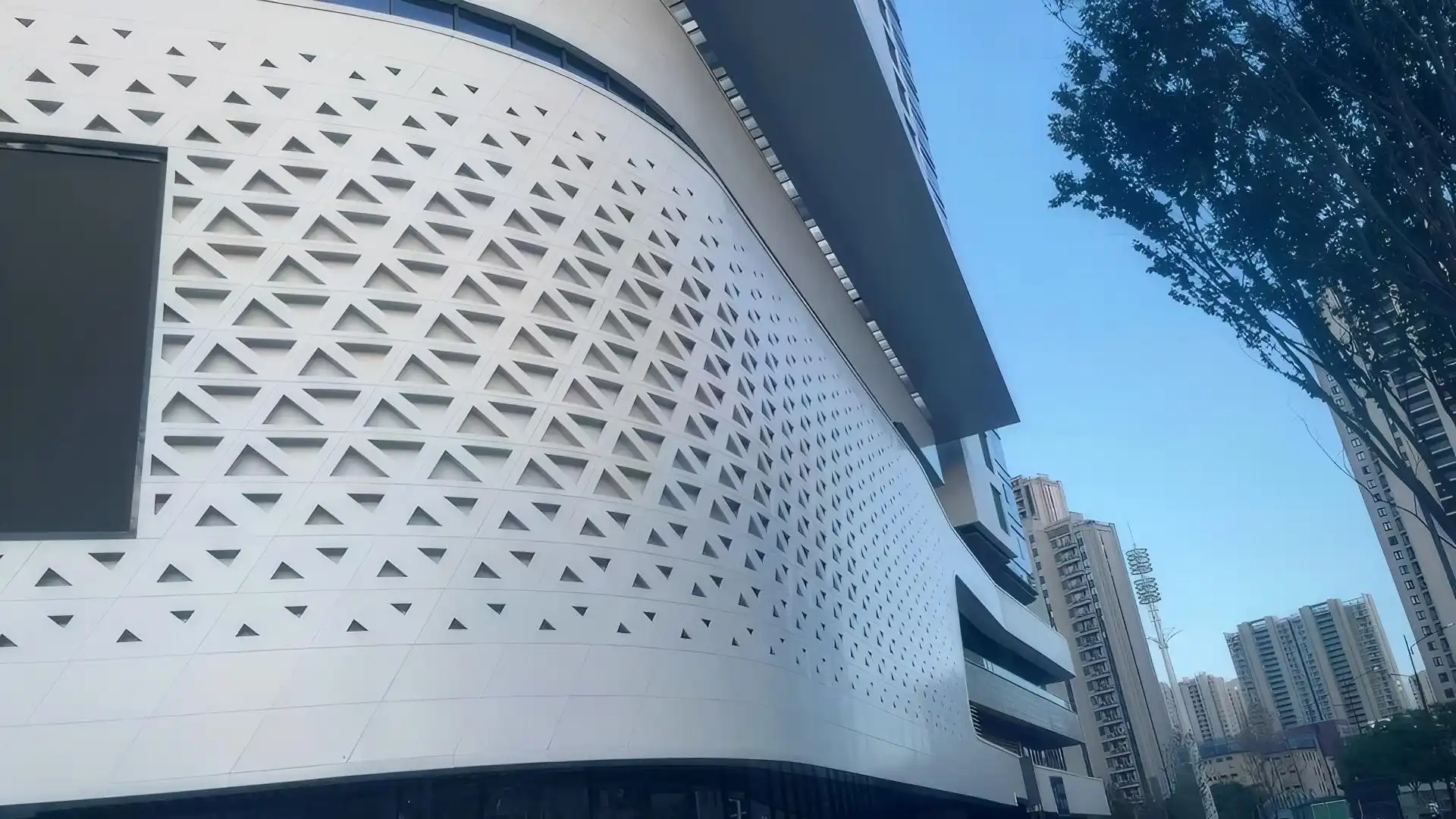 Application and Brand Expression of Artistic Perforated Aluminum Panels in Commercial SpacesArtistic perforated aluminum panels play an important role in shaping brand image, upgrading space quality, and creating consumption atmosphere in commercial spaces. This article analyzes the application methods and brand value expression of artistic perforated aluminum panels in retail stores, dining spaces, and commercial complexes from the design needs of commercial spaces.
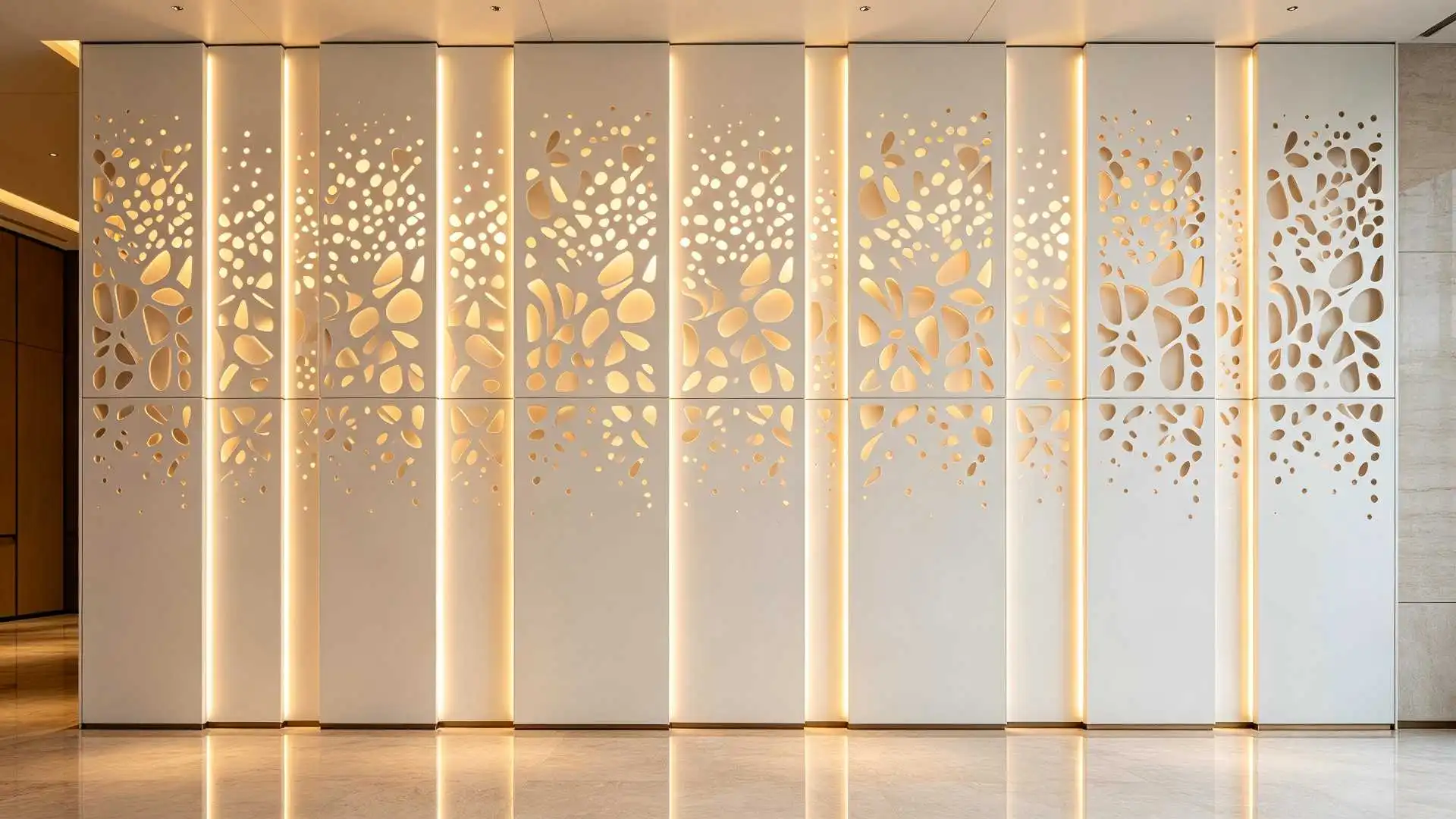 Pattern Design and Architectural Aesthetic Expression of Artistic Perforated Aluminum PanelsArtistic perforated aluminum panels elevate perforation technology from functionality to a medium for architectural artistic expression. Through design methods such as patterning, gradient density, and halftone, they create unique visual effects in building facades and indoor spaces. This article deeply analyzes the design methods, creative process, material expression and architectural aesthetic value of artistic perforated aluminum panels.
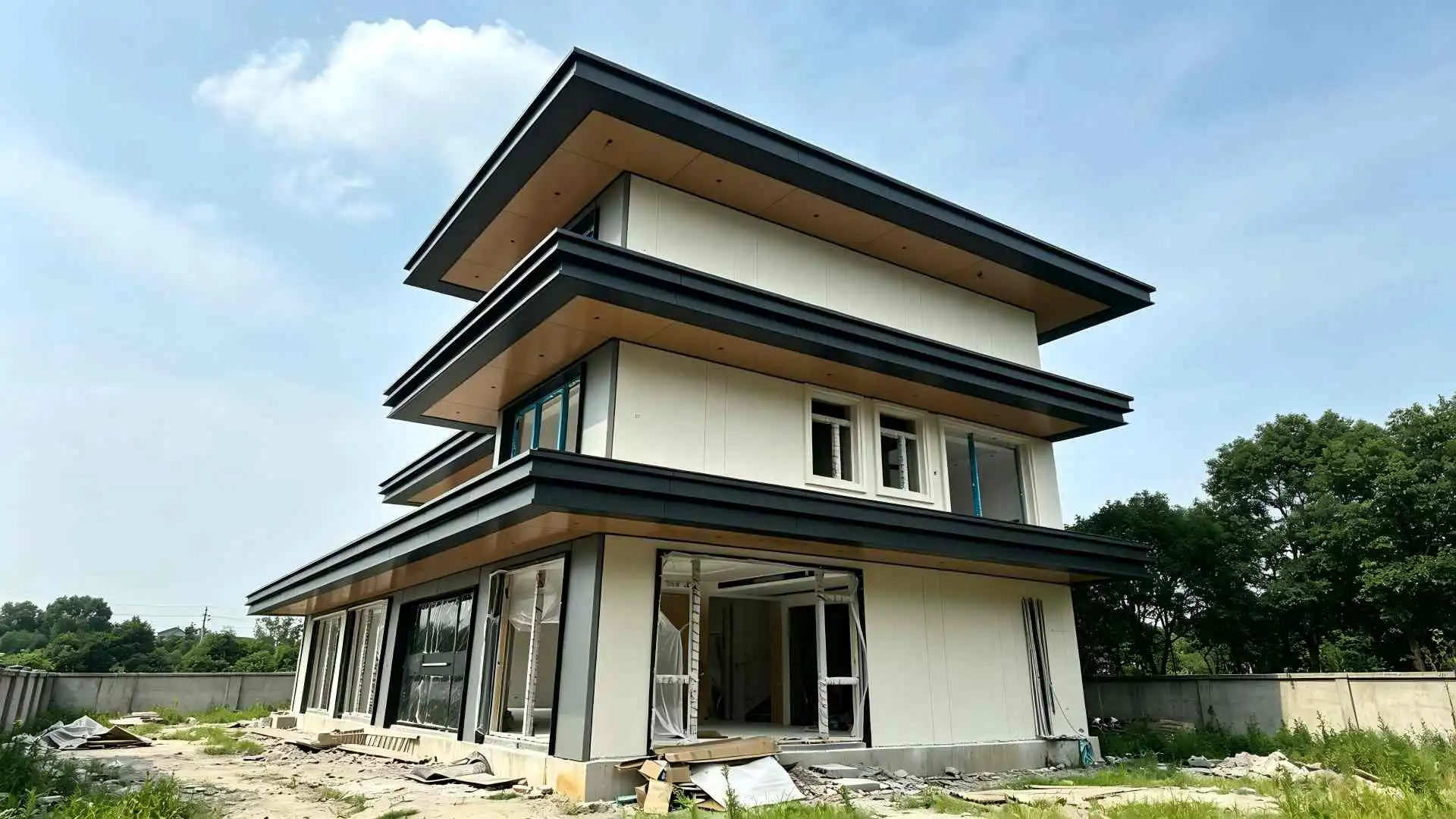 Aluminum Trims Take Over Luxury Villa MarketThe refinement of a villa facade lies in the details — window casings, cornice moldings, and belt courses. In recent years, aluminum decorative trims have been replacing traditional GRC, solid wood, and PVC across global luxury residential projects. This article examines the trend from both industry news and technical knowledge perspectives.
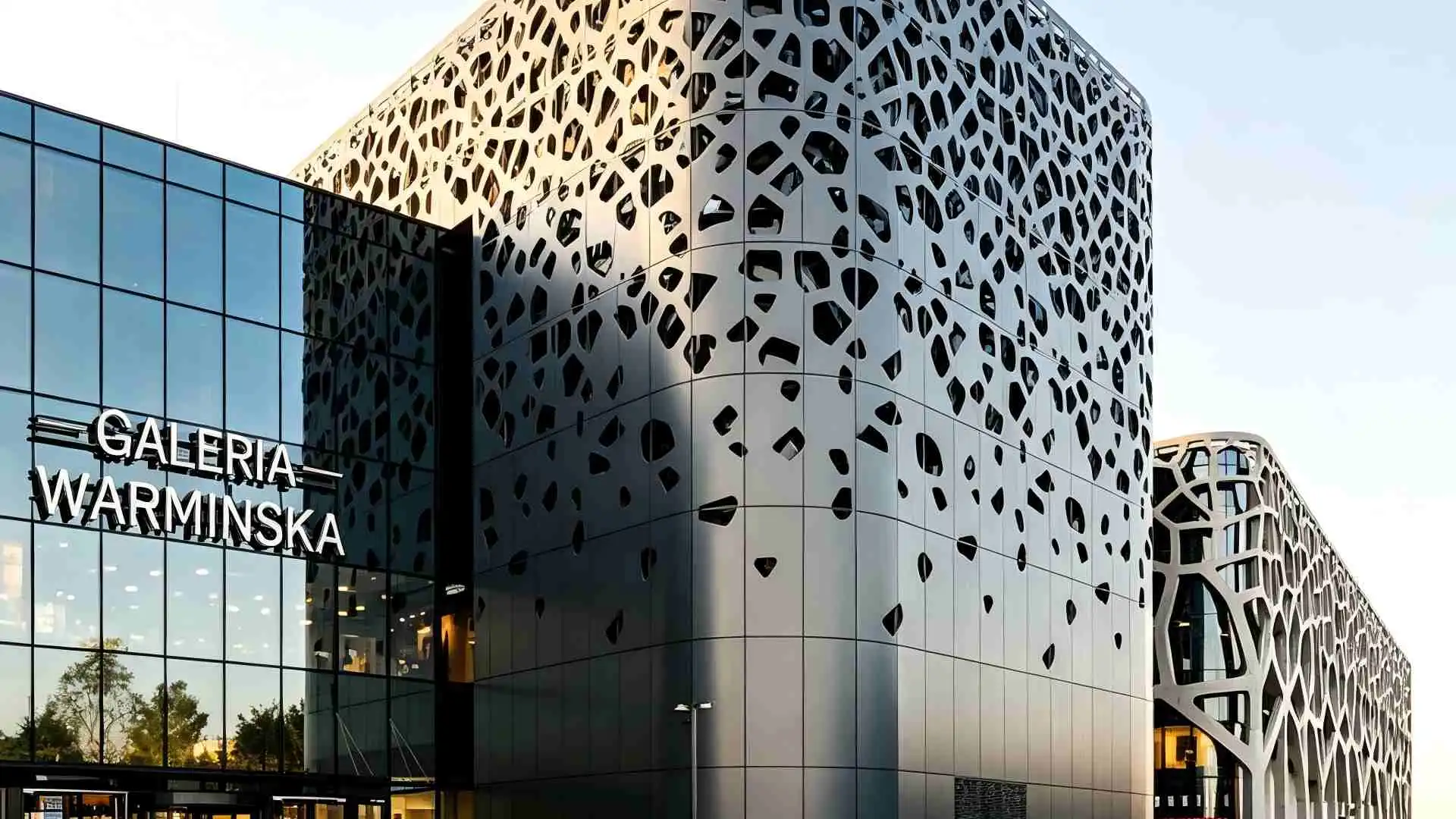 Why Storefront Aluminum Panels Are Reshaping Commercial FacadesIn the global commercial real estate renewal wave, the storefront is undergoing a materials revolution. Traditional stone cladding, glass curtain walls, and paint finishes are being rapidly replaced by customized aluminum veneer panels. From SoHo boutiques in New York to luxury flagships on West Nanjing Road in Shanghai, architectural storefront aluminum panels have moved from "optional material" to "industry standard."
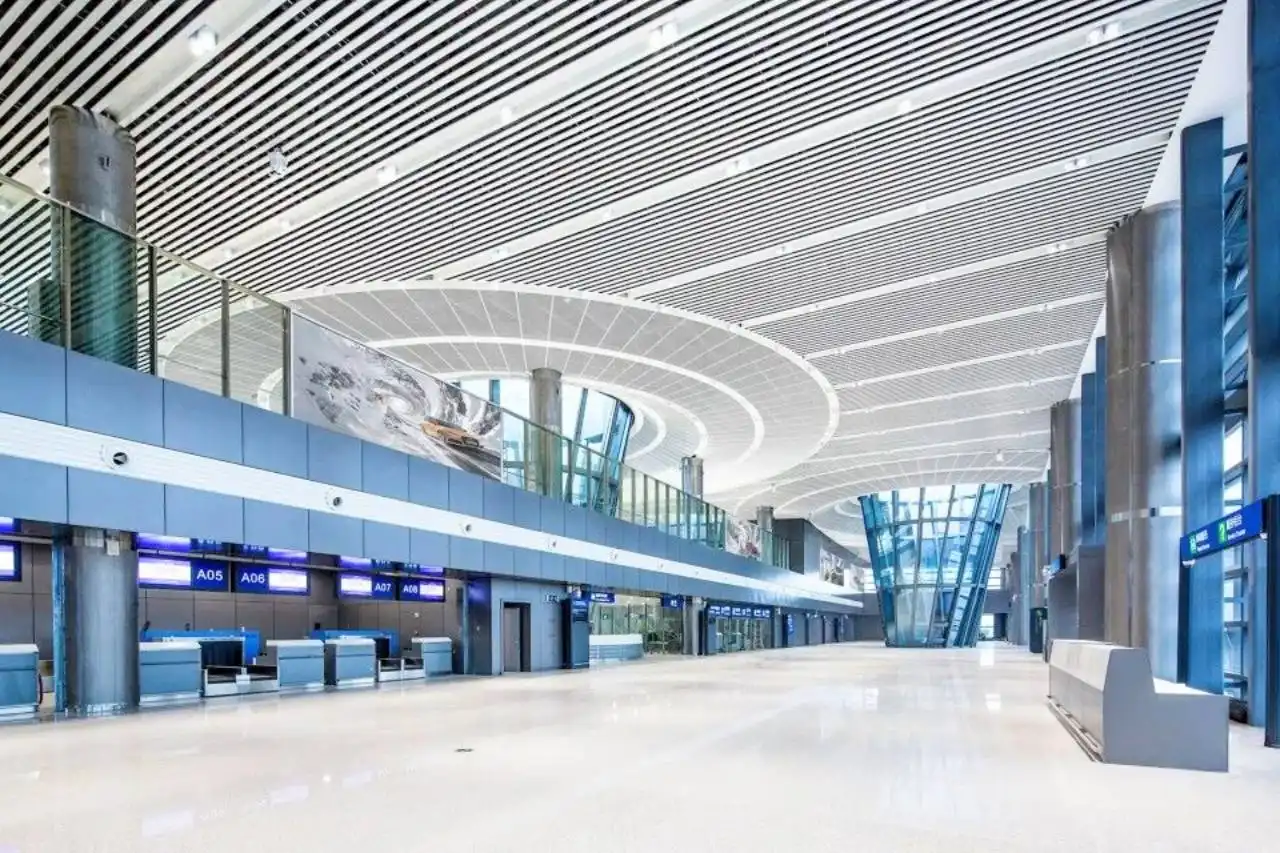
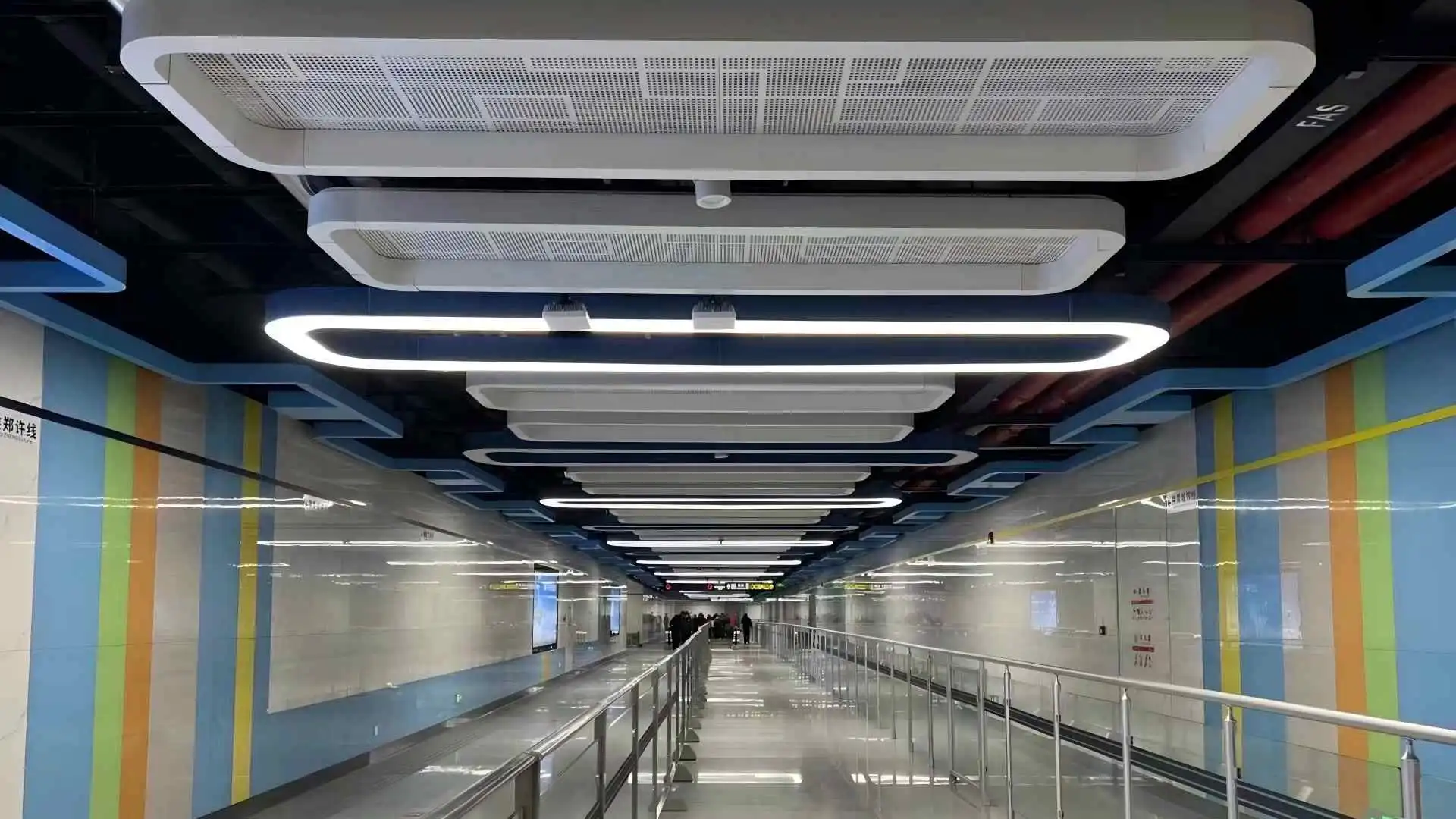 Application of Perforated Aluminum Ceiling in Subway and Airport Transportation HubsLarge‑scale transportation hubs such as subways and airports are public spaces with massive pedestrian flow and complex operating environments. They impose extremely high requirements on perforated aluminum ceilings in terms of sound absorption & noise reduction, ventilation & heat dissipation, durability, maintainability and fire‑safety performance. Combined with the spatial features of transportation hubs, this paper conducts an in‑depth analysis on material selection & design, system configuration, construction and installation, as well as maintenance management of perforated aluminum ceilings.
_1789865215336.webp "Application and Standards of Aluminum Suspended Ceiling in Medical Clean Spaces") Application and Standards of Aluminum Suspended Ceiling in Medical Clean SpacesMedical clean spaces have strict requirements for the antibacterial properties, cleanliness, air tightness, and disinfection resistance of ceiling materials. Aluminum suspended ceilings, with their excellent comprehensive performance, have become the preferred ceiling material for medical spaces. This article comprehensively analyzes the application technology of aluminum suspended ceilings in medical clean spaces from the perspectives of clean level requirements, material characteristics, system design, construction specifications, and maintenance management.
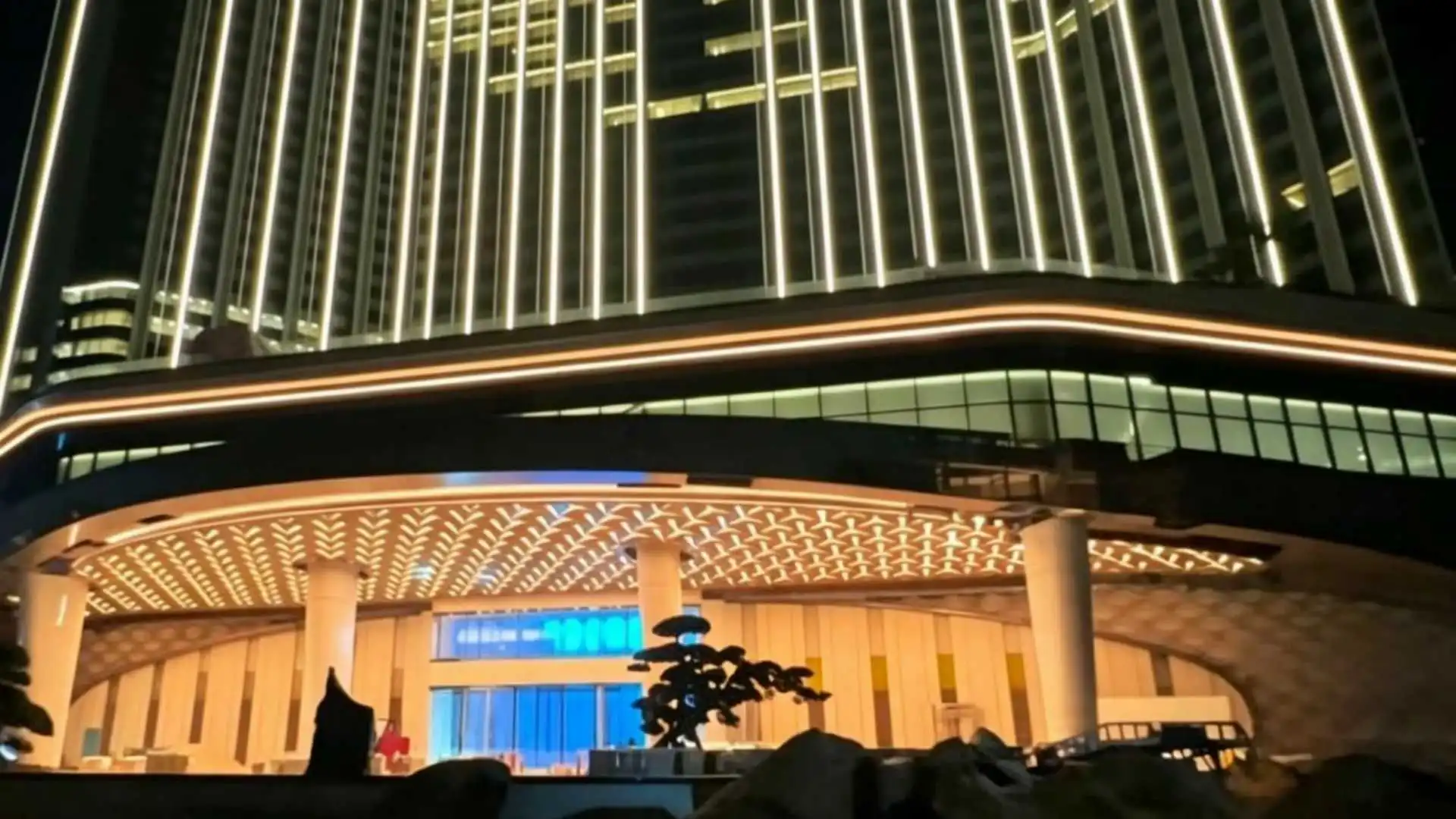 Hotel Canopy Aluminum Ceiling DesignAs a vehicle pulls up to a hotel drop-off area, the canopy ceiling overhead is becoming the new battleground for brand competition. Over the past decade, hotel design focus has shifted from the lobby to the entrance — a space where guests spend only about 30 seconds, yet which shapes their very first judgment of the property's quality, aesthetic, and service. And aluminum ceiling design is proving to be the most expressive weapon in this "first impression war." From international brands like Marriott and Hilton to boutique design hotels, an increasing number of projects are upgrading the canopy (or portico) underside from a plain flat ceiling to an artistic composition of curved surfaces, perforated patterns, and integrated lighting. This trend is driven by the convergence of three forces: aluminum fabrication technology, lighting innovation, and brand marketing strategy.
 Comparison of Fluorocarbon Coating and Powder Coating Processes for Aluminum CeilingsFluorocarbon coating and powder coating are the two major surface‑treatment processes for aluminum ceilings, with notable differences in weather resistance, decorative performance and cost. This paper conducts a comprehensive analysis of the technical features and selection guidelines for these two coating systems, covering coating composition, process principles, performance indicators, application scenarios and cost comparison.
- 1
- 2
- 3
- 4
- 5
- 6
- 12
Total 12 pages